Download free Capybara coloring pages for kids and adults. Enjoy cute, funny, and realistic scenes featuring the world's most chill animal.
Capybara Coloring Pages
No Hard coloring pages in this collection.
Clear filterAbout This Collection
Capybaras have become the internet’s favorite animal for a very good reason. These gentle giants from South America are known for their incredibly calm demeanor and their unique ability to make friends with almost every other creature in the wild. Bringing these "chill" rodents to life with color is a wonderful way for both children and adults to find a moment of peace and quiet.
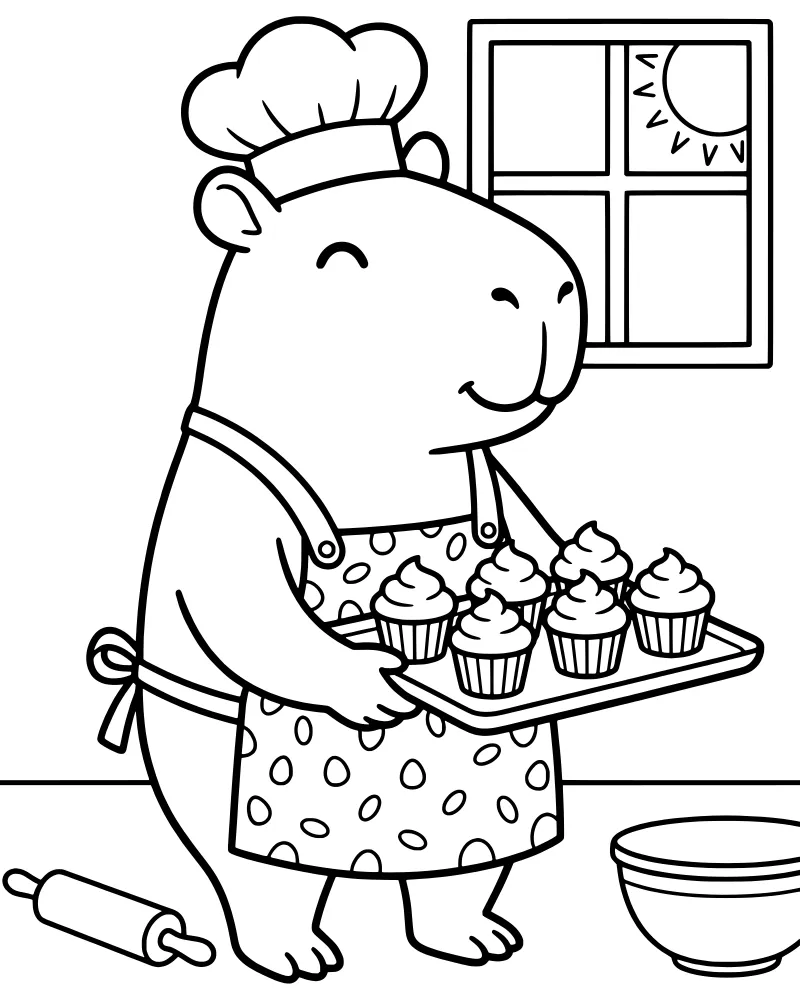
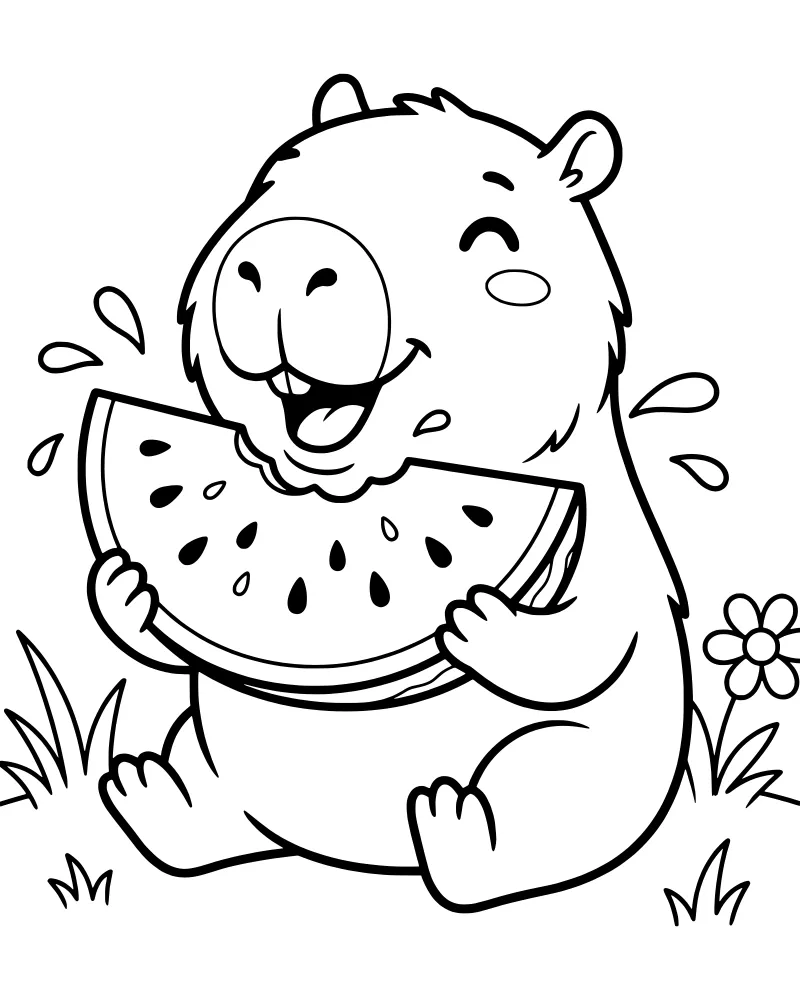
Our collection of coloring pages captures the many moods of these social animals. Whether they are soaking in a pool or going on an imaginary adventure, each page offers a chance to explore nature and friendship. These illustrations provide a perfect canvas for experimenting with earthy tones and vibrant backgrounds, making them a hit for any afternoon activity.
Why the World Loves These Gentle Giants
Capybaras are the largest rodents on Earth, but their size is matched only by their massive hearts. Native to the wetlands of South America, they are semi-aquatic animals that spend a huge portion of their time near rivers and ponds. This lifestyle makes them a fascinating subject for art, as it allows for beautiful water-based scenery. Their thick, coarse fur and blunt snouts give them a distinctive look that is both cute and slightly regal.
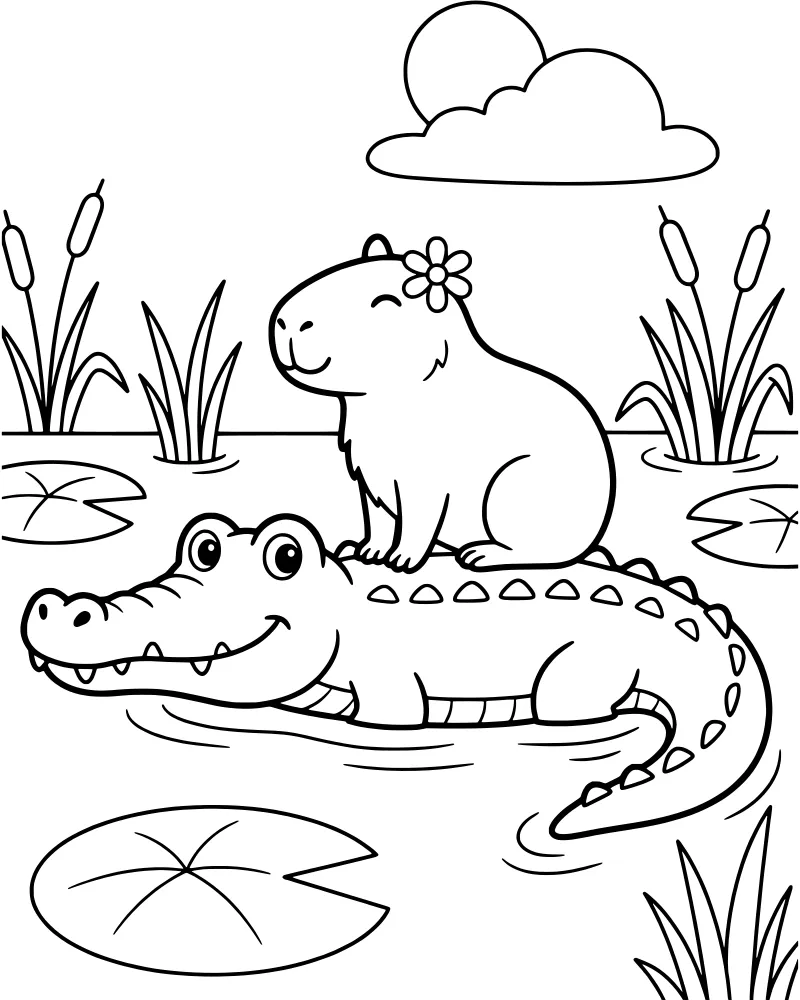
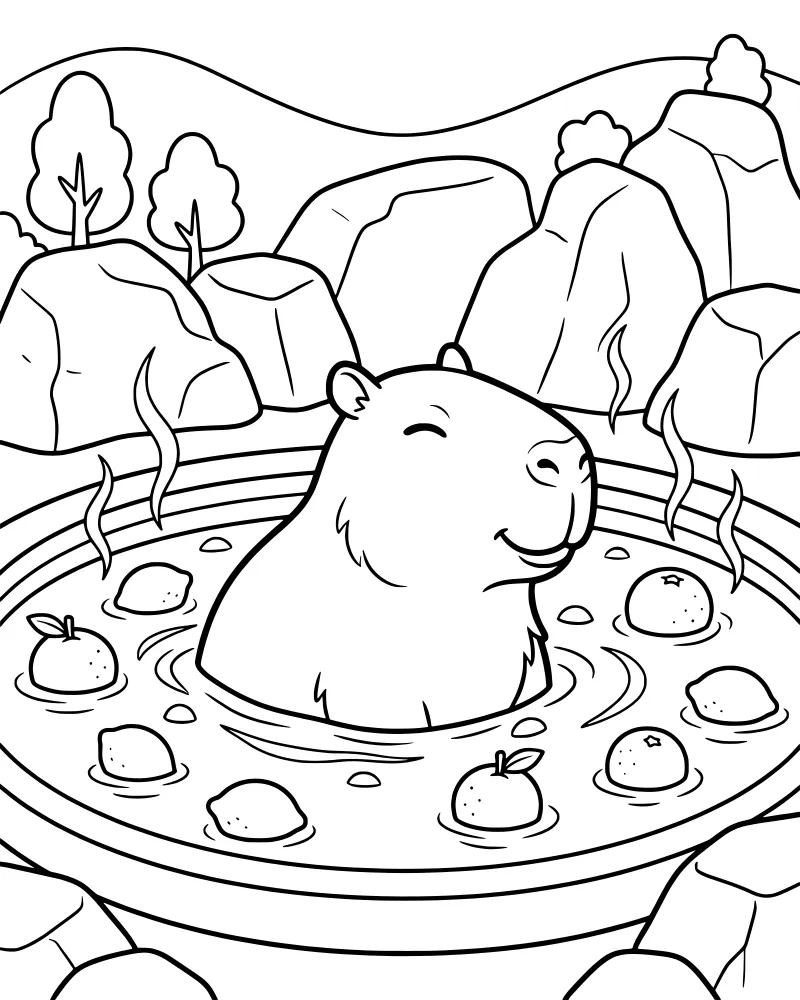
One of the most famous sights in the animal kingdom is a capybara relaxing in water. They are known to sit perfectly still while other animals, like birds or monkeys, hang out nearby. This peaceful energy is perfectly captured in the Relaxing Capybara in a Hot Spring page, which highlights their love for a good soak. Coloring these scenes helps children understand the importance of relaxation and the beauty of natural habitats while they focus on the small details of the rocks and steam.
Creative Themes and Imaginative Adventures
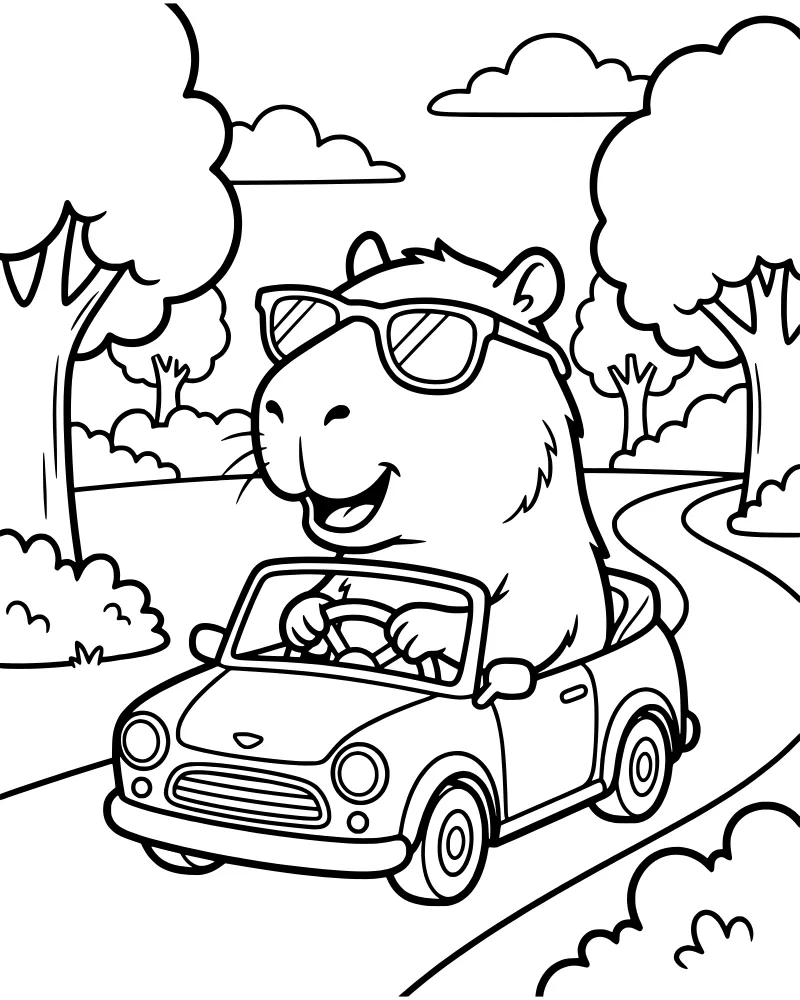
While we often see these animals in the wild, their calm personalities make them perfect candidates for whimsical scenarios. Because they seem so unbothered by anything, it is easy to imagine them in human-like roles or even extraordinary locations. This versatility is what makes capybara art so engaging for different age groups. Younger children might enjoy simpler scenes, while older kids and adults can appreciate more detailed, humorous illustrations that place these animals in unexpected environments.
The popularity of these animals has led to them being depicted in all sorts of fun ways. You might find them exploring the stars or working in a kitchen. For instance, the Capybara Astronaut Floating in Outer Space shows just how far these rodents can go when we use our imagination. These types of pages encourage kids to think outside the box and combine their love for animals with other interests like science or fantasy, providing a much-needed break from traditional nature scenes.
Color Palette Ideas for Capybara Art
When it comes to coloring these creatures, you are not limited to just brown. In the wild, their fur can range from light tan to a deep, reddish-brown. To make the fur look realistic, try using a flicking motion with your colored pencils to mimic the texture of their coarse hair. Adding a bit of grey or dark brown for shading under the belly and around the legs will give the animal a three-dimensional feel that makes the illustration pop off the paper.
The backgrounds of these pages often feature lush greens and watery blues. For a tropical feel, use bright emerald and lime greens for the foliage. If the scene is set at sunset, try blending oranges and purples into the sky. In pages like the Friendly Capybara and Little Ducklings, you can use soft yellows for the birds to contrast against the earthy tones of the capybara, creating a balanced and eye-catching image. Using a light blue watercolor wash for the water can also add a soft, professional touch to the final piece.
Educational Fun and Activity Suggestions
Coloring is more than just an artistic outlet; it is a great way to learn about the world. As you color, you can talk about where capybaras live and why they have webbed feet. They are excellent swimmers and can even stay underwater for several minutes to hide from predators. Discussing their diet of grasses and aquatic plants while coloring a scene of them eating can turn a simple craft into a mini biology lesson that sticks in a child's memory.
After the coloring is finished, these pages can be used for various activities. You could cut out the finished animals to create a mobile or glue them onto cardstock to make personalized greeting cards for friends. For a rainy day project, try printing several different scenes and binding them together to create a custom storybook. Their friendly nature makes them the perfect protagonist for any tale about kindness and community, helping kids develop empathy while they play.