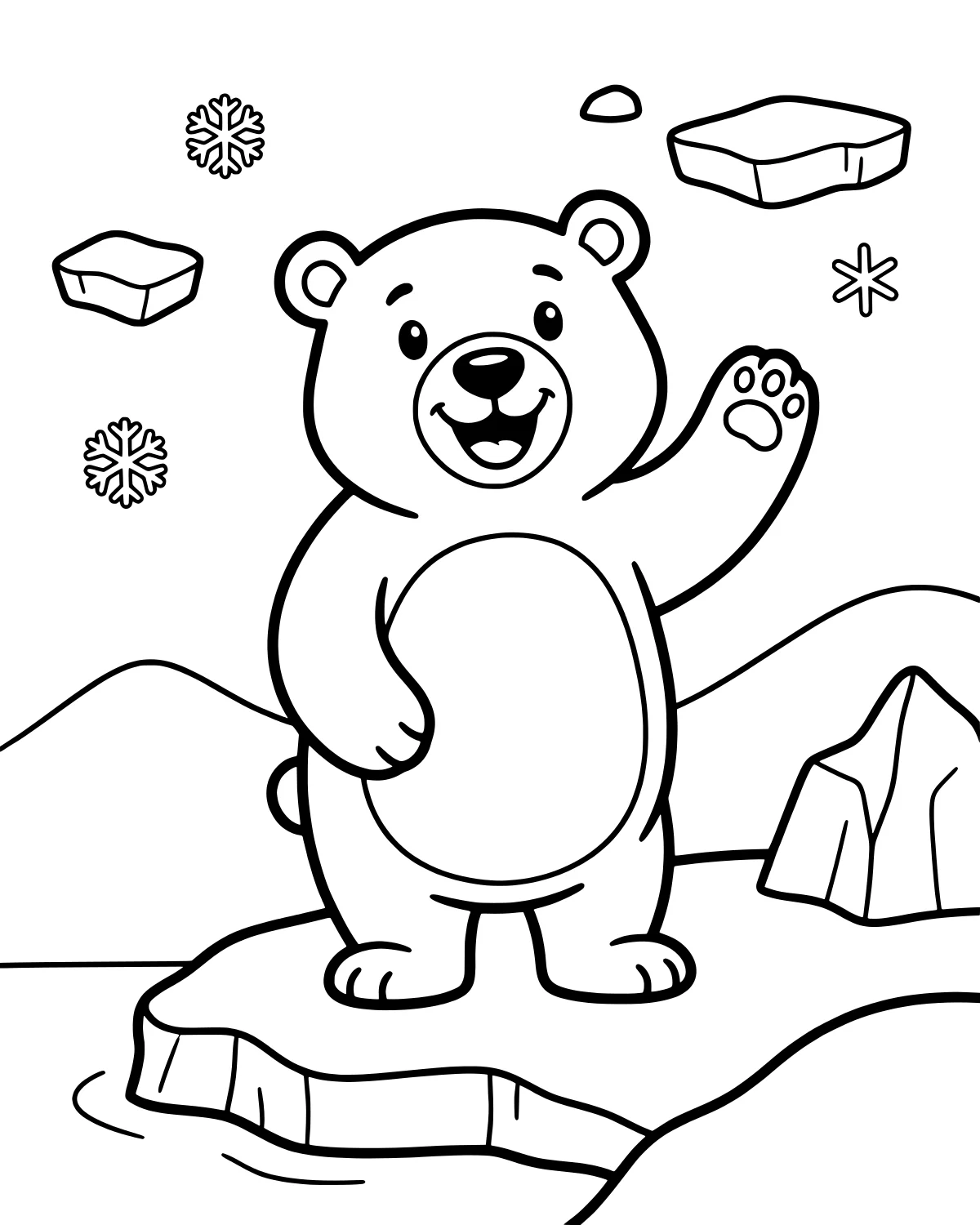
This cheerful scene features a friendly polar bear standing on a floating ice floe in the middle of a chilly Arctic sea. With a big smile and a waving paw, this bear is ready to say hello to anyone who stops by to add some color to its world. The surrounding environment is filled with giant icebergs and gentle snowflakes drifting through the air. It is a wonderful way to explore the beauty of the North Pole while practicing staying inside the lines.
Color Palette Ideas
What's In This Picture
At the center of the page, a large, happy polar bear stands tall on a thick chunk of ice known as an ice floe. The bear has one paw raised in a friendly wave, making it the clear focal point of the artwork. In the background, jagged icebergs rise out of the cold water, creating a sense of depth in this frozen landscape. Small, detailed snowflakes are scattered across the sky, adding a touch of winter magic to the entire scene. The water below the ice floe shows gentle ripples, suggesting a calm day in the far north. Every element from the bear's rounded ears to the sharp peaks of the icebergs provides a different texture to color.
Coloring Tips
Since polar bears have white fur, you might think you do not need much color, but you can use very light shades of blue or gray to add shadows and make the bear look three-dimensional. The icebergs and the ice floe look wonderful when colored with pale aquamarine or soft lavender to mimic the way ice reflects light. For the water, try using a darker shade of blue than the sky to create a nice contrast. If you want the snowflakes to stand out, you can leave them white and color the sky behind them with a deep, cool blue or even a sunset orange. Using a light touch with your crayons or pencils will help keep the scene looking soft and snowy.
Did You Know?
Did you know that polar bears actually have black skin underneath all that thick white fur? Their fur is also not really white; it is translucent and reflects light, which makes it look white to our eyes. This helps them stay camouflaged in the snow and ice while they hunt and travel across the Arctic. They are even considered marine mammals because they spend so much time in the water.
Try This!
After coloring the bear, you can draw some small fish jumping out of the water or a tiny seal resting on a distant iceberg. You could also use silver glitter glue on the snowflakes to make the page sparkle just like real snow in the sunlight. Another fun idea is to write a short story on the back of the page about where the polar bear is traveling on its ice floe.
Frequently Asked Questions
What colors should I use for a polar bear?
How can I make the icebergs look different from the bear?
Is this page suitable for crayons?
Popular Collections
Spring Coloring Pages
As the frost melts away and the first green shoots poke through the soil, we welcome the vibrant ene...

Cute Coloring Pages
Finding something charming and sweet to color is one of the quickest ways to brighten a rainy aftern...



Kawaii Coloring Pages
Kawaii is more than just a word for cute; it is a whole aesthetic that celebrates the joy in the sma...

Funny Coloring Pages
Laughter is a wonderful part of childhood, and our collection of Funny Coloring Pages is designed to...
You Might Also Like

Cute Sloth Under a Rain Shower Rainbow
Animals
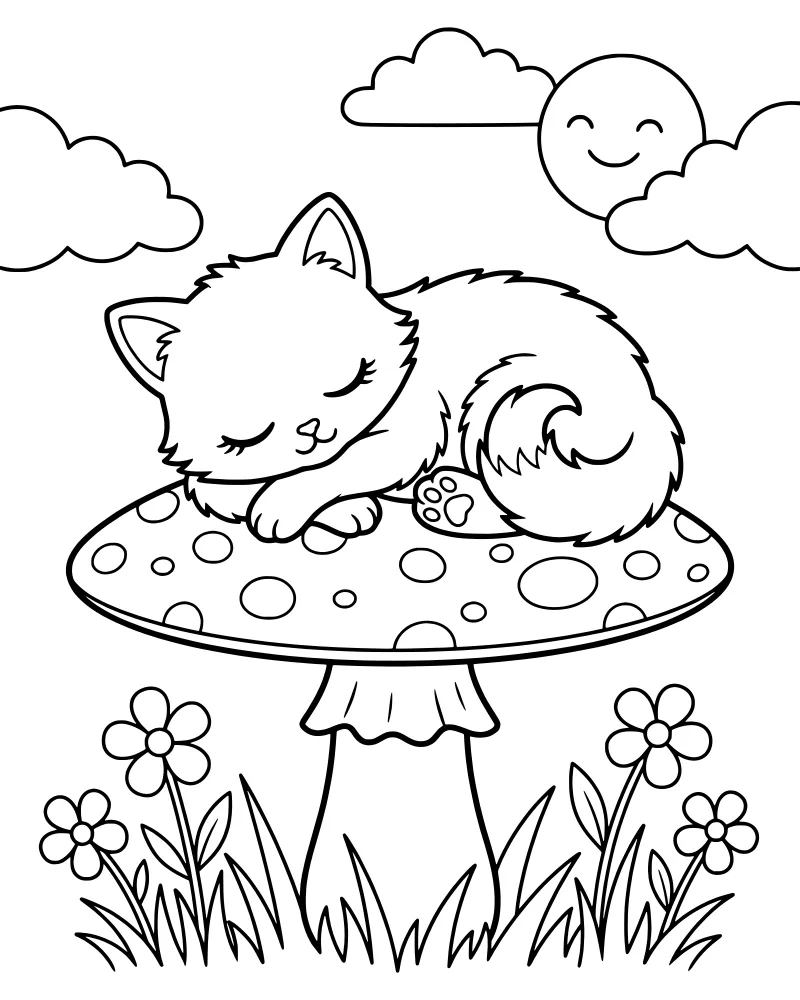
Kitten Sleeping on a Giant Mushroom
Animals

Whimsical Squirrel Napping in Mushroom Hammock
Animals
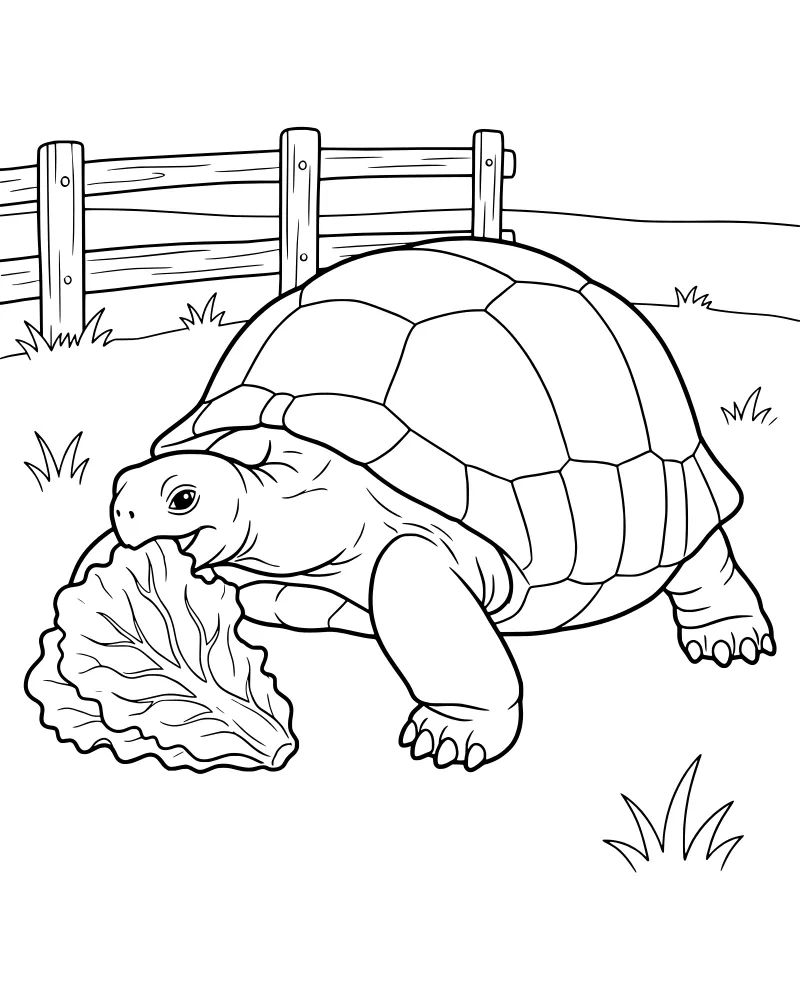
Hungry Little Tortoise Snack Time
Animals
Happy Hippopotamus Swimming Underwater
Animals
Cozy Owl and Bunny Slipper
Animals
Gardening Owl with Watering Can
Animals

Cute Owl in a Heart Coffee Cup
Animals