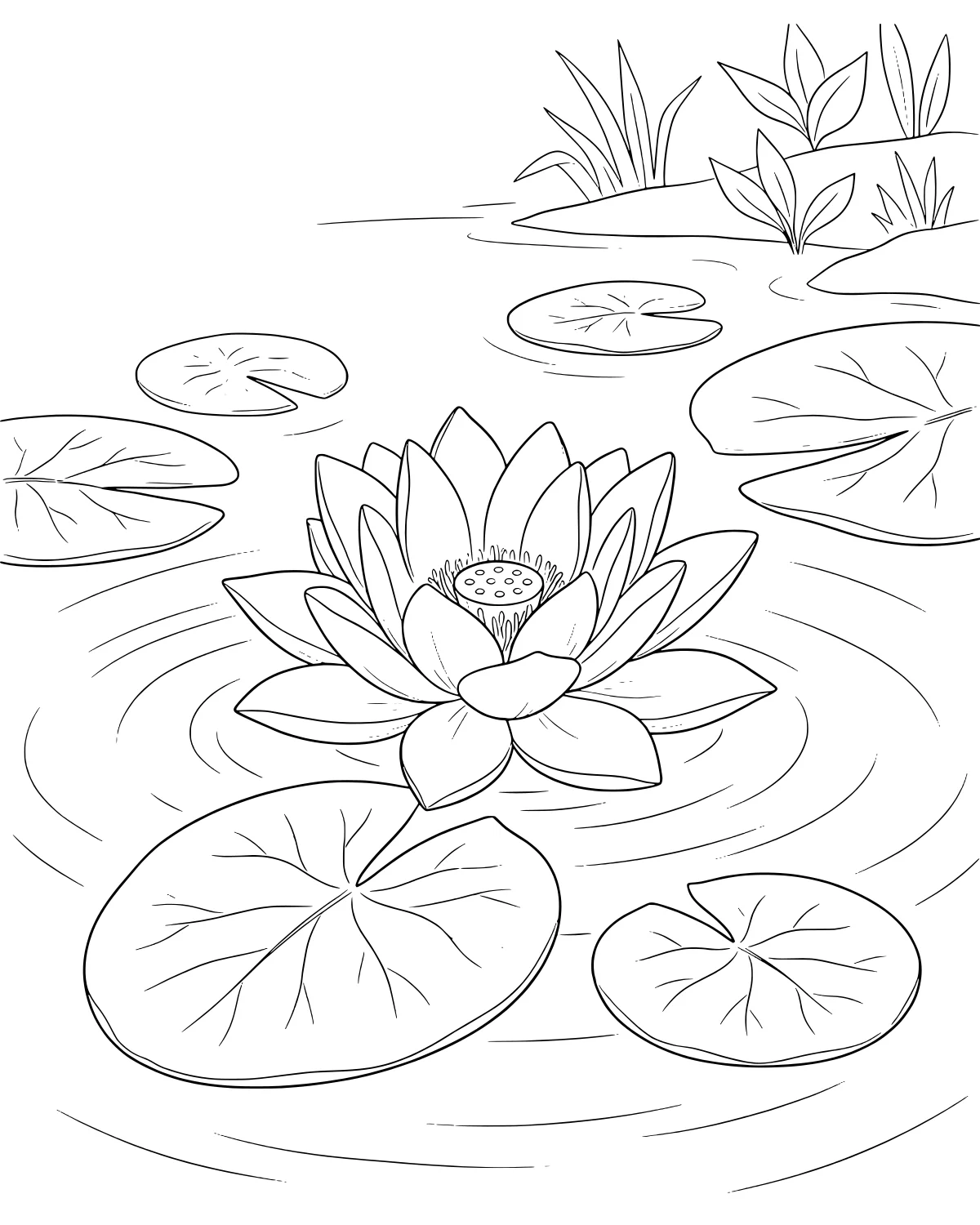
This peaceful scene captures the quiet beauty of a hidden pond. At the center of the image, a magnificent water lily flower stands in full bloom, its delicate petals reaching out toward the sun. It is a wonderful subject for anyone who enjoys the calming patterns found in nature.
Surrounding the main flower are several large lily pads floating effortlessly on the surface. The water is marked by soft, circular ripples that suggest a gentle breeze or perhaps a small fish moving beneath the surface. This artwork invites you to slow down and enjoy the simple elegance of a botanical landscape.
Color Palette Ideas
What's In This Picture
As you look across this scene, you will notice the intricate details of the water lily petals and its bright center. The lily pads vary in size, creating a sense of depth as they lead your eye toward the background. Each pad has its own unique shape and some even show the small notches typical of these aquatic plants.
Moving toward the edge of the pond, you can see the shoreline where tall reeds and patches of grass grow. These elements frame the water and provide a nice contrast to the soft, circular shapes in the middle of the pond. The gentle ripples in the water connect all these pieces together, making the whole environment feel alive and fluid.
Coloring Tips
To make the water lily really stand out, you might consider using soft pinks, purples, or even a bright yellow for the center. For the lily pads, using different shades of green can help distinguish them from one another. You could use a deep forest green for the pads in the foreground and a lighter, lime green for those further away.
When coloring the water, try using a very light touch with your blue or teal pencils. Leaving some white space near the ripples can give the appearance of sunlight reflecting off the surface. For the reeds and grass along the shoreline, earthy tones like olive green and tan will help create a natural look that complements the brighter colors of the flower.
Did You Know?
Did you know that water lilies are not just beautiful to look at? They actually help keep ponds healthy by providing shade that keeps the water cool and prevents too much algae from growing. Some water lilies only open their petals during the day, while others are night-bloomers that only show their colors under the moonlight.
Try This!
After you finish coloring the scene, you could draw a small frog resting on one of the lily pads or a dragonfly hovering near the reeds. You might also try to write a short poem about what it would feel like to sit by this quiet pond on a warm summer afternoon.
Frequently Asked Questions
What colors should I use for the water lily?
How do I make the water look realistic?
Are the reeds in the background supposed to be green?
Popular Collections



Animal Coloring Pages
Animals bring a special kind of life to any art project. Whether you love the quiet of a deep forest...

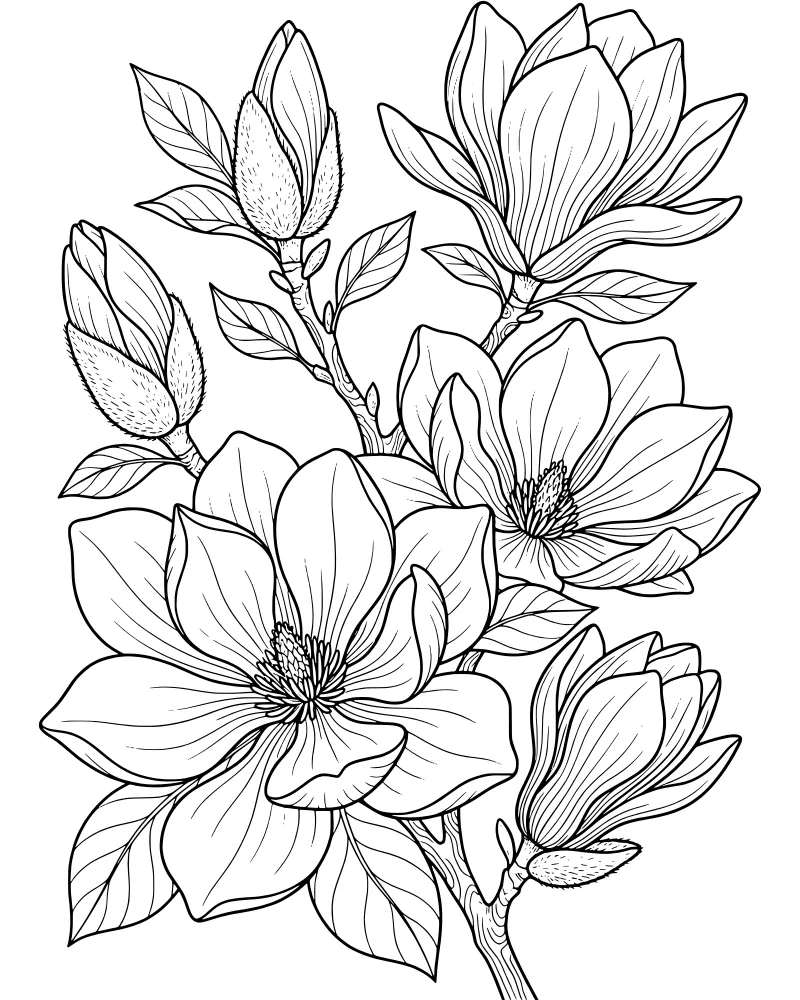
Spring Coloring Pages
As the frost melts away and the first green shoots poke through the soil, we welcome the vibrant ene...
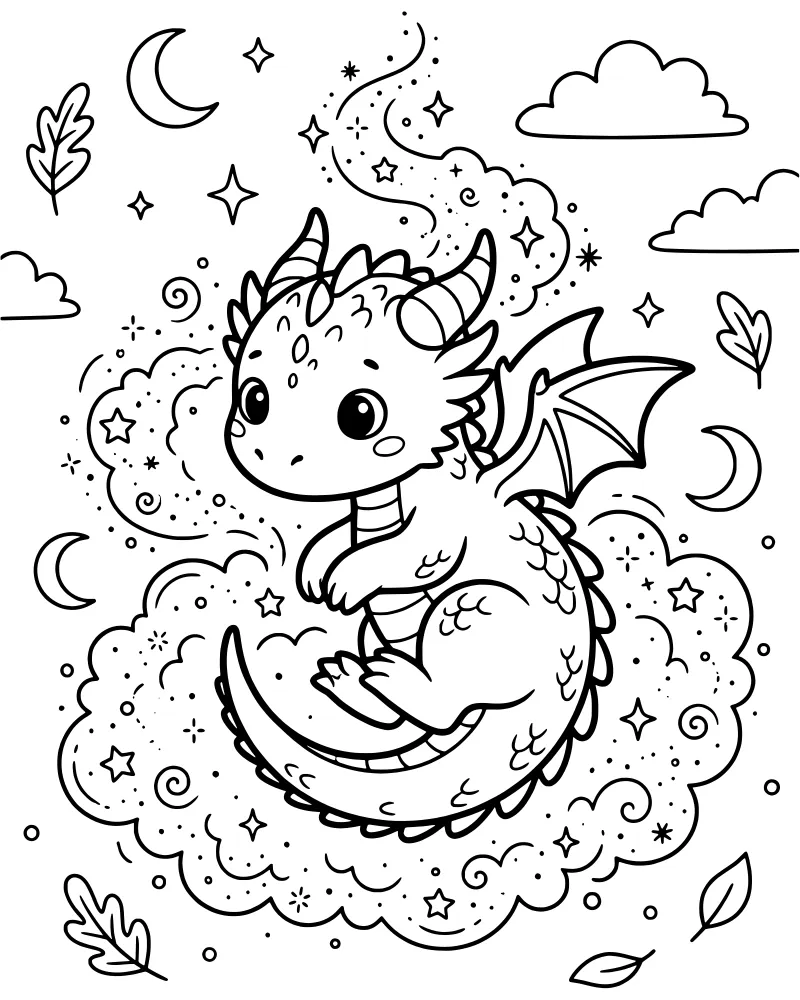

Cute Coloring Pages
Finding something charming and sweet to color is one of the quickest ways to brighten a rainy aftern...



Kawaii Coloring Pages
Kawaii is more than just a word for cute; it is a whole aesthetic that celebrates the joy in the sma...
You Might Also Like

Whimsical Garden Inside a Light Bulb
Nature & Outdoors
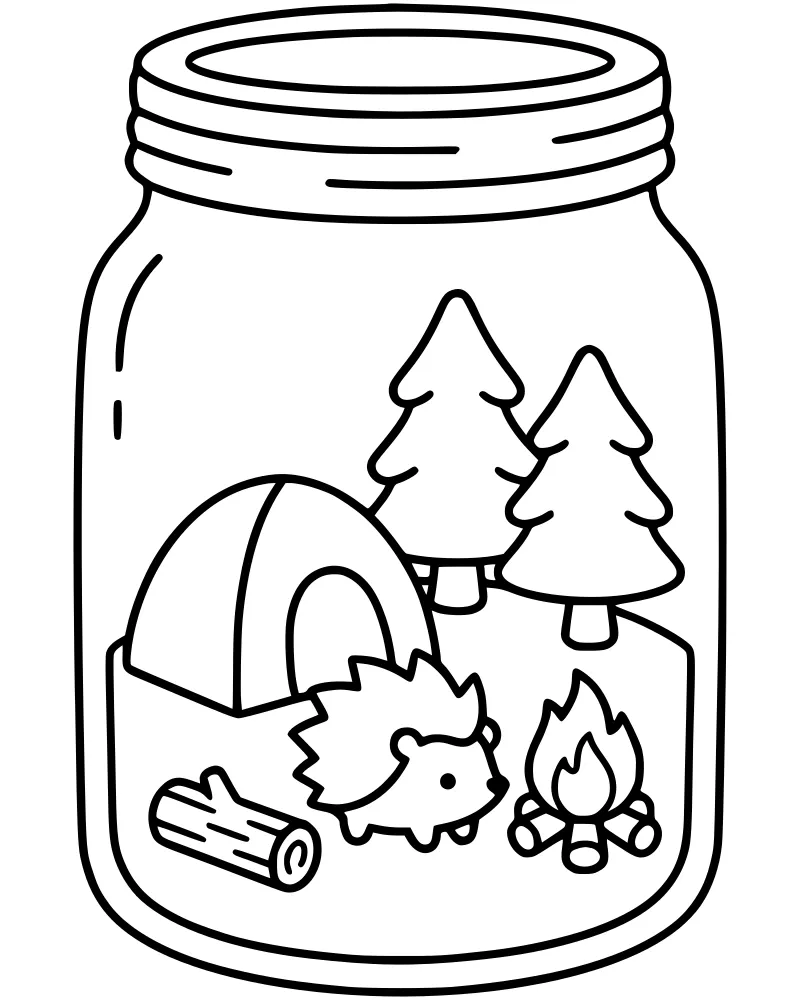
Cozy Hedgehog Camping in a Jar
Nature & Outdoors
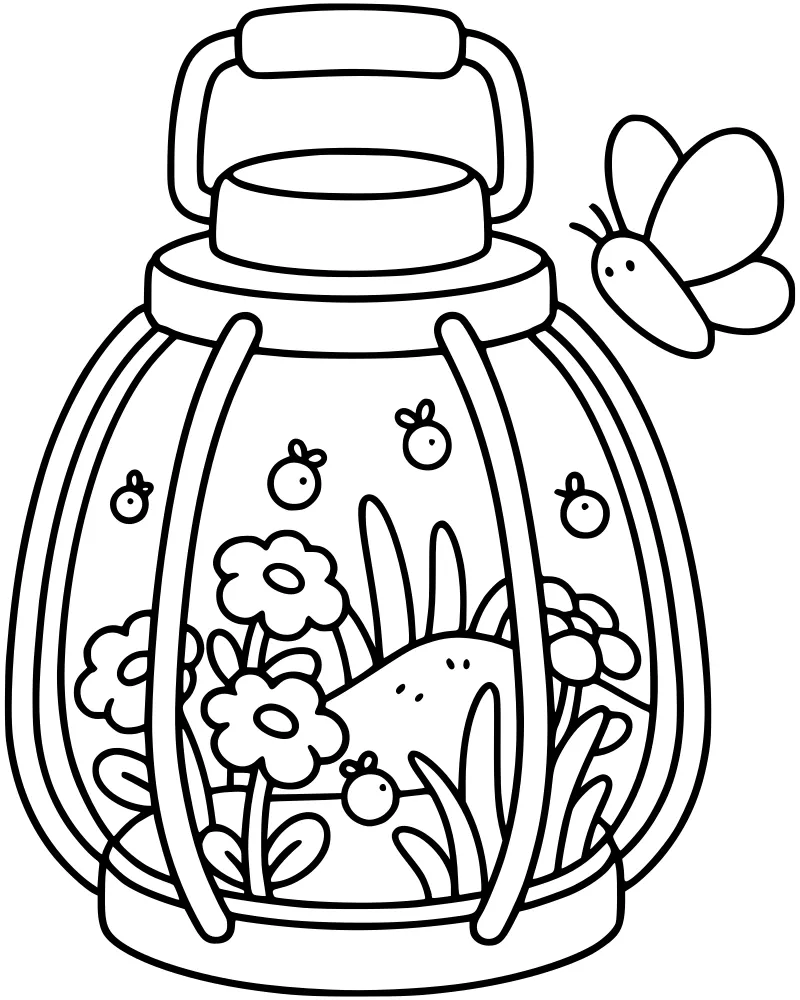
Whimsical Garden Lantern with Butterfly
Nature & Outdoors

Desert Sun Hourglass Adventure
Nature & Outdoors
Majestic Rainbow Canyon and River
Nature & Outdoors
Hummingbird and Tropical Hibiscus Bloom
Nature & Outdoors
Sunny Beach Day and Sandcastle Fun
Nature & Outdoors

Whimsical Autumn Scarecrow and Rainbow Scene
Nature & Outdoors