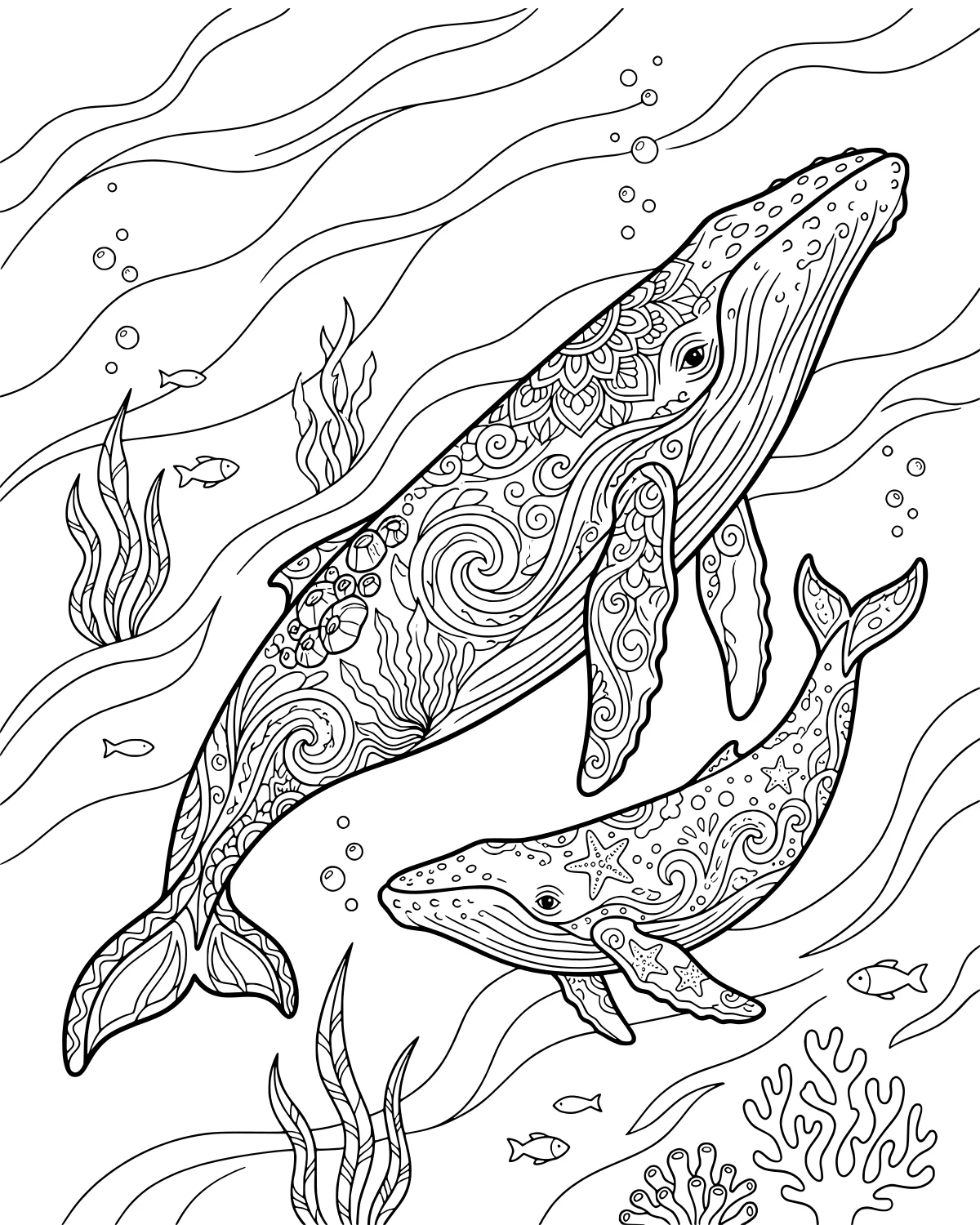
This scene captures a gentle moment between a large whale and a small whale as they travel through a peaceful ocean landscape. It is a wonderful choice for anyone who enjoys adding detail and texture to their work. The intricate patterns on their bodies make the subjects stand out against the flowing environment.
The setting feels both magical and grounded in the beauty of the natural world. As the mother guides her calf past vibrant sea life, you can almost feel the slow, rhythmic movement of the water. This page offers a serene experience for those who appreciate the majesty of the sea.
Color Palette Ideas
What's In This Picture
As you look at the page, you will find a massive whale swimming alongside a smaller one, both covered in ornate designs and swirls. Below them, the ocean floor is filled with textured seaweed and branching coral that provides a home for several small fish. A tiny starfish rests near the bottom, adding a small detail to the seafloor.
Delicate bubbles drift upward toward the surface, creating a sense of vertical movement in the water. Every corner of the image contains small details, from the patterns on the whales' fins to the tiny scales on the fish. The dense line work ensures that there is always something new to discover as you work your way through the scene.
Coloring Tips
Because the line work is quite dense, using fine-tipped markers or sharpened colored pencils will help you stay within the small patterns. You might try using shades of deep blue and teal for the ocean water to create a sense of depth. Choosing bright, contrasting colors like orange or pink for the coral and starfish will make the background elements pop against the blue water.
Blending different shades of grey or blue on the whales can give them a sense of volume and make their ornate patterns look three-dimensional. For a special effect, you could leave the bubbles uncolored or use a very light silver or pale blue to make them appear translucent. Taking your time with the smaller fish will add a nice variety of color to the middle of the page.
Did You Know?
Blue whales are the largest animals to ever live on Earth, even bigger than the largest dinosaurs. Despite their massive size, they mostly eat tiny shrimp-like creatures called krill. Baby whales, called calves, stay very close to their mothers for a long time to learn how to navigate the vast oceans and find food.
Try This!
After finishing the page, you could try to identify the different types of coral or research what kind of fish live near whale migration routes. You might also enjoy writing a short story about where this whale family is traveling on their long journey across the sea and what other creatures they might meet along the way.
Frequently Asked Questions
What tools are best for the small details on the whales?
What colors should I use for the water?
How can I make the whales look like they are glowing?
Popular Collections
Spring Coloring Pages
As the frost melts away and the first green shoots poke through the soil, we welcome the vibrant ene...

Cute Coloring Pages
Finding something charming and sweet to color is one of the quickest ways to brighten a rainy aftern...

Kawaii Coloring Pages
Kawaii is more than just a word for cute; it is a whole aesthetic that celebrates the joy in the sma...

Funny Coloring Pages
Laughter is a wonderful part of childhood, and our collection of Funny Coloring Pages is designed to...
You Might Also Like
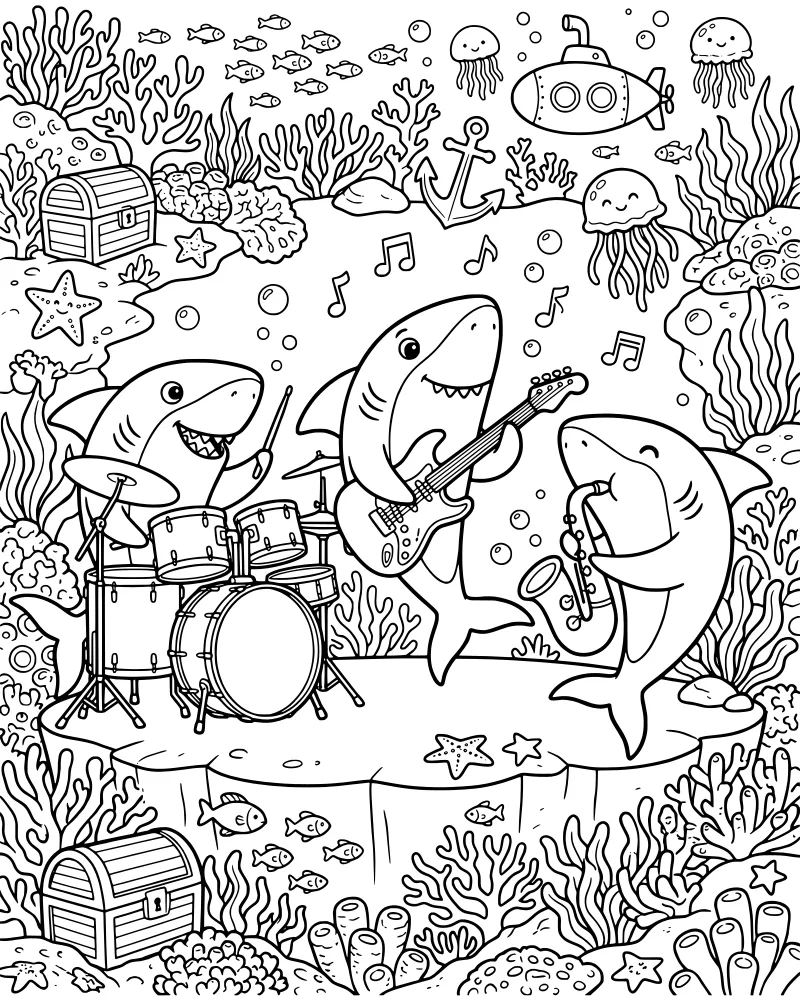
Shark Rock Band Underwater Concert
Ocean & Sea Life
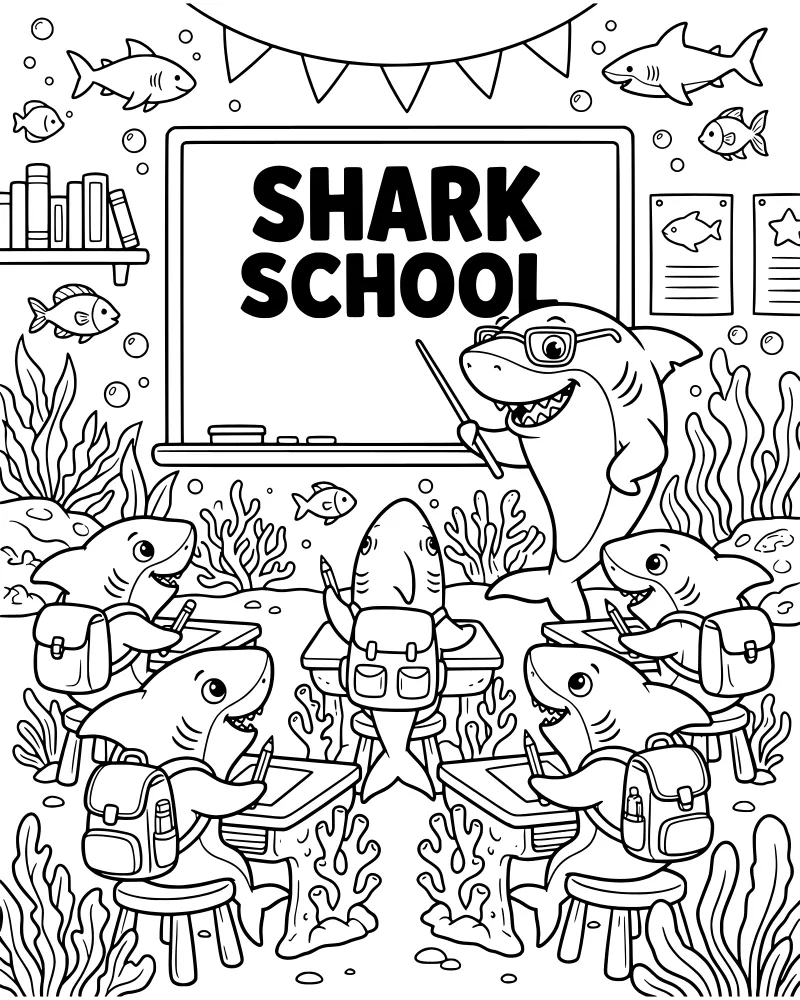
Underwater Shark School Classroom
Ocean & Sea Life
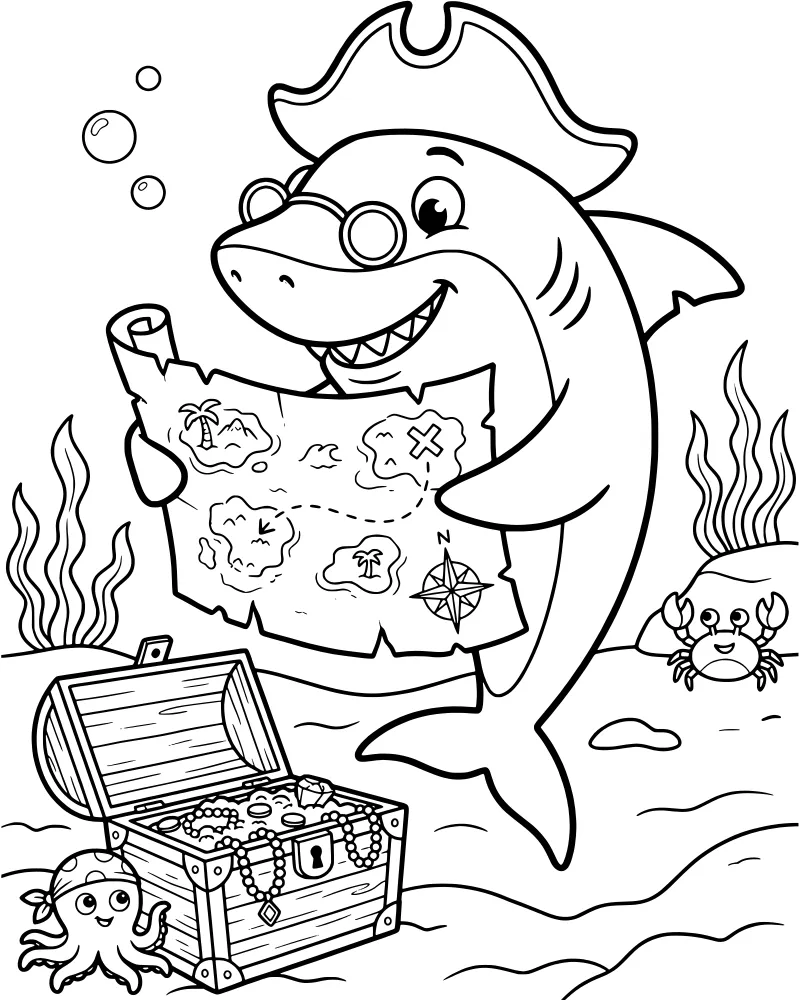
Pirate Shark and Hidden Treasure
Ocean & Sea Life
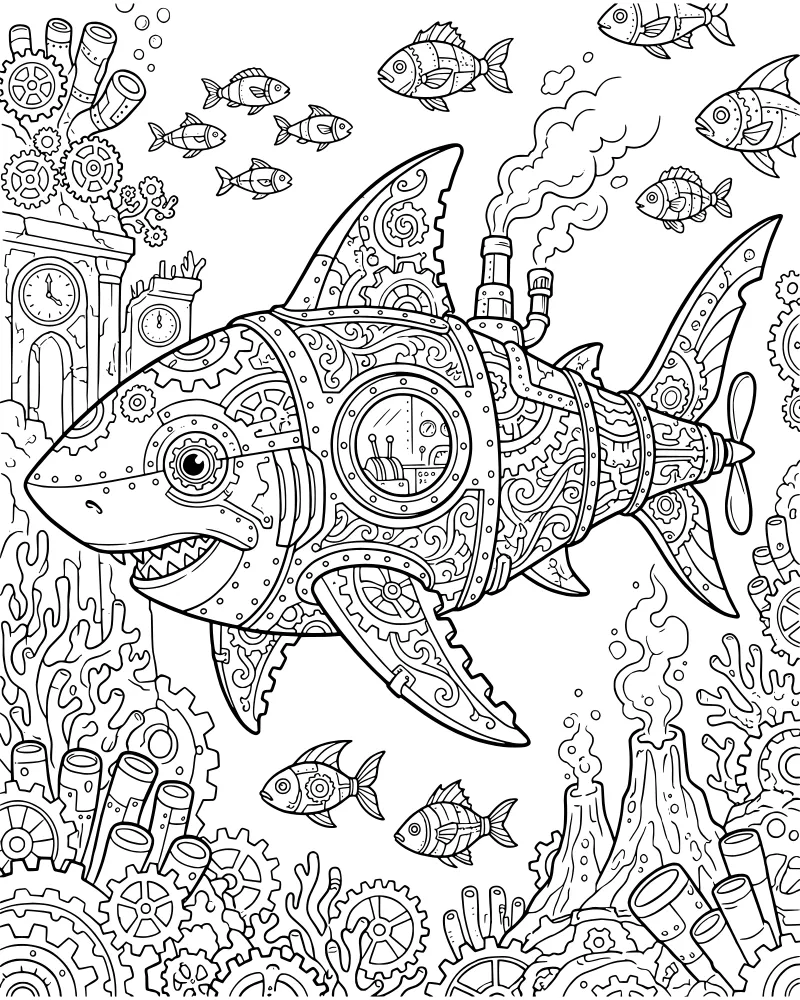
Mechanical Shark Under the Sea
Ocean & Sea Life
Scuba Diver and Shark Treasure Hunt
Ocean & Sea Life
Mermaid Celebrating with Shell Balloons
Ocean & Sea Life
Children Building Epic Sandcastles at the Beach
Ocean & Sea Life
Scuba Diver Exploring Sunken Shipwreck Treasure
Ocean & Sea Life