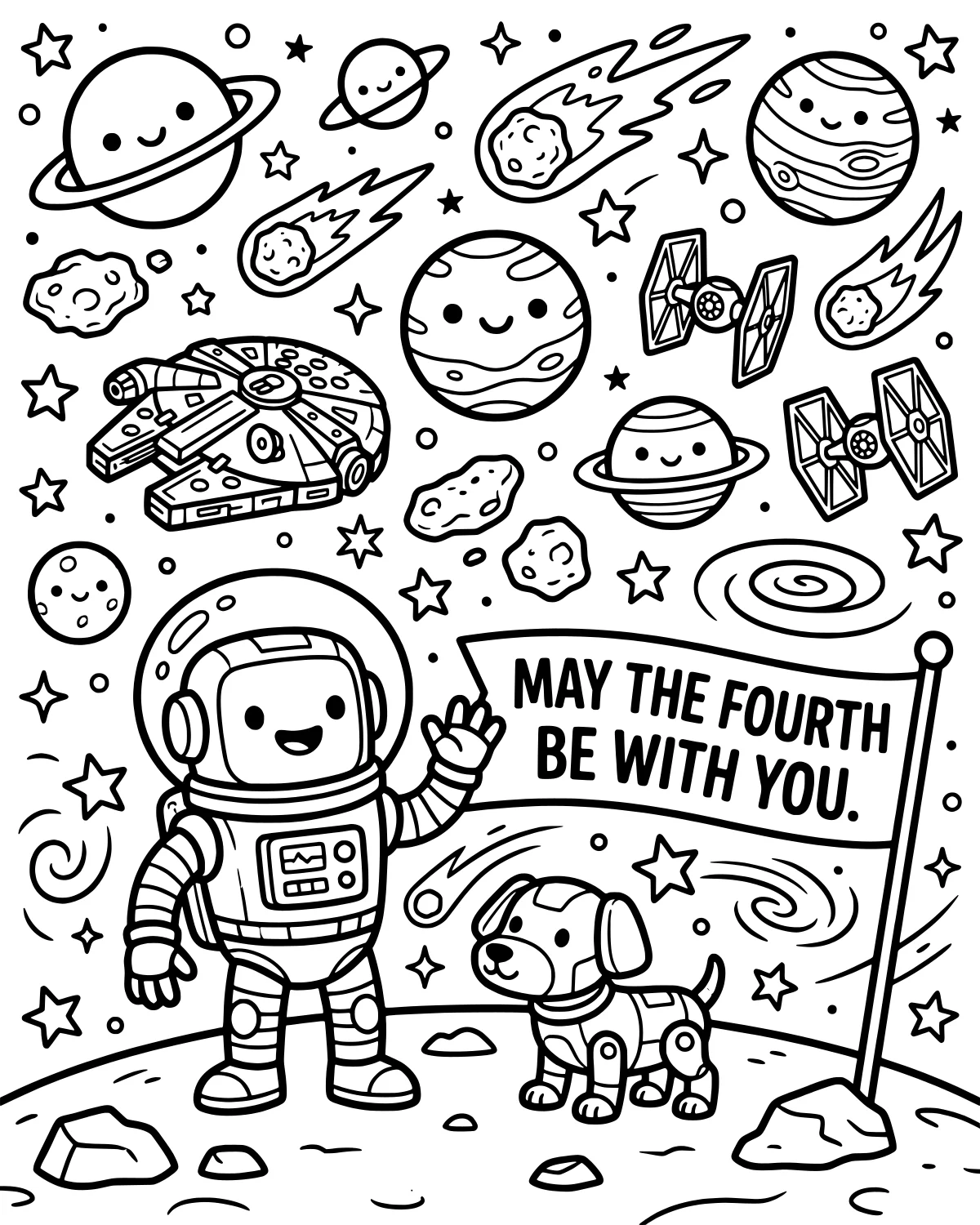
This delightful scene features a brave astronaut and their loyal dog standing on the surface of a distant, rocky moon. It captures the excitement of exploring the unknown reaches of the galaxy. You can see the duo proudly planting a flag as they look out at a sky filled with celestial wonders and iconic spacecraft.
The adventurous mood makes it perfect for anyone who loves science fiction and the mysteries of the stars. With a mix of planets, comets, and swirling galaxies, there is plenty of room to explore different color combinations while bringing this cosmic friendship to life.
Color Palette Ideas
What's In This Picture
As you look across this scene, you will find the astronaut and their dog standing front and center on a cratered, rocky ground. They are holding a flag that marks their discovery. In the background, the sky is teeming with activity, including a large galaxy swirl and several detailed planets of various sizes.
Keep an eye out for familiar ships like the Millennium Falcon and a tie fighter zooming through the stars. You can also spot glowing comets with long tails, jagged asteroids floating nearby, and a variety of twinkling stars scattered throughout the deep space background. Every corner of the page offers a new detail to discover and color.
Coloring Tips
For the astronaut suit, you might choose a classic metallic silver or a bright white, using light blues or grays for the shadows in the folds. The dog can be any color you imagine—perhaps a golden retriever yellow or a spotted pattern to make them stand out against the dark sky. Use vibrant, glowing colors like neon green or hot pink for the comets and the galaxy swirl to create a sense of cosmic energy.
Since there are many small elements like stars and distant ships, using fine-tipped markers or sharpened colored pencils will help you stay within the lines. You can create a sense of depth by coloring the foreground rocks with darker, earthy tones while keeping the distant planets soft and hazy.
Did You Know?
Did you know that some real-life astronauts have actually brought personal items into space to remind them of home? While we haven't sent pet dogs to the moon yet, the very first living creature to orbit the Earth was a dog named Laika. Space exploration helps us learn how to protect our own planet while searching for new worlds among the stars.
Try This!
After you finish coloring, try naming the planets you see in the sky or writing a short story about where the astronaut and dog are heading next. You could also grab some glitter glue to add a shimmering effect to the stars and the tails of the comets for a truly magical galactic look.
Frequently Asked Questions
What colors should I use for the space background?
Are those real spaceships in the drawing?
Is this page good for younger children?
Popular Collections
Animal Coloring Pages
Animals bring a special kind of life to any art project. Whether you love the quiet of a deep forest...
Spring Coloring Pages
As the frost melts away and the first green shoots poke through the soil, we welcome the vibrant ene...
Cute Coloring Pages
Finding something charming and sweet to color is one of the quickest ways to brighten a rainy aftern...


Kawaii Coloring Pages
Kawaii is more than just a word for cute; it is a whole aesthetic that celebrates the joy in the sma...
You Might Also Like
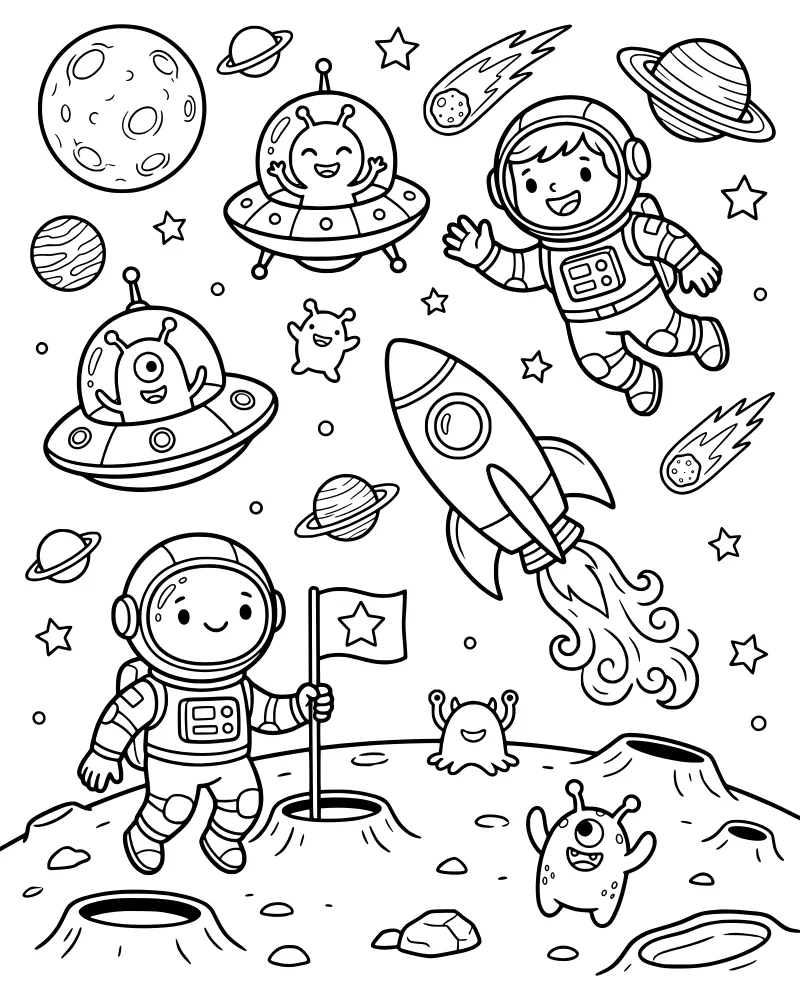
Playful Astronauts and Aliens in Space
Space & Sci-Fi
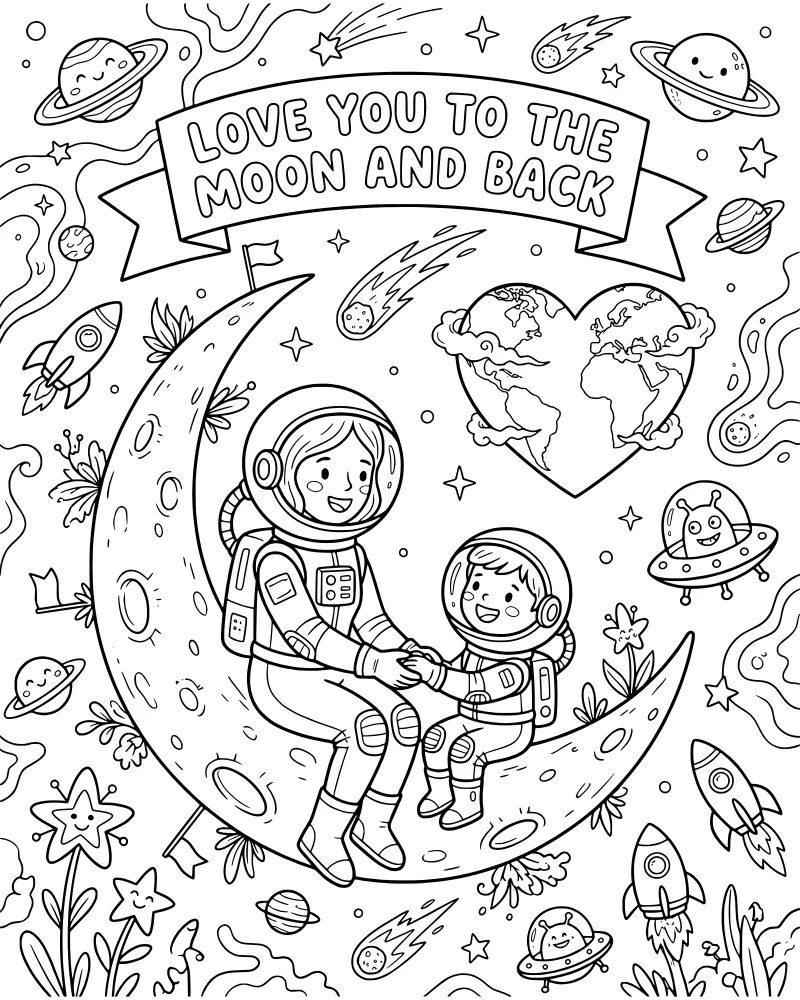
Love You To The Moon And Back Astronauts
Space & Sci-Fi
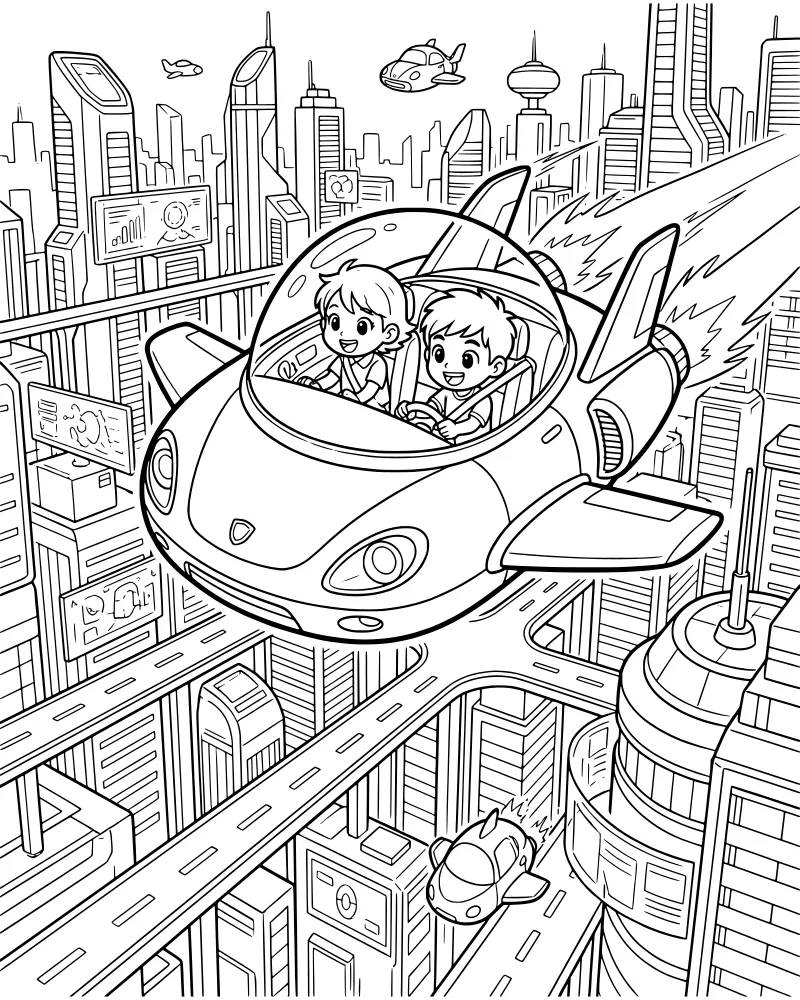
Kids Riding Futuristic Flying Car
Space & Sci-Fi
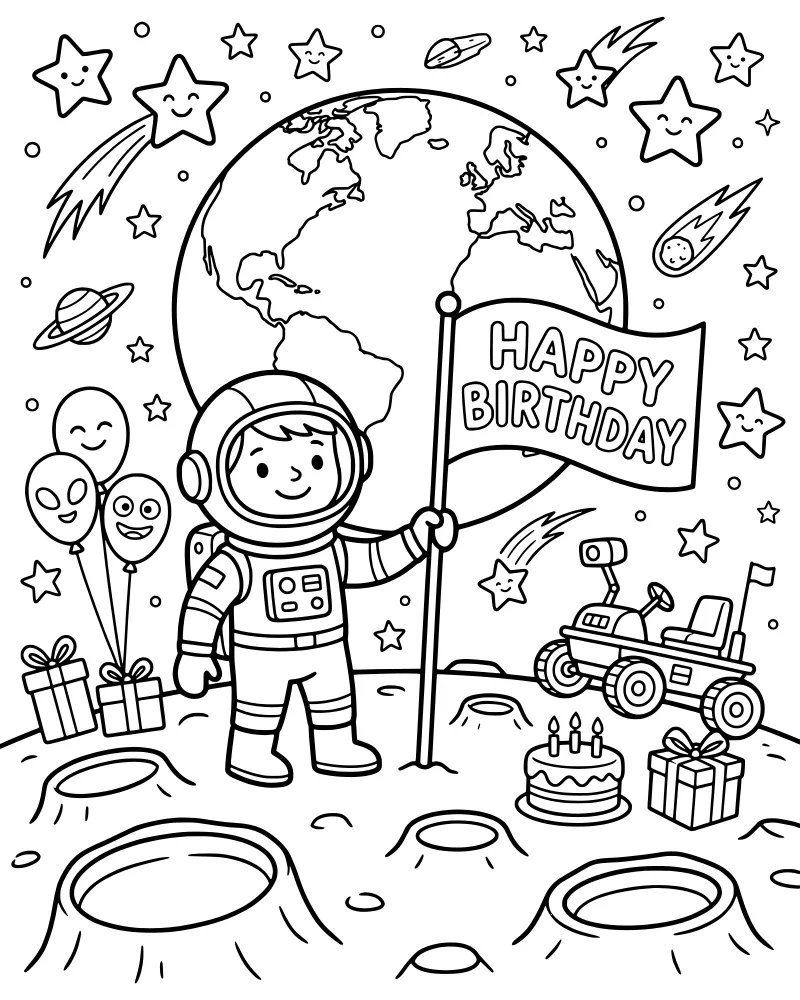
Astronaut Birthday Party on the Moon
Space & Sci-Fi
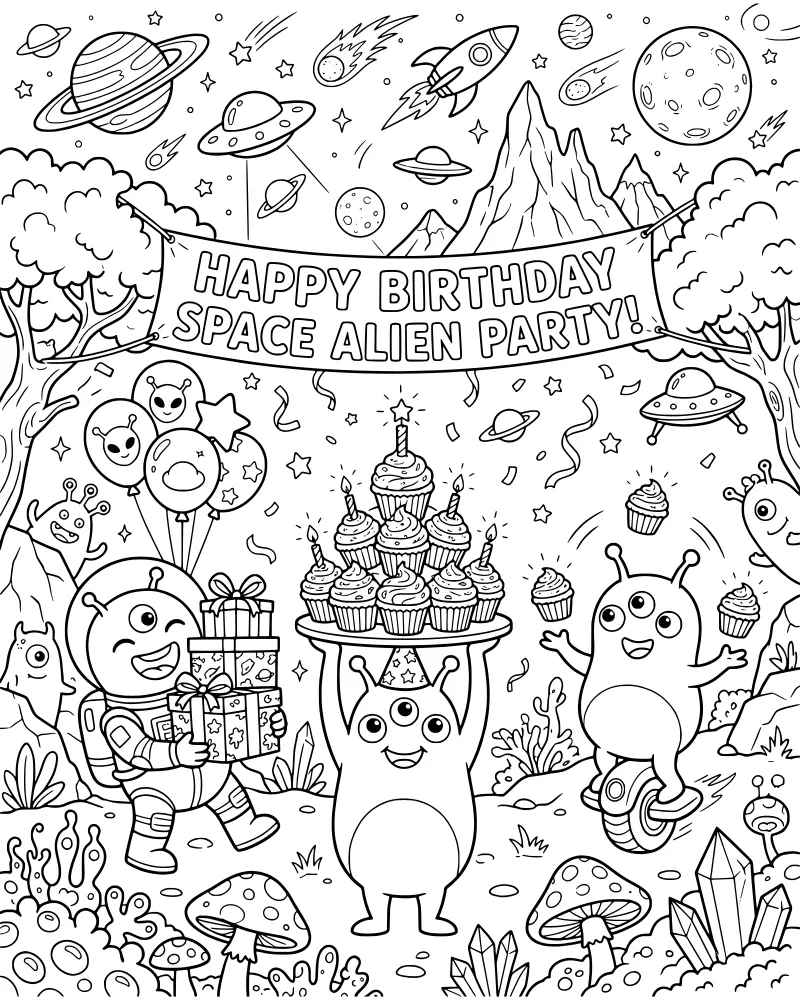
Whimsical Alien Outer Space Birthday Party
Space & Sci-Fi
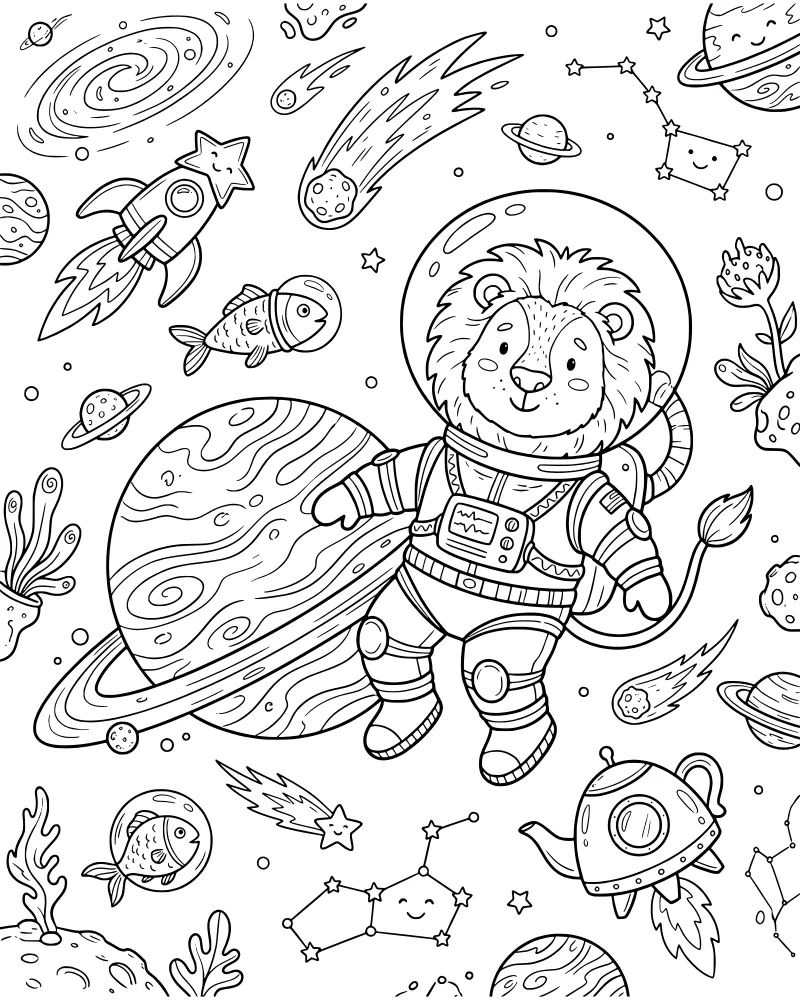
Lion Astronaut Exploring Outer Space
Space & Sci-Fi
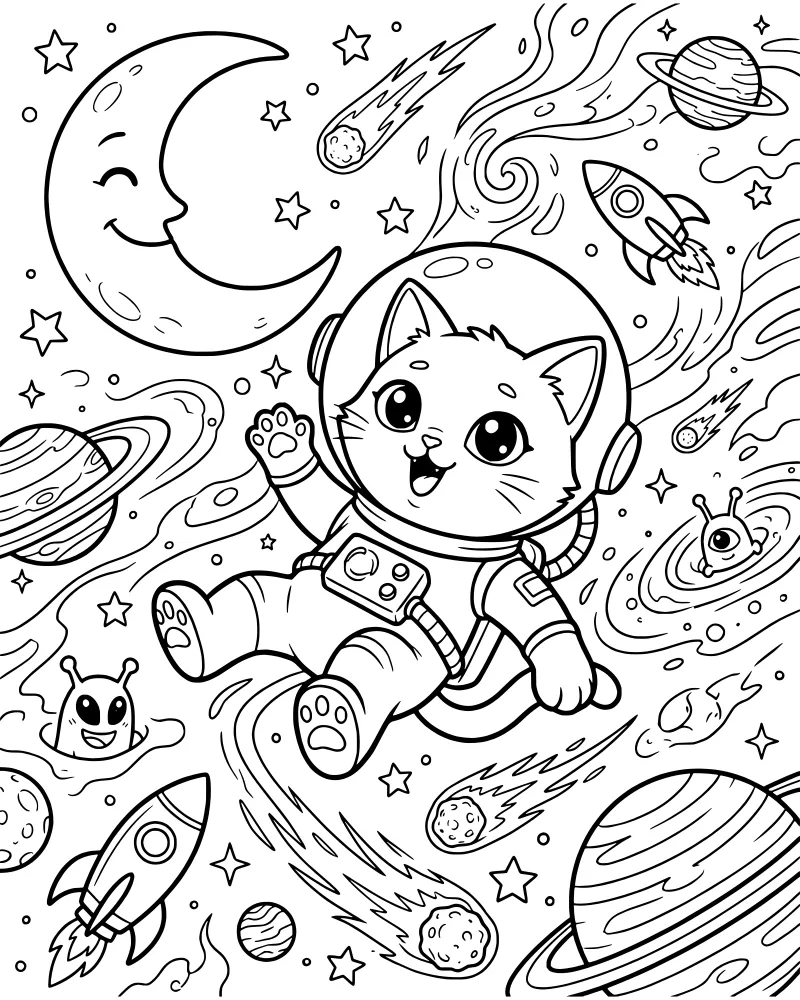
Cat Astronaut Floating in Outer Space
Space & Sci-Fi
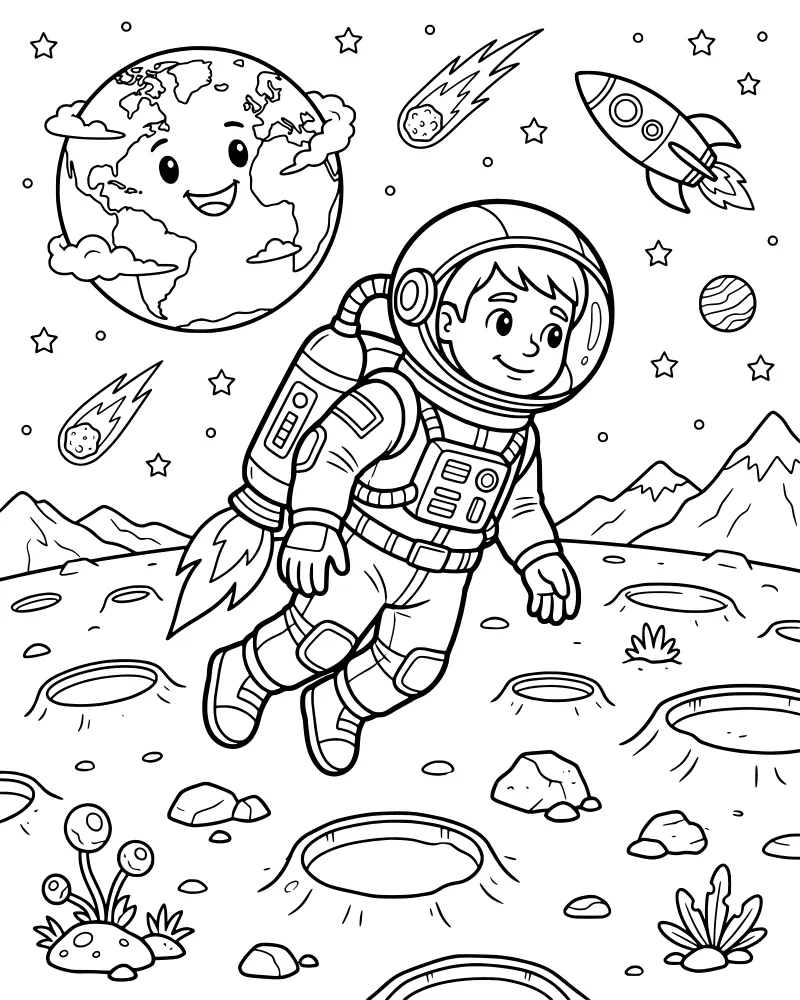
Friendly Astronaut Floating Near Planet Earth
Space & Sci-Fi