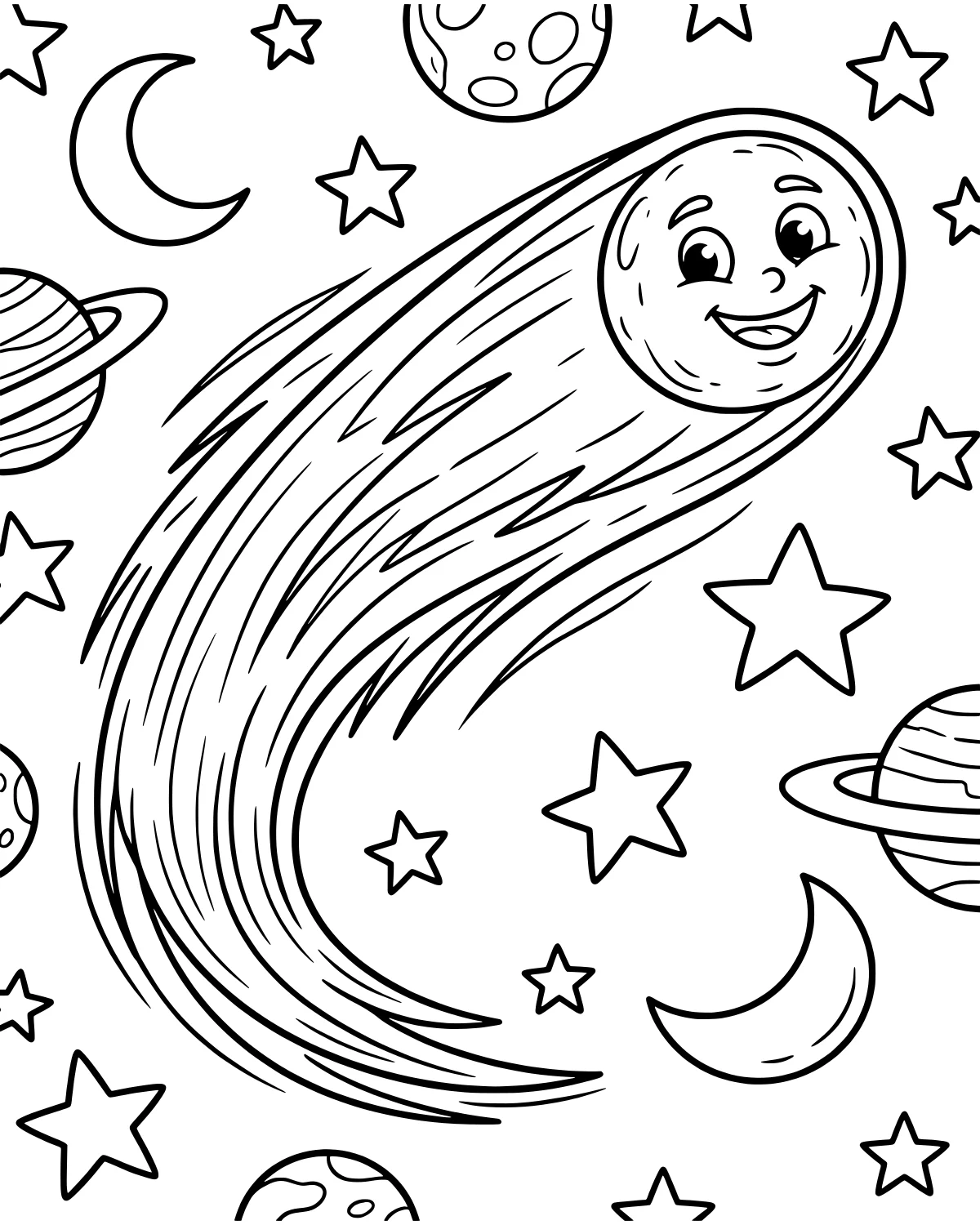
This charming scene brings the wonders of the galaxy to life with a friendly comet leading the way. Its happy face and long, flowing tail suggest a journey full of discovery. Surrounding our comet friend are various celestial bodies, including a ringed planet and a moon covered in craters. This page captures the excitement of exploring the unknown in a way that feels welcoming and fun for young artists. The mix of large shapes and smaller stars creates a balanced composition that is both engaging and relaxing to fill with color.
Color Palette Ideas
What's In This Picture
At the center of the action, you will find a cheerful comet with a smiling face and a tail made of sweeping lines. It seems to be zooming past a large planet that features distinct, wide rings around its middle. Nearby, another planet shows off several circular craters, giving it a rocky texture. A slender crescent moon sits tucked away in the corner, watching over the scene. The entire background is dotted with stars of different sizes, some with five points and others represented by simple circles. Every element has clear, moderate outlines that make it easy to stay within the lines while still offering plenty of detail to explore.
Coloring Tips
Consider using bright, bold colors for the comet to make it stand out as the star of the show. You might try a gradient for its tail, blending from a deep orange to a pale yellow to show movement. For the ringed planet, using contrasting colors for the rings and the planet body can create a striking effect. The cratered planet looks great with earthy tones or even unexpected shades like purple or green. Since the background represents space, you can use a dark blue or purple, leaving the stars bright and vibrant. Using markers for the smaller stars and colored pencils for the larger planets allows for both precision and soft shading.
Did You Know?
Did you know that comets are often called dirty snowballs? They are actually made of ice, dust, and rock. When a comet gets close to the sun, the ice starts to turn into gas, which creates that beautiful long tail we see in the sky. Some comets have tails that are millions of miles long, stretching far across the solar system.
Try This!
After you finish coloring, you can give each of the planets a special name based on its looks. You might also try drawing a small astronaut or a tiny spaceship in the empty spaces between the stars to add your own part to the story. This is a great way to think about what life might be like on a distant world.
Frequently Asked Questions
What colors should I use for a comet?
Is this page good for crayons?
How can I make the stars pop?
Popular Collections

Animal Coloring Pages
Animals bring a special kind of life to any art project. Whether you love the quiet of a deep forest...

Spring Coloring Pages
As the frost melts away and the first green shoots poke through the soil, we welcome the vibrant ene...
Cute Coloring Pages
Finding something charming and sweet to color is one of the quickest ways to brighten a rainy aftern...



Kawaii Coloring Pages
Kawaii is more than just a word for cute; it is a whole aesthetic that celebrates the joy in the sma...
You Might Also Like
Space Traveling Fox Astronaut on Moon
Space & Sci-Fi

Wise Owl Astronaut in Space
Space & Sci-Fi
Astronaut Penguin Exploring Outer Space
Space & Sci-Fi
Capybara Astronaut Floating in Outer Space
Space & Sci-Fi
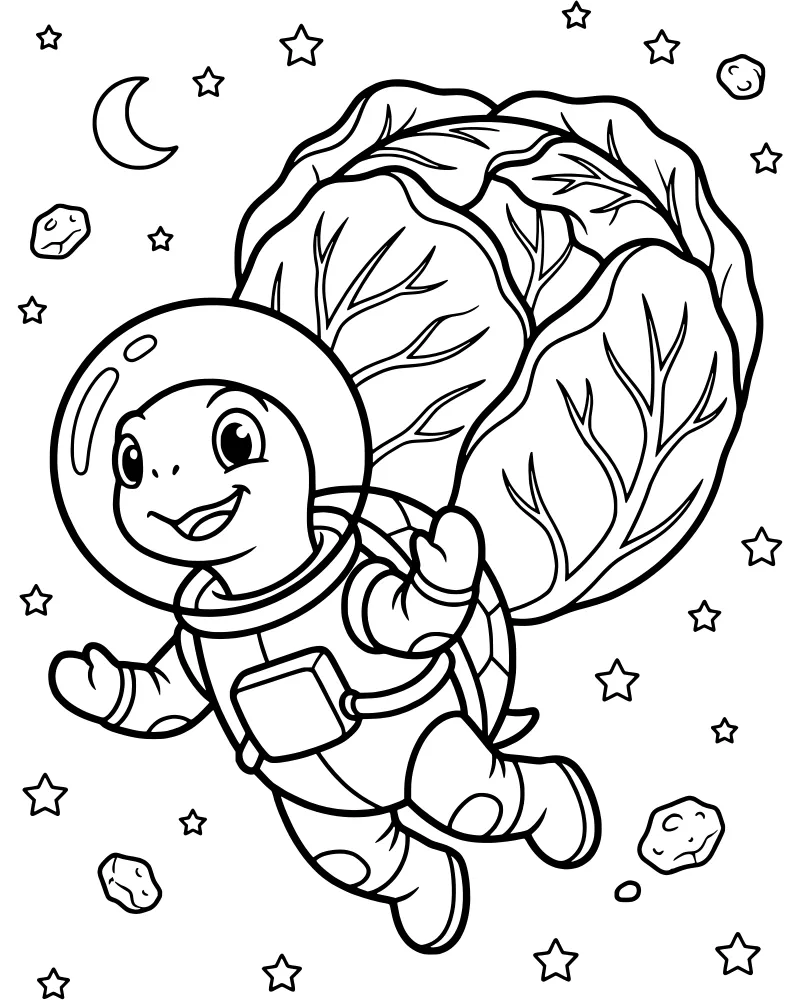
Turtle Astronaut and Floating Cabbage
Space & Sci-Fi
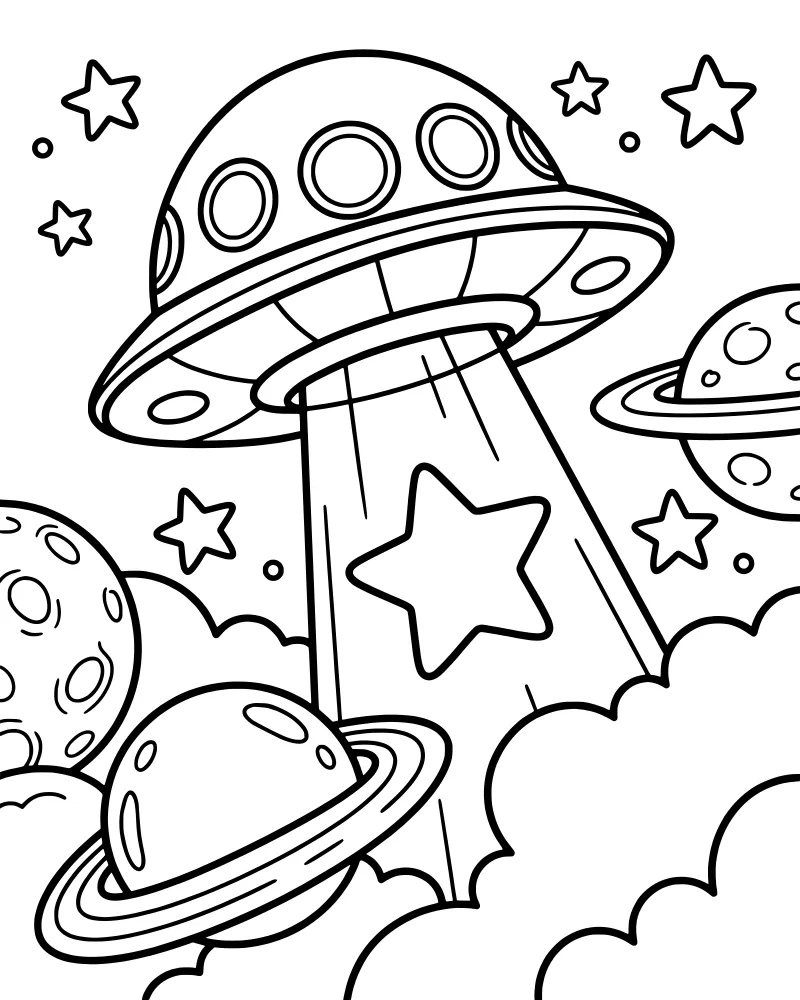
Whimsical Flying Saucer in Outer Space
Space & Sci-Fi
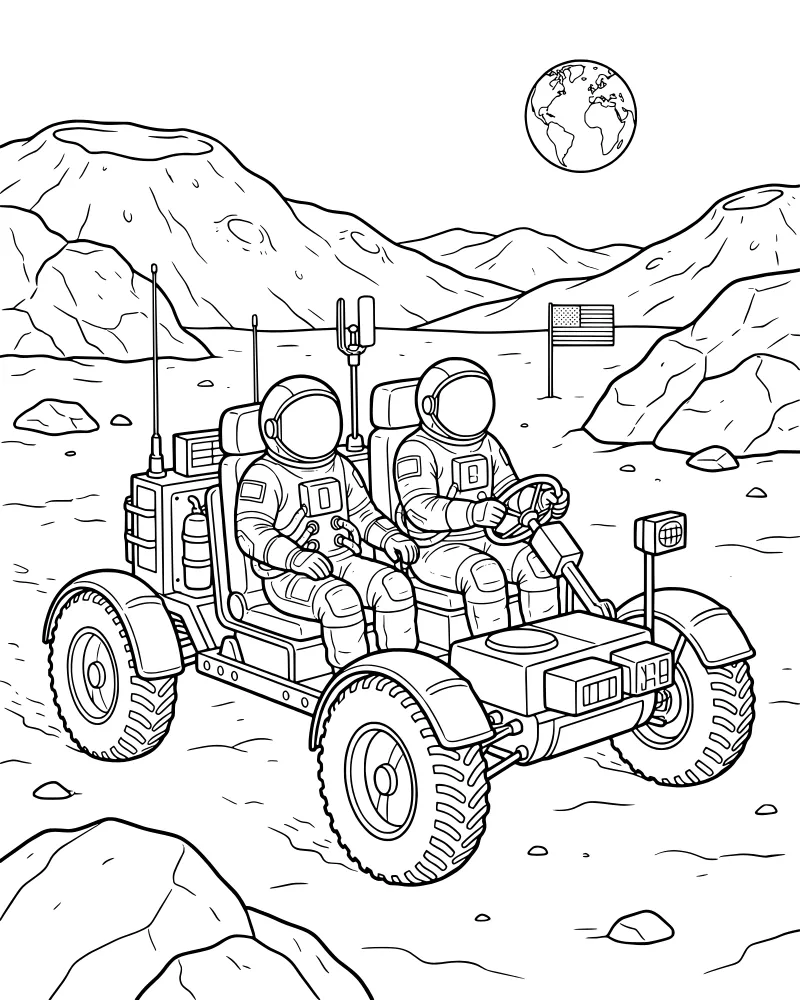
Astronauts Driving Lunar Rover on Moon
Space & Sci-Fi
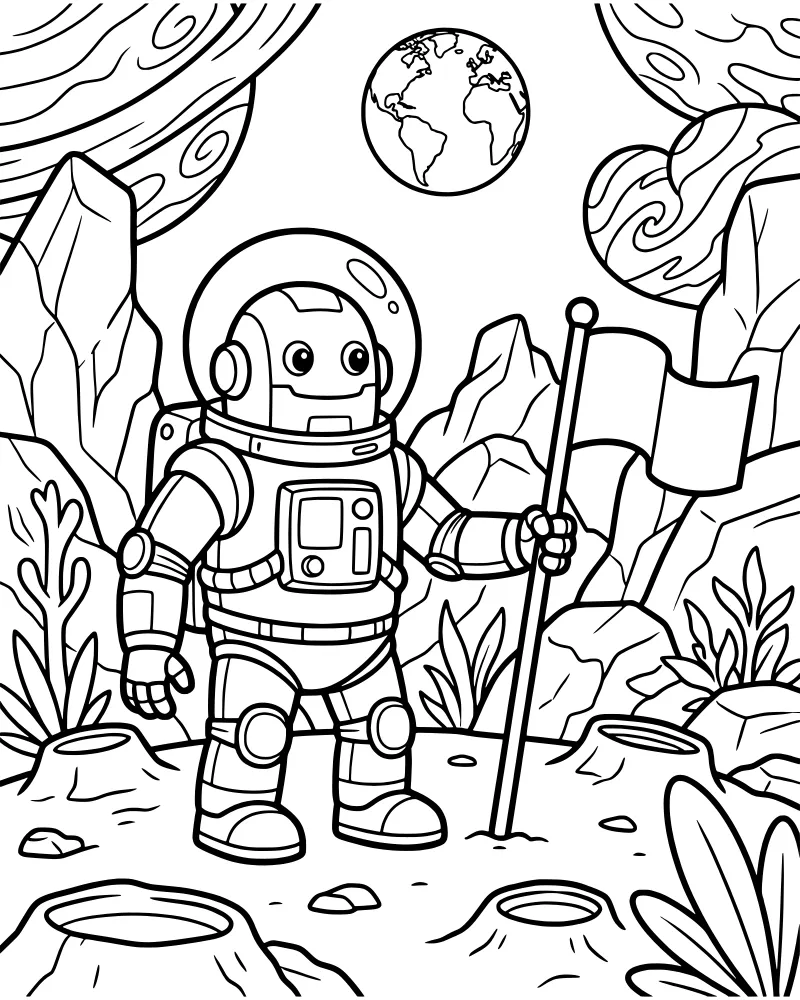
Astronaut Exploring Distant Alien World
Space & Sci-Fi