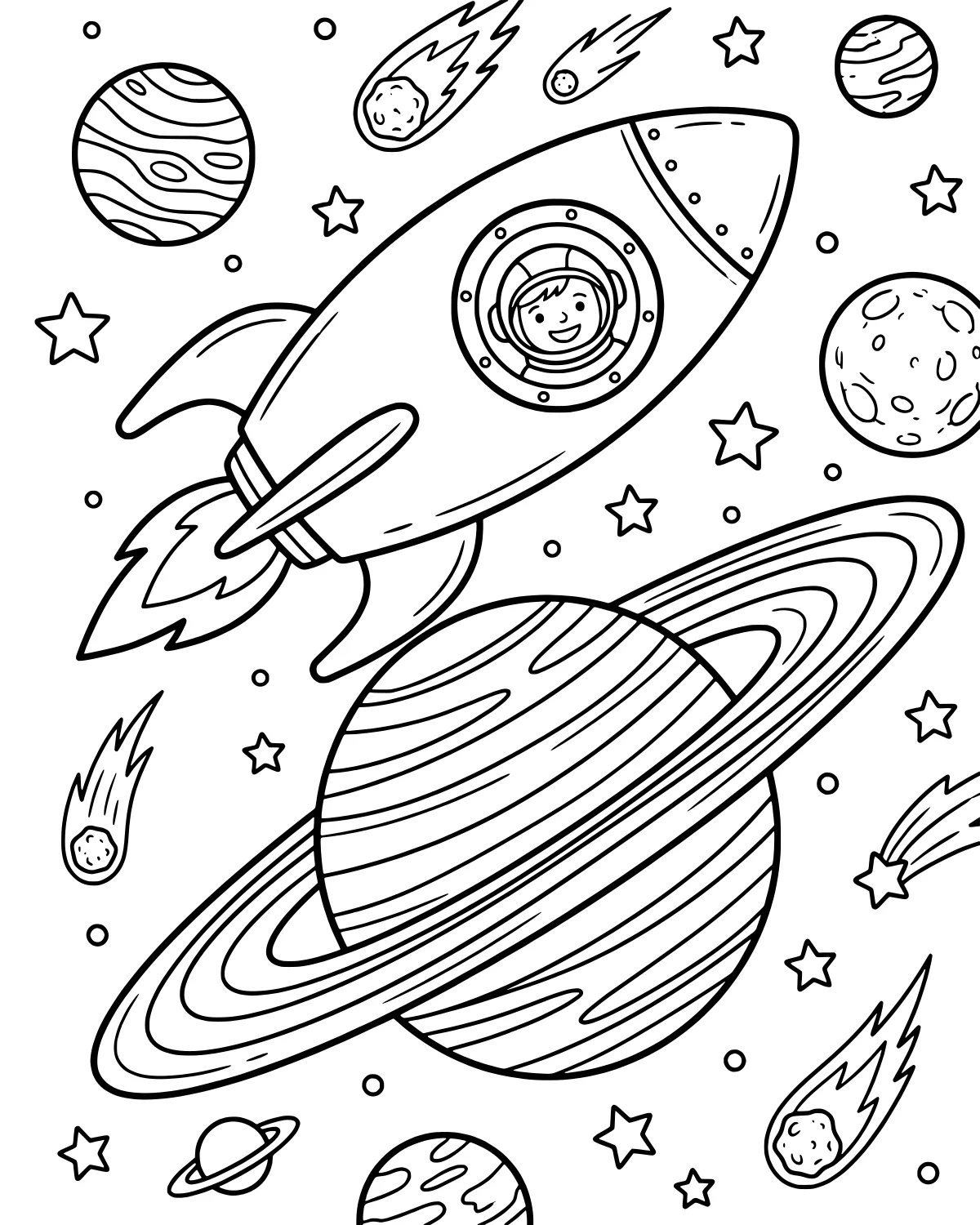
Explore the vast wonders of the universe with this adventurous rocket ship soaring through the stars. This scene captures the excitement of space travel as a brave astronaut peeks out from the cockpit window, ready to discover new worlds. It is a wonderful way to spend a quiet afternoon dreaming about what lies beyond our own sky while filling the page with vibrant colors.
The image is filled with a variety of cosmic objects that make the galaxy feel alive and busy. From the glowing stars scattered in the background to the distant planets waiting to be explored, there is so much to see. This journey is all about curiosity and the thrill of seeing something for the very first time through the lens of a telescope or a spaceship window.
Color Palette Ideas
What's In This Picture
At the center of the page, a sturdy rocket ship with a round window shows a friendly astronaut waving from inside. The rocket is surrounded by several unique celestial bodies, including a magnificent planet with rings and another planet with stripes that look like swirling gas clouds. You will also find a planet with craters, showing its rocky surface, and a smaller solid planet nearby.
Look closely and you will spot a comet streaking across the sky with a long, flowing tail. The background is dotted with bright stars of different sizes and tiny small circles representing distant space dust or far-off suns. Every corner of this galactic scene offers a new detail to color, from the rivets on the spacecraft to the rings circling the giant planet. It is a busy and exciting snapshot of the deep reaches of outer space.
Coloring Tips
For the rocket ship, consider using bright, metallic colors like silver or bold red to make it stand out against the dark background of space. You can use a lighter blue or pale yellow for the window to give it a glass-like appearance. The astronaut inside can have a classic white suit, or you might choose a neon color to make them look like a futuristic explorer from a distant galaxy.
The planets offer a great chance to experiment with blending. Try using shades of orange and brown for the striped planet, or cool blues and purples for the planet with rings. Since space is naturally dark, you could color the background a deep midnight blue or dark purple using a crayon or marker, which will make the bright yellow stars and the glowing tail of the comet really stand out on the page.
Did You Know?
Did you know that some planets, like Saturn, have rings made of billions of pieces of ice and rock? These pieces can be as small as a grain of sand or as big as a house! Also, comets are sometimes called dirty snowballs because they are mostly made of ice, dust, and frozen gases that melt and form a glowing tail when they get close to the sun.
Try This!
After you finish coloring, try naming each of the planets you see in the picture to create your own solar system. You could even draw a line from the rocket ship to the planet you would want to visit first. If you have some silver glitter glue, you can add a little bit to the stars and the comet's tail to make your space scene truly sparkle.
Frequently Asked Questions
What colors should I use for the planets?
How do I make the stars look like they are glowing?
Is this page good for markers?
Popular Collections
Animal Coloring Pages
Animals bring a special kind of life to any art project. Whether you love the quiet of a deep forest...

Spring Coloring Pages
As the frost melts away and the first green shoots poke through the soil, we welcome the vibrant ene...
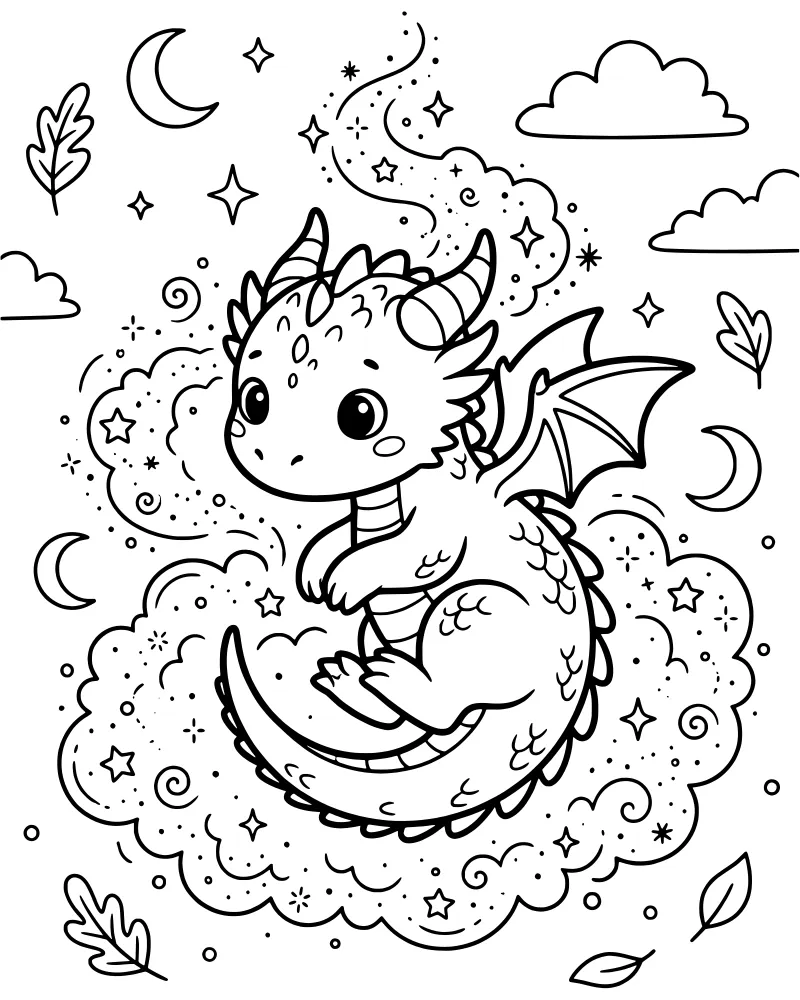

Cute Coloring Pages
Finding something charming and sweet to color is one of the quickest ways to brighten a rainy aftern...
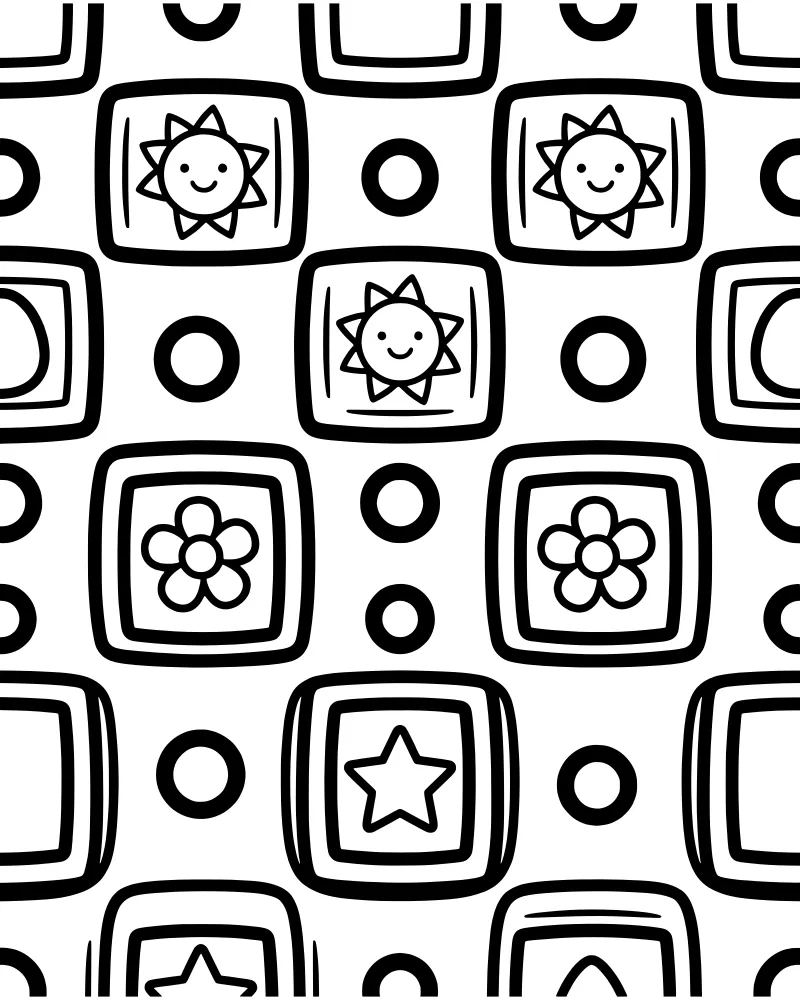


Kawaii Coloring Pages
Kawaii is more than just a word for cute; it is a whole aesthetic that celebrates the joy in the sma...
You Might Also Like
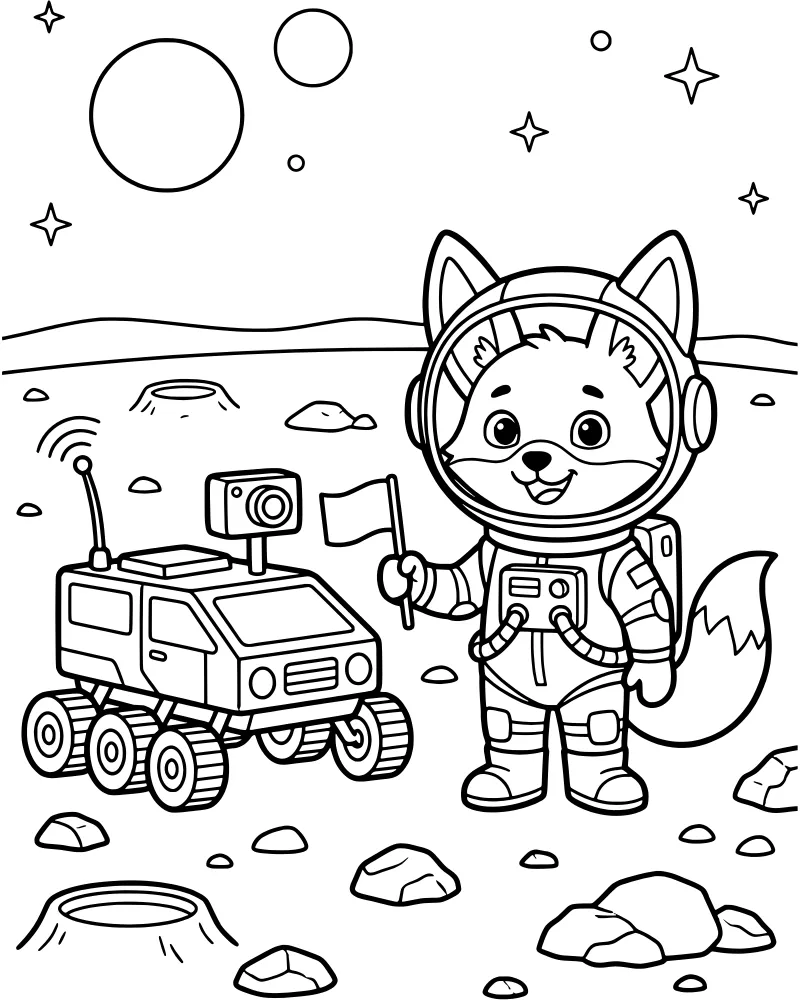
Space Traveling Fox Astronaut on Moon
Space & Sci-Fi
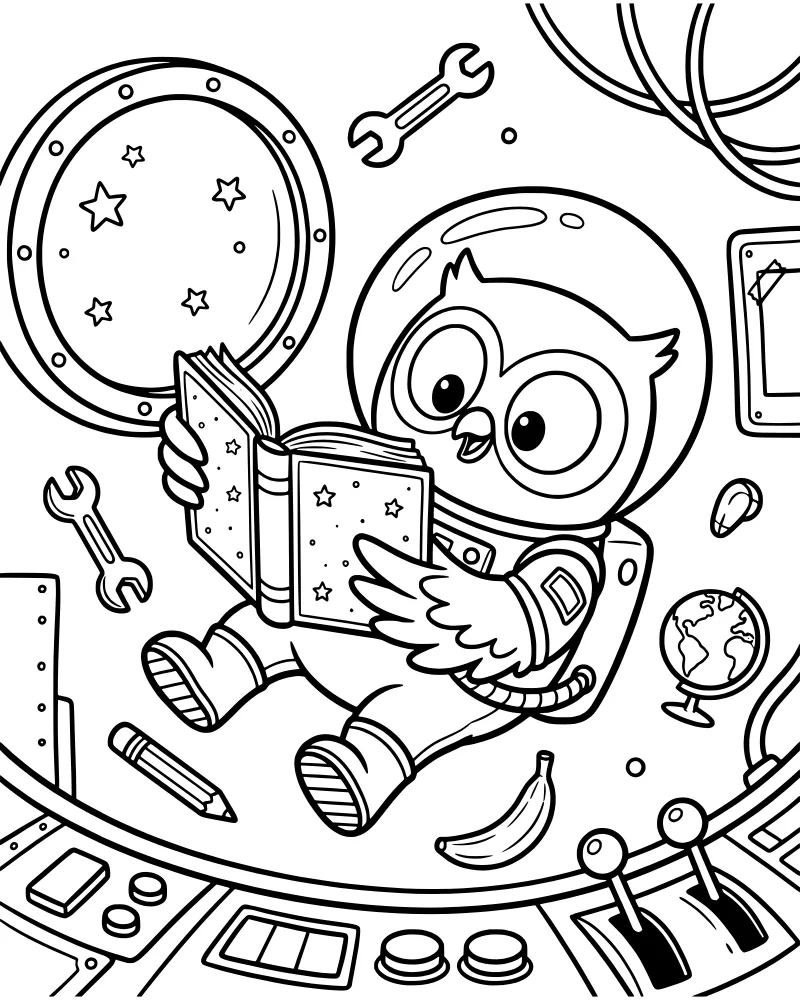
Wise Owl Astronaut in Space
Space & Sci-Fi
Astronaut Penguin Exploring Outer Space
Space & Sci-Fi
Capybara Astronaut Floating in Outer Space
Space & Sci-Fi
Turtle Astronaut and Floating Cabbage
Space & Sci-Fi
Whimsical Flying Saucer in Outer Space
Space & Sci-Fi
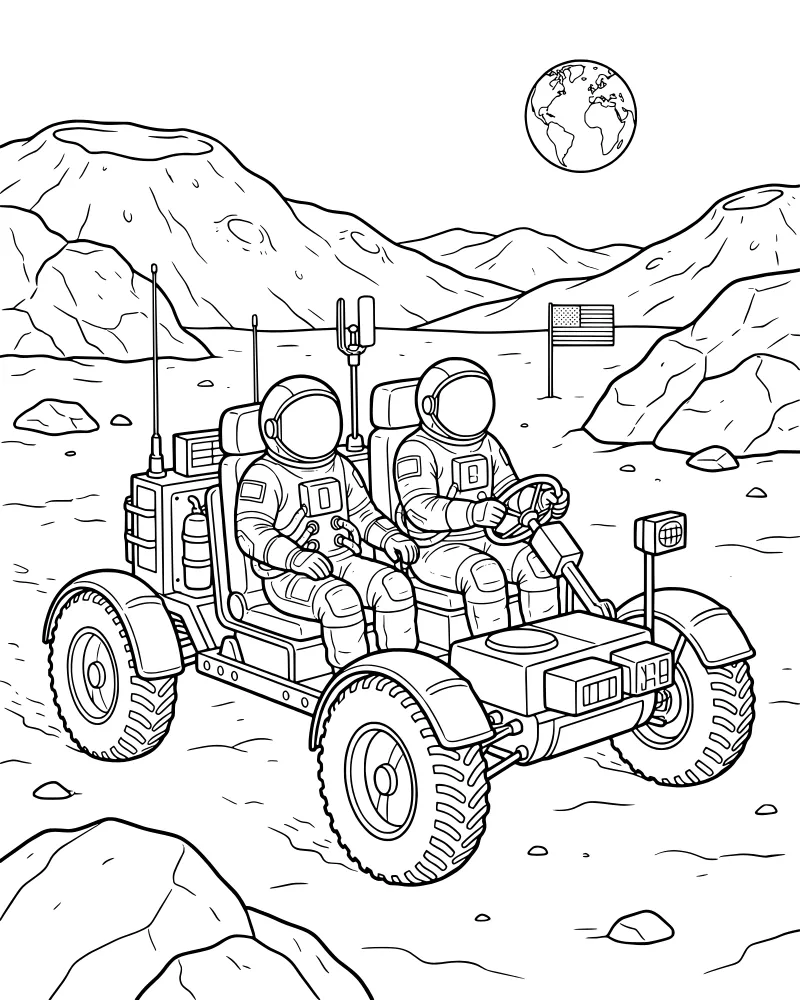
Astronauts Driving Lunar Rover on Moon
Space & Sci-Fi
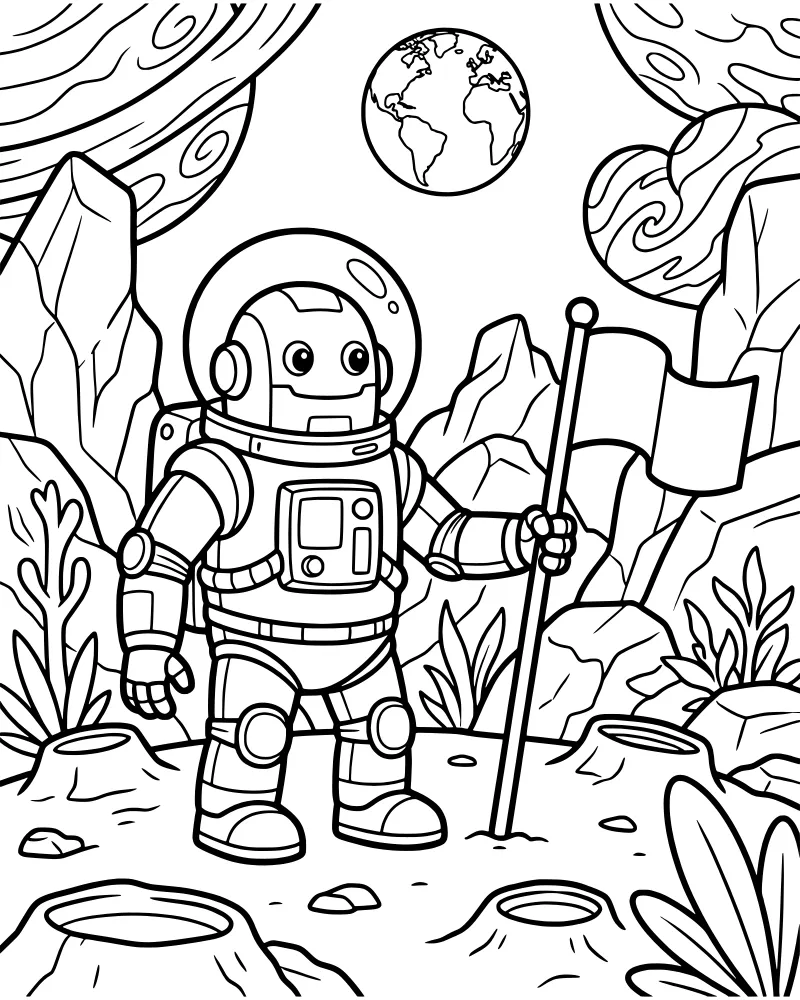
Astronaut Exploring Distant Alien World
Space & Sci-Fi