Discover a world of fungi with our free mushroom coloring pages. Perfect for kids and adults who love nature, fairies, and whimsical woodland art.
Mushroom Coloring Pages
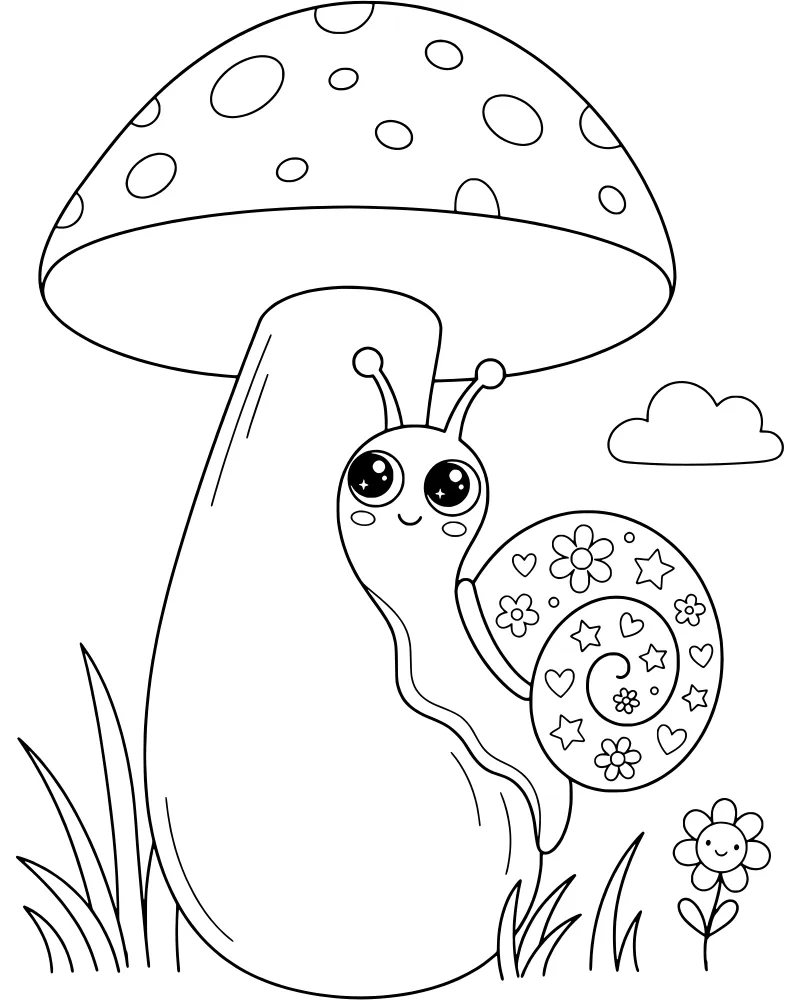
Cute Snail Peeking Behind a Mushroom
Bugs & Insects
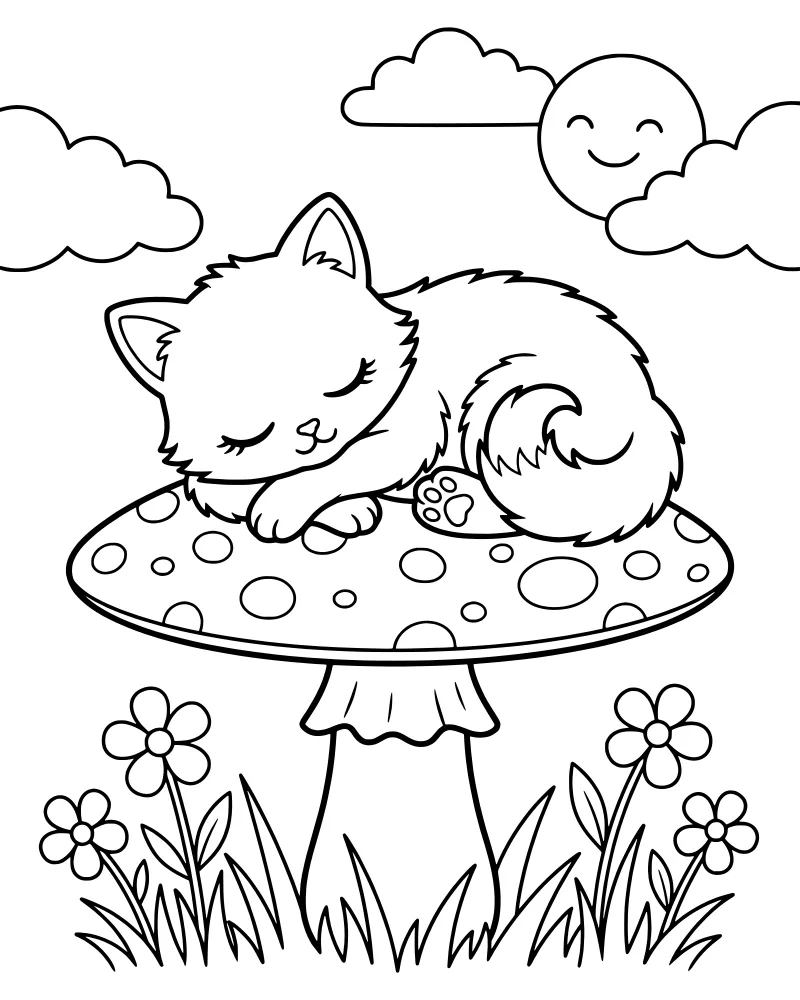
Kitten Sleeping on a Giant Mushroom
Animals
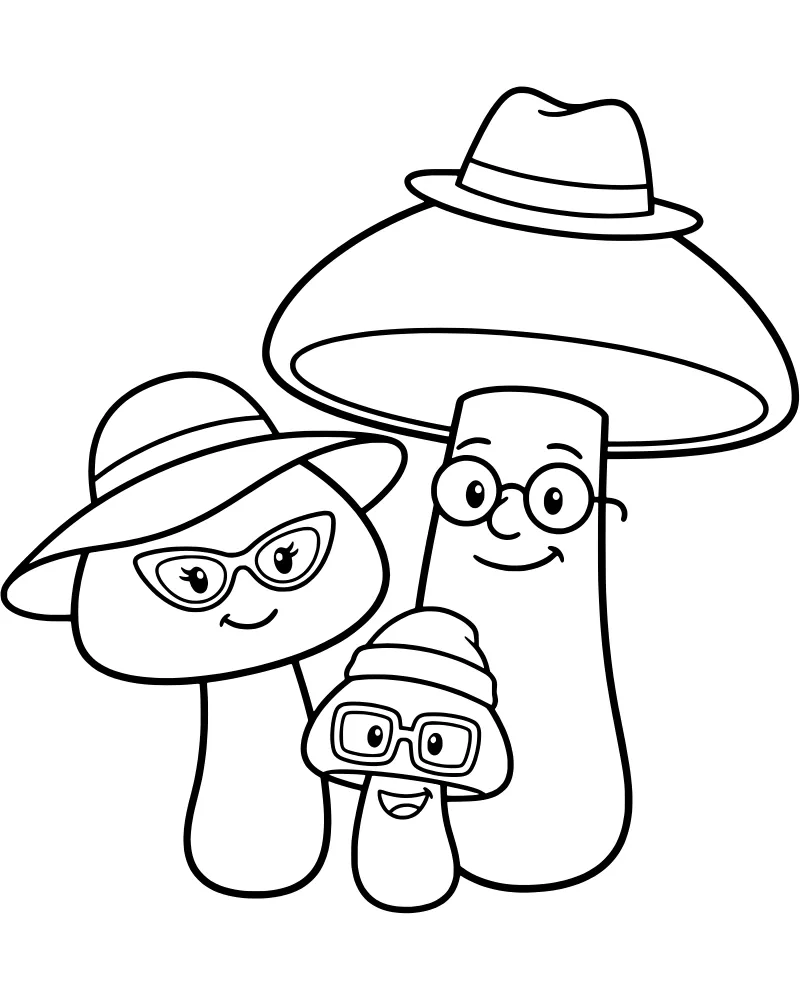
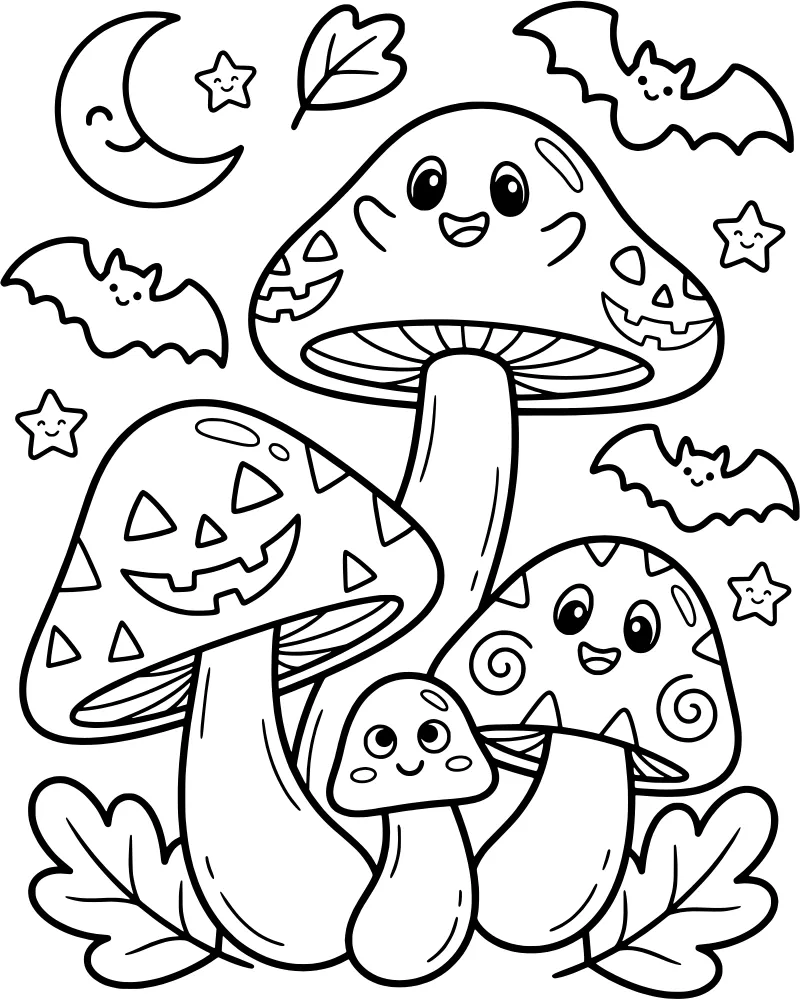
Friendly Mushroom Family with Hats
Nature & Outdoors
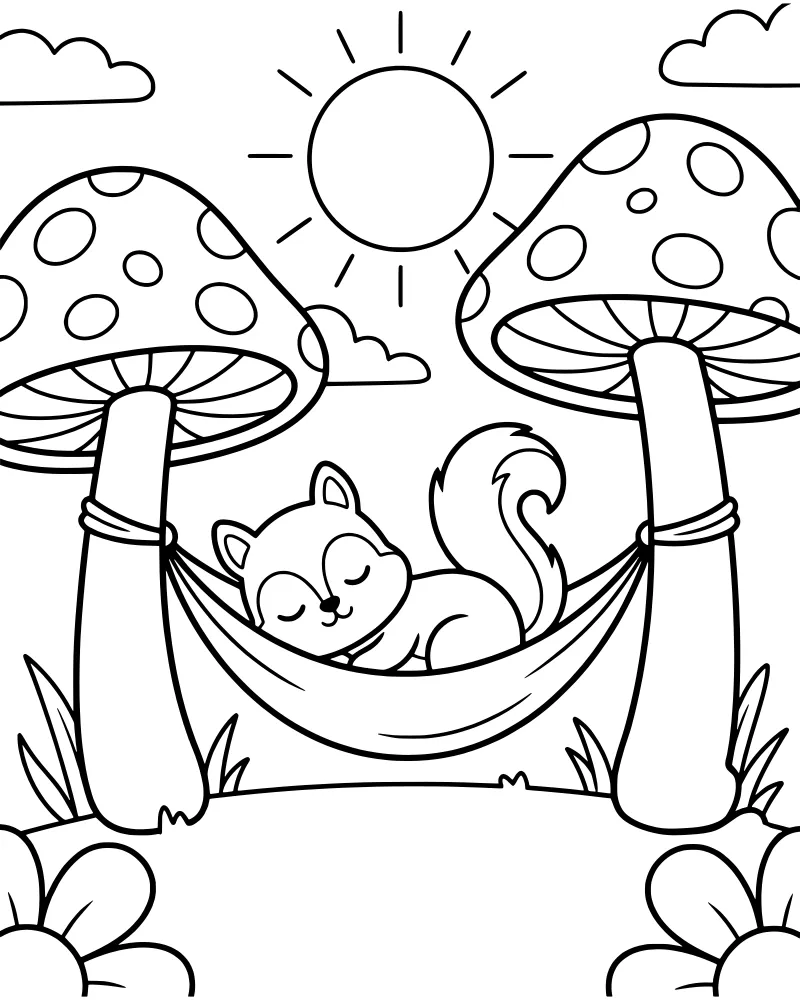
Whimsical Squirrel Napping in Mushroom Hammock
Animals
About This Collection
Exploring the forest floor reveals a world of tiny wonders that often go unnoticed. From the classic red-and-white toadstool to the earthy brown caps hiding under fallen leaves, mushrooms offer a unique blend of nature and fantasy. These whimsical fungi have captured the hearts of artists and nature lovers alike, serving as the perfect subjects for a relaxing afternoon of art.
Whether you enjoy the detailed patterns of organic growth or the playful charm of a fairytale setting, there is something deeply satisfying about filling in the curves and spots of a mushroom. These pages provide a wonderful way for both children and adults to connect with the natural world while exploring a variety of textures and shapes.
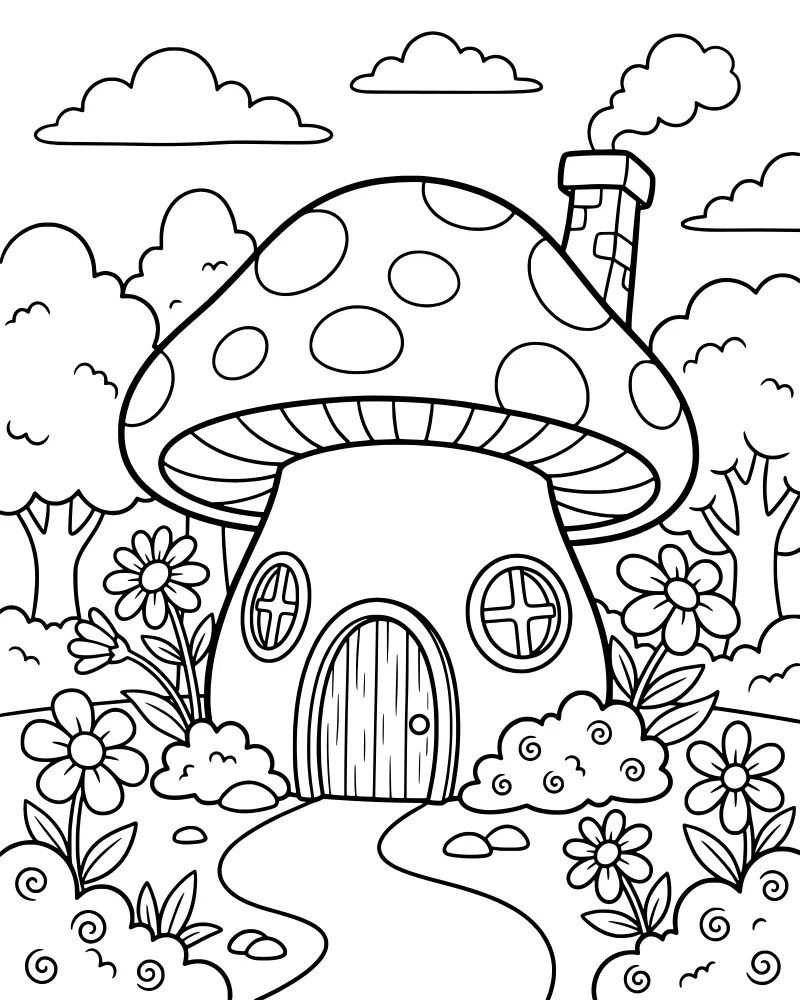
The Enchanting World of Fungi Illustration
Mushrooms are a staple of woodland folklore, often associated with hidden fairy kingdoms and the quiet magic of the forest floor. They come in an incredible variety of shapes, from tall and slender to short and stout with wide, umbrella-like caps. This diversity makes them an excellent subject for coloring enthusiasts who enjoy experimenting with different forms and compositions. Many people find the repetition of coloring circles and dots on a mushroom cap to be a meditative experience that helps calm the mind after a busy day.
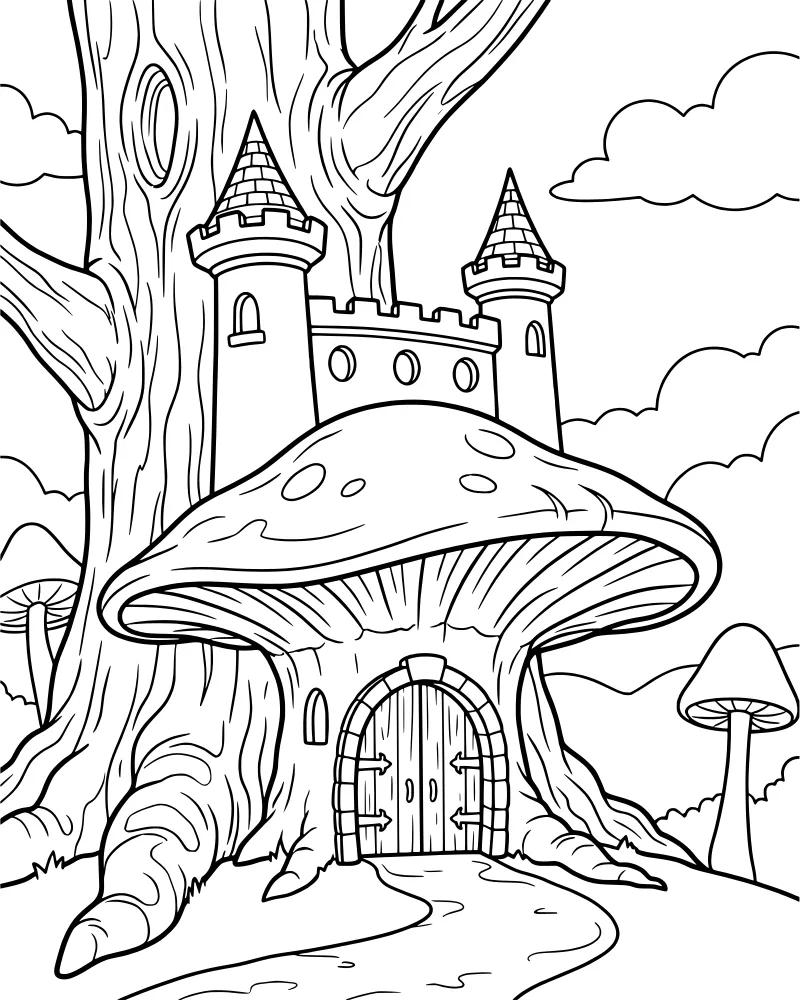
The "cottagecore" aesthetic has brought a renewed interest in these forest dwellers. People of all ages are drawn to the cozy, rustic feeling that mushrooms evoke. For those who love a bit of architectural whimsy, the Whimsical Mushroom Forest Cottage offers a perfect example of how these natural structures can be transformed into tiny, imaginary homes. This blend of organic shapes and man-made details like windows and doors provides a rich canvas for anyone looking to spend time in a peaceful, imaginary landscape.
Choosing the Perfect Color Palette
When it comes to coloring mushrooms, the possibilities are truly endless. You might choose to stick with a realistic approach, using various shades of sienna, ochre, and deep forest greens to mimic the colors found in a damp woodland. Adding a touch of grey or muted purple to the undersides of the caps can create a sense of depth and shadow, making the fungi pop off the page. These natural tones are perfect for creating a grounded, earthy piece of art that feels like a snapshot of a real forest.
On the other hand, mushrooms are also central to the world of fantasy and magic. There is no rule saying a mushroom cannot be neon pink, shimmering gold, or a deep midnight blue. You can even use metallic gel pens or glitter glue to add a magical glow to your work. A page like the Magical Mushroom Castle and Ancient Tree encourages this more imaginative approach, where the architecture itself suggests a world where the laws of nature are a bit more flexible. Experimenting with gradients—fading from one bright color to another across the cap—can give your mushrooms a bioluminescent look that feels truly otherworldly.
Creative Ways to Use Your Finished Pages
Once you have finished coloring your favorite designs, there are many ways to turn them into functional art or gifts. One popular idea is to cut out the colored mushrooms and use them to decorate a handmade greeting card or a scrapbook layout. Because mushrooms have such distinct silhouettes, they make excellent stickers or wall decals for a child’s playroom. You can also laminate your finished pages to create durable placemats or bookmarks, ensuring your hard work lasts for a long time.
For a more interactive activity, you can use these pages as a starting point for storytelling. Ask your child who might live inside a mushroom or what kind of forest secrets the fungi are keeping. The Friendly Mushroom Family with Hats is a wonderful prompt for this kind of creative thinking, as the characters already have so much personality. Giving the mushrooms names and backstories adds an extra layer of engagement that extends the fun long after the coloring is done.
Tips for Coloring Texture and Detail
The texture of a mushroom is one of its most interesting features. To make your coloring look more professional, try using different strokes for different parts of the plant. For the smooth cap, use small, circular motions with your colored pencils to create an even layer of pigment. For the gills underneath, use light, flicking motions to create fine lines that mimic the delicate structure. You can even use a white paint pen or a bit of opaque gouache to add highlights to the top of the cap, giving it a glossy, rain-touched appearance.
Don't forget the environment surrounding the mushroom. The moss, grass, and tiny pebbles at the base are just as important for setting the scene. Using different shades of green for the moss and adding tiny brown specks for the soil can make the entire illustration feel more complete. These small details help to tell a story of where the mushroom is growing, whether it is in the middle of a sunny meadow or hidden deep within the shadows of an ancient, sprawling forest.