Free printable bold and easy coloring pages with thick lines. Ideal for toddlers, preschoolers, and beginners practicing fine motor skills and simple coloring.
Bold and Easy Coloring Pages

Cheerful Smiling Sun and Fluffy Clouds
Nature & Outdoors
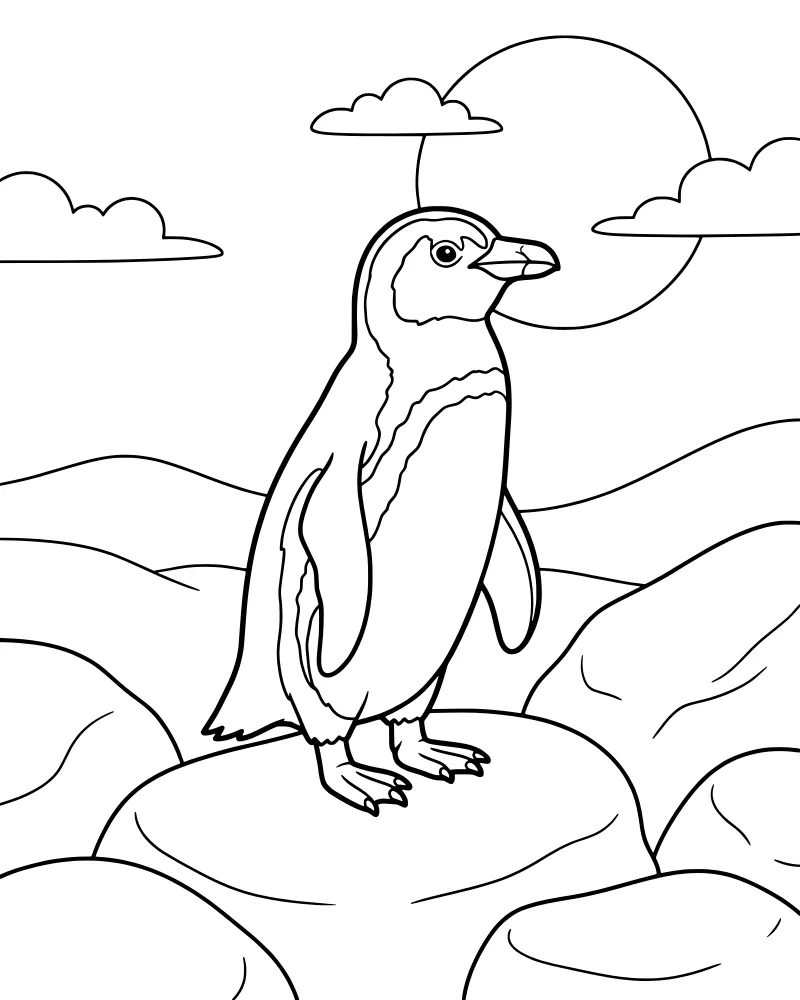
Cute Cartoon Penguin Under the Sun
Animals
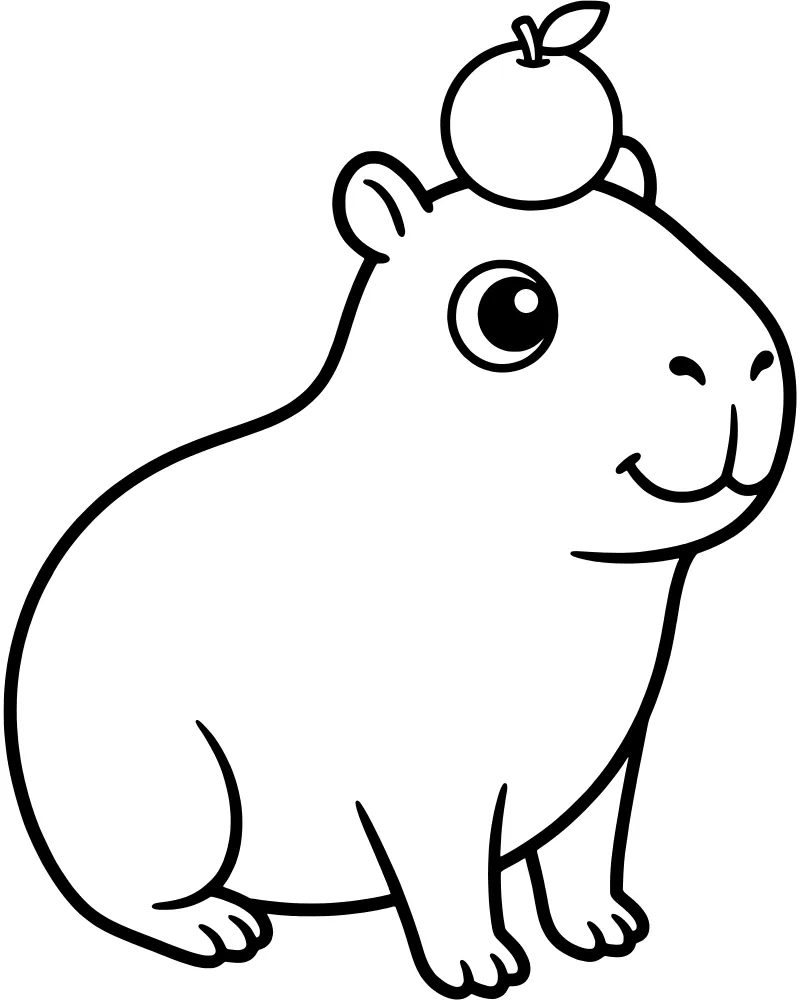
Playful Capybara with Apple
Animals
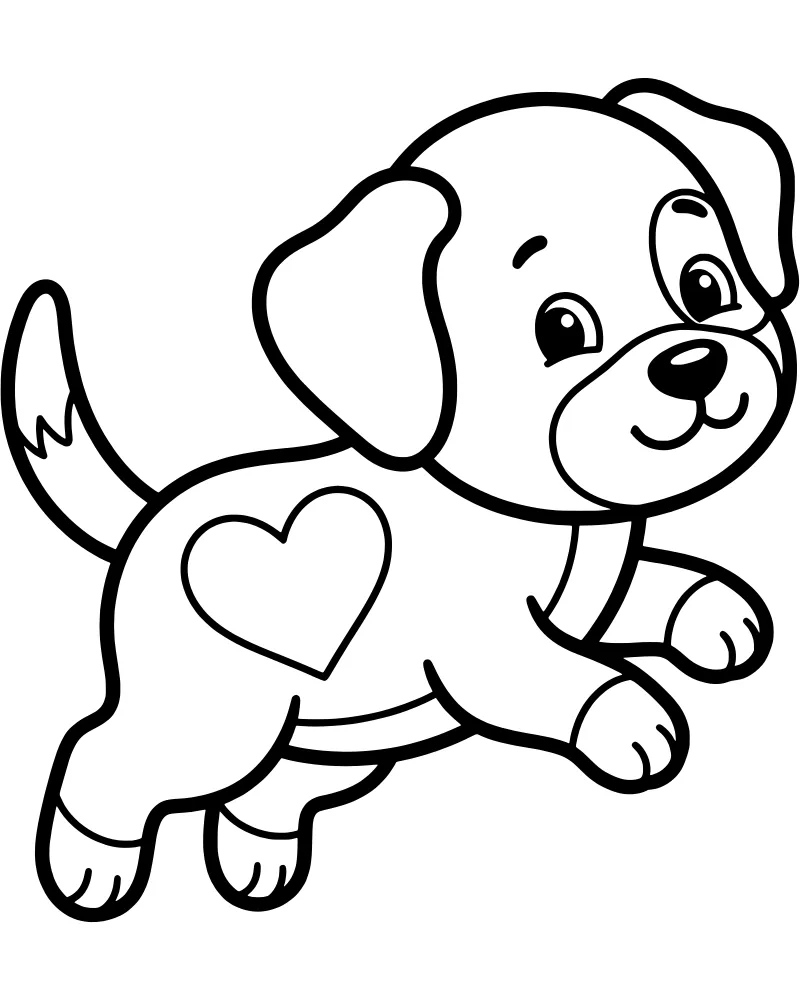
Playful Jumping Puppy with Heart
Animals
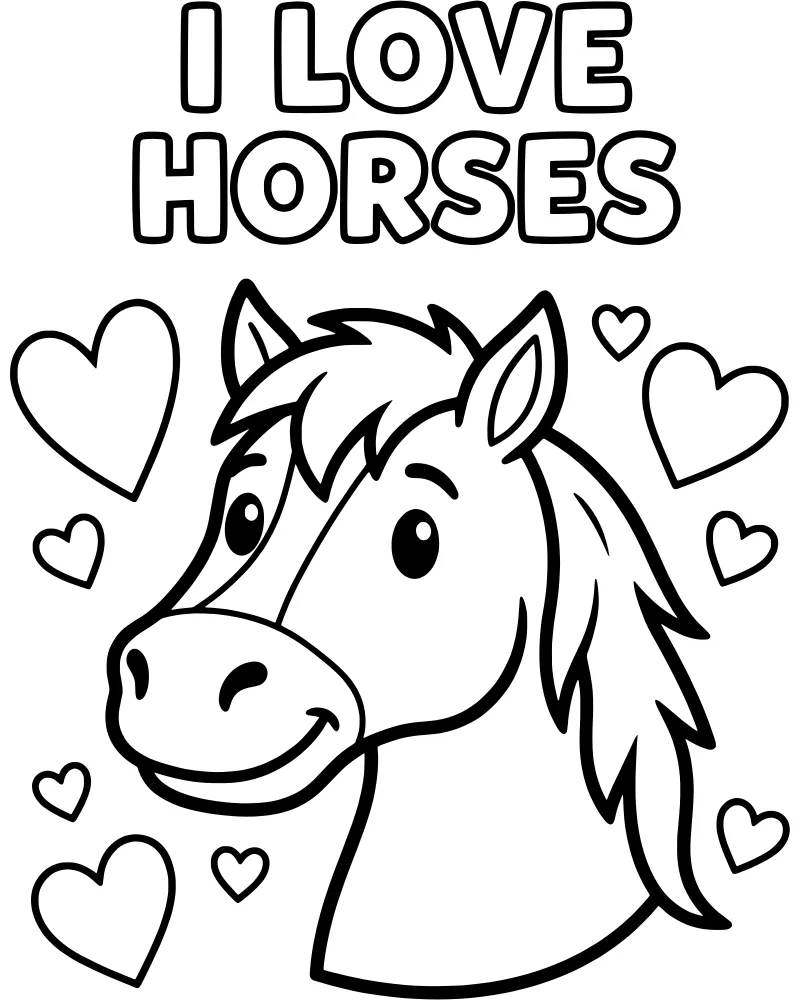
Sweet Cartoon Horse with Hearts
Animals
Cheerful Letter S and Smiling Sun
Educational
Happy Kite Flying Above Letter K
Educational
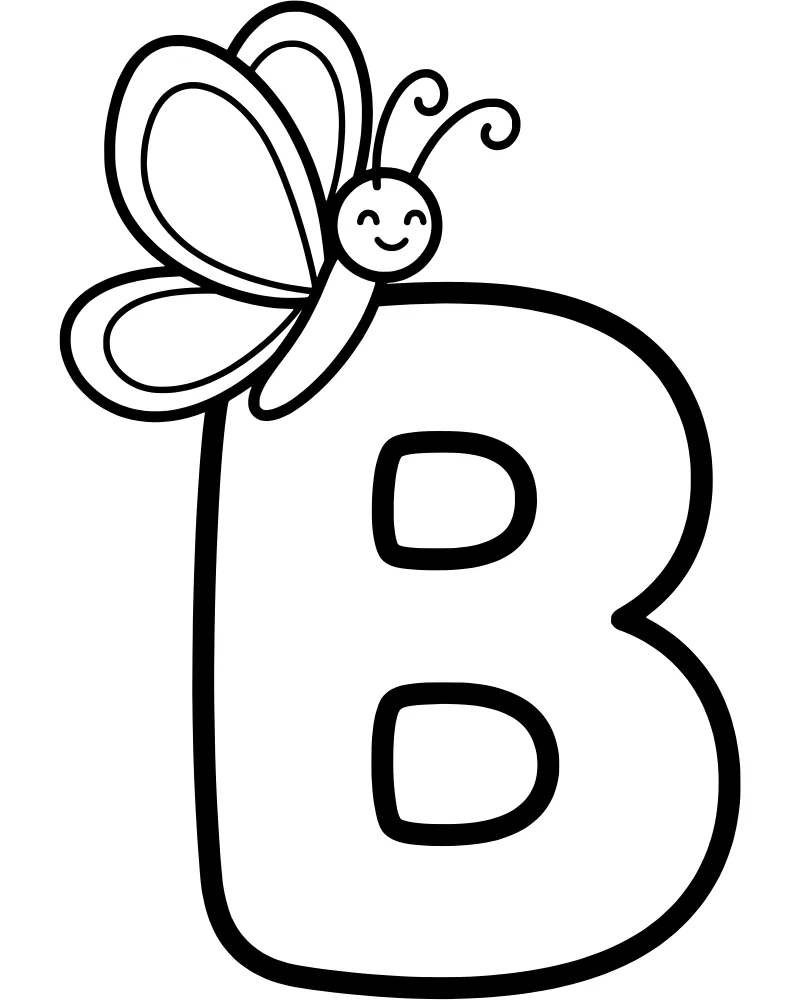
Big Letter B and Friendly Butterfly
Educational
Happy Smiling Cartoon Bananas
Food & Drinks
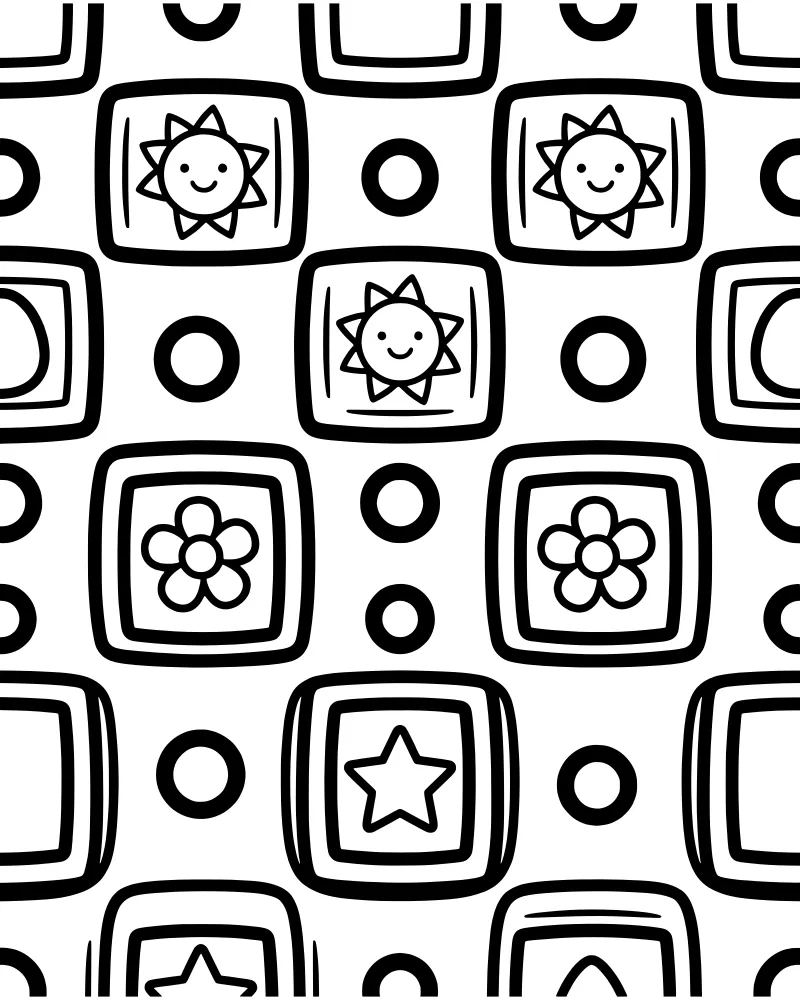
Playful Pattern of Suns Stars and Flowers
Mandalas & Patterns
Playful Repeating Heart Pattern
Mandalas & Patterns
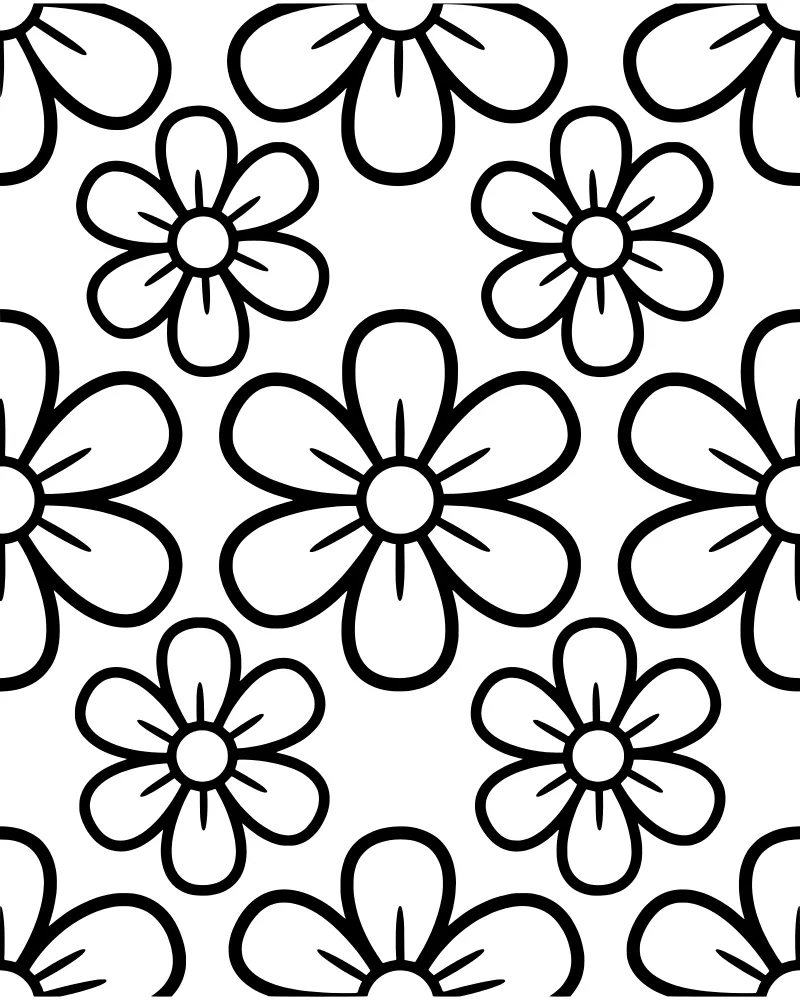
Simple Repeating Flower Pattern
Mandalas & Patterns
Happy Pepperoni Pizza Slice
Food & Drinks
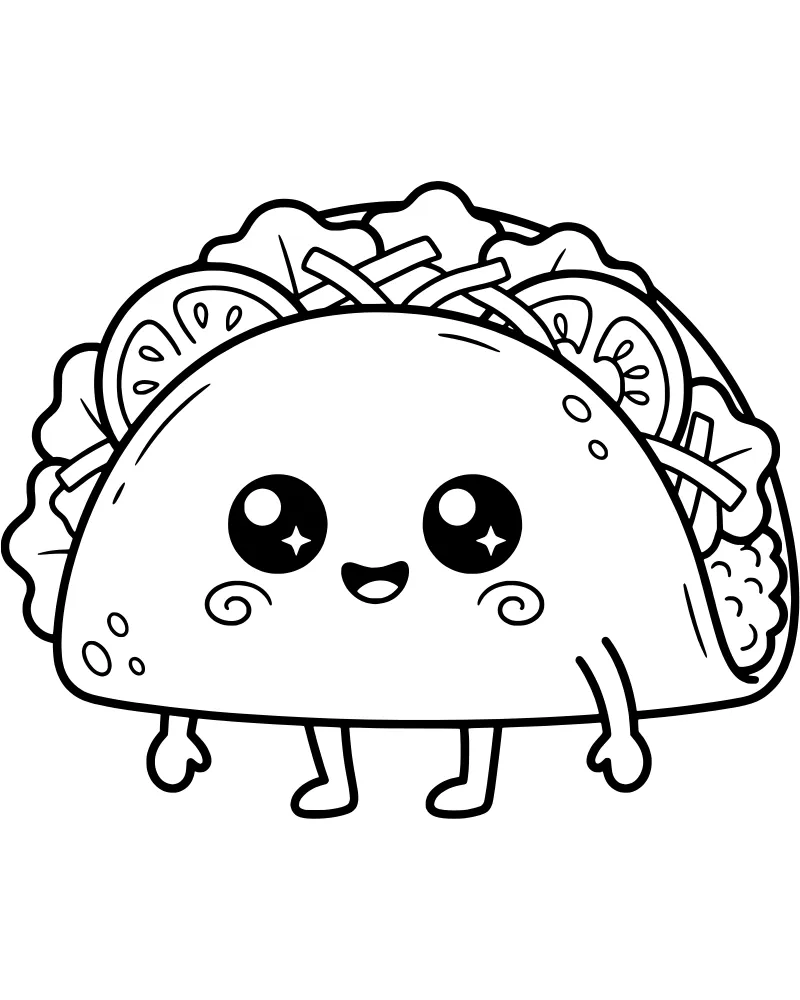
Happy Dancing Taco Character
Food & Drinks
Happy Cartoon Strawberry Friend
Food & Drinks
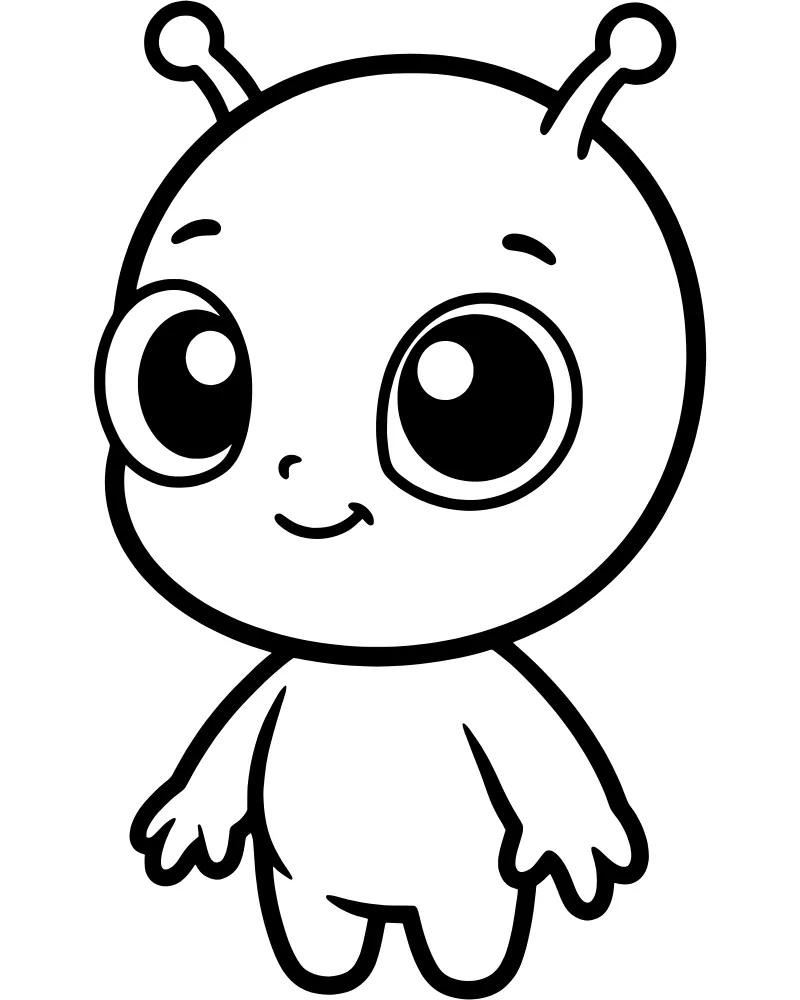
Friendly Little Alien Friend
Space & Sci-Fi

Friendly Little Space Alien Friend
Space & Sci-Fi
Friendly Three Eyed Alien
Space & Sci-Fi
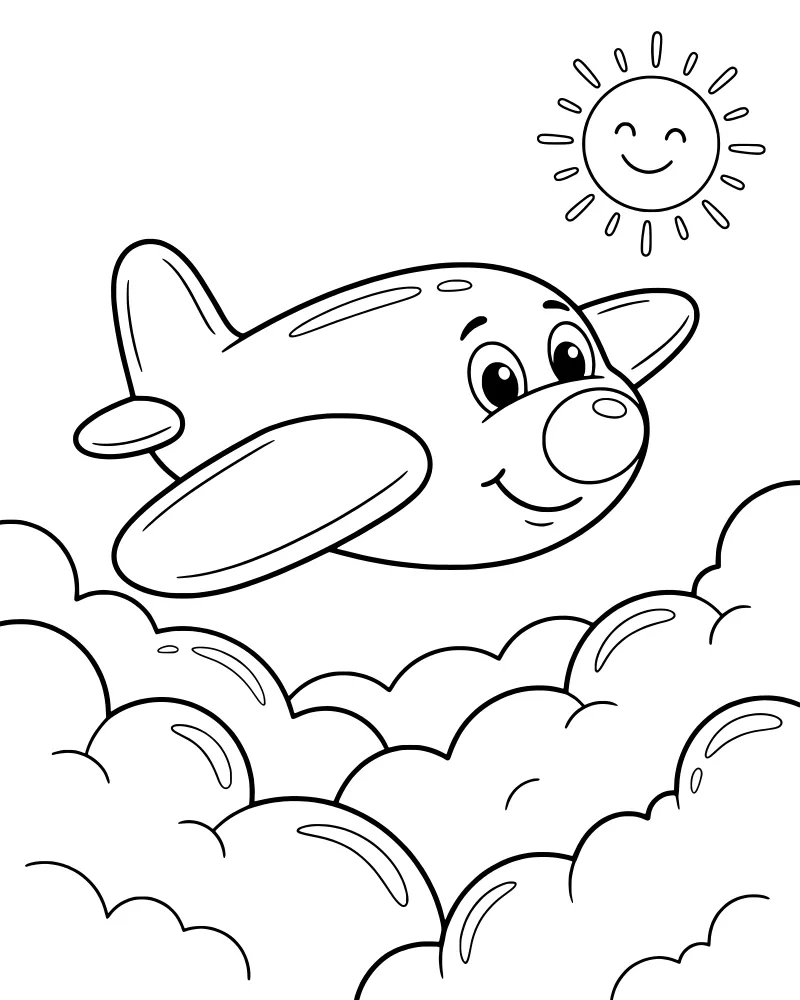
Happy Little Airplane Adventure
Vehicles & Transportation
About This Collection
Finding the perfect activity for young artists often means looking for designs with thick lines and simple shapes. These bold and easy coloring pages are designed to help toddlers and preschoolers feel successful as they practice their fine motor skills. By focusing on large subjects and clear boundaries, children can enjoy the process of coloring without feeling overwhelmed by tiny details. If your little one is just picking up a crayon for the first time or simply enjoys a more relaxed coloring experience, these pages provide a stress-free creative outlet. Each design features friendly characters and familiar objects that make it easy to stay within the lines and create something beautiful.
The Benefits of Bold Lines for Early Learners
Bold lines provide a visual guide that helps children understand where one shape ends and another begins. This clarity is essential for toddlers who are still developing the muscle control needed to guide a crayon or marker precisely. When a child sees a thick black border, they feel a sense of security that allows them to move their hand more freely. This freedom actually encourages more experimentation with color because the boundaries of the page are so easy to follow.
Beyond just staying within the lines, these simplified designs help reduce visual clutter. For a young child, a page filled with intricate details can be confusing or even frustrating. By stripping away the complex backgrounds and focusing on a single, clear subject, these pages allow the child to focus entirely on the joy of color application. This builds a foundation of confidence that will serve them well as they move on to more complex artistic projects in the future.
Exploring Shapes and Letters with Simple Designs
Combining simple illustrations with educational elements makes learning feel like play. Large alphabet designs allow children to associate letters with friendly objects, reinforcing phonics in a visual way. For example, the Big Letter B and Friendly Butterfly uses a massive, clear letter form that is easy to fill with color, paired with a charming insect friend. This type of layout helps children focus on the shape of the letter while they decorate it, making the learning process natural and enjoyable.
Using these pages as a teaching tool can be very effective. You can talk about the sound the letter makes or the colors of the butterfly while your child works. Because the design is not overly complicated, there is plenty of room for conversation and engagement. The thick outlines ensure that even if a child is still mastering their grip, the final result looks clean and recognizable, which provides immediate positive reinforcement for their efforts.
Fun and Familiar Characters for Kids
Simple designs bring everyday objects to life with personality. Using anthropomorphic characters—objects with faces—adds an emotional connection to the activity. A child might feel more excited to color a Happy Dancing Taco Character because the smiling face makes the food feel like a friend. These types of designs prioritize large, open spaces, which are perfect for using chunky crayons or thick washable markers that are easier for small hands to hold.
These cheerful characters also provide a great opportunity for storytelling. You can ask your child where the taco is dancing or what the strawberry is thinking about. This transforms a simple coloring session into a comprehensive developmental activity that touches on language skills and imagination. The bold nature of the art ensures that the character remains the star of the show, making it easy for the child to stay focused on their "new friend" on the page.
Color Palette Ideas for Simple Designs
When it comes to choosing colors for these pages, bright and saturated hues usually work best. Since the lines are thick and dark, they can stand up to heavy applications of color without getting lost. Primary colors like red, blue, and yellow create a classic look that pops against the white background. For patterns like the Playful Repeating Heart Pattern, you might suggest a rainbow theme or even a limited palette of just two or three favorite colors to help the child practice pattern recognition and consistency.
Don't feel limited to realistic colors, though. Part of the fun of easy coloring pages is the ability to be whimsical. A purple sun or a green heart is perfectly fine and encourages a child to make their own choices. If you are looking for a more calming activity, you can suggest soft pastels like mint green, lavender, and pale pink. These lighter shades work beautifully in the large open spaces provided by bold line art, creating a gentle and pleasing final image.
Printing Tips and Activity Suggestions
To get the most out of these coloring pages, consider the type of paper you use for printing. Standard printer paper works well for crayons, but if your child prefers markers or even watercolor paints, printing on a heavier cardstock can prevent the ink from bleeding through. Because the designs are so bold, they remain visible and striking even from across the room, giving your young artist a great sense of pride when their work is displayed on the refrigerator or a bedroom wall.
Another fun way to use these pages is to turn them into three-dimensional crafts. After the coloring is finished, you can help your child cut out the bold shapes to create puppets or wall decals. The thick lines make it much easier for kids who are learning to use safety scissors to follow the path. This adds another layer of fine motor skill practice to the activity and gives the finished artwork a new life beyond the flat page. Simple patterns can even be used as DIY gift wrap for small presents, adding a personal and handmade touch to any celebration.