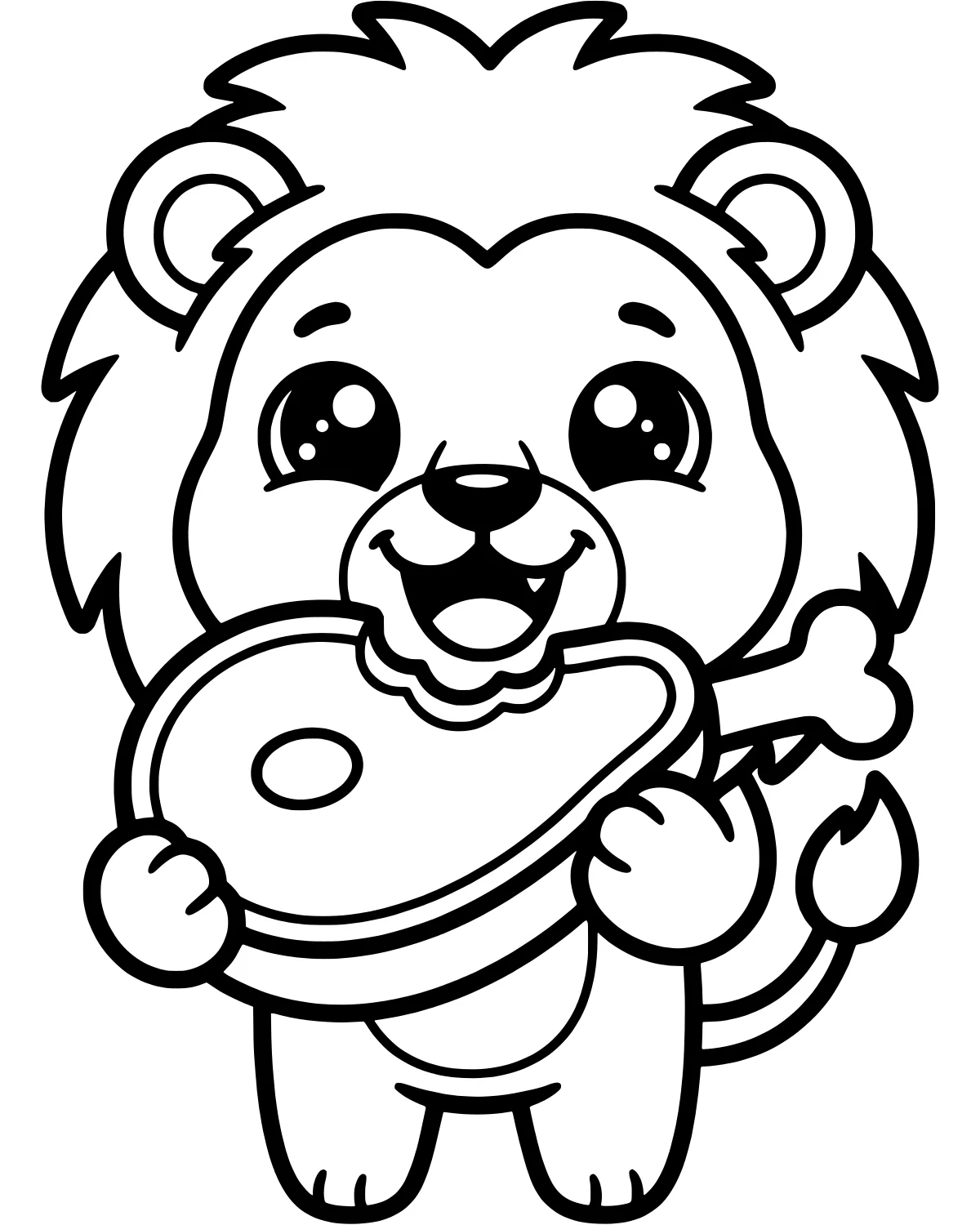
This adorable lion cub is ready for a big lunch! With his wide eyes and a happy expression, he is proudly showing off a giant meat bone he found in the savanna. This page is perfect for anyone who loves big cats and wants to bring a friendly little predator to life with their favorite colors.
The drawing features a very hungry but very sweet baby lion. You can see his tiny teeth and tongue as he gets ready to take a bite. It is a wonderful scene that captures the playful side of nature.
Color Palette Ideas
What's In This Picture
As you look at this page, you will notice the cub's fluffy mane surrounding his friendly face. He has large, expressive eyes and a tiny tongue peeking out near his teeth as he prepares to enjoy his meal. His strong paws are wrapped firmly around the large piece of meat, and you can see the bone sticking out from both ends.
His long tail swishes behind him, showing how excited he is for snack time. The cub has soft ears and a round nose that make him look very cuddly. Every part of the cub, from his sturdy legs to his curved tail, is outlined with clear lines that are easy to follow with your crayons or markers.
Coloring Tips
Try using a bright golden yellow for the cub's body and a slightly darker tan or orange for his soft mane. The meat can be colored with shades of deep pink or red to make it look juicy, while the bone looks best with a light cream or beige.
Since the lines are nice and clear, you can practice staying inside the lines while adding a little bit of shading to the cub's round belly and paws. If you want to make his eyes pop, try a bright brown or even a playful green. Using a soft pink for his tongue and nose will add a sweet touch to his face.
Did You Know?
Did you know that lion cubs are actually born with spots on their fur? These spots help them hide in the tall grass while they are small and vulnerable. As they grow up, the spots usually fade away, and their beautiful solid golden coats take over. They start trying small bits of meat when they are only three months old!
Try This!
After you finish coloring, you can draw some tall grass or a big acacia tree in the background to give your lion a home. You could even give your cub a name and write it at the top of the page. Try drawing a few small insects like beetles or butterflies in the grass around his paws to make the scene even busier.
Frequently Asked Questions
What colors should I use for a realistic lion cub?
Is this coloring page good for toddlers?
What kind of meat is the lion eating?
Popular Collections
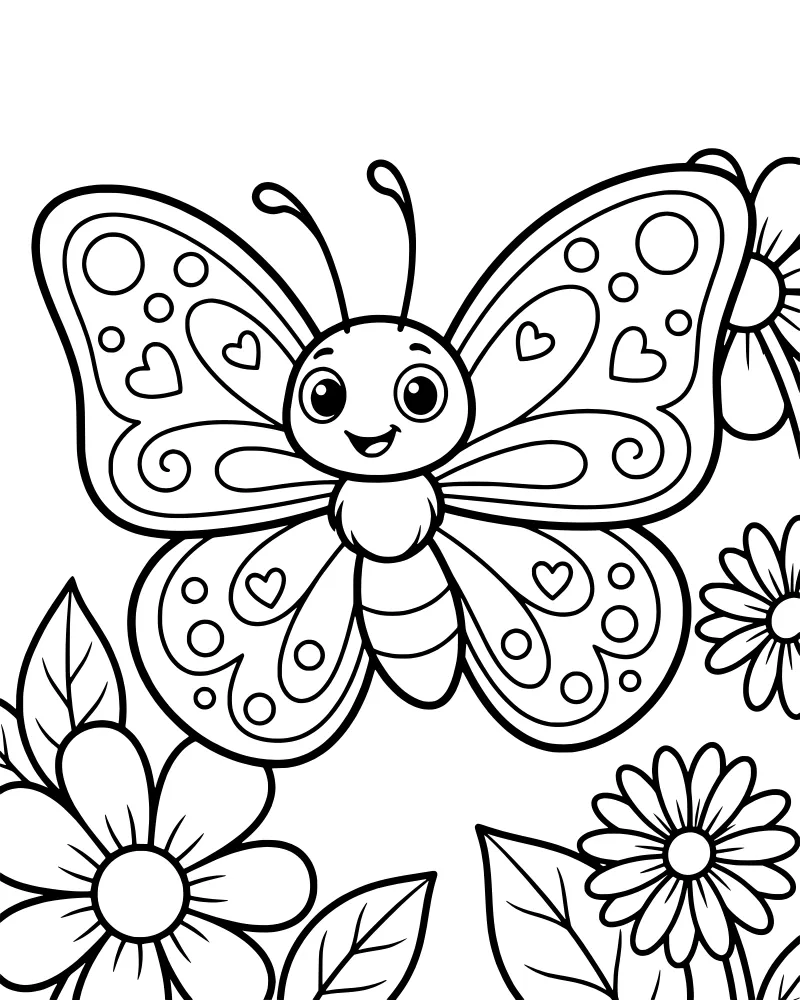
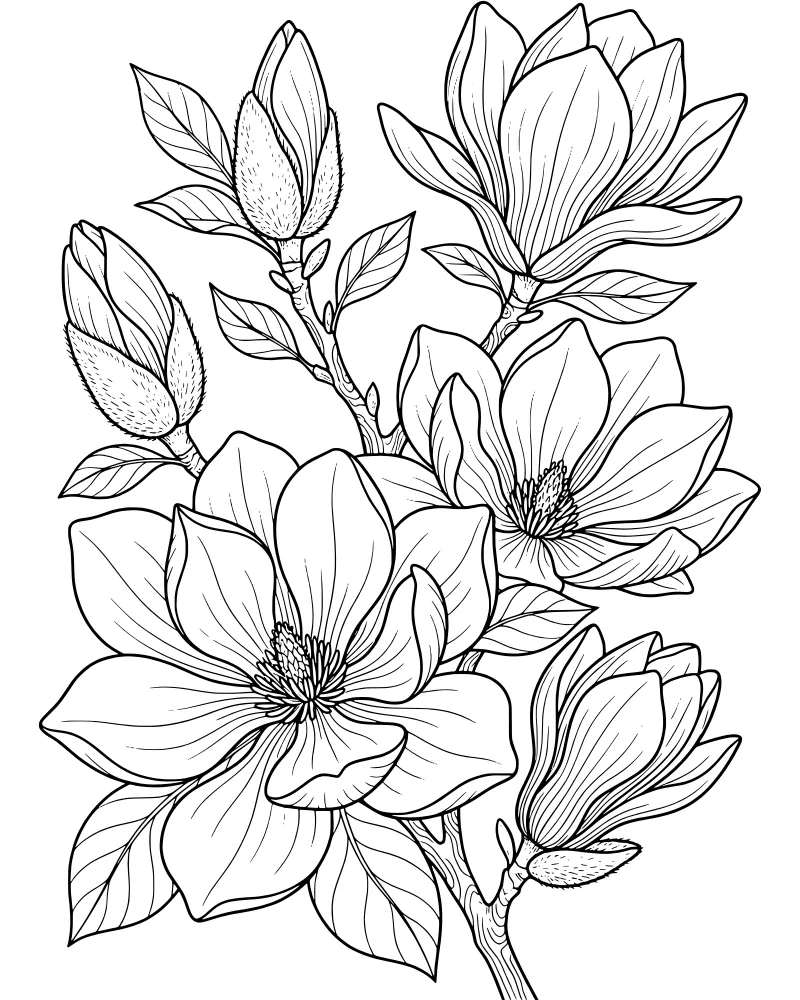
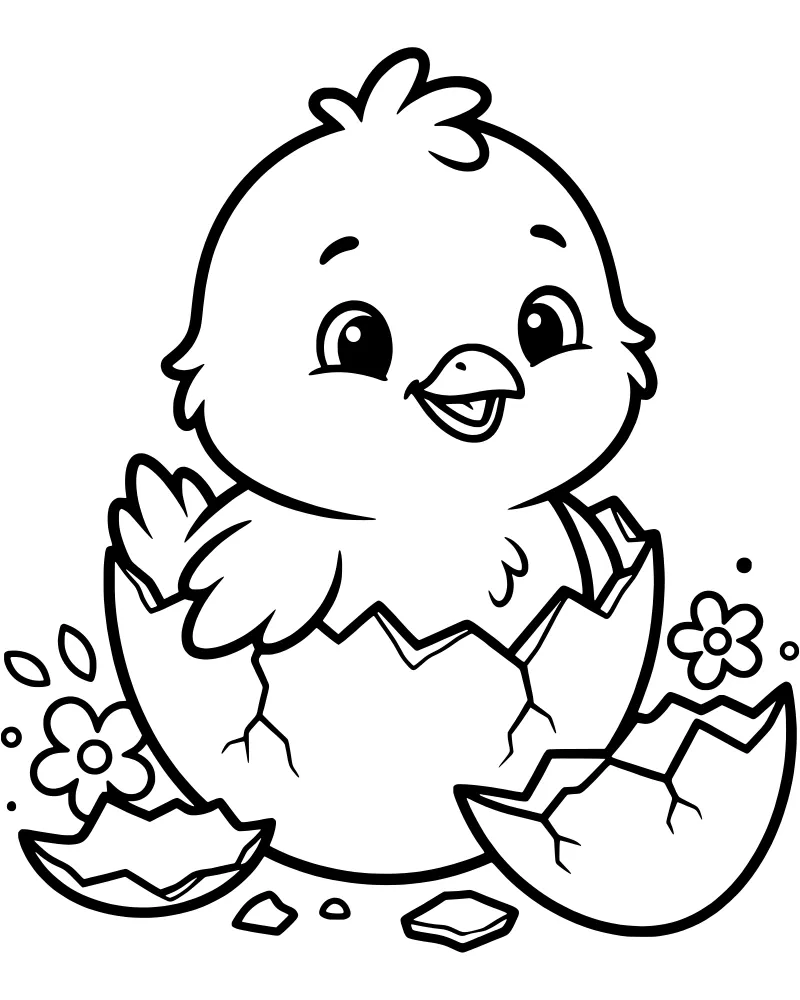
Spring Coloring Pages
As the frost melts away and the first green shoots poke through the soil, we welcome the vibrant ene...
Cute Coloring Pages
Finding something charming and sweet to color is one of the quickest ways to brighten a rainy aftern...

Kawaii Coloring Pages
Kawaii is more than just a word for cute; it is a whole aesthetic that celebrates the joy in the sma...
Funny Coloring Pages
Laughter is a wonderful part of childhood, and our collection of Funny Coloring Pages is designed to...
You Might Also Like
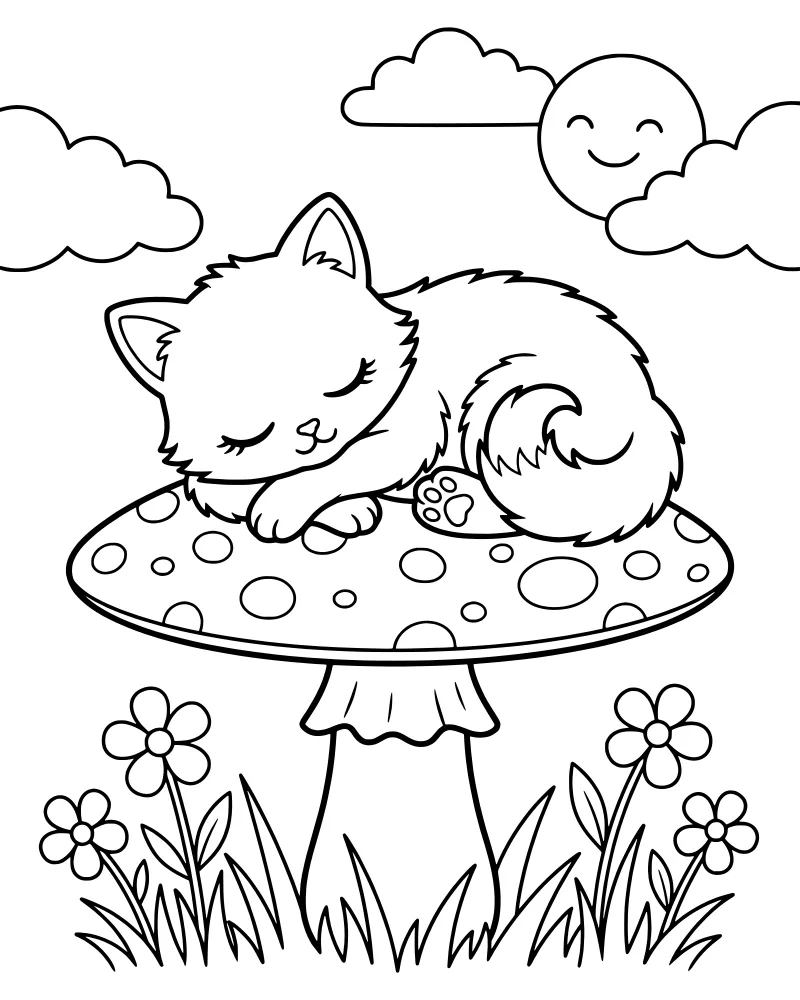
Kitten Sleeping on a Giant Mushroom
Animals
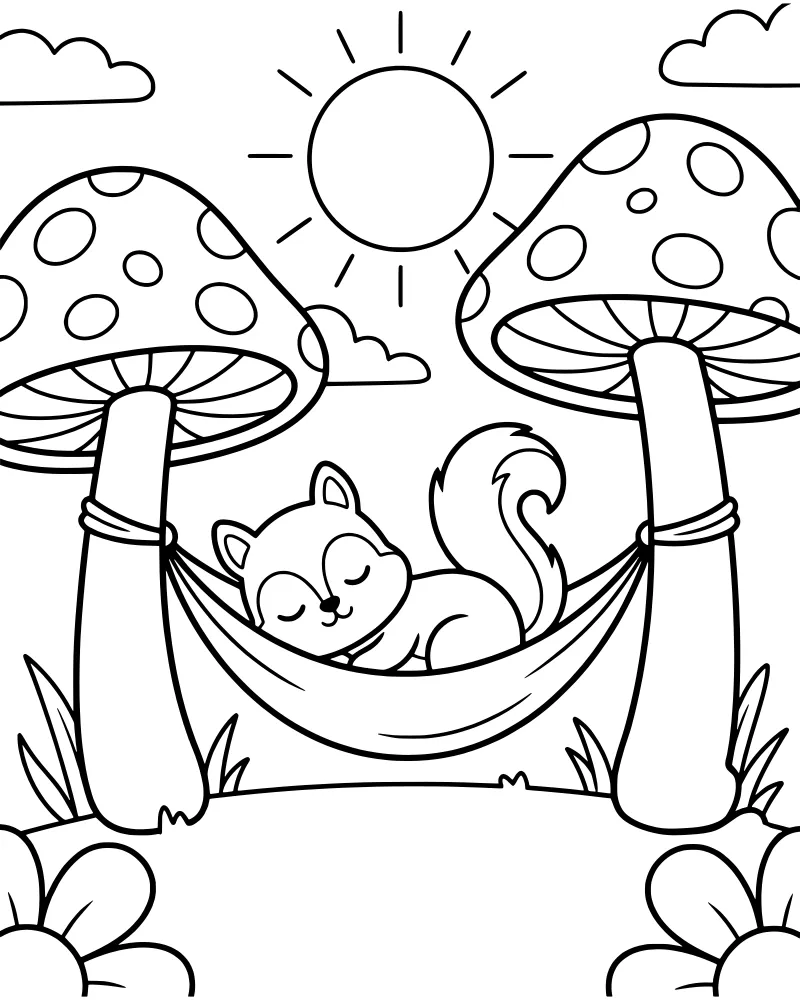
Whimsical Squirrel Napping in Mushroom Hammock
Animals
Cute Sloth Under a Rain Shower Rainbow
Animals
Hungry Little Tortoise Snack Time
Animals
Happy Hippopotamus Swimming Underwater
Animals
Cozy Owl and Bunny Slipper
Animals
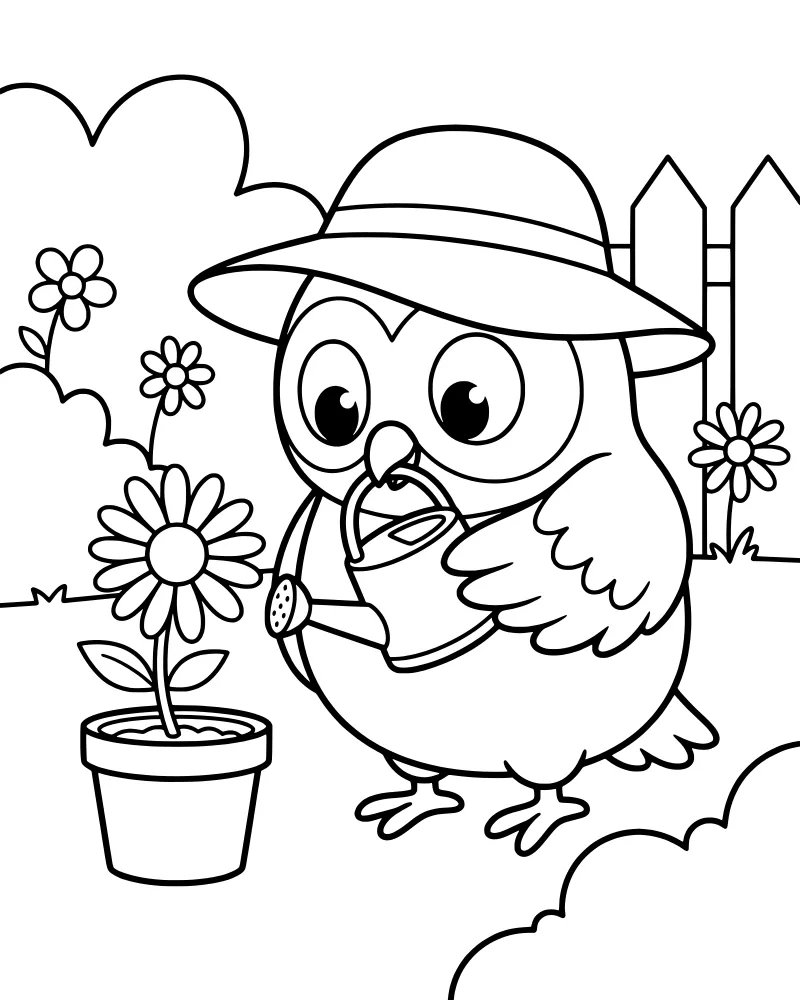
Gardening Owl with Watering Can
Animals
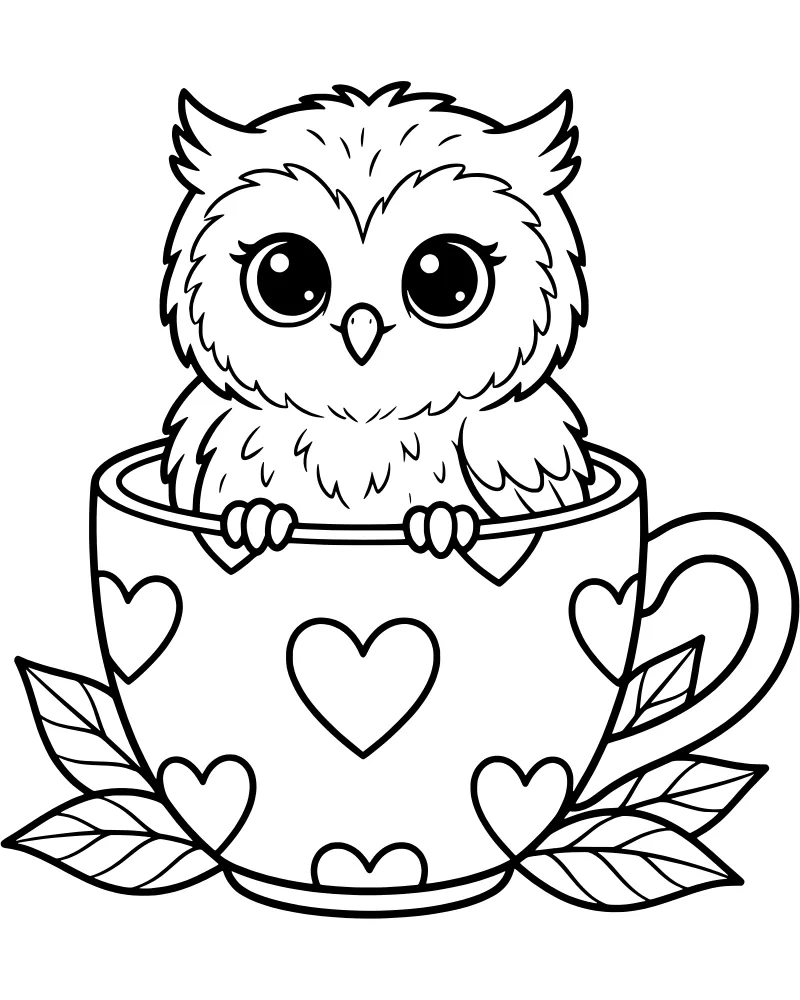
Cute Owl in a Heart Coffee Cup
Animals