Download and print free lion coloring pages. Featuring majestic lions, cute cubs, and detailed mandalas for kids and adults. Perfect for safari-themed fun.
Lion Coloring Pages
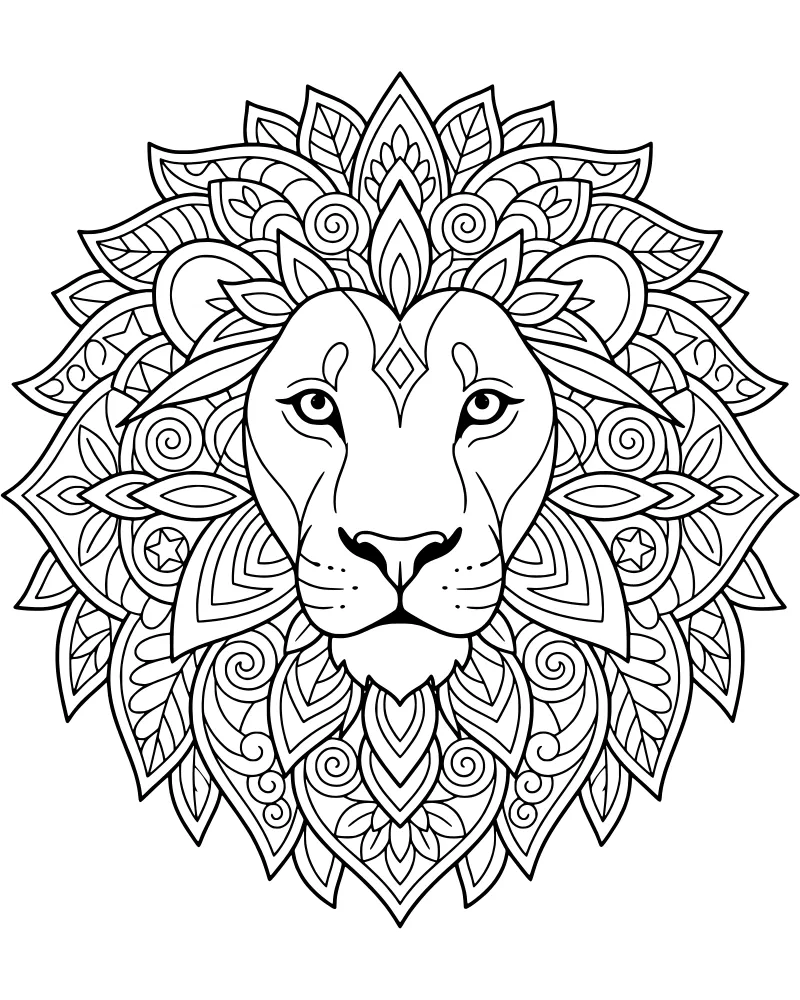
Majestic Mandala Lion Face
Mandalas & Patterns
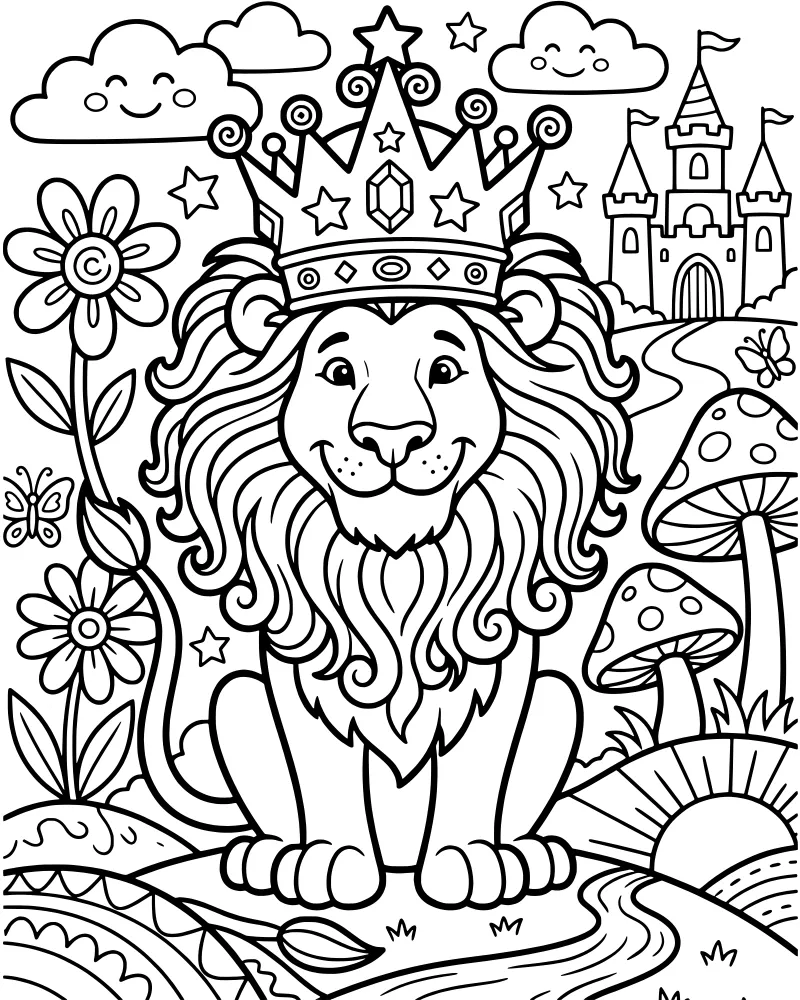
Majestic Lion King in Whimsical Kingdom
Animals
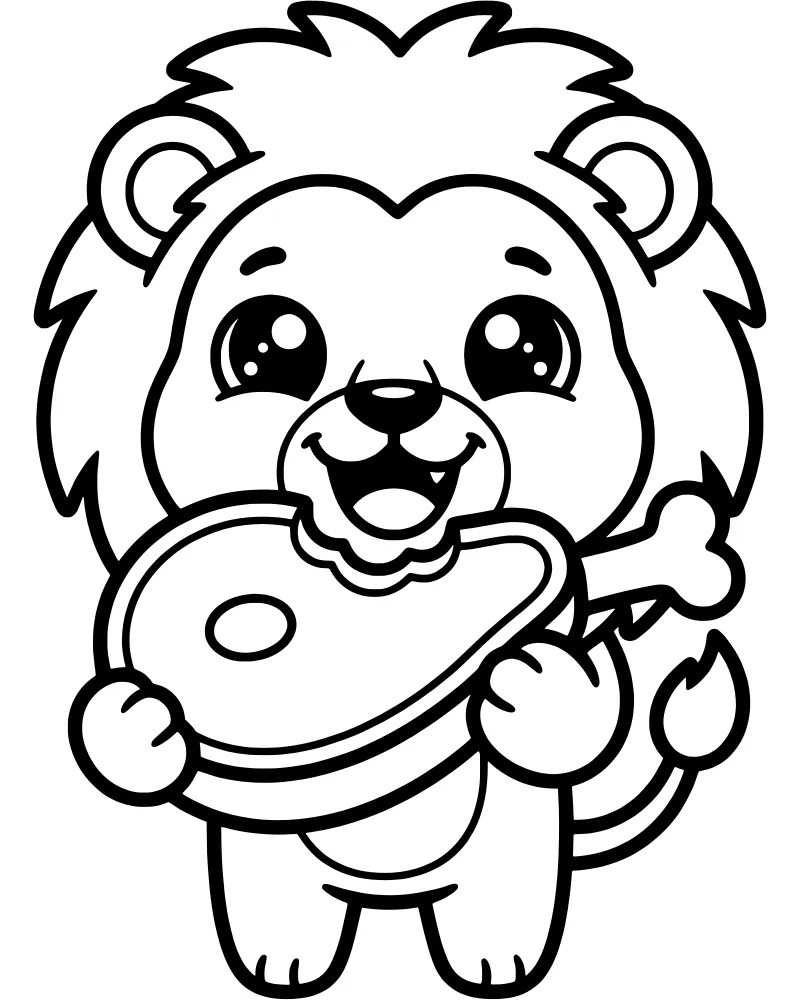
Cute Lion Cub with Meat Bone
Animals
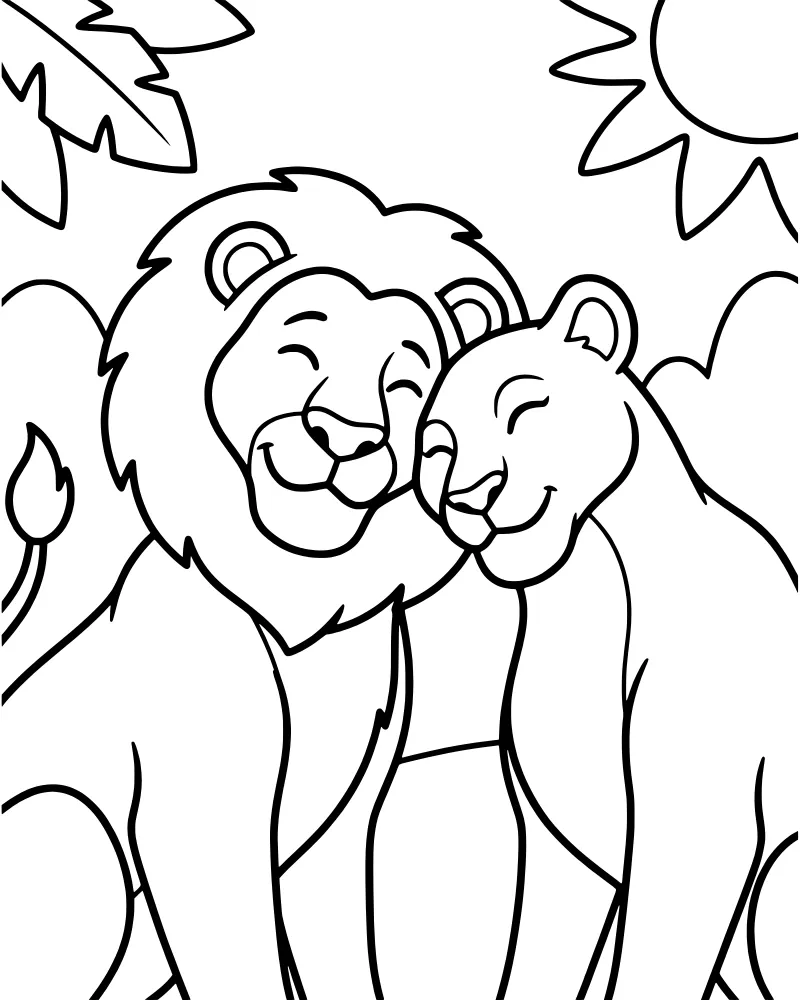
Lion Couple in Love
Animals
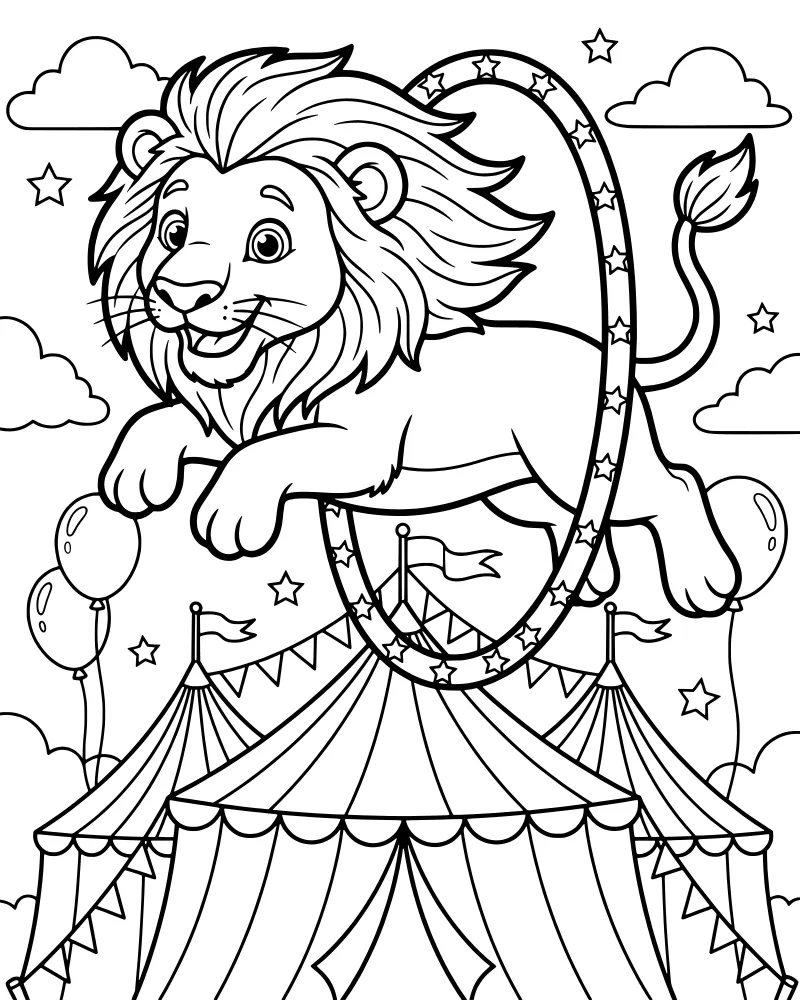
Brave Circus Lion Jumping Through Hoop
Animals
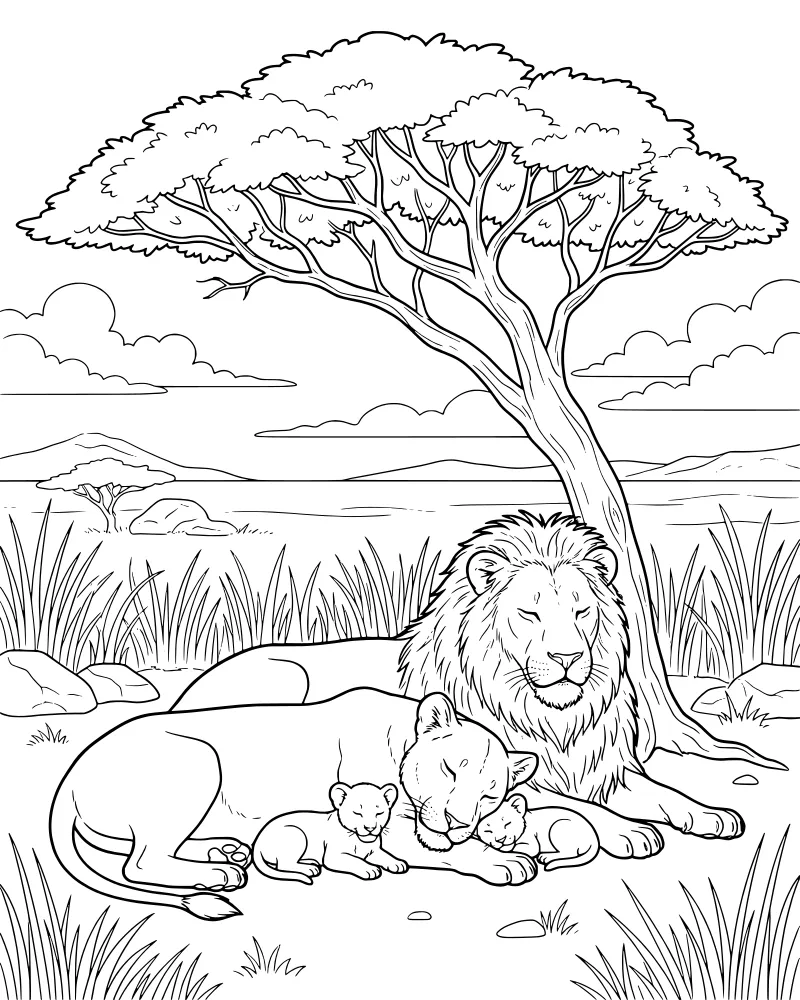
Lion Pride Resting Under Acacia Tree
Animals
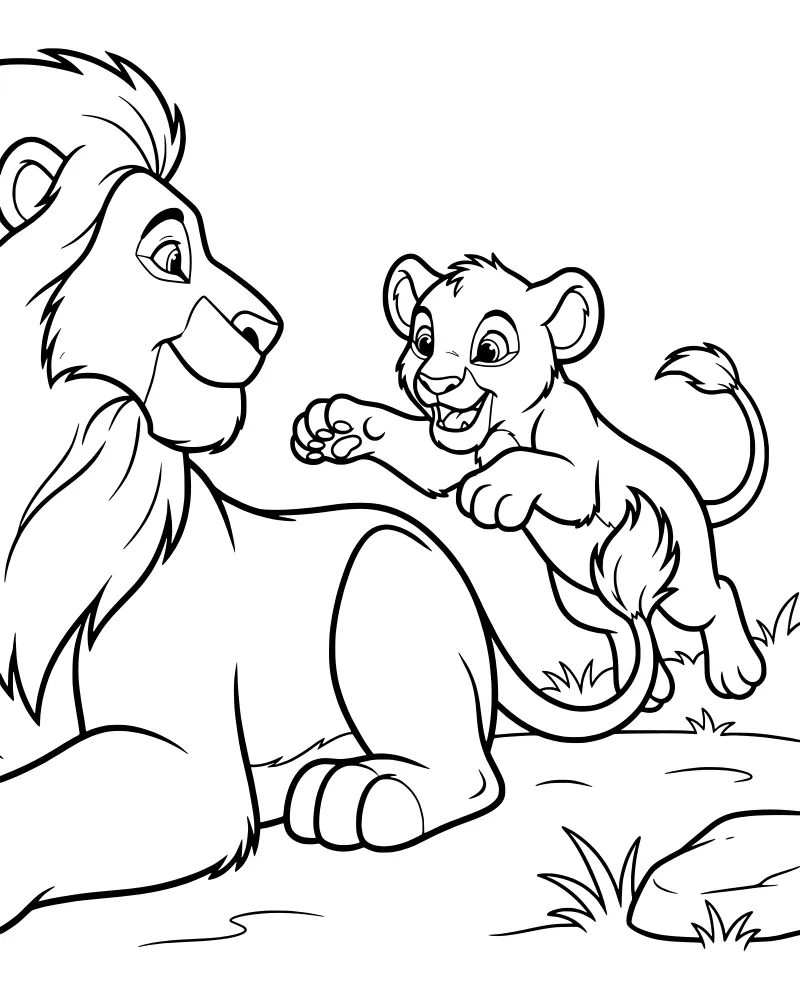
Playful Lion Cub and Proud Father
Animals
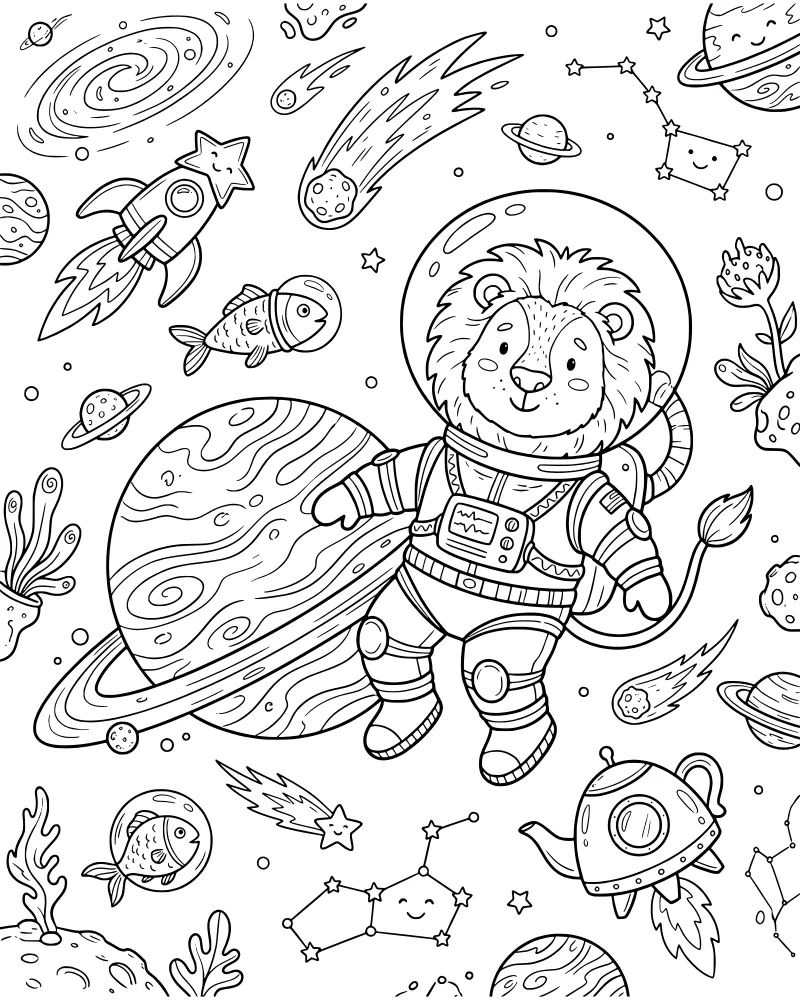
Lion Astronaut Exploring Outer Space
Space & Sci-Fi
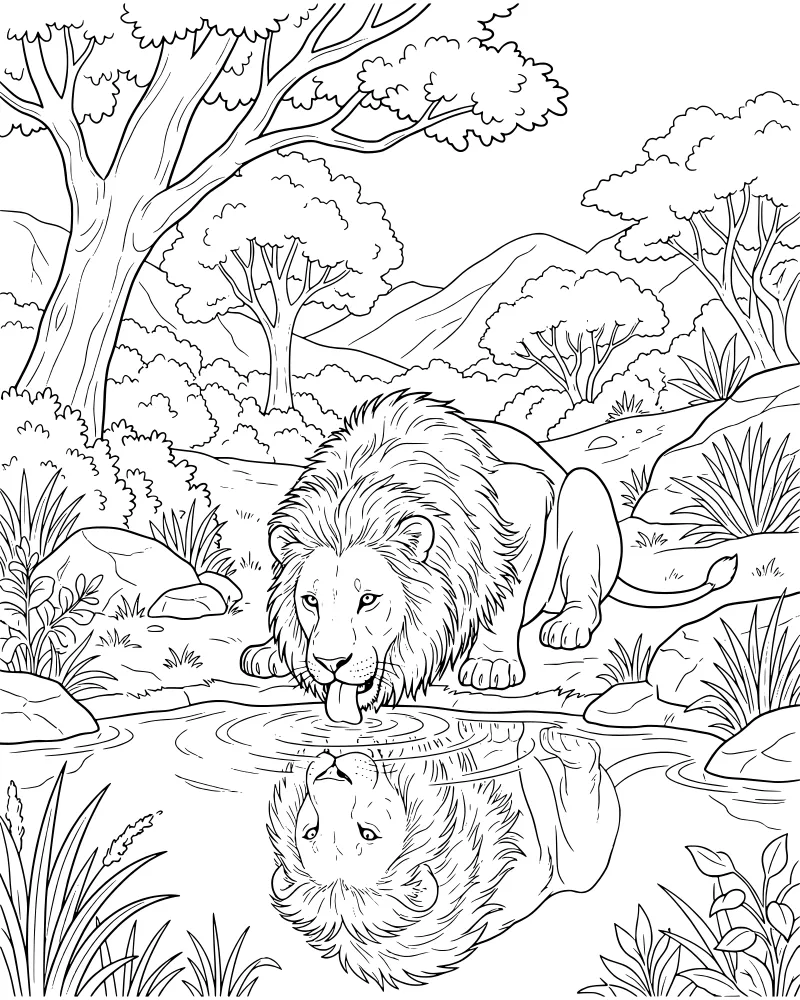
Majestic Lion Drinking at the Pond
Animals
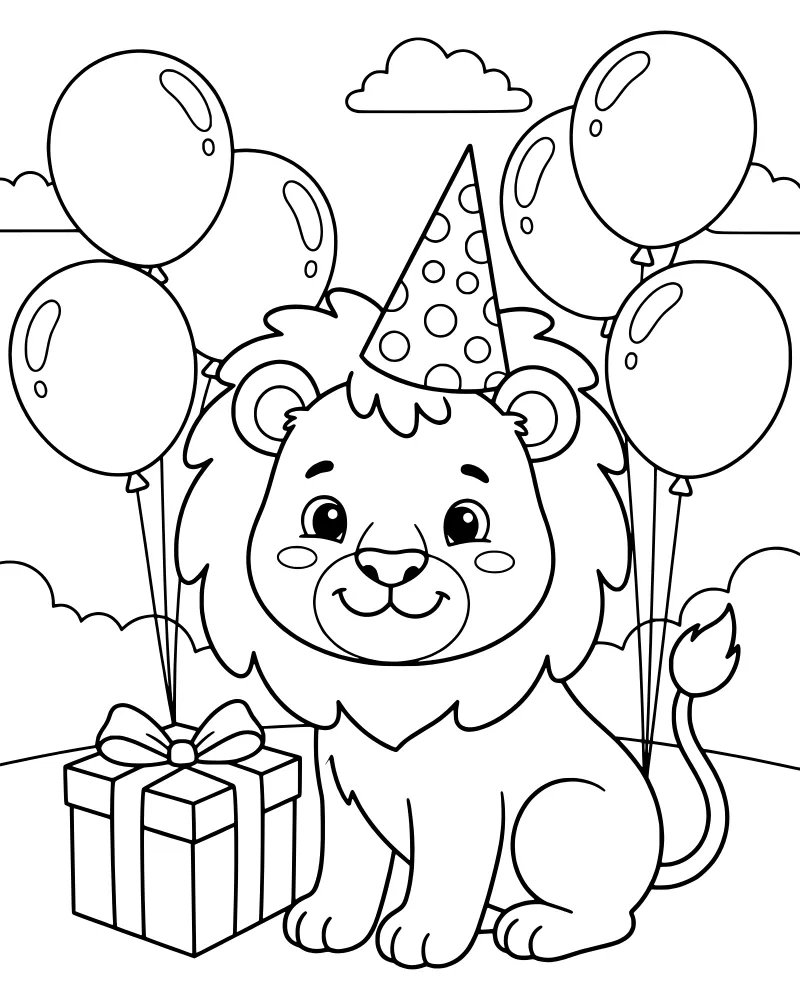
Happy Birthday Lion with Party Balloons
Holidays & Celebrations
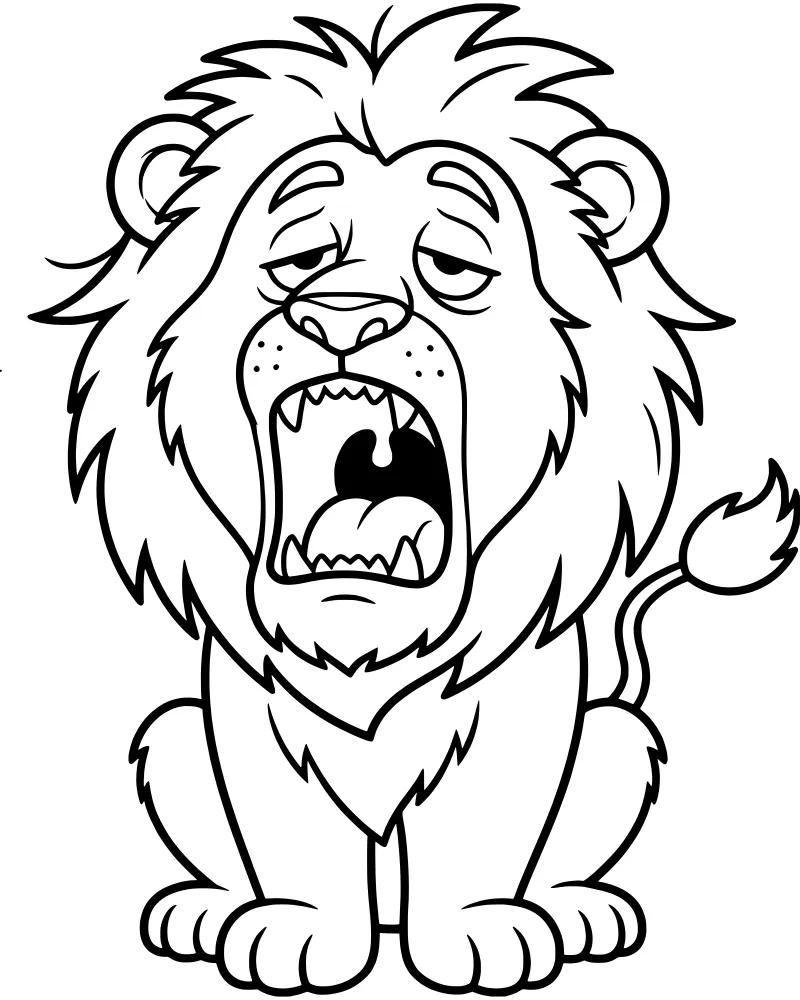
Sleepy Lion Yawning Cartoon
Animals
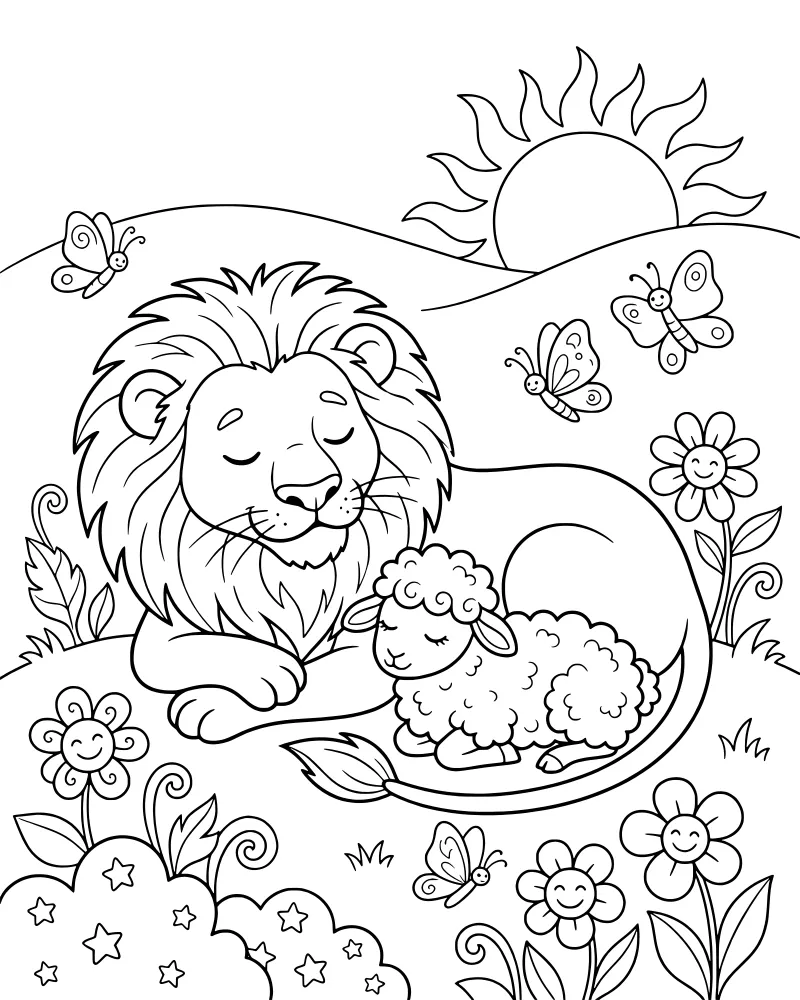
Peaceful Lion and Lamb Resting Together
Animals
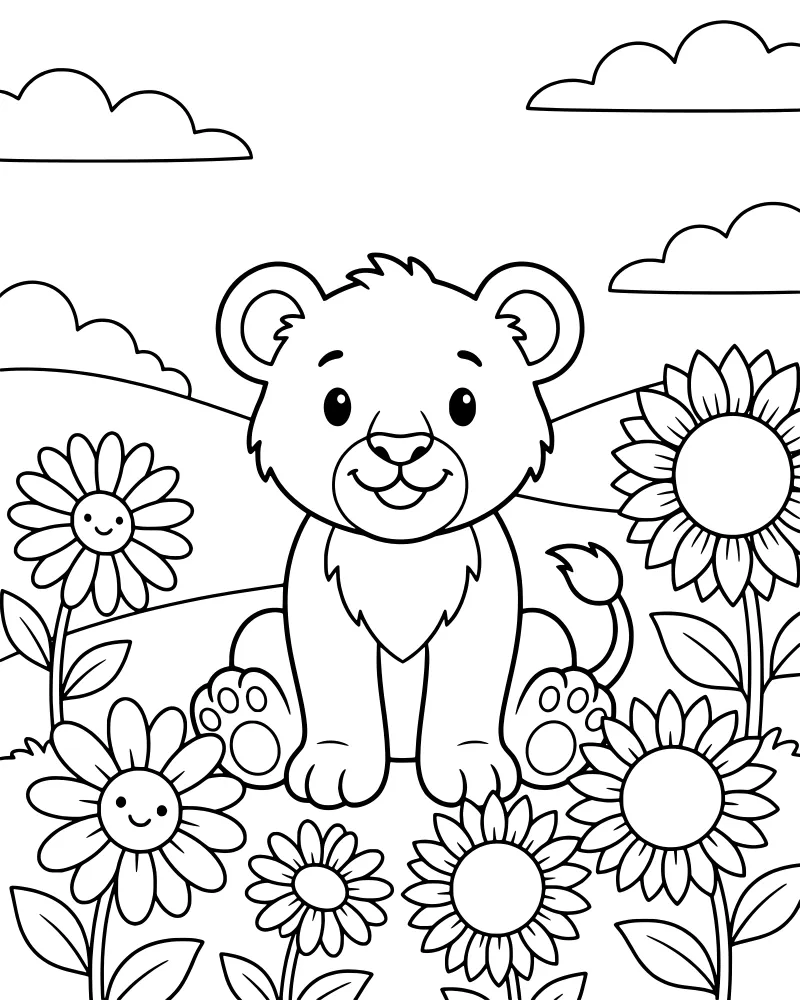
Lion Cub in Flower Field
Animals
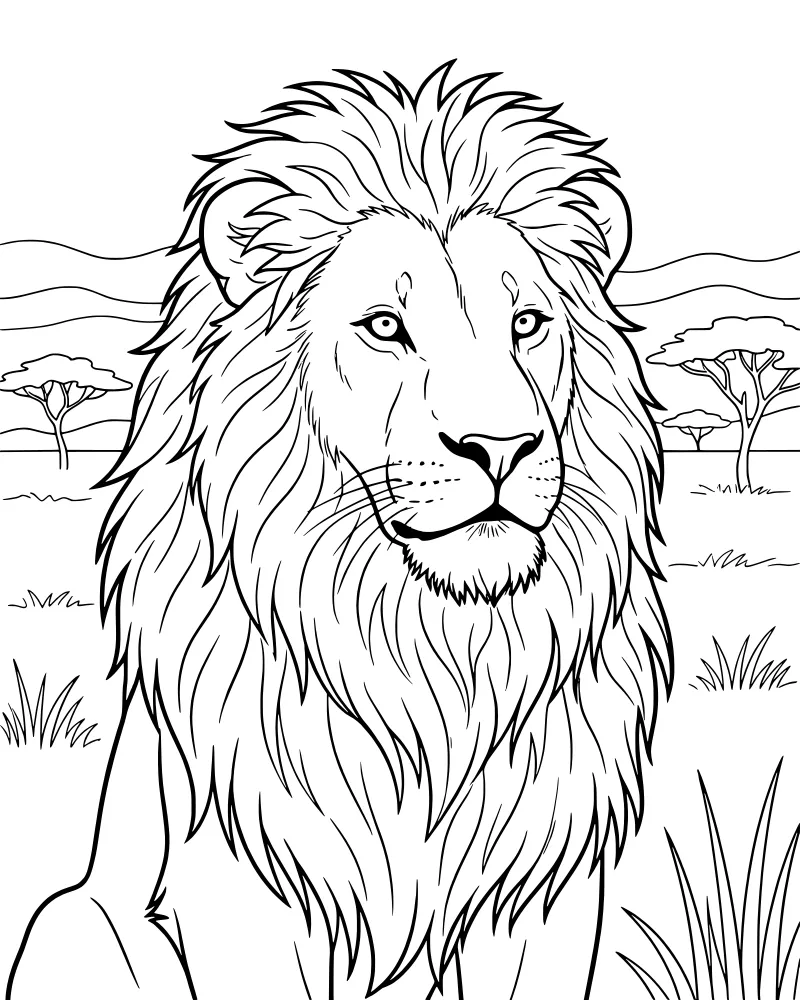
Majestic Lion in the African Savanna
Animals
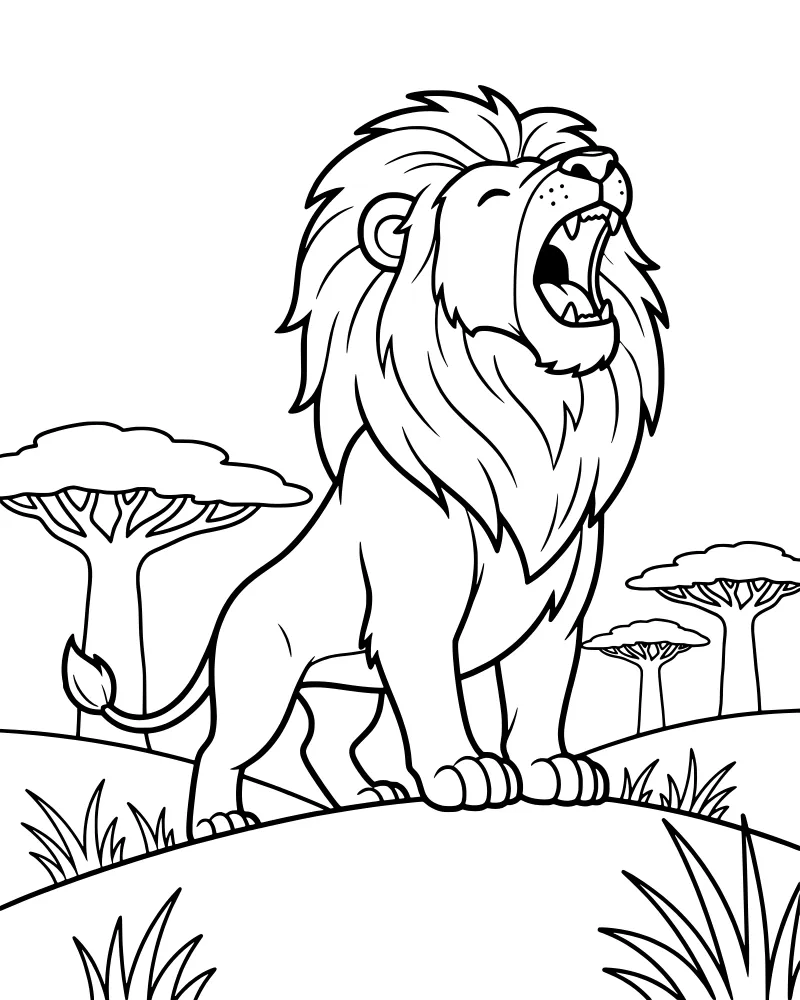
Roaring Lion on the African Savanna
Animals
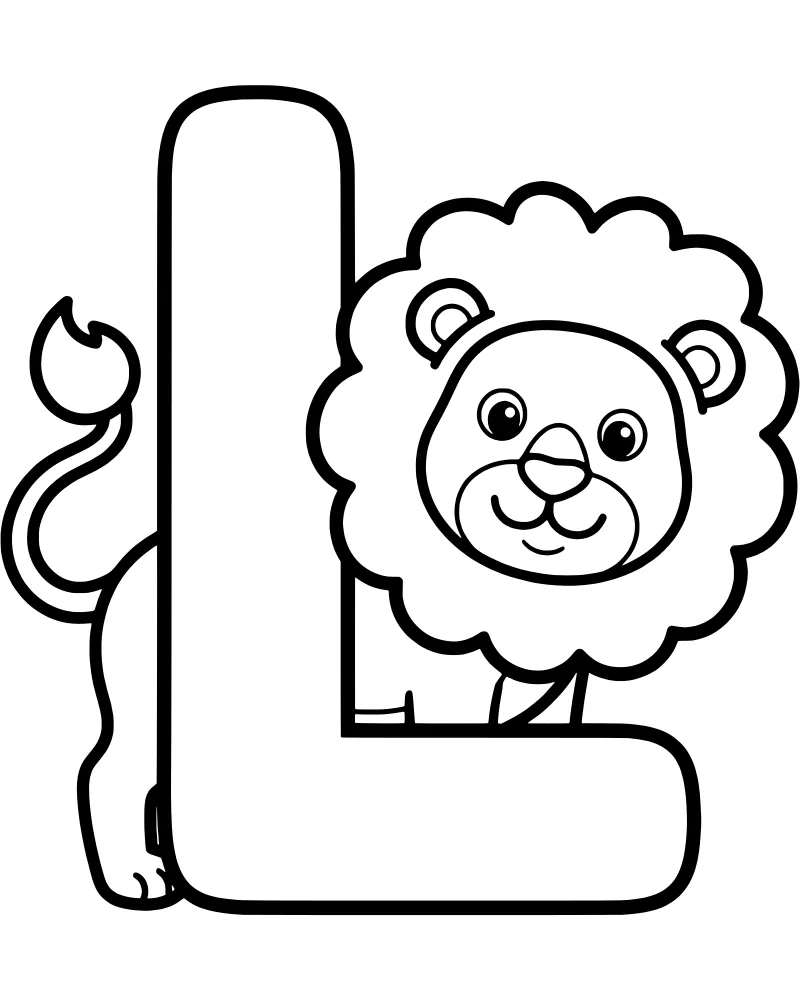
Friendly Lion Letter L
Educational
About This Collection
Lions are some of the most fascinating creatures on our planet. Known as the kings of the savanna, these powerful cats capture the imagination of children and adults alike with their golden manes and mighty roars. Coloring lion pages provides a wonderful way to explore the beauty of the animal kingdom from the comfort of your own home. Whether you are looking for a realistic depiction of a wild predator or a sweet, smiling cub, there is a design here for every mood and skill level. Spending time with these illustrations allows for a peaceful afternoon of artistic expression and learning about wildlife. These pages are designed to be easy to print and enjoy whenever the mood for a safari adventure strikes.
The Magnificent World of Wild Lions
Lions are unique among big cats because they live in social groups called prides. This social nature makes them a powerful symbol of family, community, and strength. When you look at a Majestic Lion in the African Savanna, you can see how they dominate the landscape with a sense of calm and authority. These animals spend a large portion of their day resting in the shade of acacia trees to stay cool in the heat of the sun. This behavior shows a different side of the fierce predator, highlighting their ability to relax and enjoy the peace of their environment. Studying these scenes helps children understand the balance of nature and the daily life of animals in the wild.
In the wild, a lion's roar can be heard from up to five miles away. This incredible sound is used to communicate with other members of the pride and to warn rivals to stay away from their territory. Capturing this energy on paper allows artists to think about the sounds and textures of the African plains. The way a lion carries itself, from its heavy paws to its watchful eyes, tells a story of survival and leadership. By focusing on these details, you can bring a sense of realism to your work while appreciating the sheer scale of these impressive felines.
Artistic Details of the Lion's Mane
One of the most recognizable features of a male lion is its thick, impressive mane. From an artistic perspective, the mane offers endless opportunities to experiment with different strokes and shading techniques. The mane actually serves a functional purpose in the wild, protecting the lion's neck during fights and making them look larger to potential threats. If you enjoy more complex designs that require a steady hand, the Majestic Mandala Lion Face provides a detailed pattern that encourages focus and patience. You can use varying shades of amber, gold, and even deep browns to create depth and texture within the fur.
When coloring a mane, think about the direction of hair growth. Using short, flicking motions with a colored pencil can mimic the look of individual hairs, while soft blending with a crayon can create a more velvety appearance. The contrast between the smooth face of the lion and the wild, chaotic texture of the mane is what makes these portraits so striking. You can even experiment with non-traditional colors like blues or purples to create a fantasy-inspired version of the king of beasts. This approach transforms a standard animal portrait into a unique piece of modern art.
Choosing the Perfect Color Palette
While we usually think of lions as having golden or tan fur, the savanna environment offers a rich spectrum of colors to work with. Consider using warm oranges and burnt sienna to capture the feeling of a sunset on the plains. This adds a dramatic flair to the scene and makes the lion stand out against the background. You might also try unexpected colors for a more whimsical approach, such as soft pinks for a cub or deep blues for a lion under the stars. The natural world is full of subtle shifts in tone, from the pale yellow of dried grass to the deep green of a leafy acacia tree.
For a more traditional look, layering different yellows and tans can make the lion's coat appear thick and healthy. Start with a light base of cream or pale yellow, then slowly add darker shades of ochre and brown in the shadowed areas. This technique, known as layering, gives the subject a three-dimensional feel. Don't forget the eyes! Lions often have piercing amber or golden eyes that serve as a focal point for the entire image. A small touch of a bright, contrasting color in the iris can make the lion look like it is staring right back at you from the page.
Educational Fun for Early Learners
Lions are often one of the first animals children learn about when studying the alphabet or the natural world. Their distinct features make them easy to recognize and fun to identify. Using a Friendly Lion Letter L is a fantastic way to combine literacy practice with a creative activity. It helps younger children associate the sound of the letter with a memorable character, making the learning process much more enjoyable and effective. This type of activity bridges the gap between play and education, fostering a love for both art and reading at an early age.
Beyond just the alphabet, coloring these pages can lead to discussions about geography, biology, and conservation. Parents can talk about where lions live, what they eat, and why it is important to protect their habitats. Seeing a lion in a variety of settings—from a circus ring to outer space—encourages children to think outside the box and use their knowledge of the animal in new and funny ways. It turns a simple coloring session into a comprehensive learning experience that covers multiple subjects while keeping the child engaged and entertained.
Printing and Activity Suggestions
To get the best results from your coloring session, we recommend using a slightly heavier paper or cardstock if you plan on using markers or watercolors. This prevents the colors from bleeding through and makes the finished piece sturdy enough to display on the refrigerator or in a frame. If you are using standard printer paper, colored pencils or crayons are usually the best choice. Make sure your printer settings are set to high quality to capture all the fine lines and details of the more intricate designs. This ensures that every strand of the mane and every leaf in the background is crisp and clear.
Once the page is complete, there are many ways to extend the fun. You can cut out the lions to create a jungle-themed diorama or use them as puppets for a storytelling session. Creating a gallery wall of different lion species and characters is another great way to show off your hard work. These finished pages can also be turned into personalized greeting cards or birthday decorations for a safari-themed party. The possibilities for using these printed pages are limited only by your own ideas, making them a versatile resource for any rainy day or quiet afternoon at home.