Discover a world of Jurassic fun with our dinosaur coloring pages. High-quality, free printable sheets featuring T-Rex, Triceratops, and more for all ages.
Dinosaur Coloring Pages
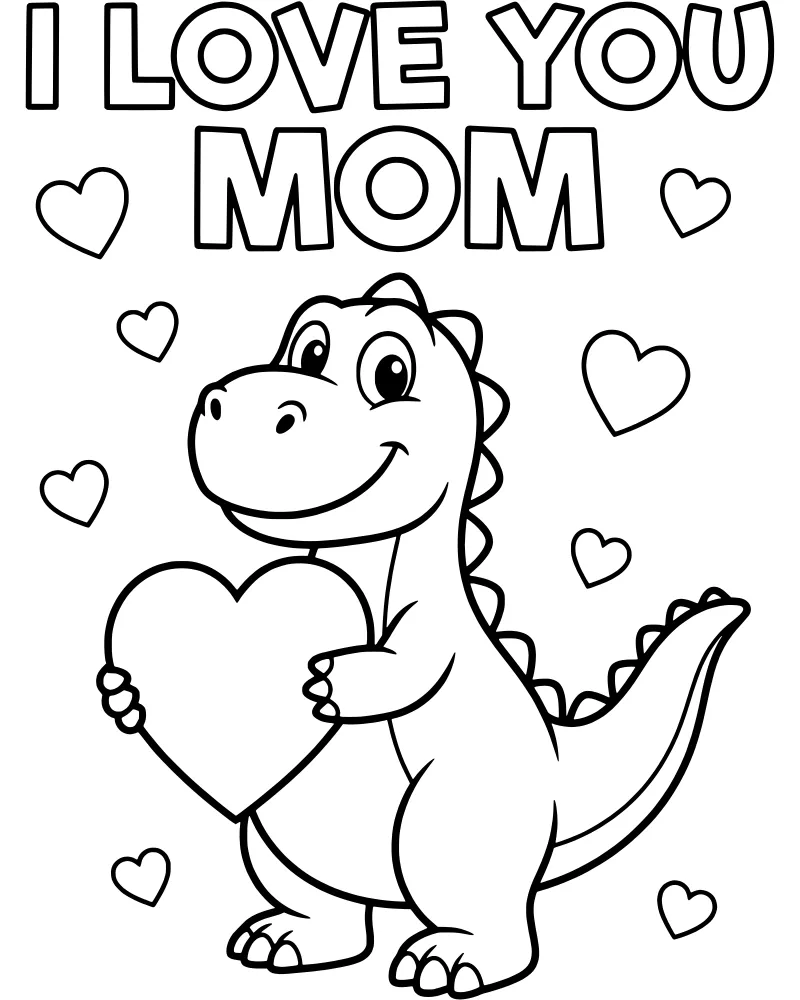
Sweet Dinosaur Mother's Day Gift
Holidays & Celebrations
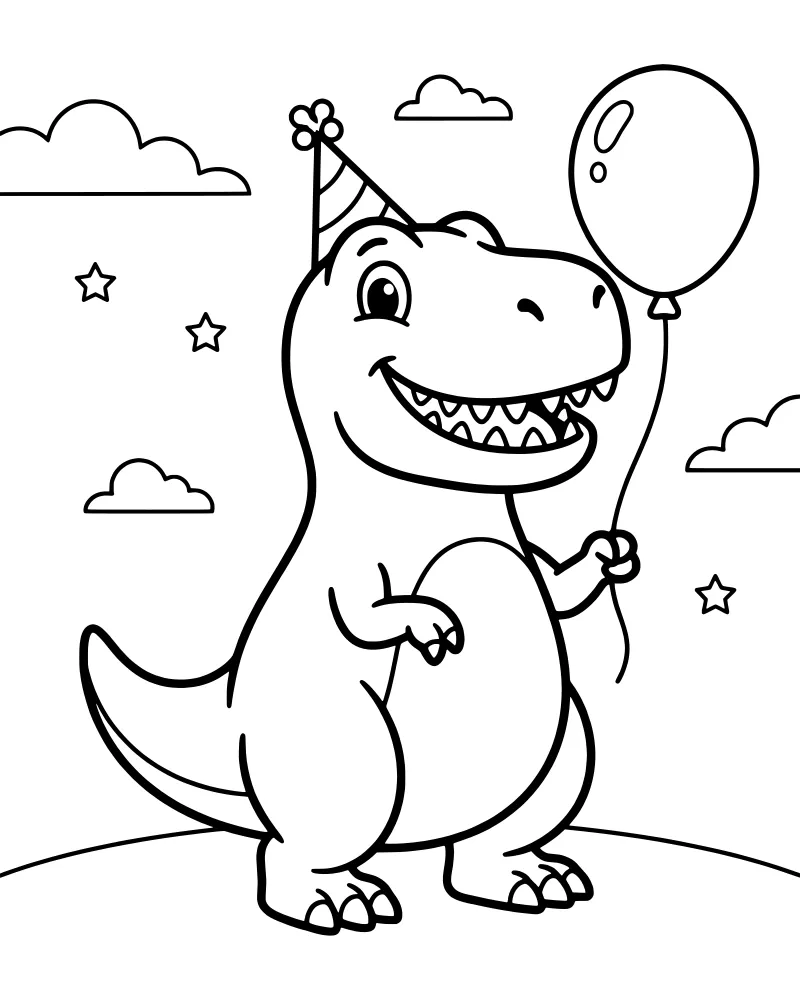
Friendly Dinosaur Birthday Celebration
Dinosaurs
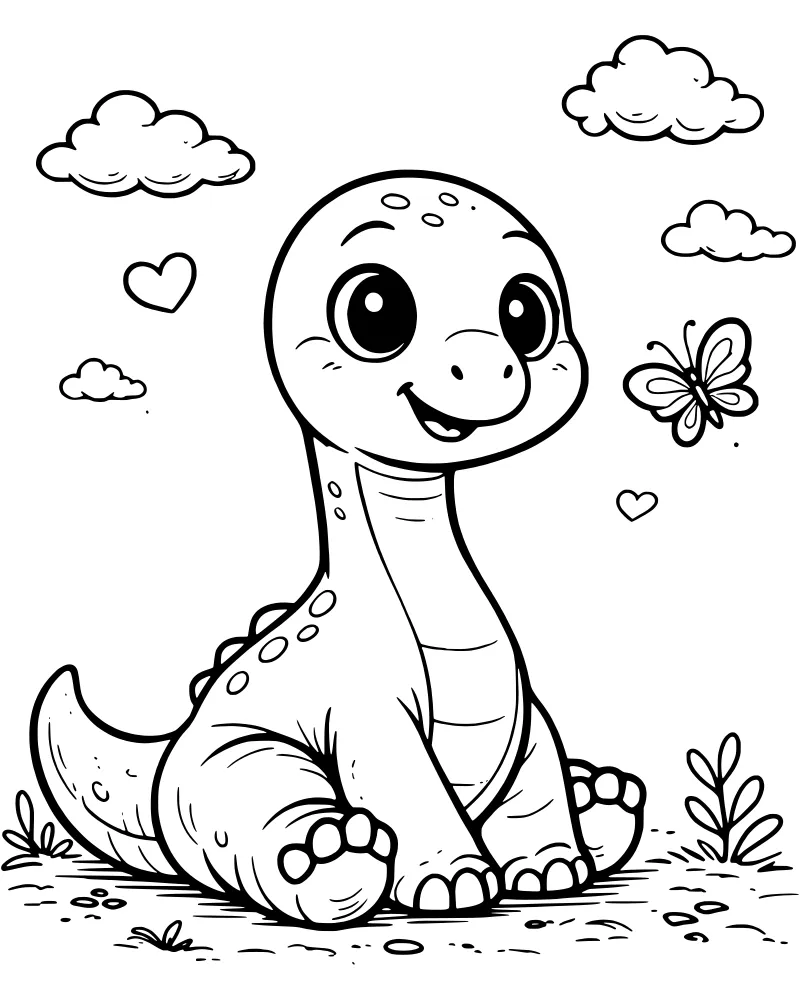
Cute Baby Dinosaur and Butterfly
Dinosaurs
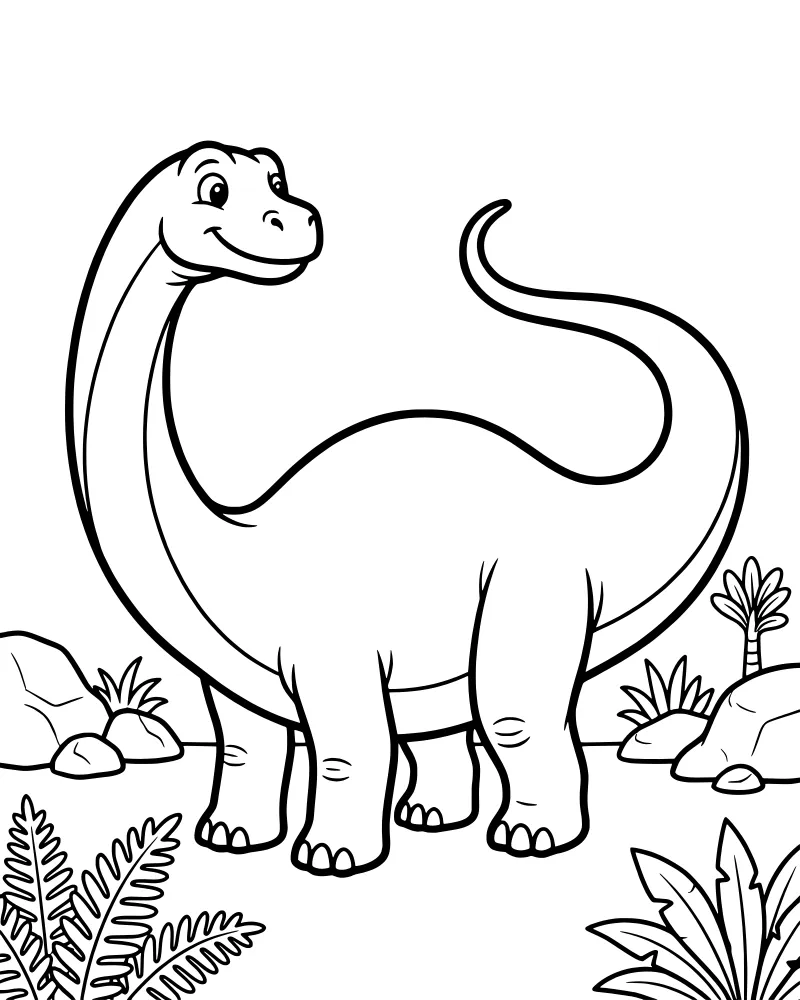
Friendly Brontosaurus in Prehistoric Jungle
Dinosaurs
Friendly Baby Dinosaur in Prehistoric Landscape
Dinosaurs
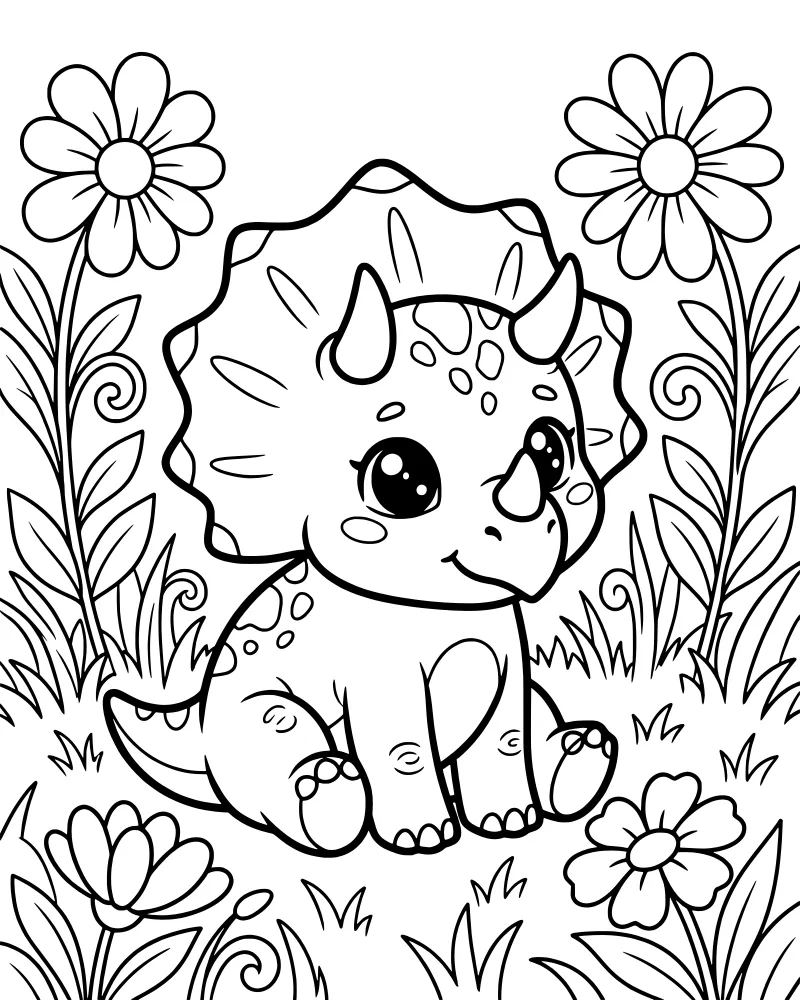
Friendly Baby Triceratops in Flower Field
Dinosaurs
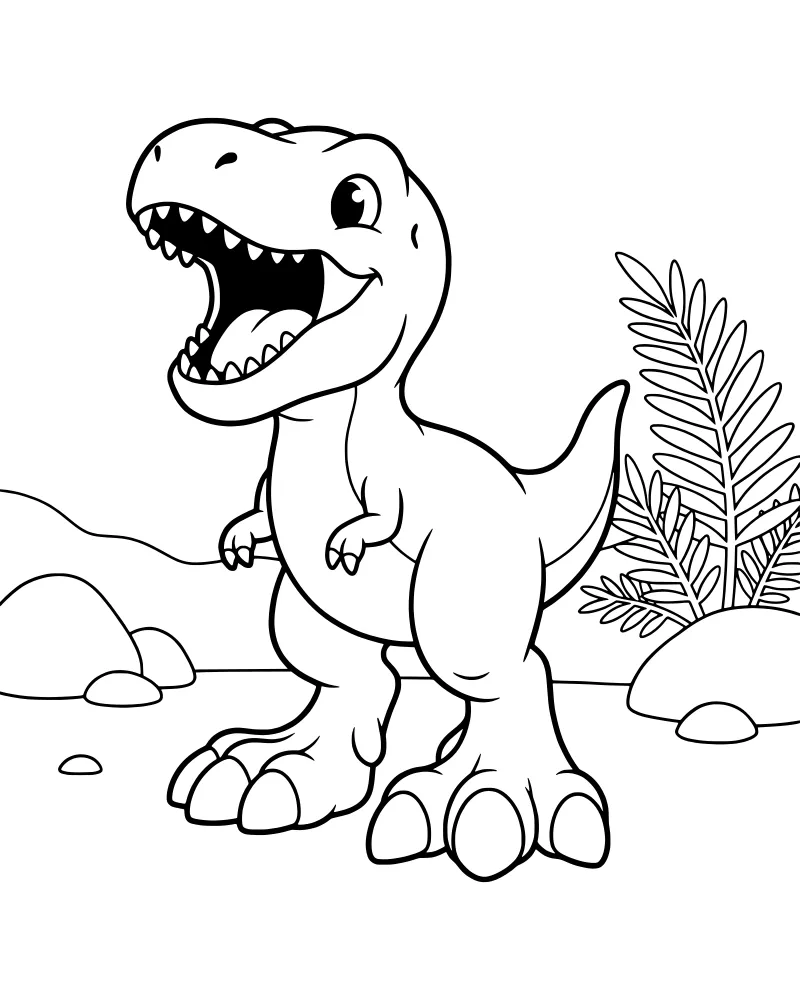
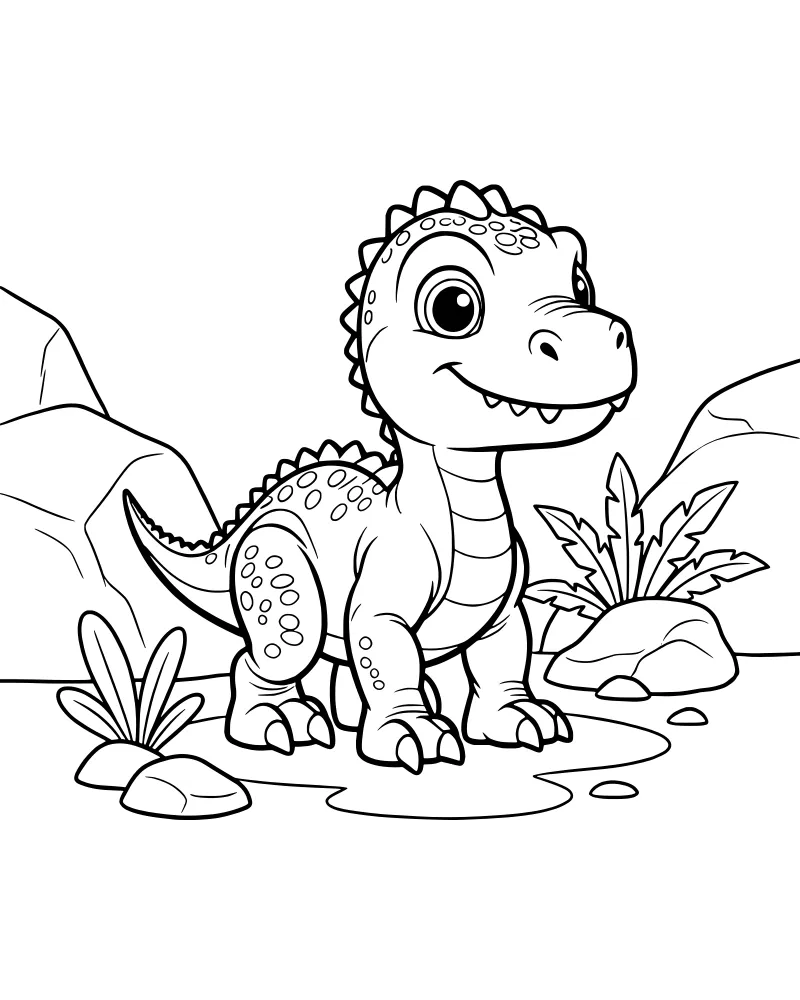
Friendly Cartoon T-Rex in Prehistoric Landscape
Dinosaurs
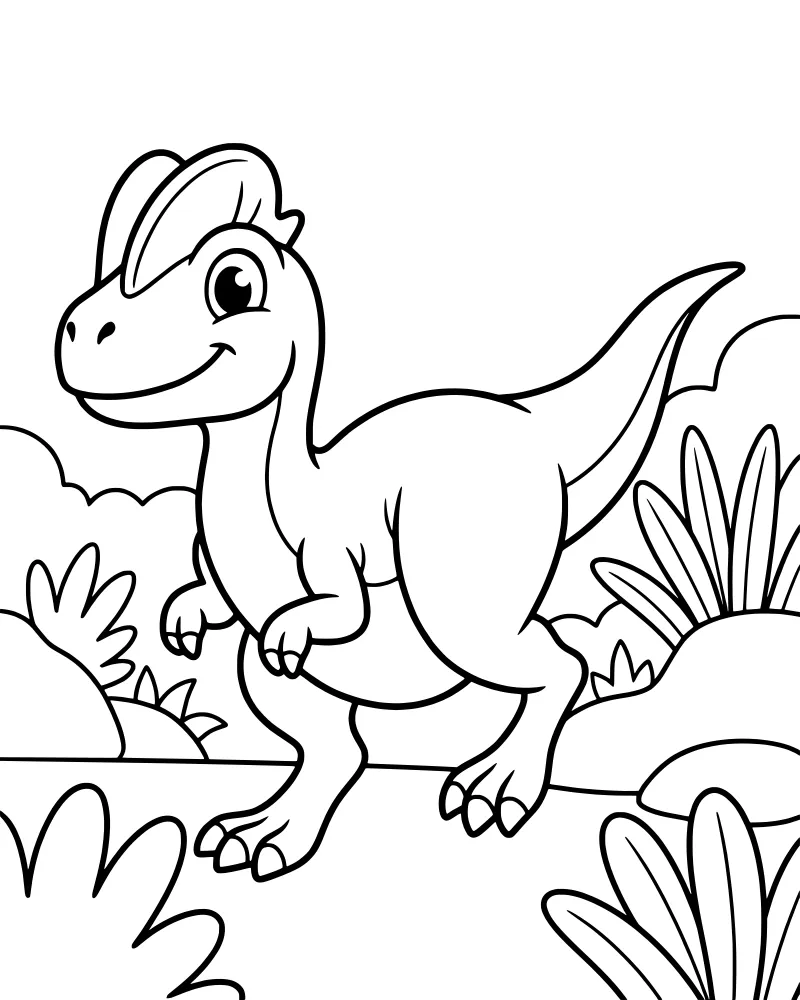
Friendly Crested Dinosaur in Prehistoric Nature
Dinosaurs
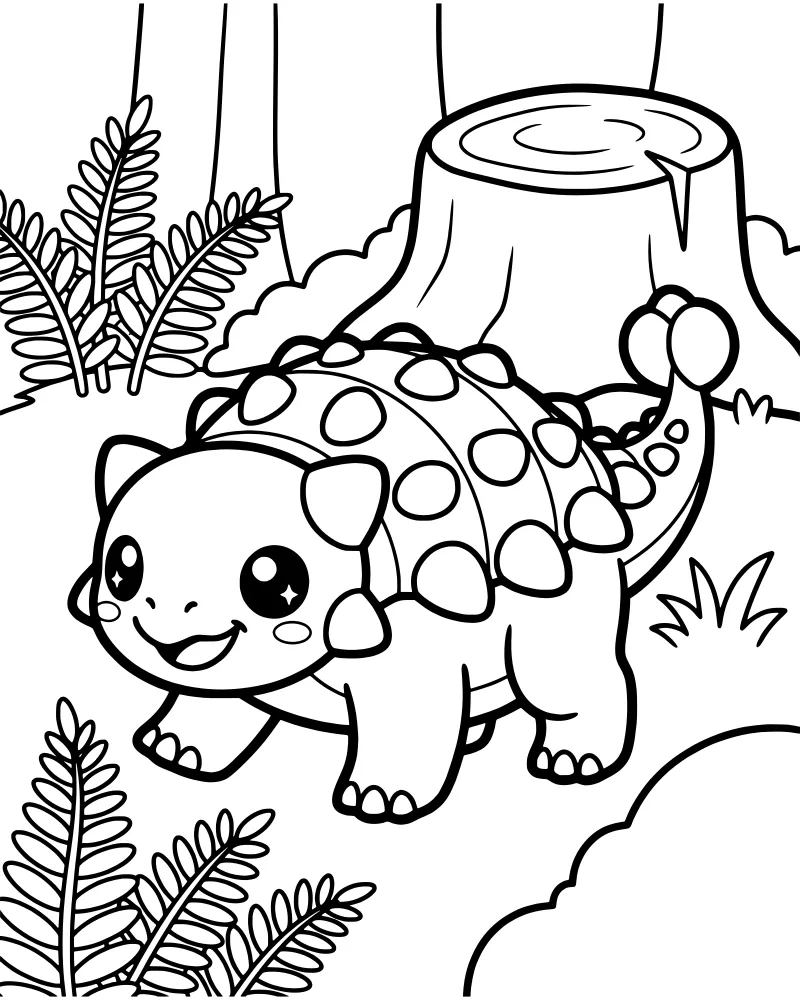
Friendly Forest Dinosaur
Dinosaurs
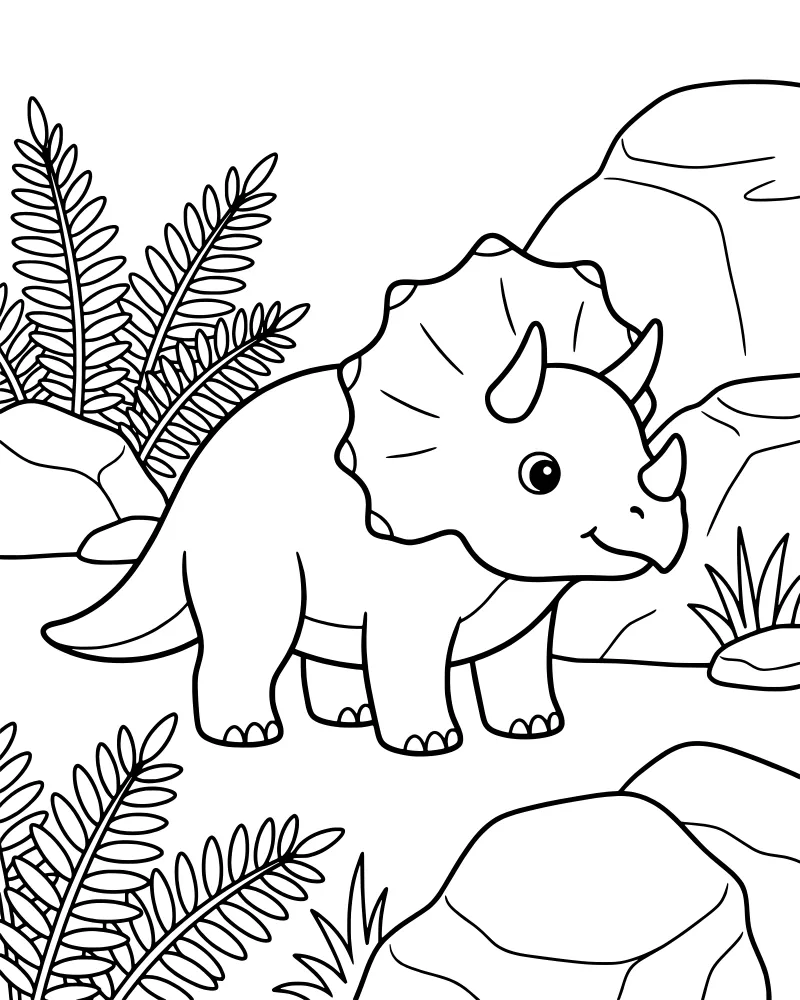
Friendly Triceratops in Prehistoric Ferns
Dinosaurs
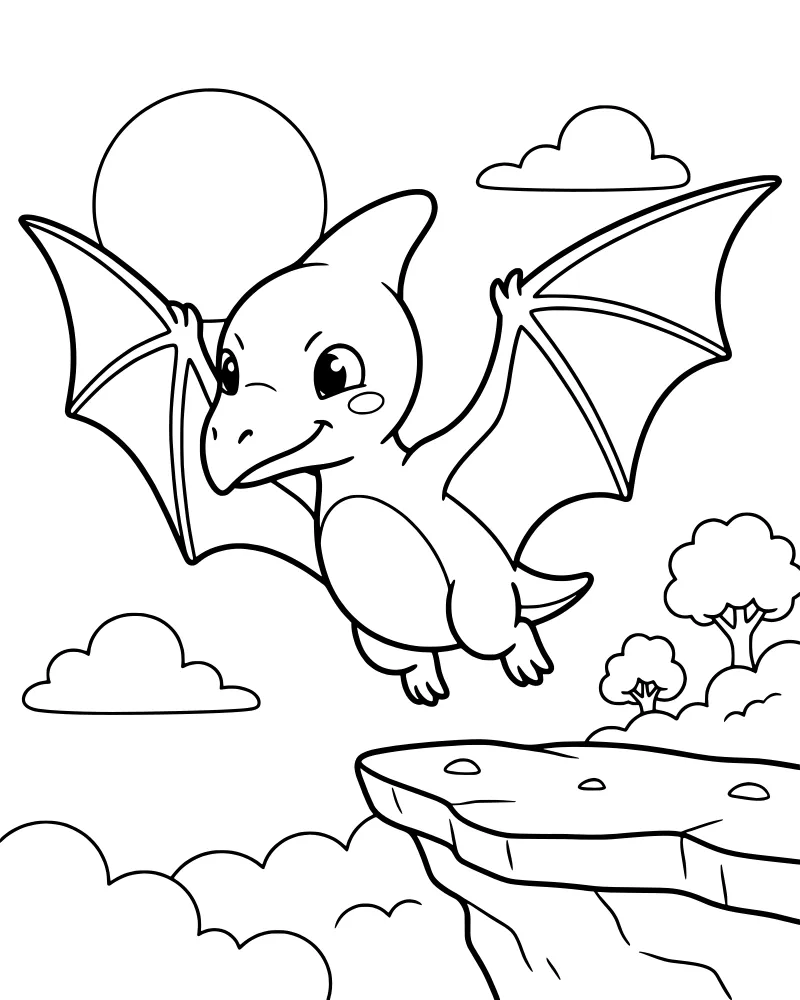
Happy Flying Pterodactyl Near Mountain Cliffs
Dinosaurs
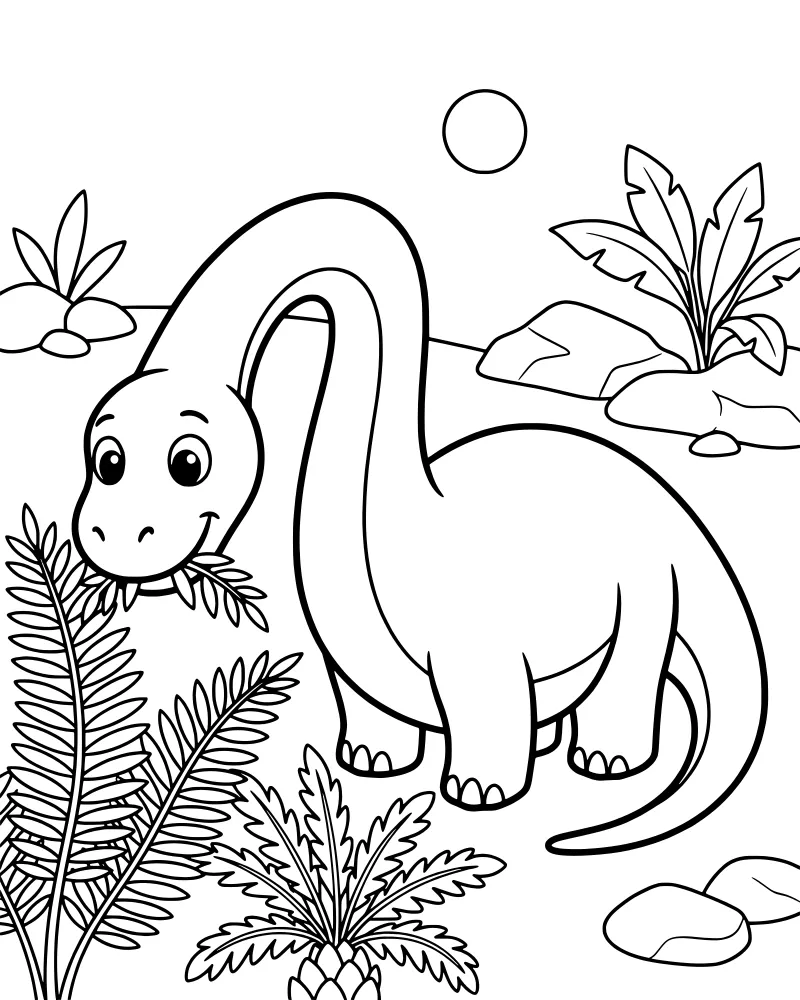
Long Neck Dinosaur Eating Ferns
Dinosaurs
About This Collection
Travel back millions of years to a time when giants walked the earth and the world was a wild, untamed wilderness. Dinosaurs have always captured our collective sense of wonder, from the massive herbivores grazing on ancient treetops to the swift predators roaming the prehistoric jungles. These prehistoric creatures offer a unique window into a world of mystery and scale that fascinates children and adults alike. Our collection of printable dinosaur coloring sheets provides a creative way to explore the Jurassic and Cretaceous periods from the comfort of your home. Whether you prefer the gentle giants or the winged reptiles of the sky, there is a page here to spark your curiosity. Grab your favorite coloring tools and prepare to bring these magnificent beasts back to life with your own personal touch.
The Lasting Fascination with Ancient Reptiles
Dinosaurs occupy a special place in our culture because they represent a bridge between reality and myth. Unlike dragons or monsters from fairy tales, dinosaurs were real living beings that once dominated every corner of the globe. This reality makes them even more exciting to explore through art. When children pick up a crayon to color a prehistoric scene, they are connecting with a history that spans hundreds of millions of years. It encourages a sense of scientific inquiry and a love for natural history that can last a lifetime.
Beyond just the thrill of big teeth and long tails, these creatures teach us about adaptation and the incredible diversity of life. From the armored plates of a Stegosaurus to the hollow bones of a Pterodactyl, every feature had a purpose. Coloring these details allows artists to slow down and notice the unique physical traits that helped these animals survive in a world much different from our own. It is a peaceful way to engage with a topic that is often associated with loud roars and heavy footsteps.
Artistic Approaches for Prehistoric Scenes
One of the best things about coloring dinosaurs is that no one knows for sure what color many of them actually were. While paleontologists have found evidence of feathers and even some pigments in rare fossils, there is still plenty of room for creative interpretation. You might choose to give your Friendly Cartoon T-Rex in Prehistoric Landscape a vibrant coat of orange and yellow stripes to help him hide in tall autumn grasses, or perhaps a deep forest green for blending into the thick ferns. There are no wrong answers when it comes to prehistoric palettes.
To make your pages pop, try experimenting with different textures. Instead of using a solid block of color, use short, overlapping strokes to mimic the look of pebbled skin or scales. You can also use a white colored pencil or a silver gel pen to add highlights to the ridges of a dinosaur’s back or the glint in its eye. Adding these small details brings a sense of depth and realism to the page, making the ancient world feel much closer than it really is.
Learning About Habitats through Coloring
Dinosaurs lived in a variety of environments, ranging from arid deserts to lush, swampy wetlands. When you choose a page like the Spinosaurus Fishing in Prehistoric River, you are getting a glimpse into a specific ecological niche. This particular dinosaur was well-adapted for life near the water, and coloring the ripples in the river or the scales of the fish it has caught can be a great way to think about how predators interacted with their surroundings. The background elements like palm trees and volcanic mountains provide a rich setting for your main subject.
Understanding these habitats helps children visualize the Earth as a changing, dynamic place. A scene featuring a Long Neck Dinosaur Eating Ferns highlights the relationship between the massive herbivores and the prehistoric flora that sustained them. You can use various shades of emerald, lime, and olive to create a dense jungle atmosphere. Thinking about the environment also helps you decide on the lighting for your page—will it be a bright, sunny afternoon in the Cretaceous period, or a misty, foggy morning in a Jurassic swamp?
Tips for a Better Coloring Experience
To get the most out of your printing experience, consider using a slightly heavier weight of paper if you plan on using markers or watercolors. This prevents the colors from bleeding through and allows you to layer different shades more effectively. If you are using colored pencils, keep a sharpener nearby so you can easily fill in the small gaps between the prehistoric ferns and the intricate patterns on the dinosaur’s hide. Mixing different media, such as using crayons for the background and markers for the dinosaur itself, can create a striking contrast that makes the main character stand out.
Once the coloring is finished, there are many ways to keep the fun going. You can cut out the dinosaurs to create a prehistoric mural on a bedroom wall or laminate the pages to use as durable placemats. Some families even use these pages as the basis for a storytelling activity, where each person describes what their dinosaur is doing and where it is traveling. This turns a simple solo activity into a collaborative game that builds vocabulary and storytelling skills while celebrating a shared love for the world of dinosaurs.