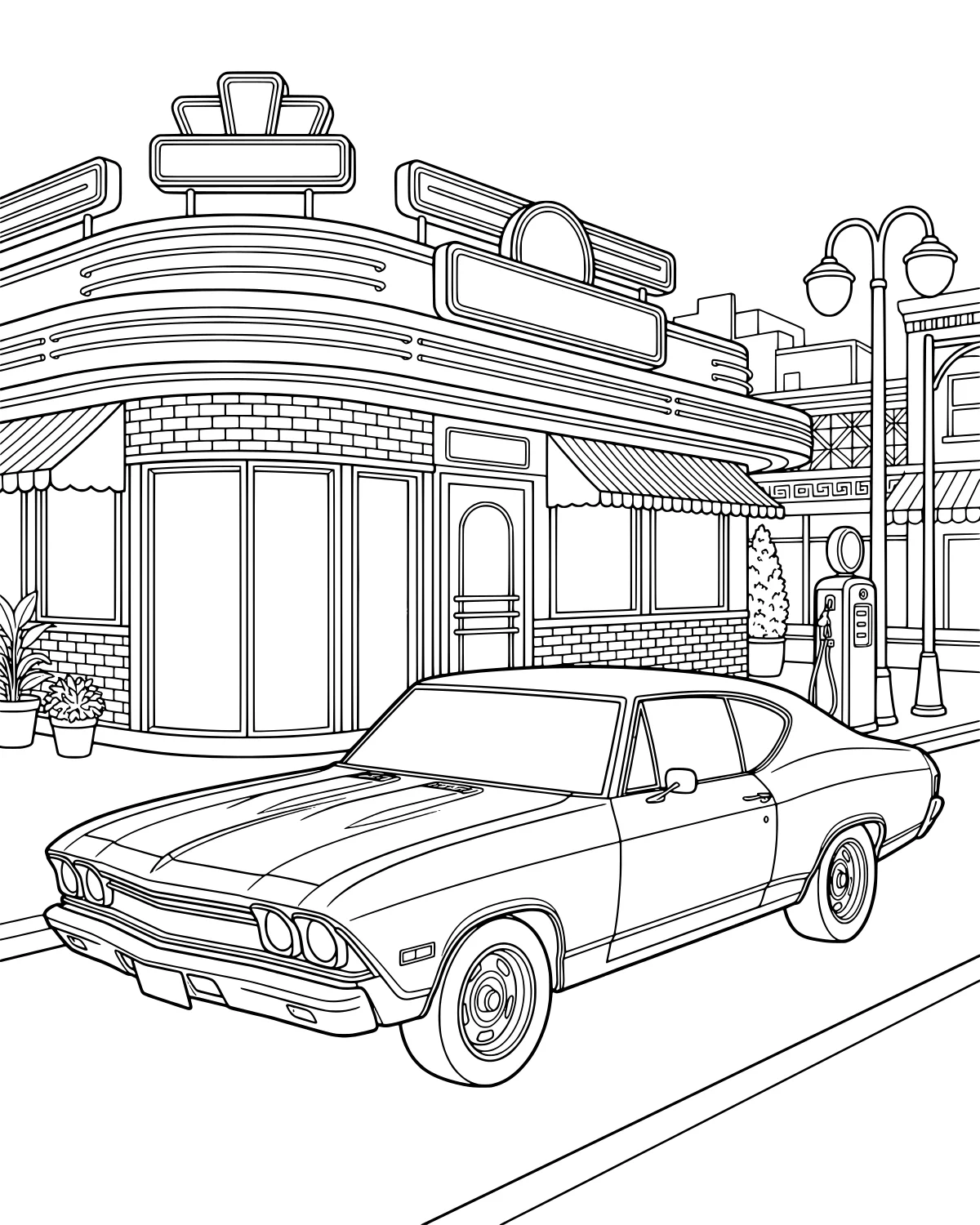
This charming scene takes us back to a time of neon signs and shiny chrome. A classic car sits proudly on the street, parked right in front of a cozy American diner. You can almost hear the jukebox playing as you look at the large windows and the welcoming awning. This page offers a wonderful mix of architectural details and automotive curves that make it a joy to fill with color. It captures a peaceful moment in a bustling town square where everyone stops for a milkshake and a quick fill-up at the pump.
Color Palette Ideas
What's In This Picture
Your coloring journey begins with the centerpiece, a beautiful classic car with large fenders and a rounded hood. Just behind it stands the diner, featuring a striped awning and a detailed brick facade that frames the large glass windows. To the side, an old-fashioned gas pump stands ready for service on the sidewalk. You will also find tall street lights lining the street and small potted plants adding a touch of greenery near the entrance. In the distance, other buildings in the background peek out, giving the whole scene a sense of depth. The sidewalk and street provide plenty of space to practice shading and ground the scene in a realistic setting.
Coloring Tips
For the vintage car, try using bold, saturated colors like cherry red, turquoise, or sunny yellow to make it stand out against the street. You can leave small white slivers on the bumpers and hubcaps to mimic the look of shiny chrome. The diner's brick facade looks fantastic when you use a mix of terracotta and burnt orange tones. To create a warm glow, use a light yellow or soft orange for the windows, suggesting a cozy atmosphere inside. Don't forget the gas pump; these were often painted in bright, contrasting colors to catch the eye of passing drivers. For the street and sidewalk, a light grey or tan works well to keep the focus on the main subjects.
Did You Know?
Did you know that many early American diners were actually built from old railroad dining cars? That is why they often have a long, narrow shape and lots of windows. They became popular because they were open late and served affordable comfort food to travelers and local families alike. The gas pumps in those days often had a glass globe on top that would light up at night.
Try This!
After you finish coloring the scene, try coming up with a creative name for the diner and writing it on the sign above the door. You could also draw a small menu on a separate piece of paper showing what kind of milkshakes, burgers, and fries they serve inside. If you want to add more detail, draw a few people walking on the sidewalk or sitting inside the windows.
Frequently Asked Questions
What colors were 1950s cars usually?
How can I make the diner windows look like they are glowing?
What is the best way to color the brick walls?
Popular Collections
Animal Coloring Pages
Animals bring a special kind of life to any art project. Whether you love the quiet of a deep forest...
Spring Coloring Pages
As the frost melts away and the first green shoots poke through the soil, we welcome the vibrant ene...
Cute Coloring Pages
Finding something charming and sweet to color is one of the quickest ways to brighten a rainy aftern...

Kawaii Coloring Pages
Kawaii is more than just a word for cute; it is a whole aesthetic that celebrates the joy in the sma...
You Might Also Like
Fox Pilot Flying Propeller Plane
Vehicles & Transportation
Happy Zoo Train Adventure with Animals
Vehicles & Transportation
Cheerful Racing Car Number Five on Track
Vehicles & Transportation
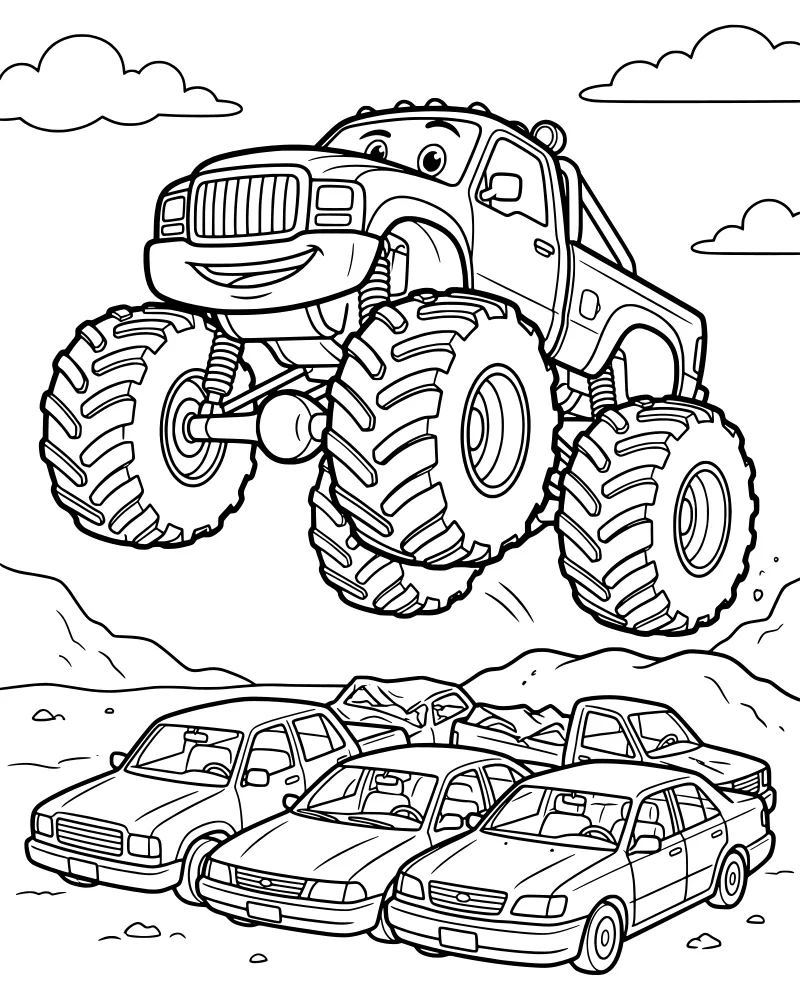
Big Wheels Jumping Monster Truck
Vehicles & Transportation
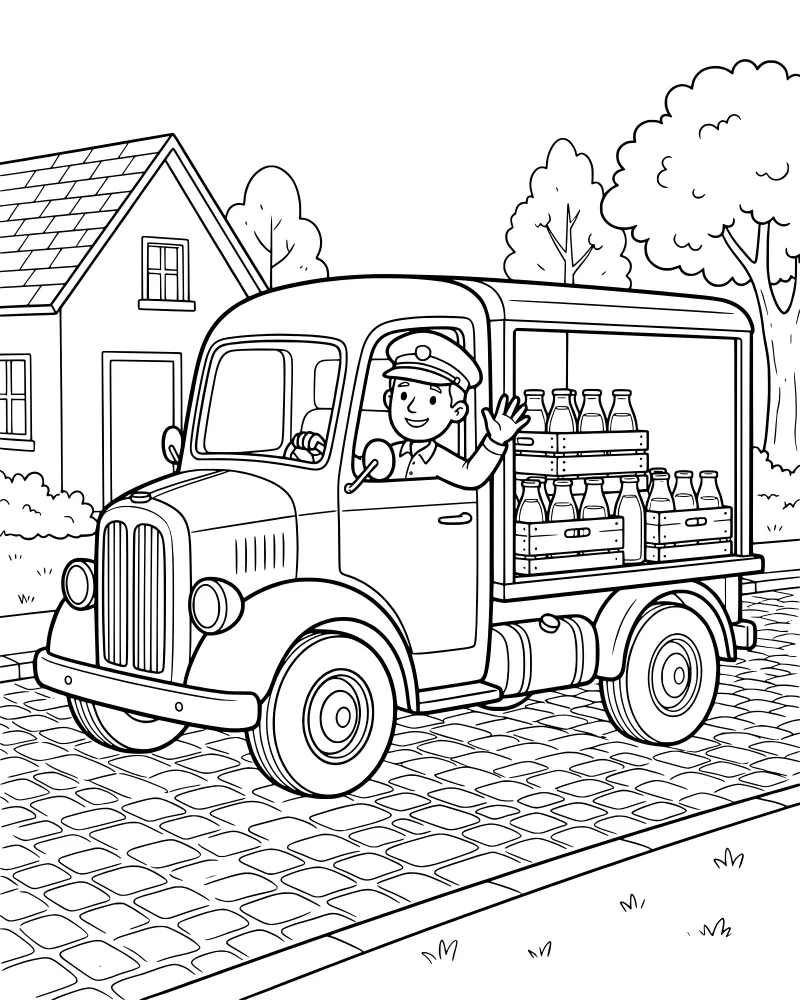
Friendly Milkman Delivering Fresh Milk
Vehicles & Transportation
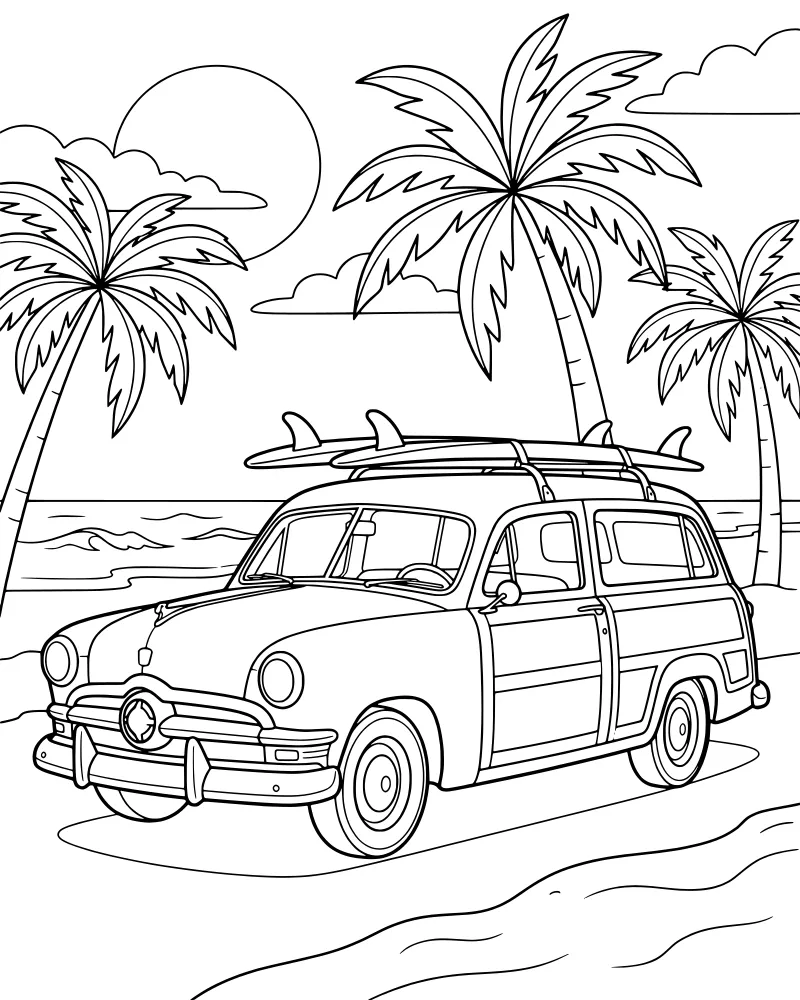
Vintage Beach Surf Wagon
Vehicles & Transportation
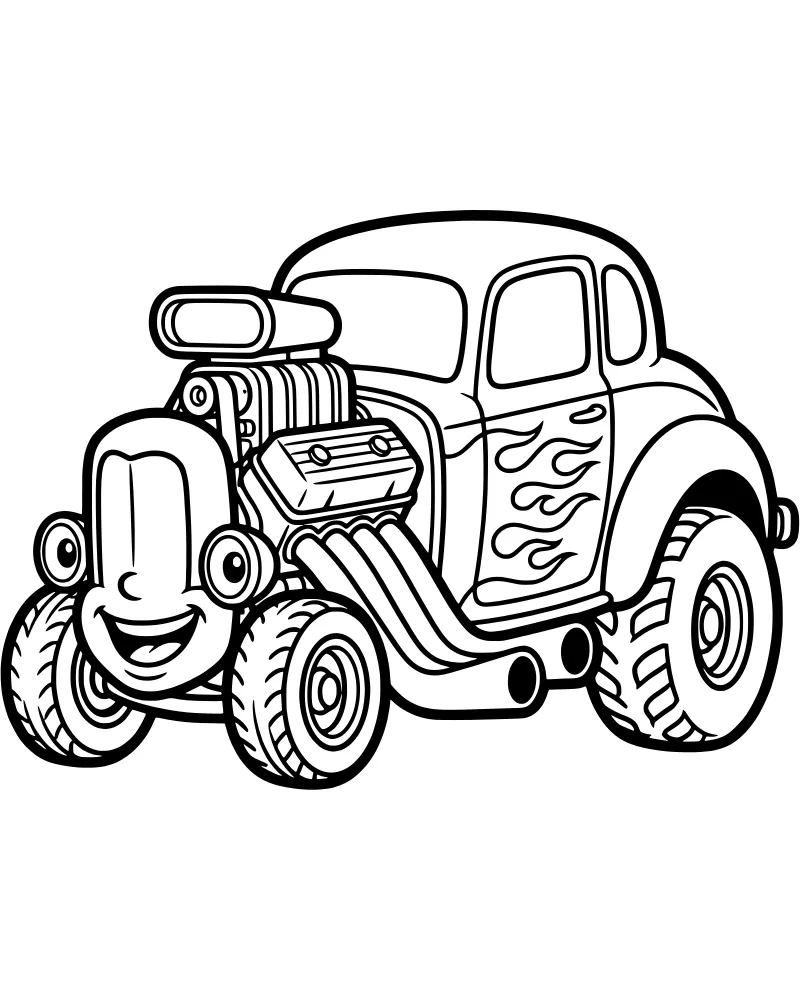
Friendly Cartoon Hot Rod with Flames
Vehicles & Transportation
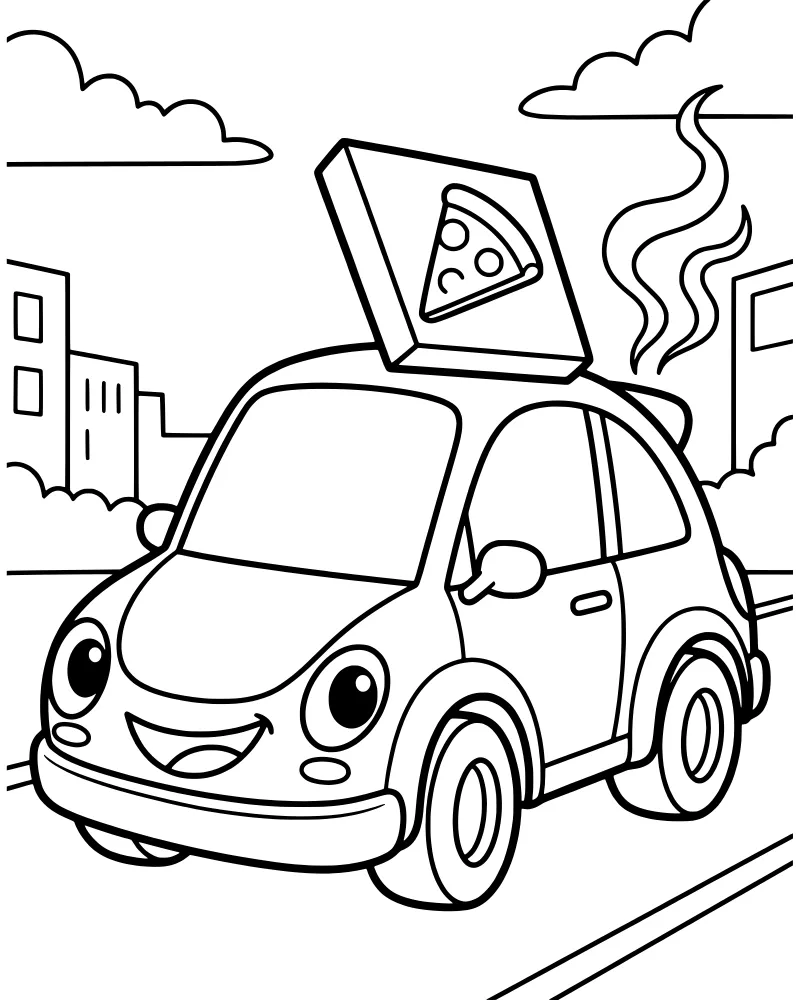
Cheerful Pizza Delivery Car City Scene
Vehicles & Transportation