Explore our collection of funny coloring pages featuring silly animals, dancing food, and quirky characters. Perfect for a lighthearted and joyful coloring day.
Funny Coloring Pages
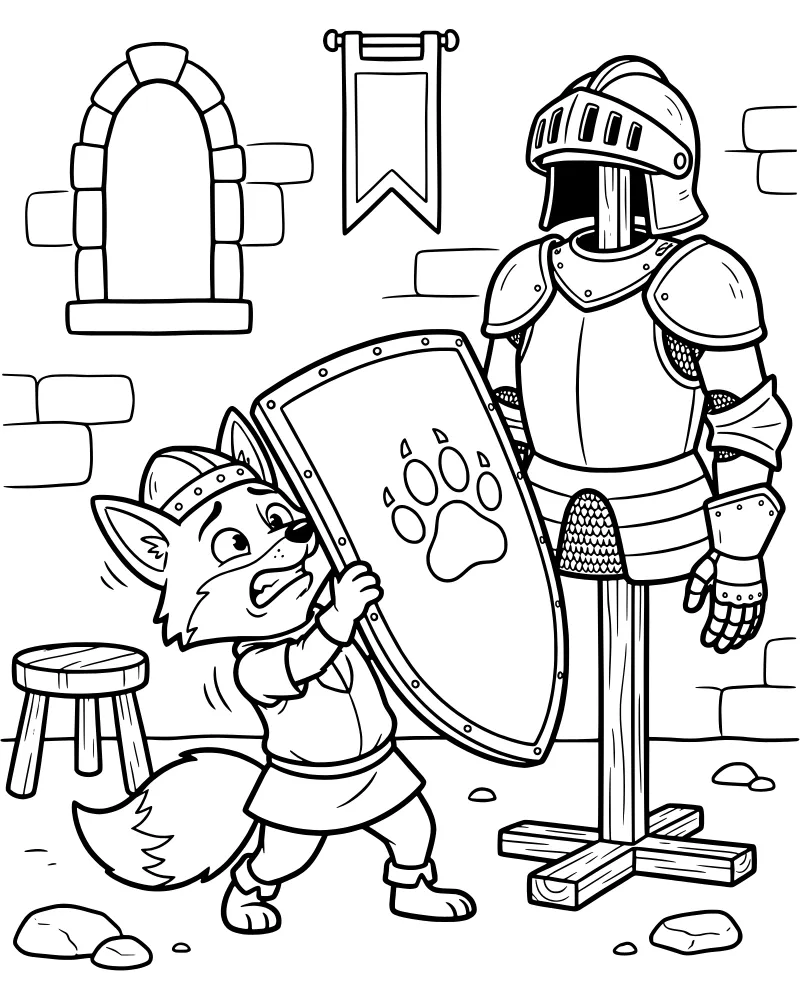
Little Fox Knight Lifting Heavy Shield
Fantasy & Mythology
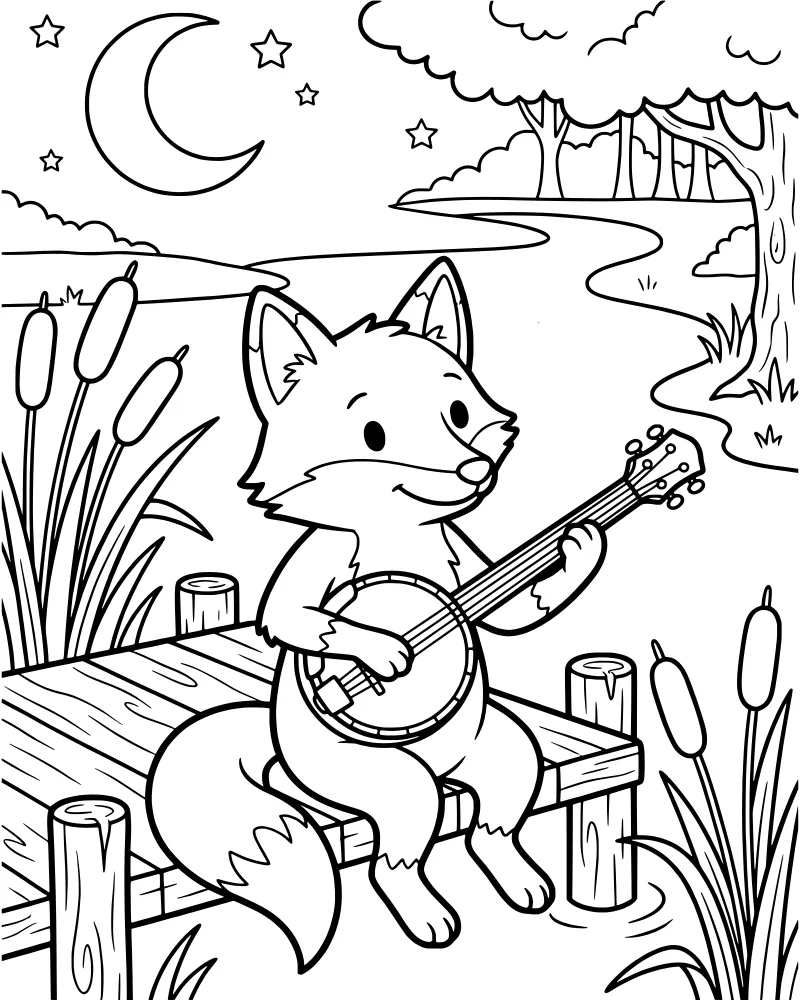
Fox Playing Banjo on a Moonlit Dock
Animals
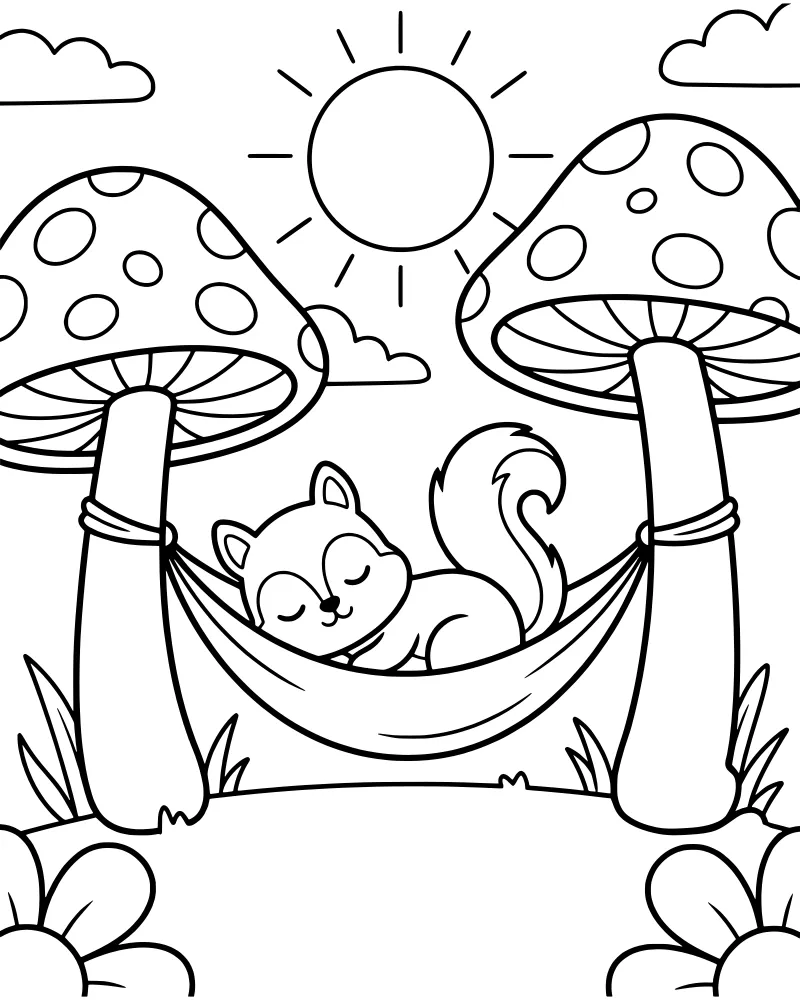
Whimsical Squirrel Napping in Mushroom Hammock
Animals
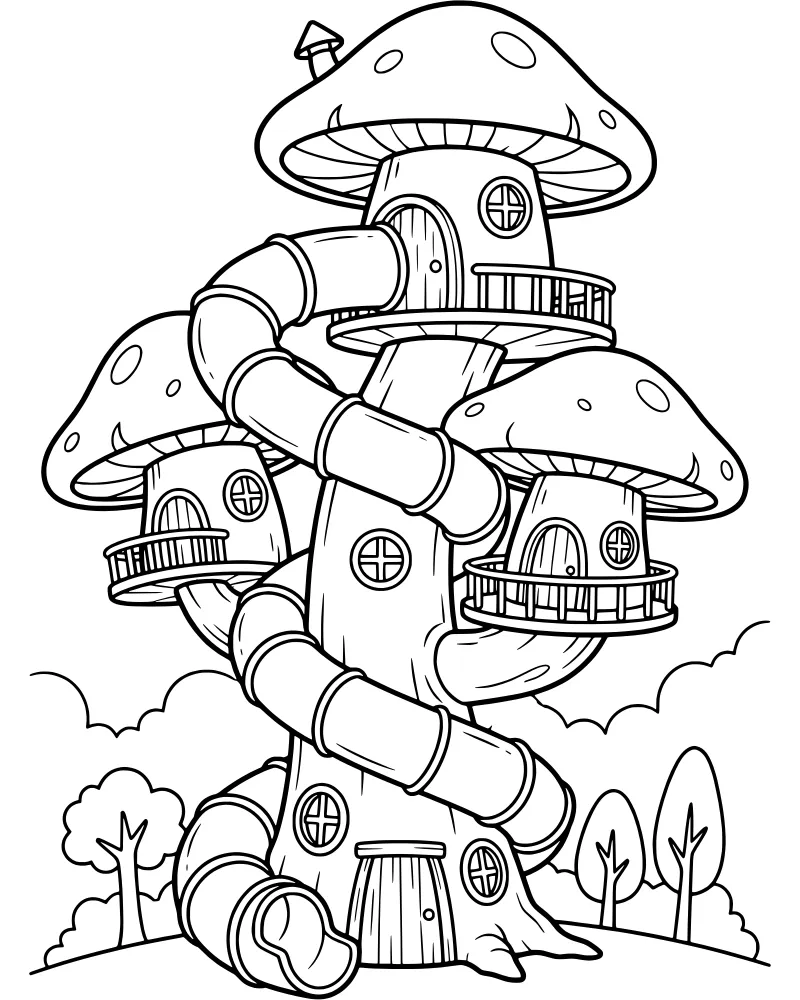
Whimsical Mushroom Treehouse With Tube Slides
Fantasy & Mythology
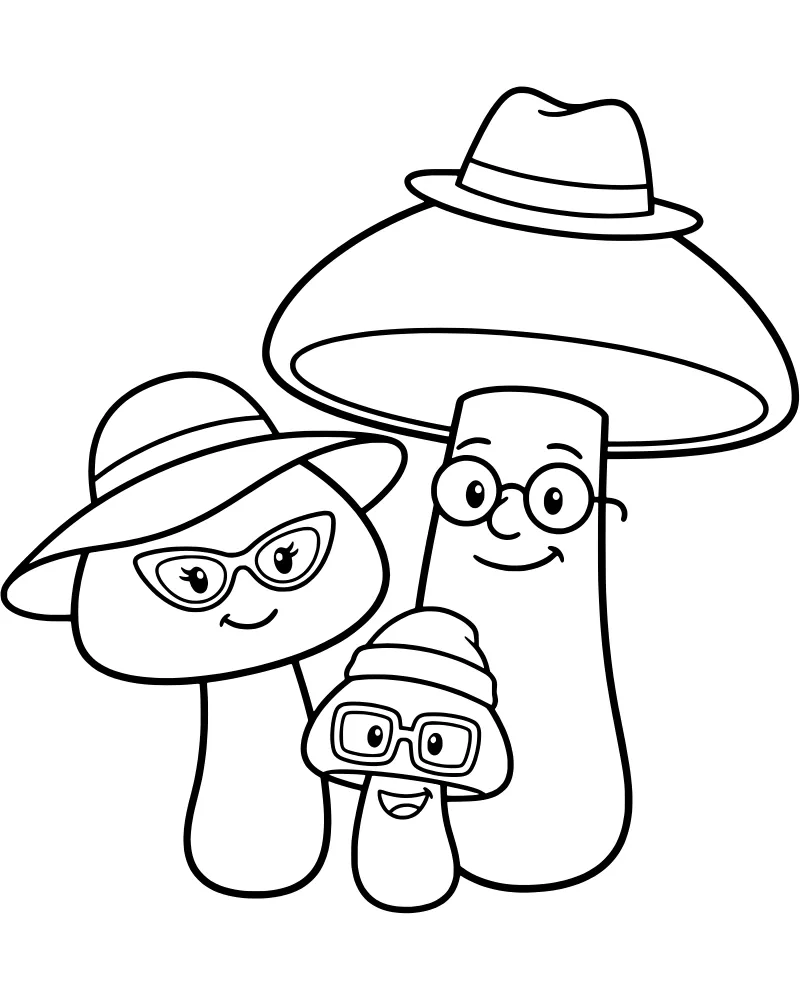
Friendly Mushroom Family with Hats
Nature & Outdoors
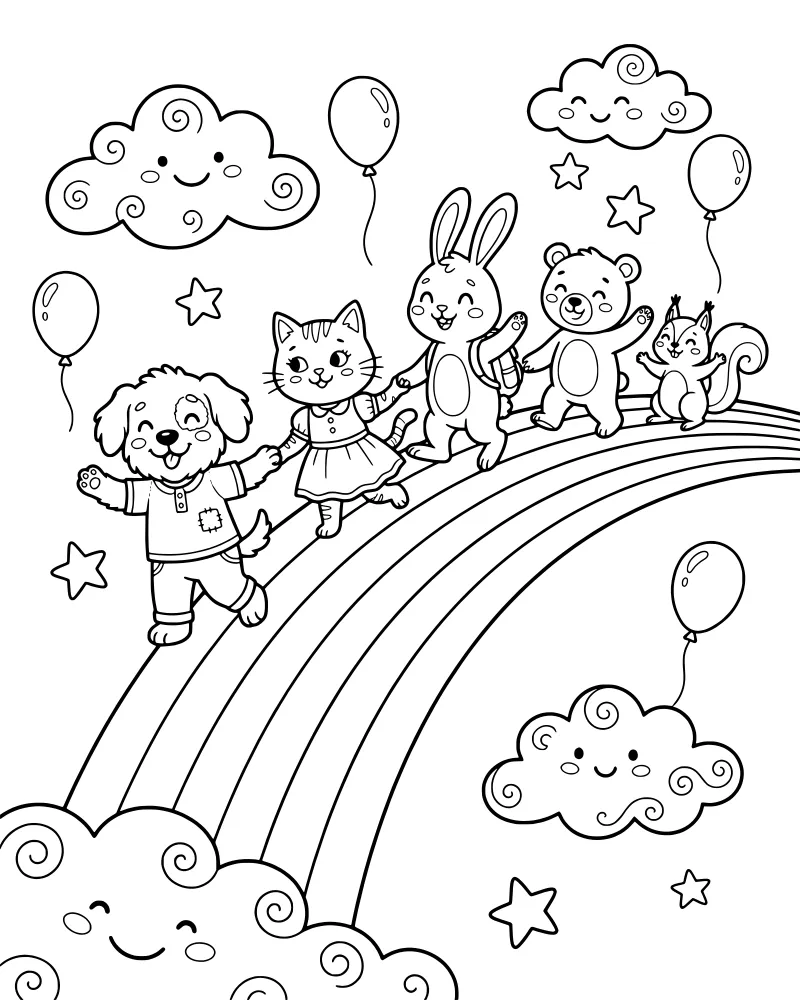
Whimsical Animal Friends Crossing a Rainbow
Animals
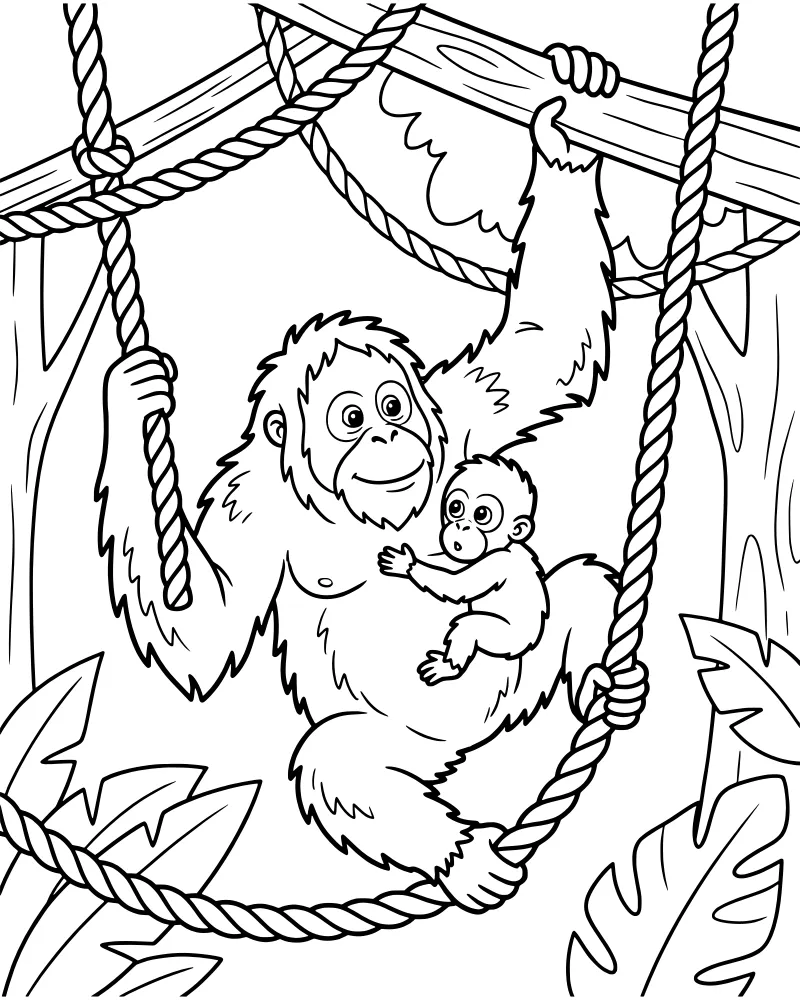
Playful Mother and Baby Orangutan Swing
Animals
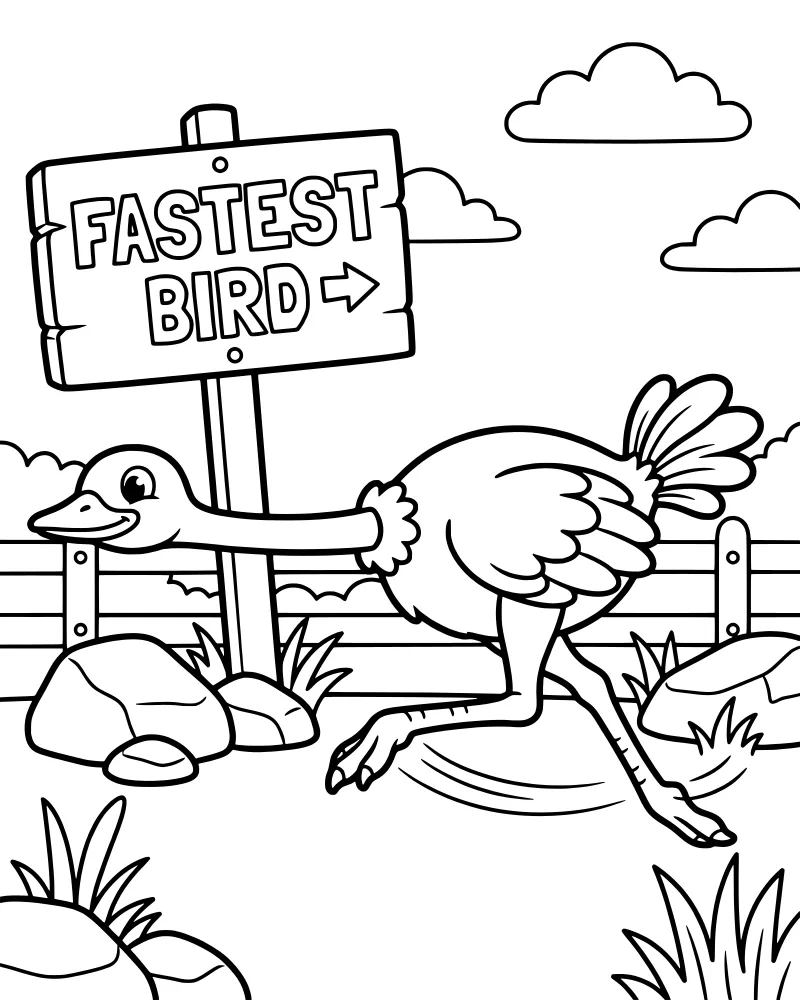
Speedy Ostrich Running Past Signpost
Animals
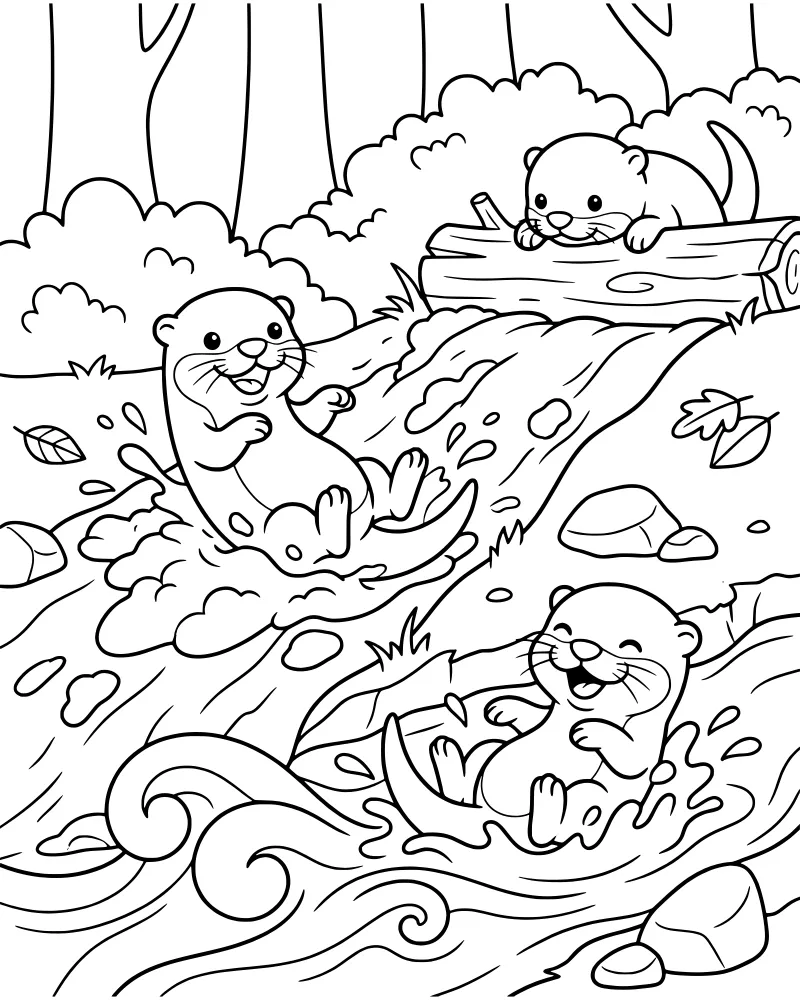
Playful River Otters on a Water Slide
Animals
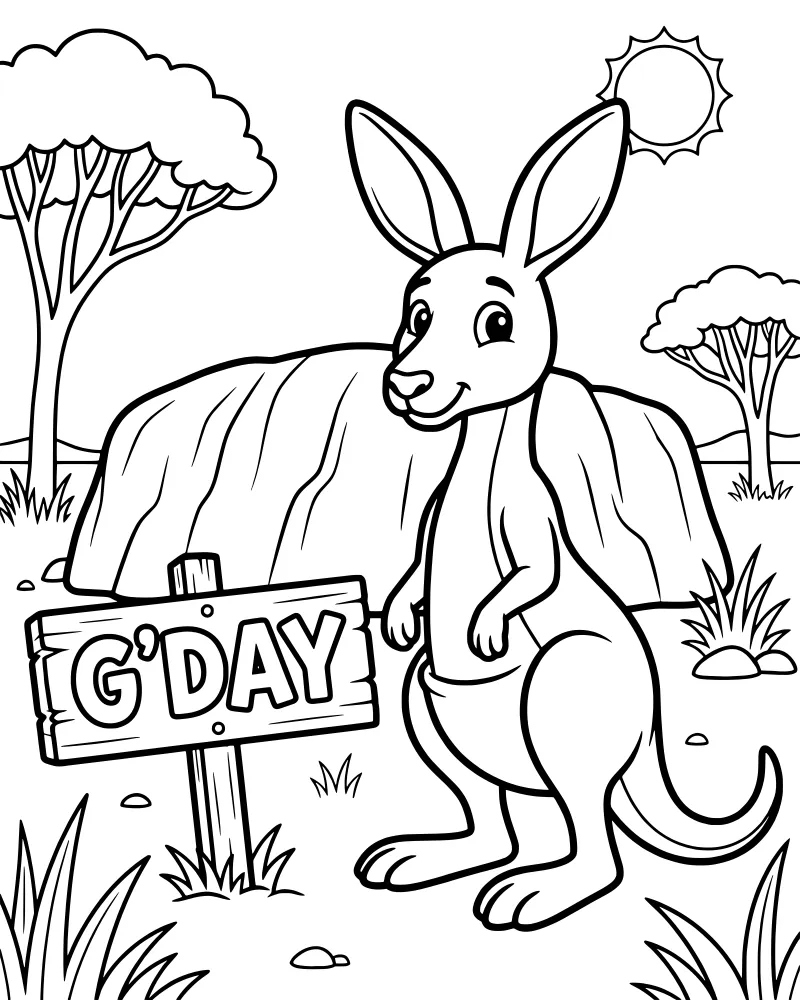
Friendly Kangaroo in the Australian Outback
Animals
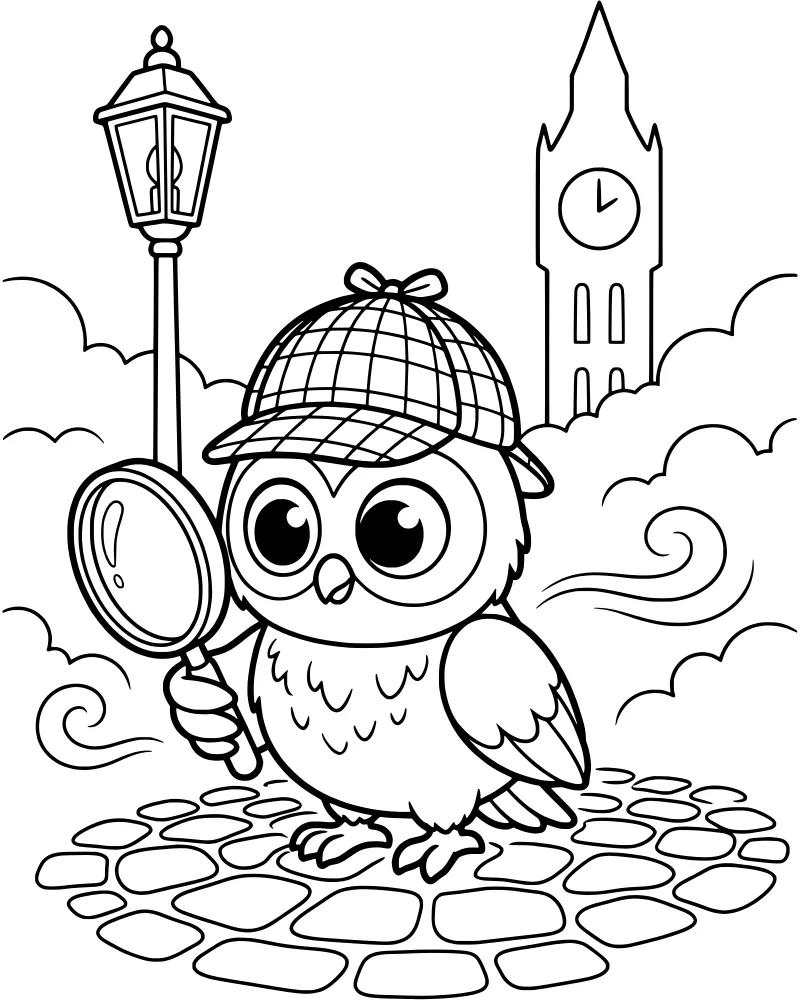
Detective Owl Solving Street Mystery
Animals
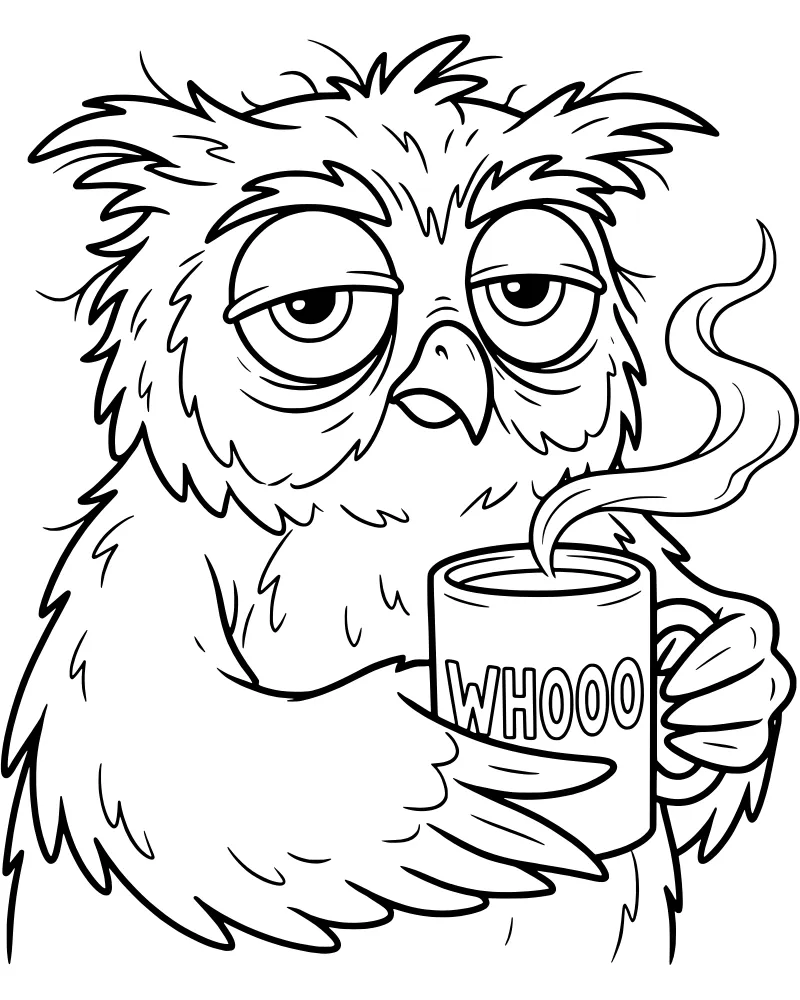
Tired Morning Owl with Coffee
Animals
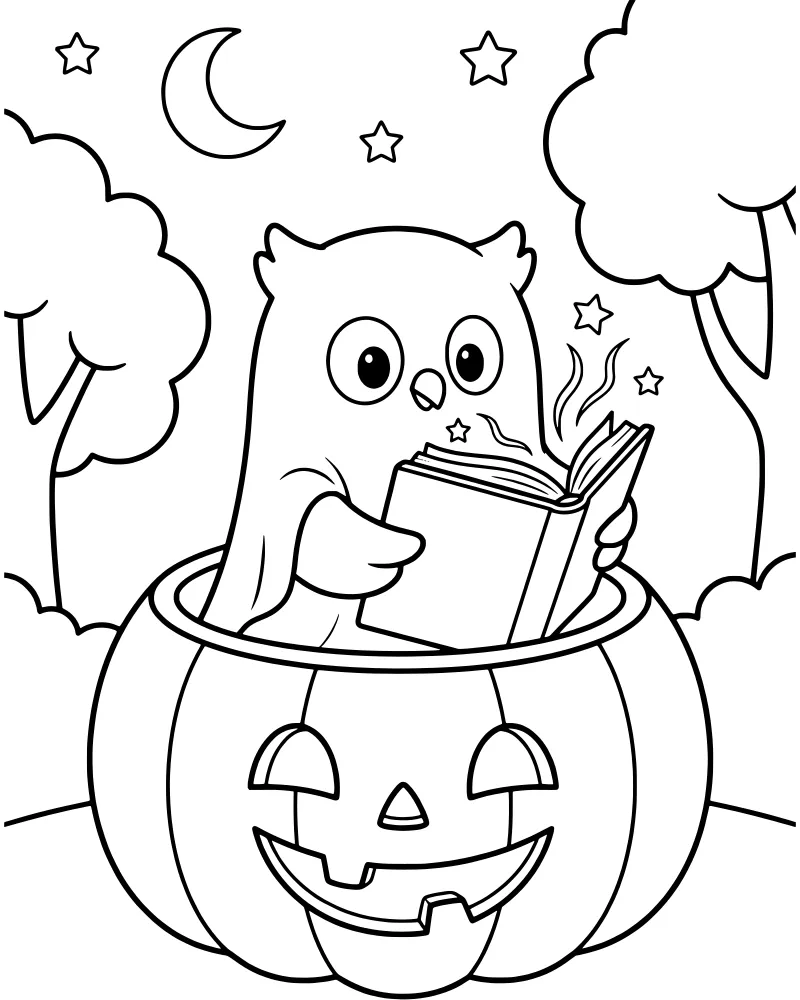
Wise Owl Halloween Ghost
Holidays & Celebrations
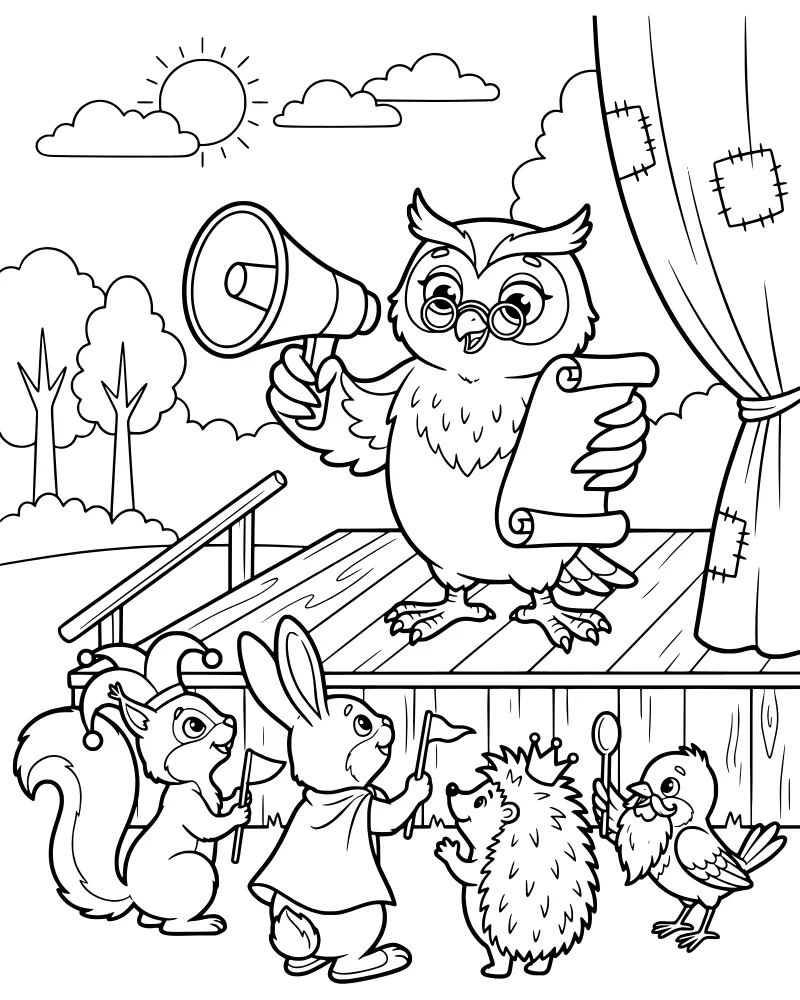
Woodland Forest Animal Talent Show
Animals
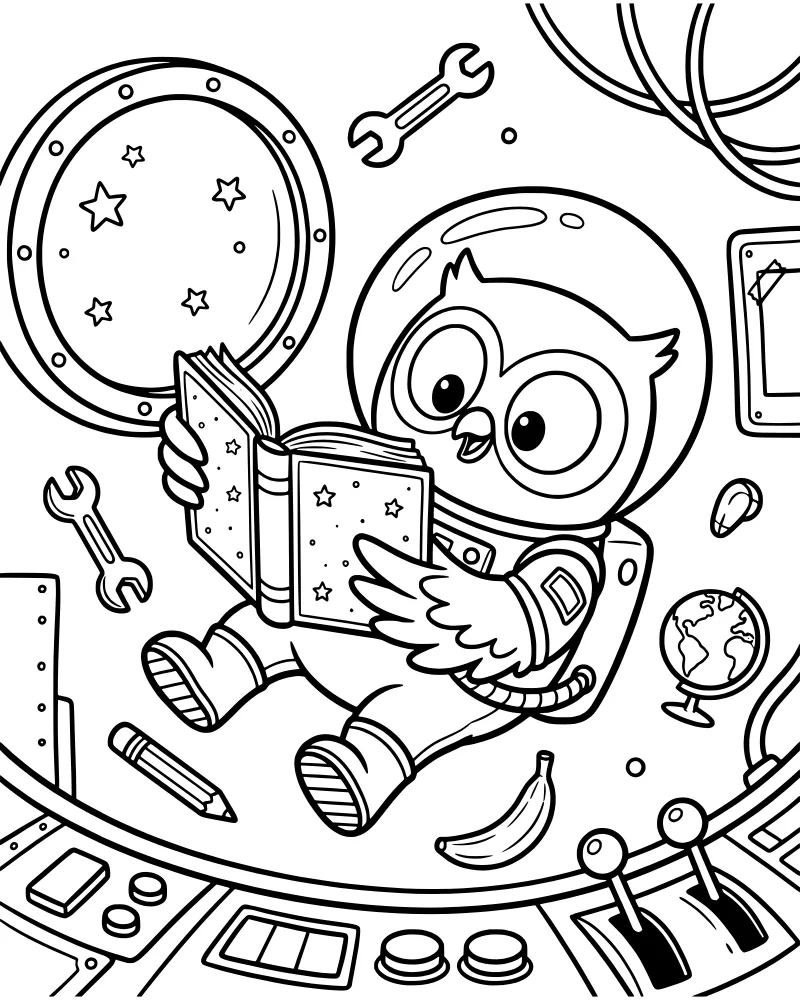
Wise Owl Astronaut in Space
Space & Sci-Fi
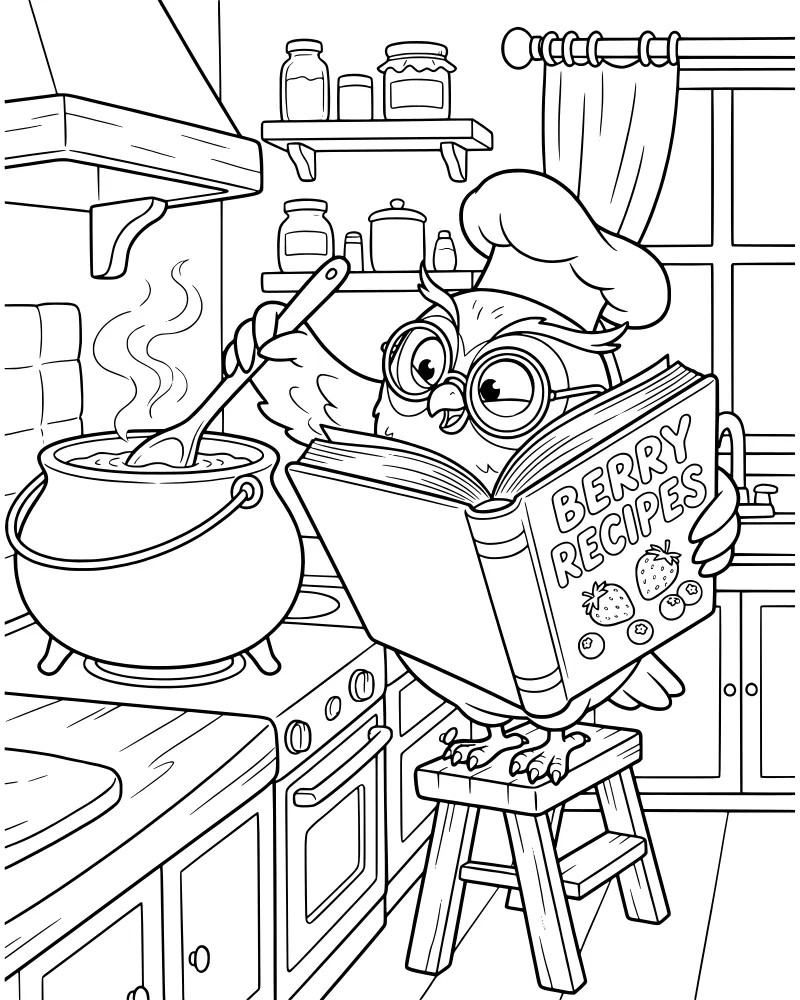
Wise Owl Chef Kitchen
Animals
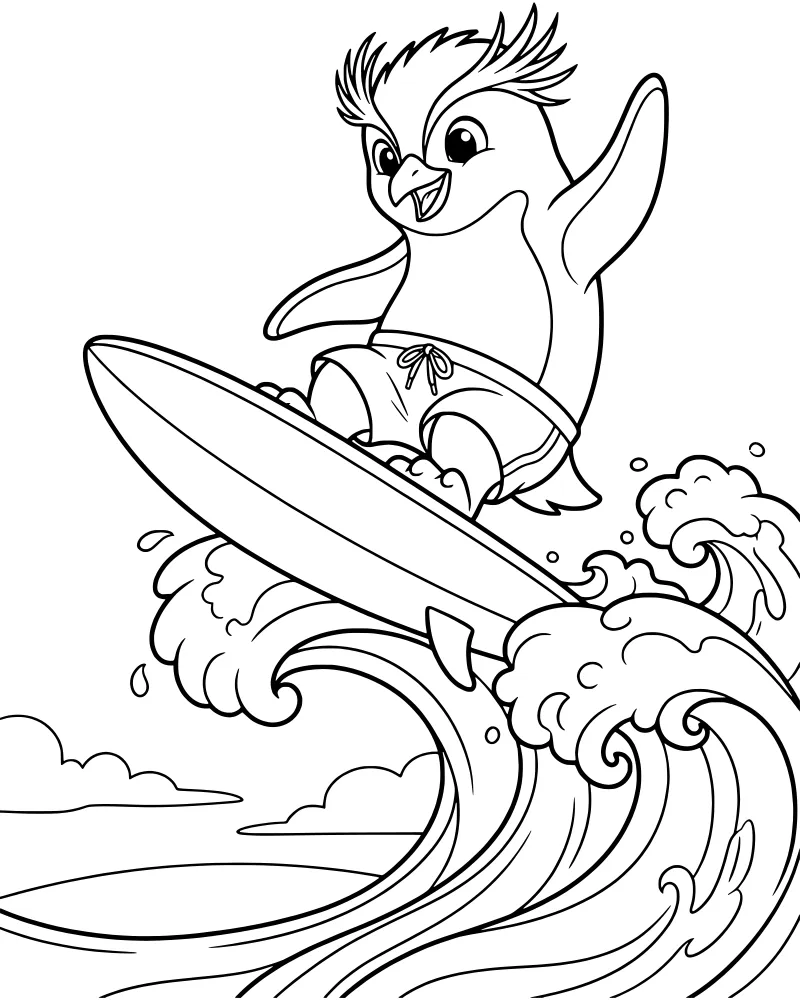
Surfing Penguin Catching Ocean Waves
Ocean & Sea Life
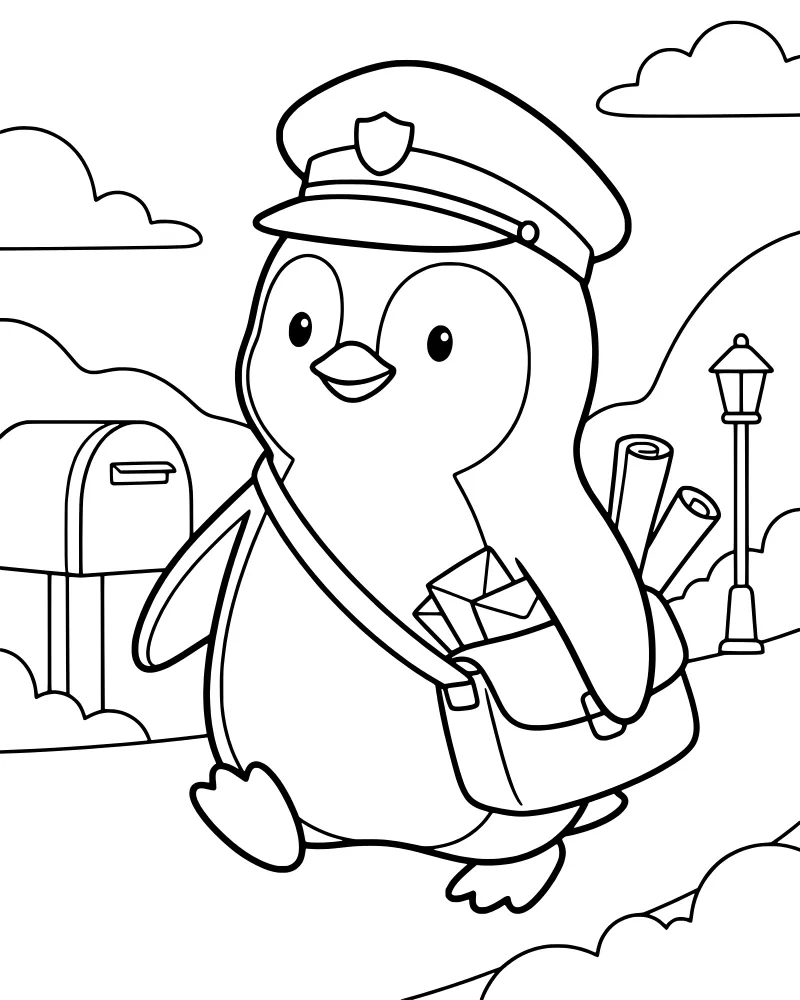
Cute Penguin Postman Delivering Mail
Animals
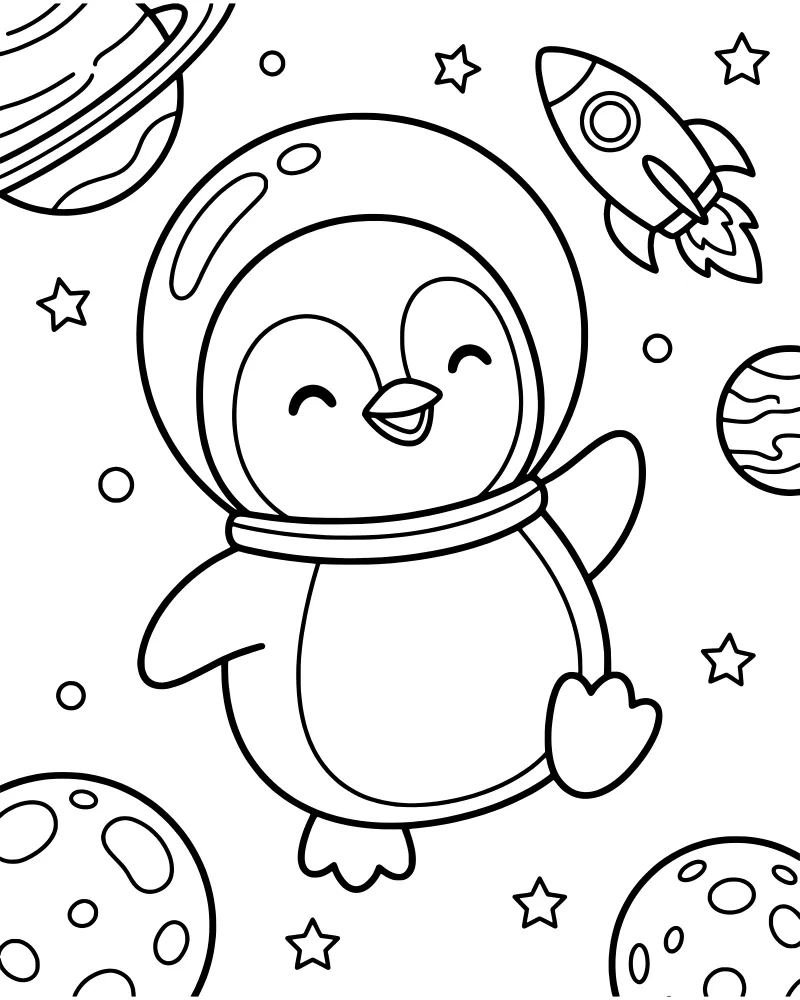
Astronaut Penguin Exploring Outer Space
Space & Sci-Fi
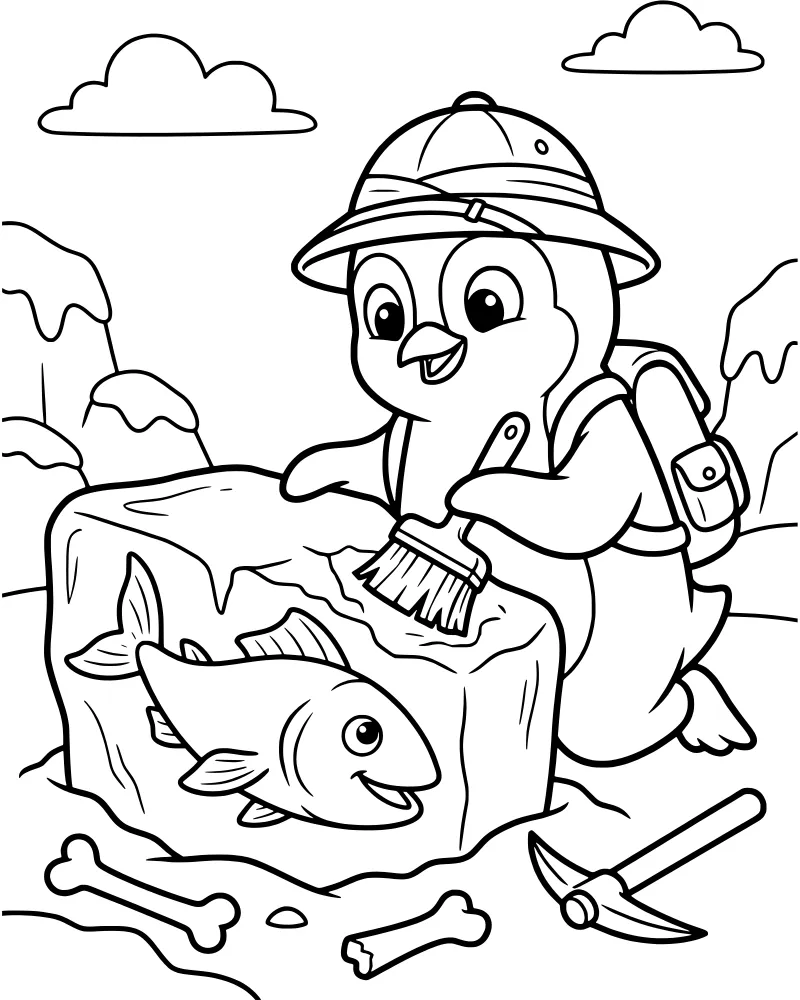
Penguin Explorer Finding Frozen Fish
Animals
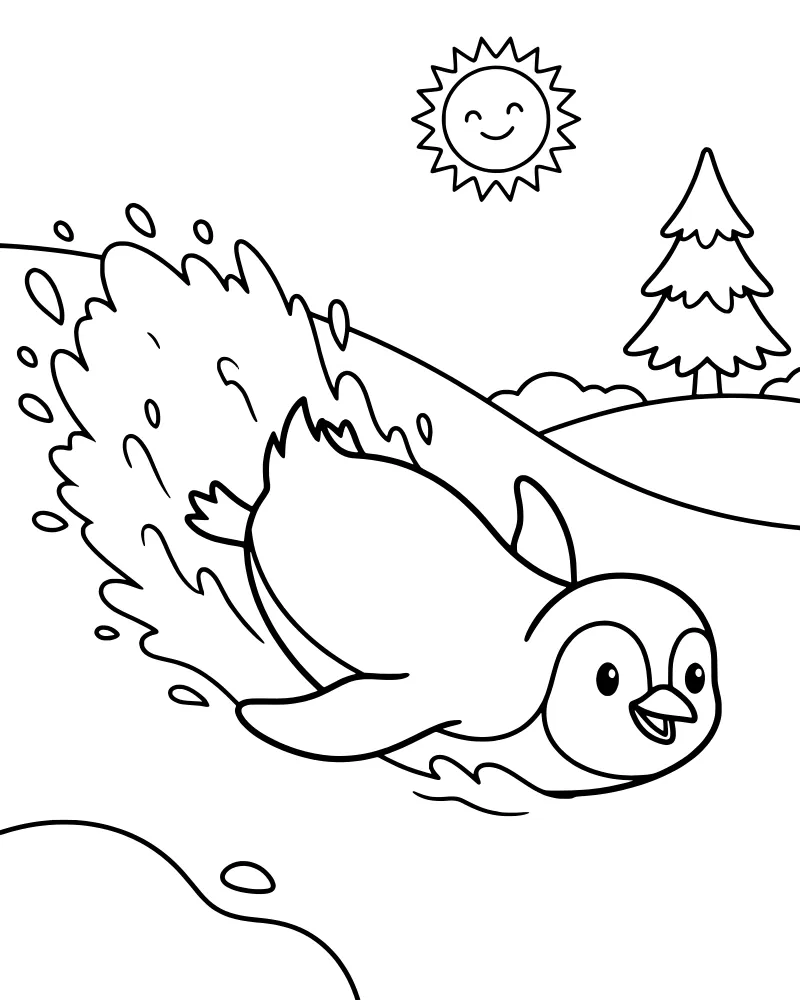
Playful Penguin Swimming in the Ocean
Animals
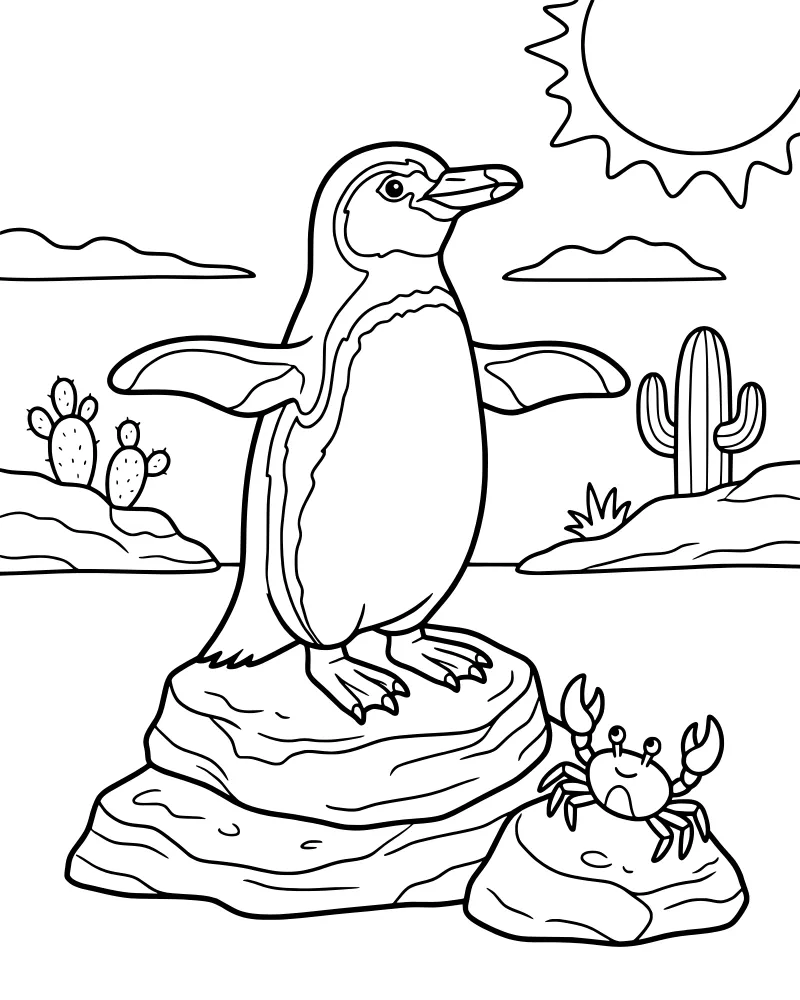
Adventurous Penguin in the Sunny Desert
Animals
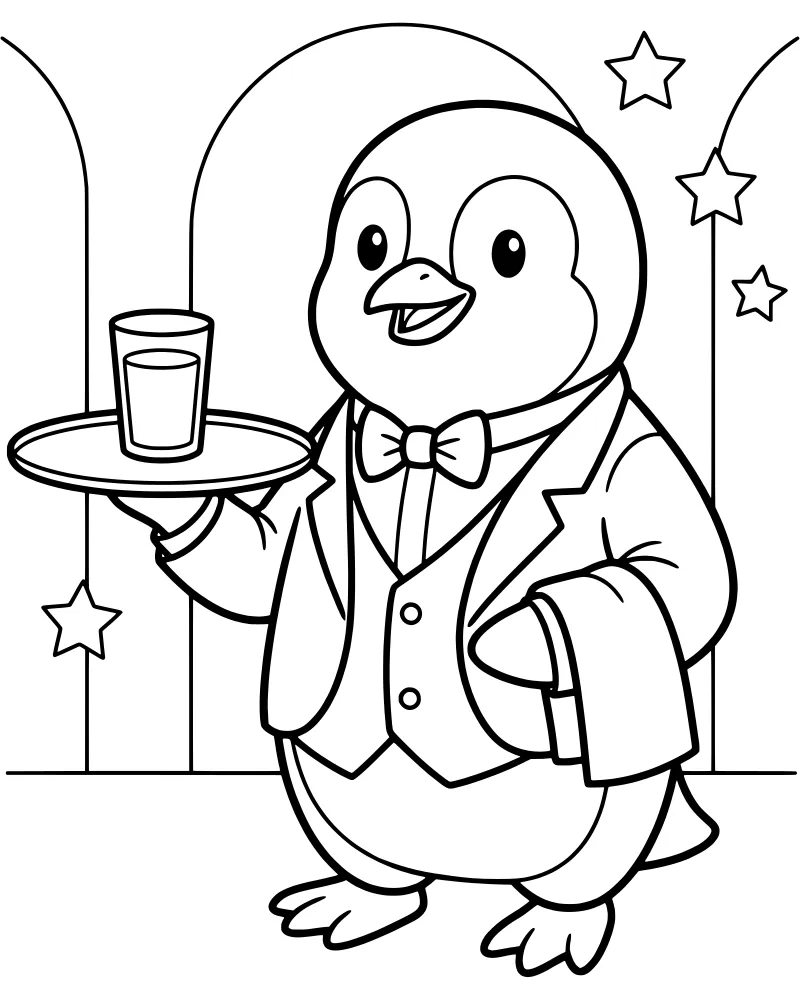
Fancy Penguin Butler Serving Water
Animals
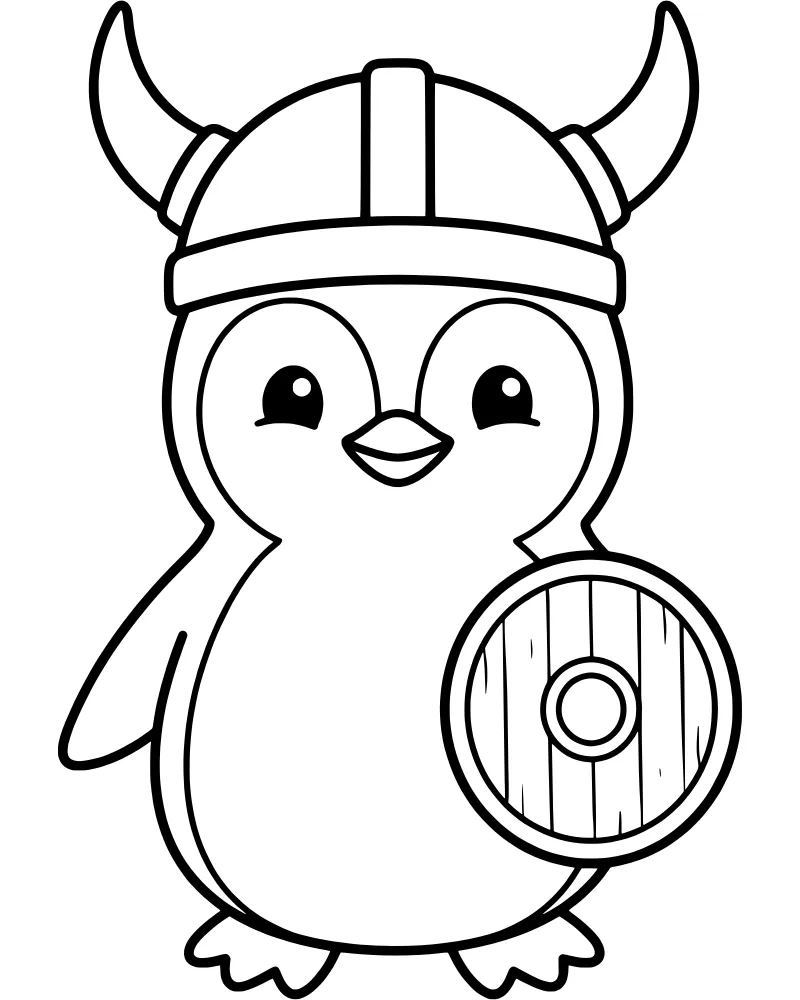
Brave Penguin Warrior Explorer
Animals
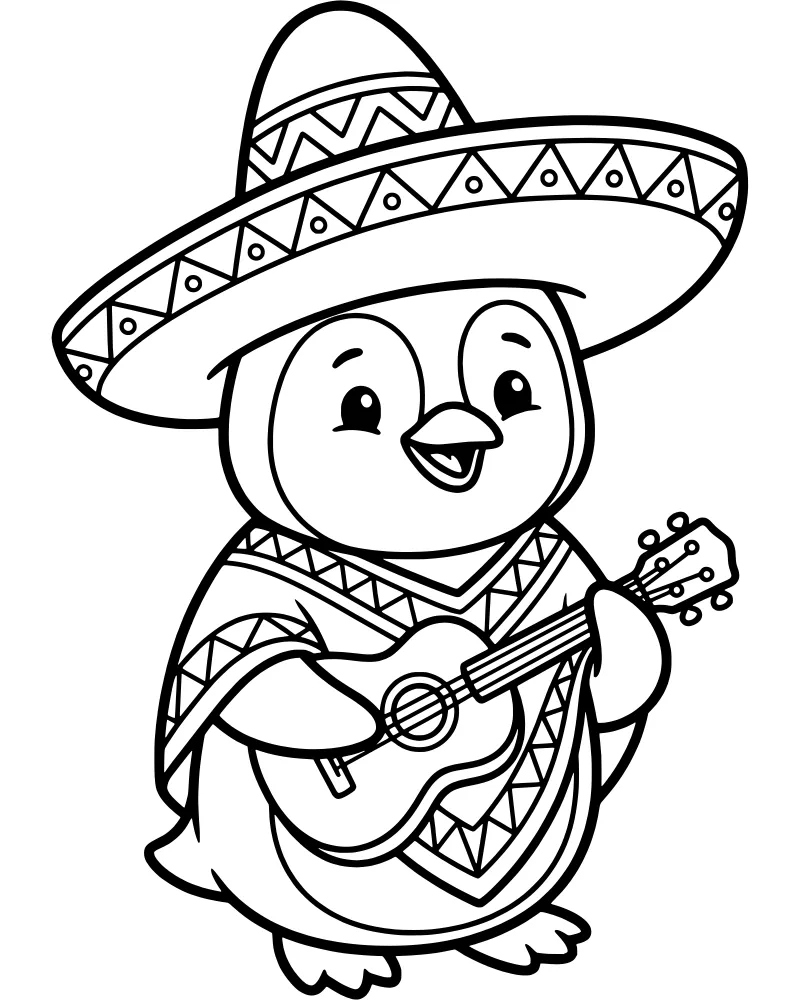
Musical Penguin in Sombrero and Poncho
Animals
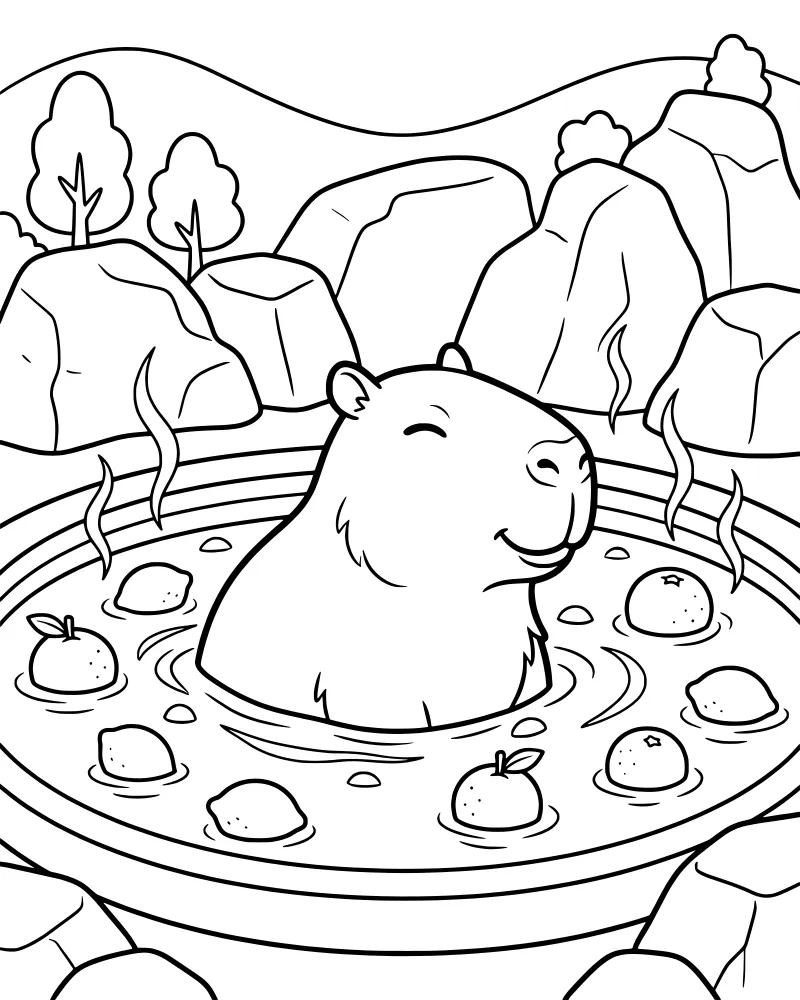
Relaxing Capybara in a Hot Spring
Animals
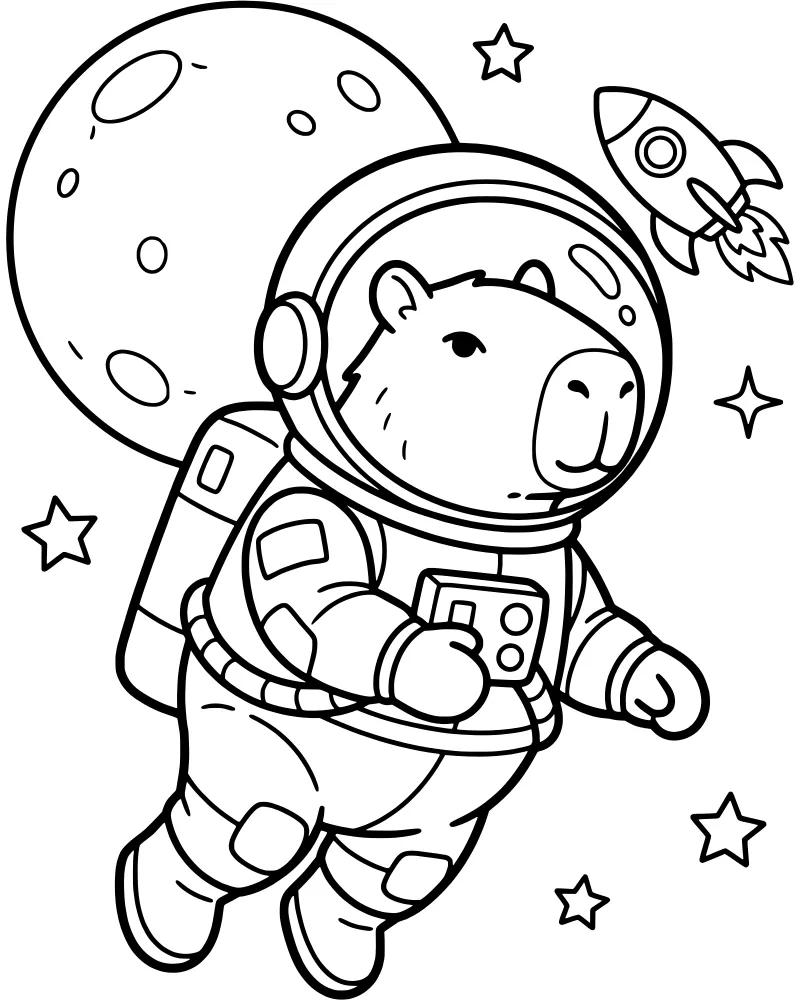
Capybara Astronaut Floating in Outer Space
Space & Sci-Fi
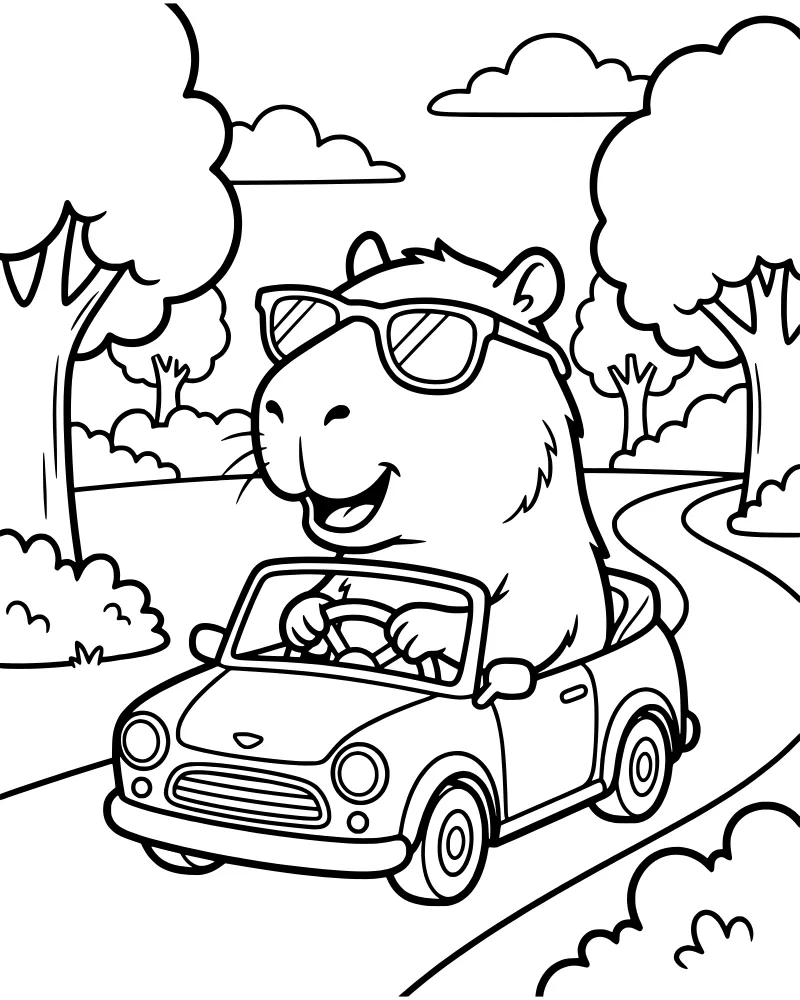
Cool Capybara Driving a Convertible
Animals
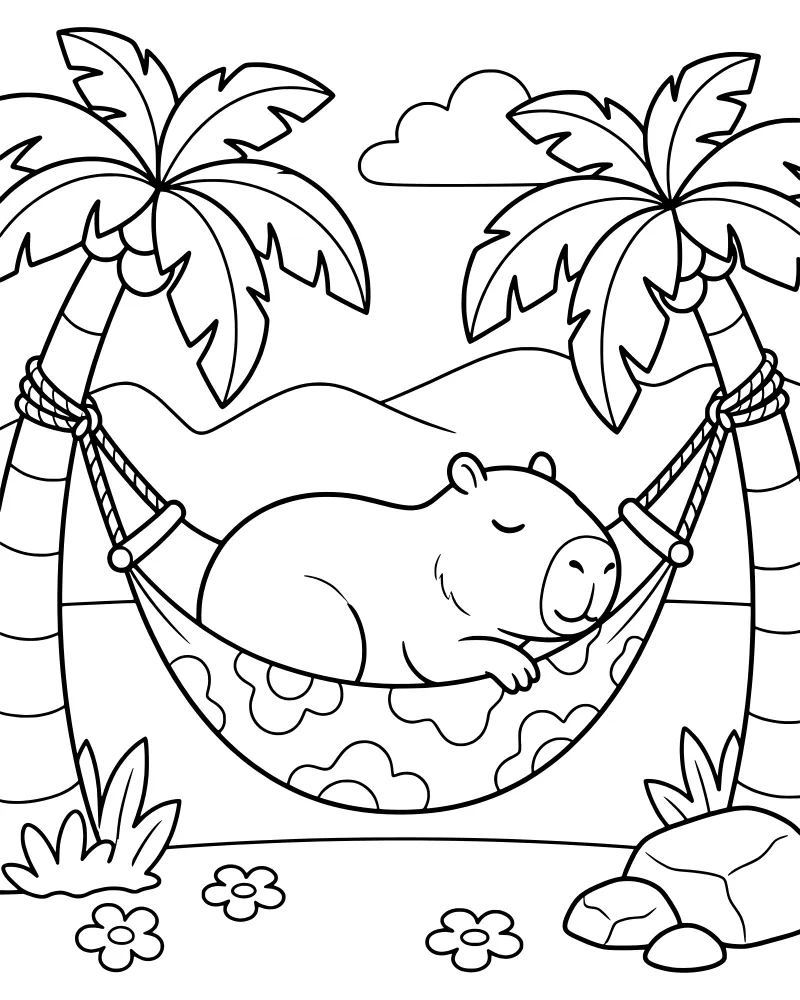
Peaceful Capybara Napping in a Hammock
Animals
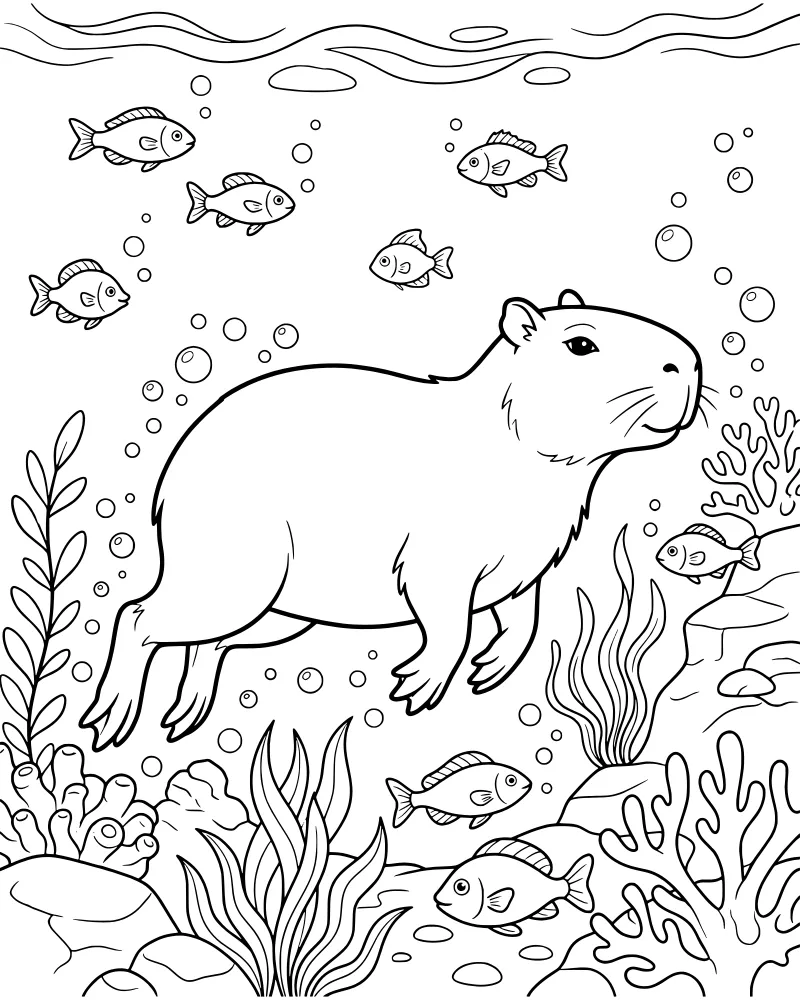
Friendly Capybara Swimming Underwater
Animals
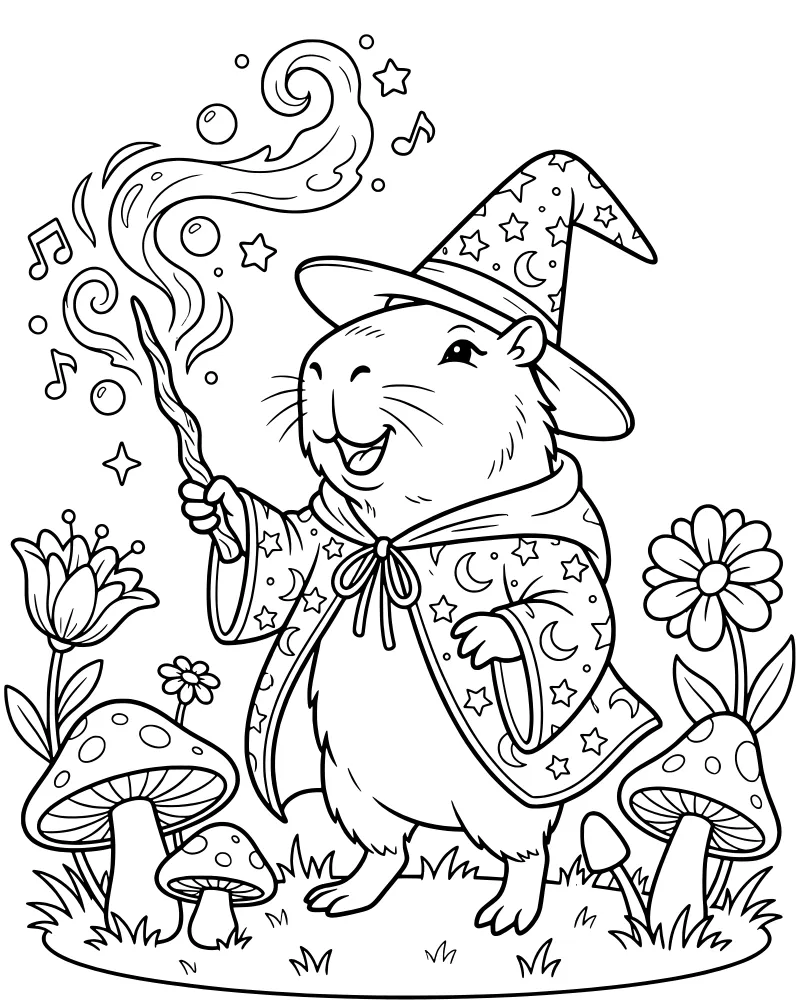
Magical Groundhog Wizard Casting Spells
Fantasy & Mythology
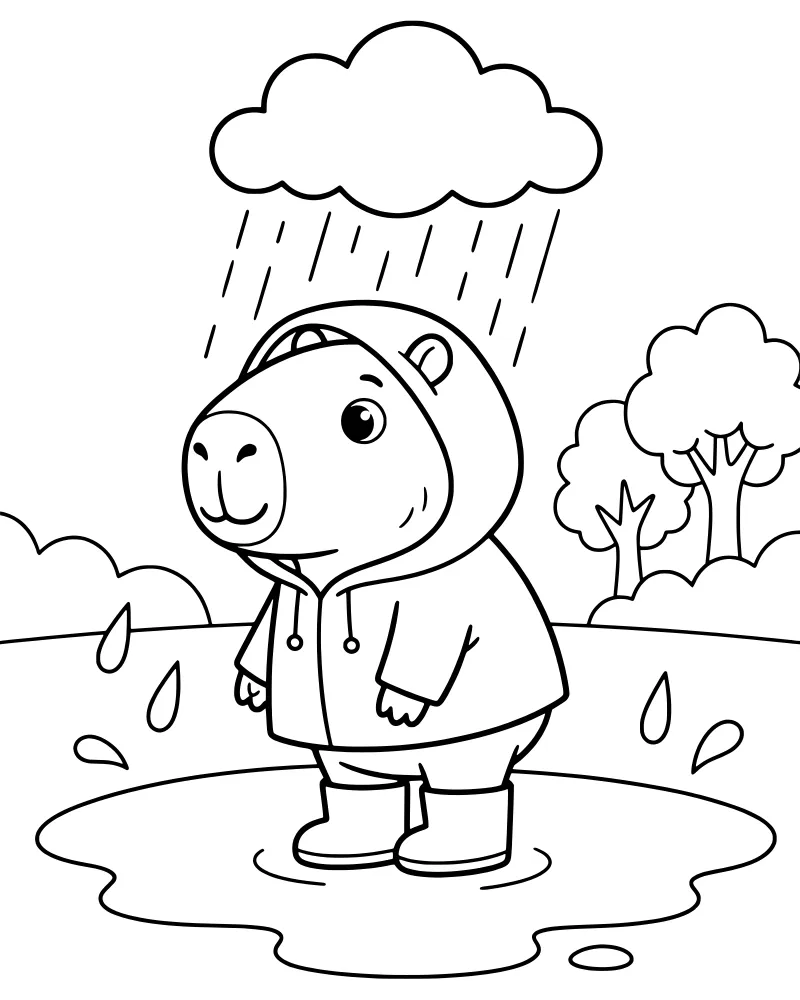
Capybara in Raincoat Splashing in Puddles
Animals
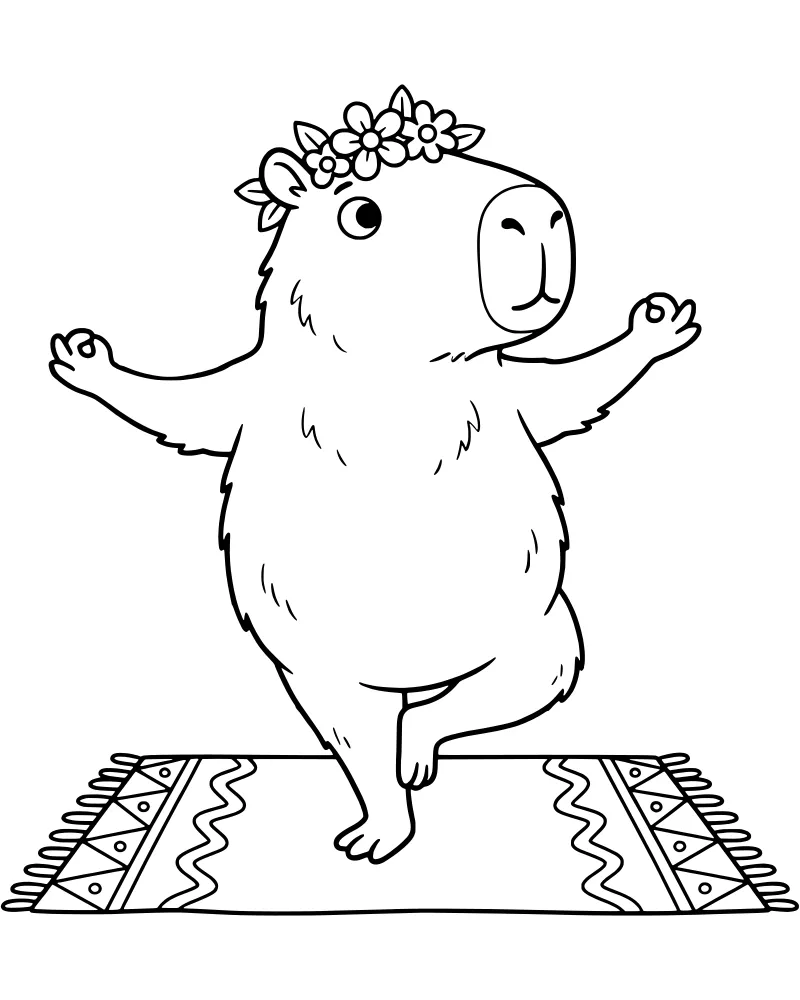
Zen Capybara Yoga Session
Animals
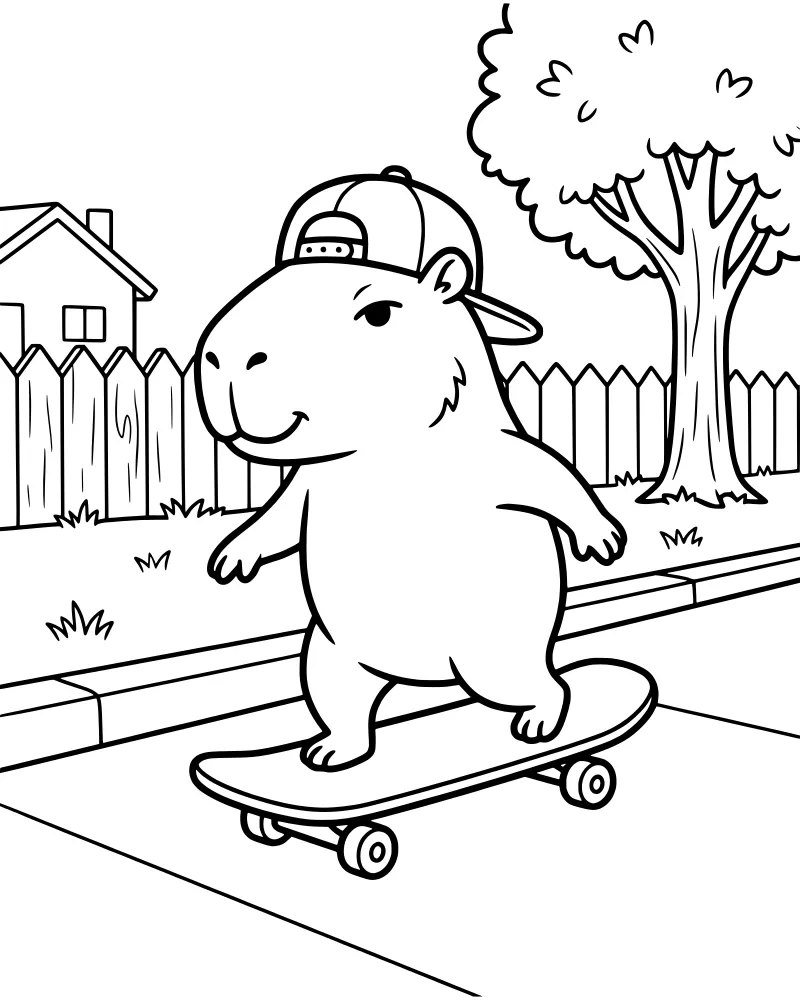
Cool Capybara Skateboarding Down the Sidewalk
Animals
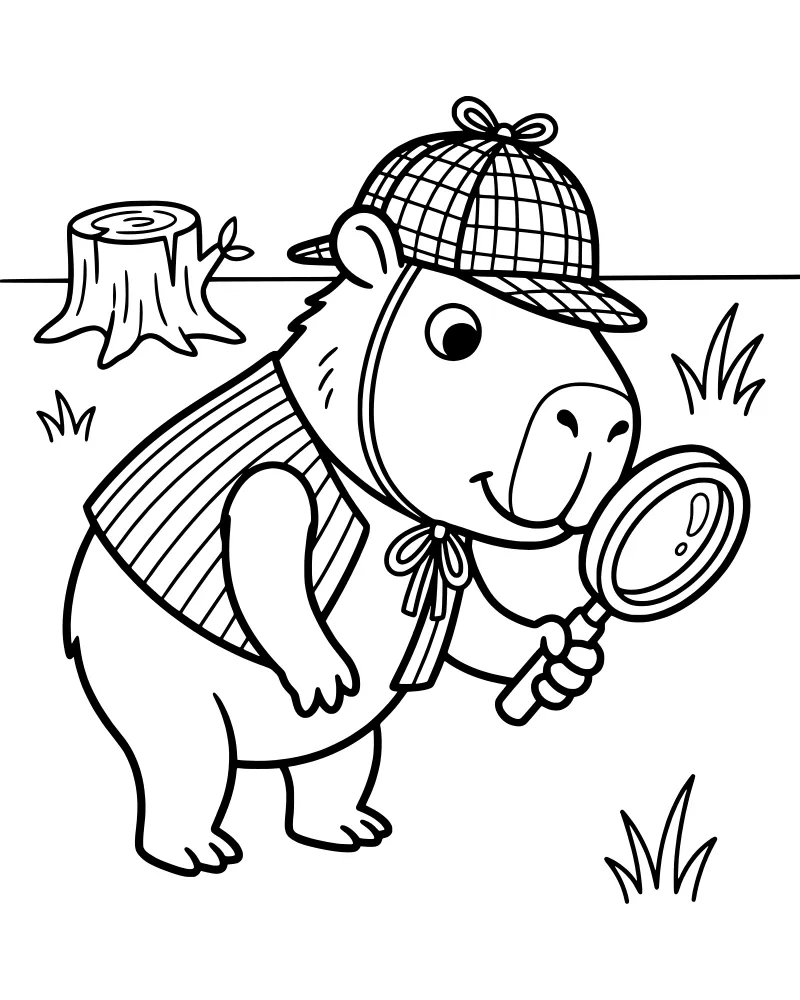
Detective Capybara Solving a Mystery
Animals
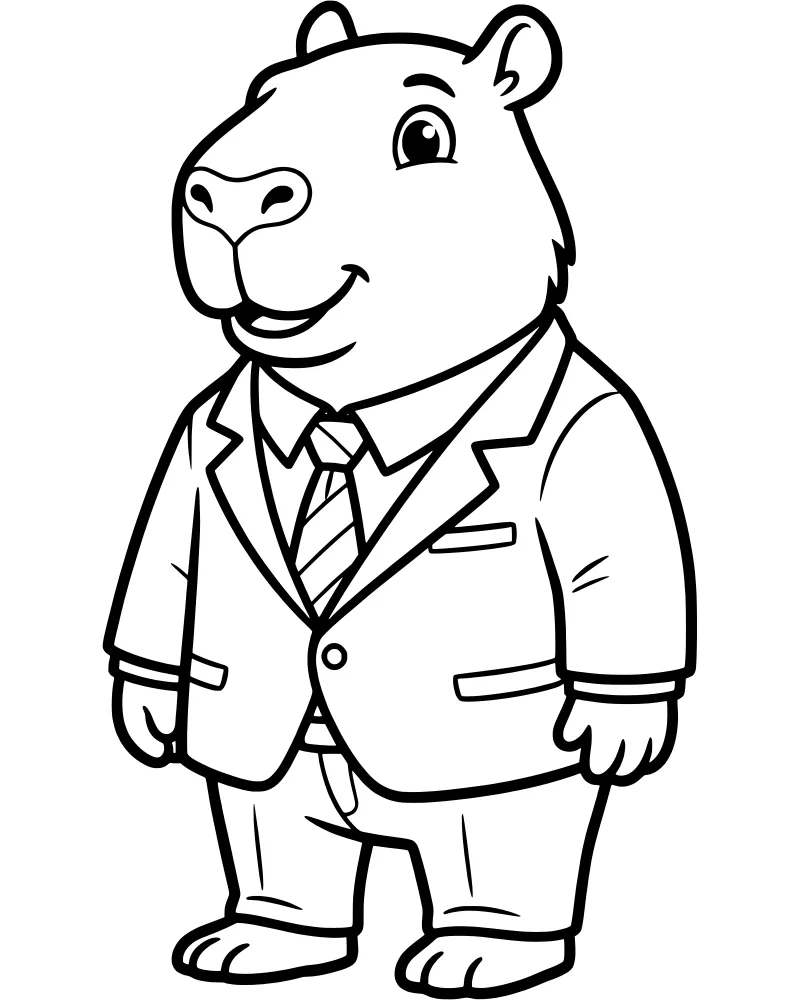
Capybara Wearing a Business Suit
Animals
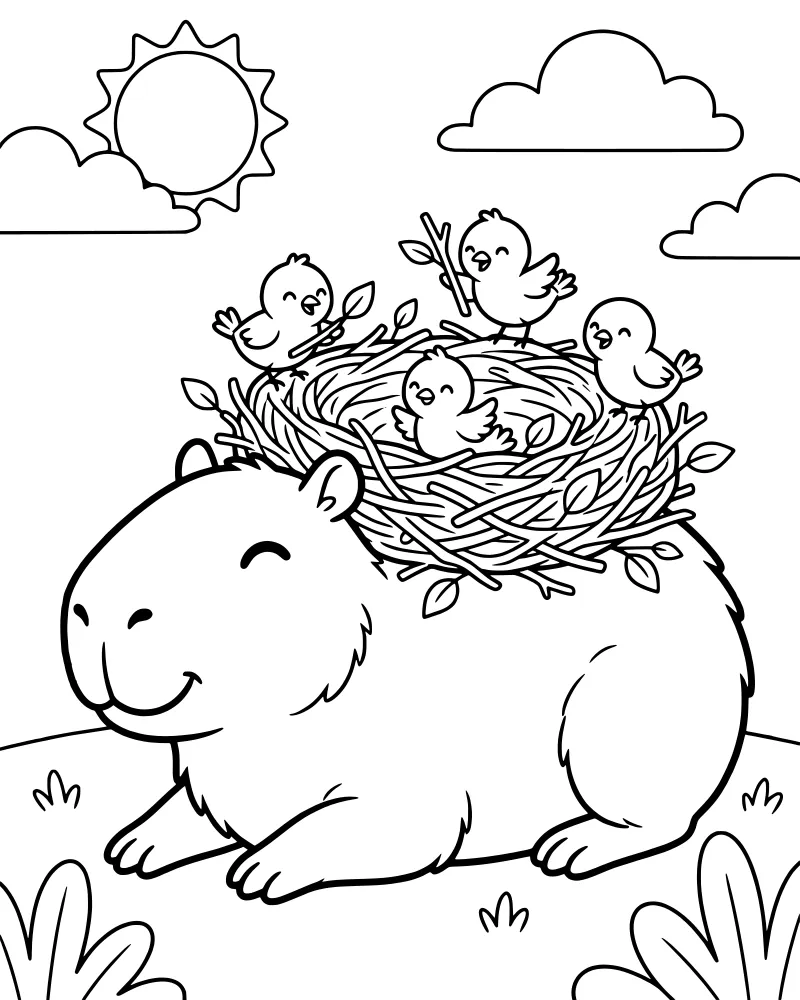
Friendly Capybara with Nest
Animals
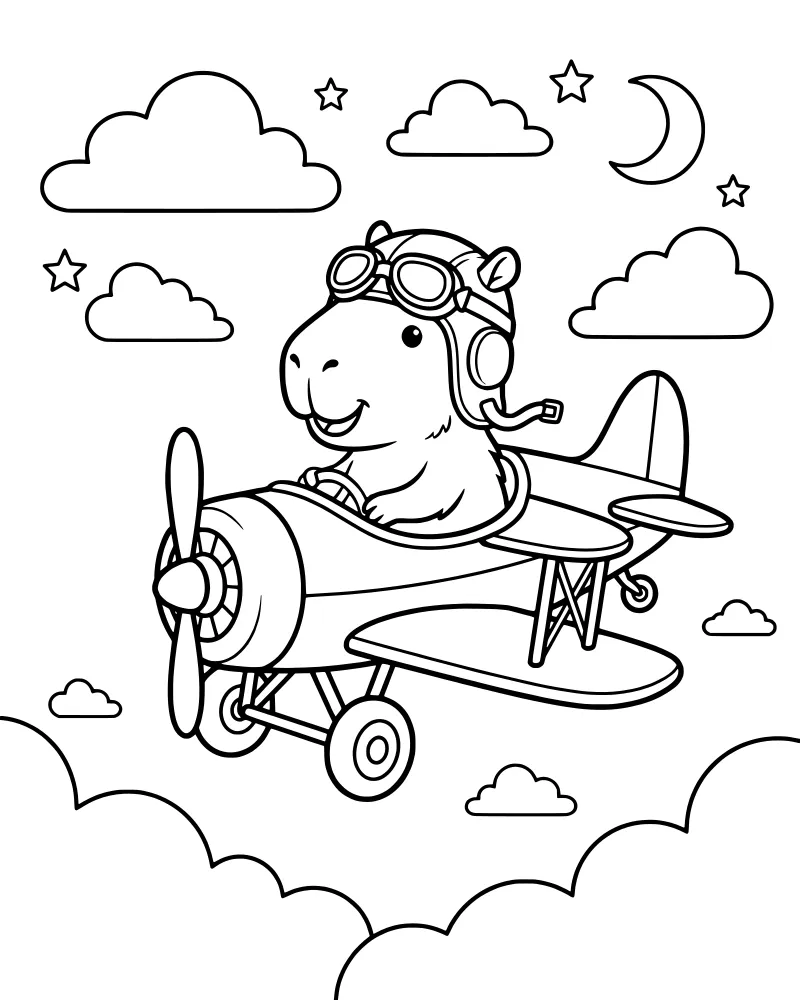
Capybara Pilot Flying Vintage Airplane
Animals
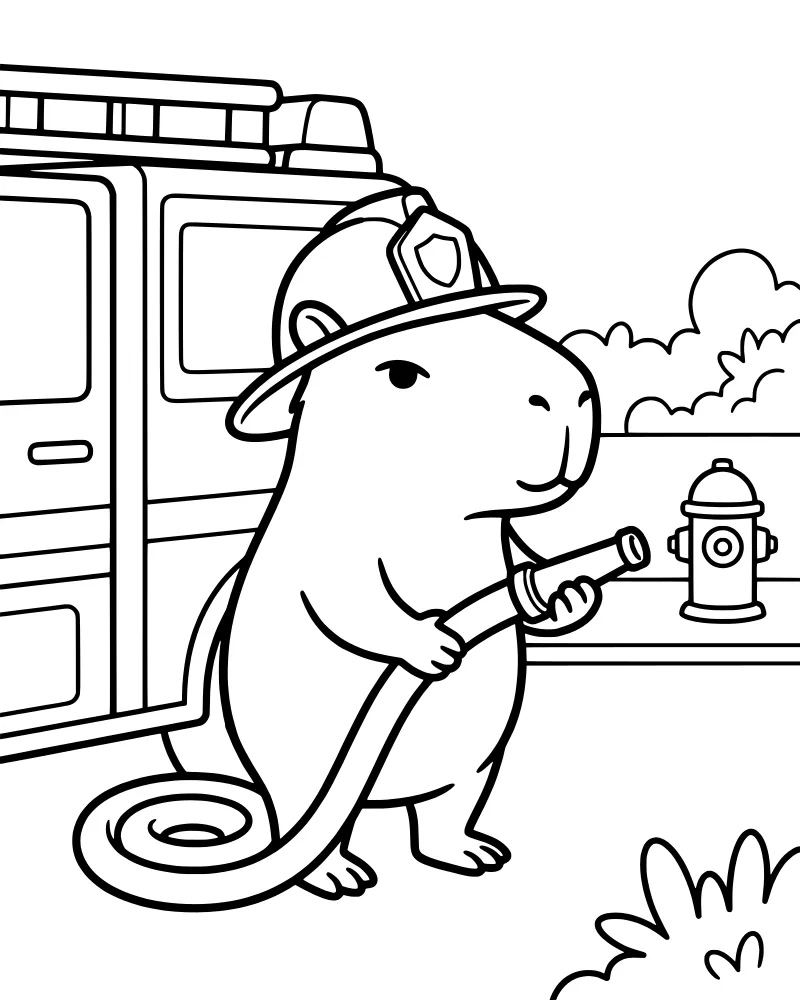
Heroic Firefighter Capybara with Truck
Animals
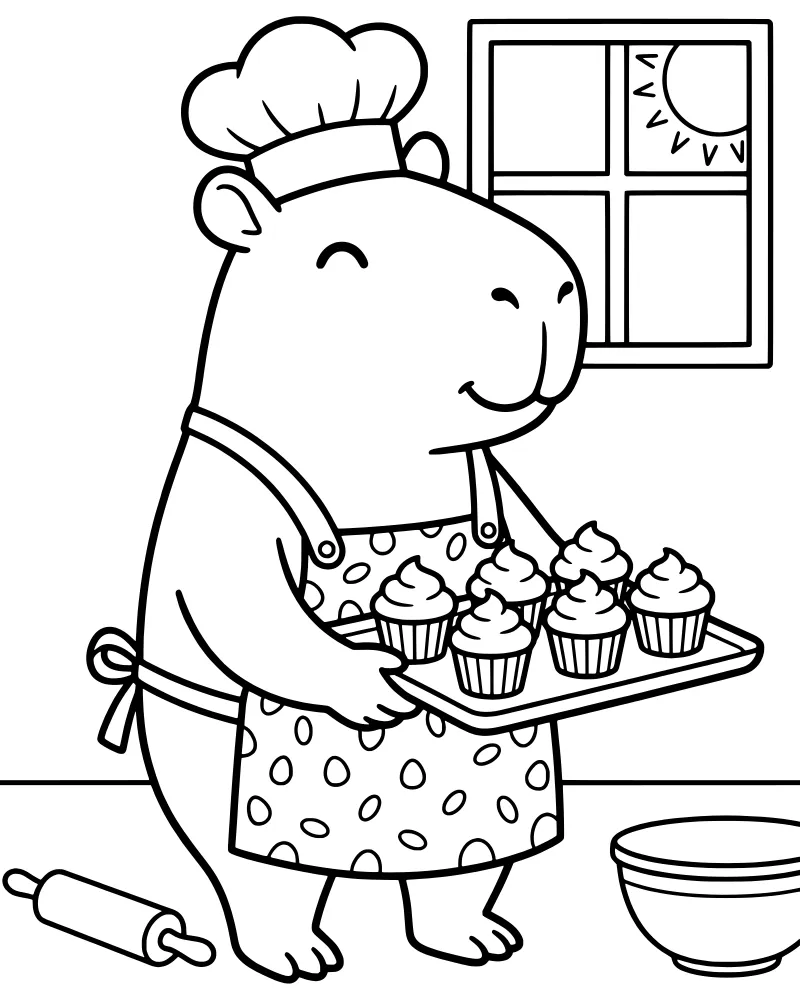
Capybara Chef Baking Sweet Cupcakes
Animals
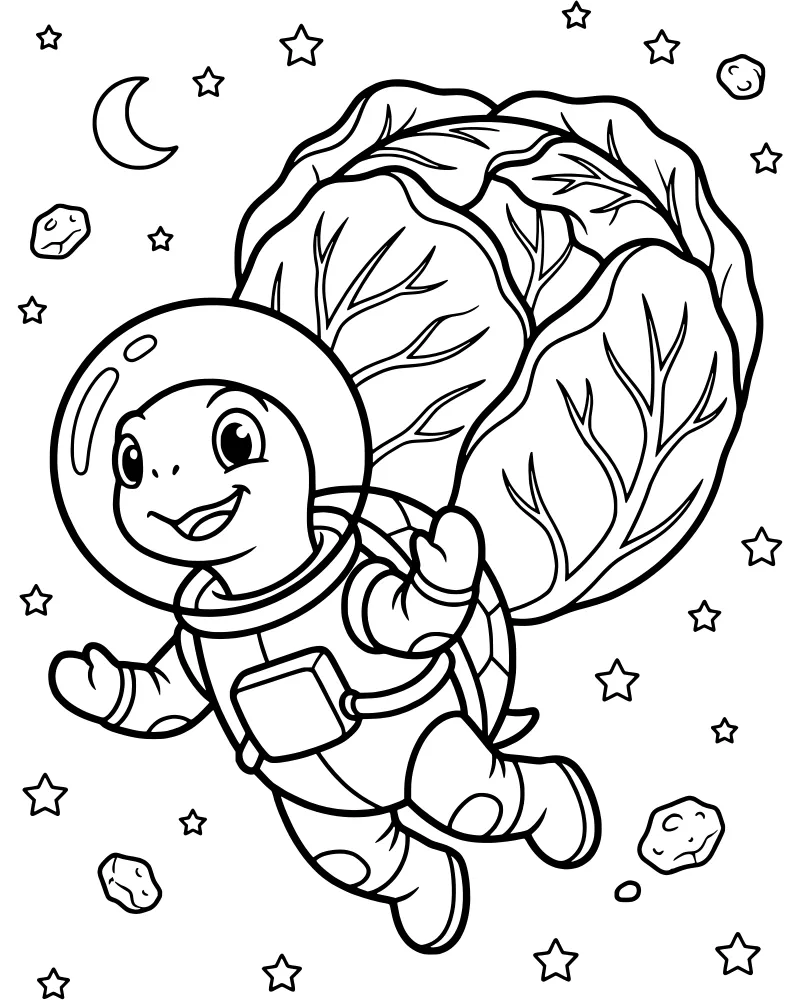
Turtle Astronaut and Floating Cabbage
Space & Sci-Fi
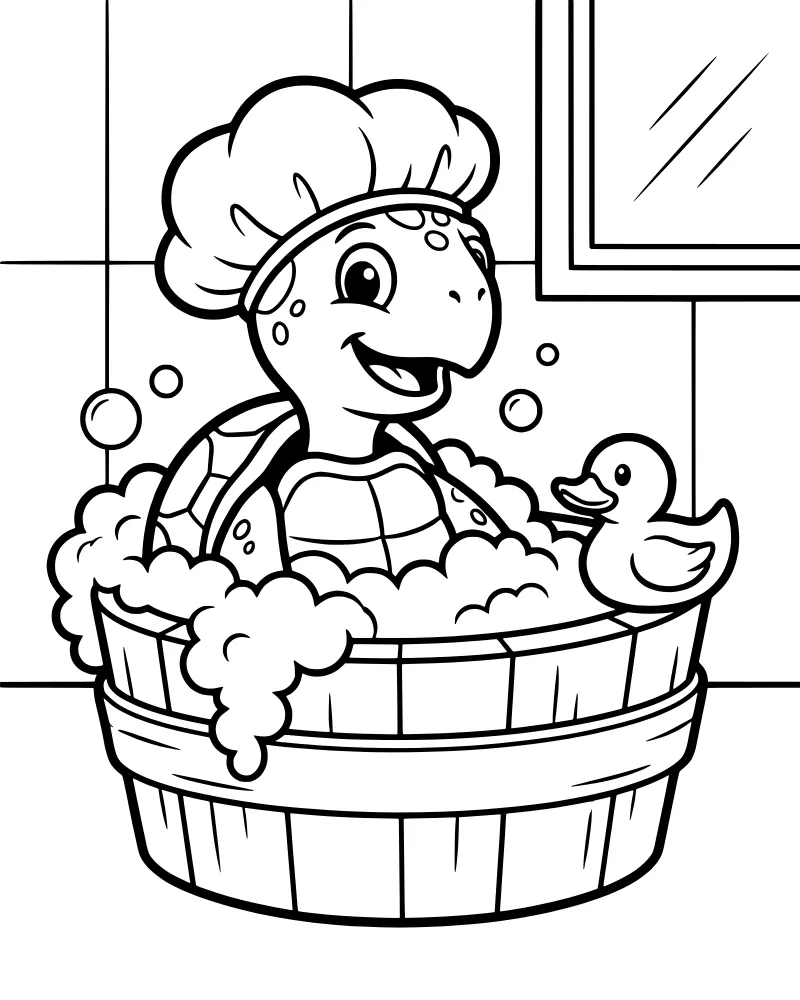
Cute Turtle Bubble Bath in Tub
Animals
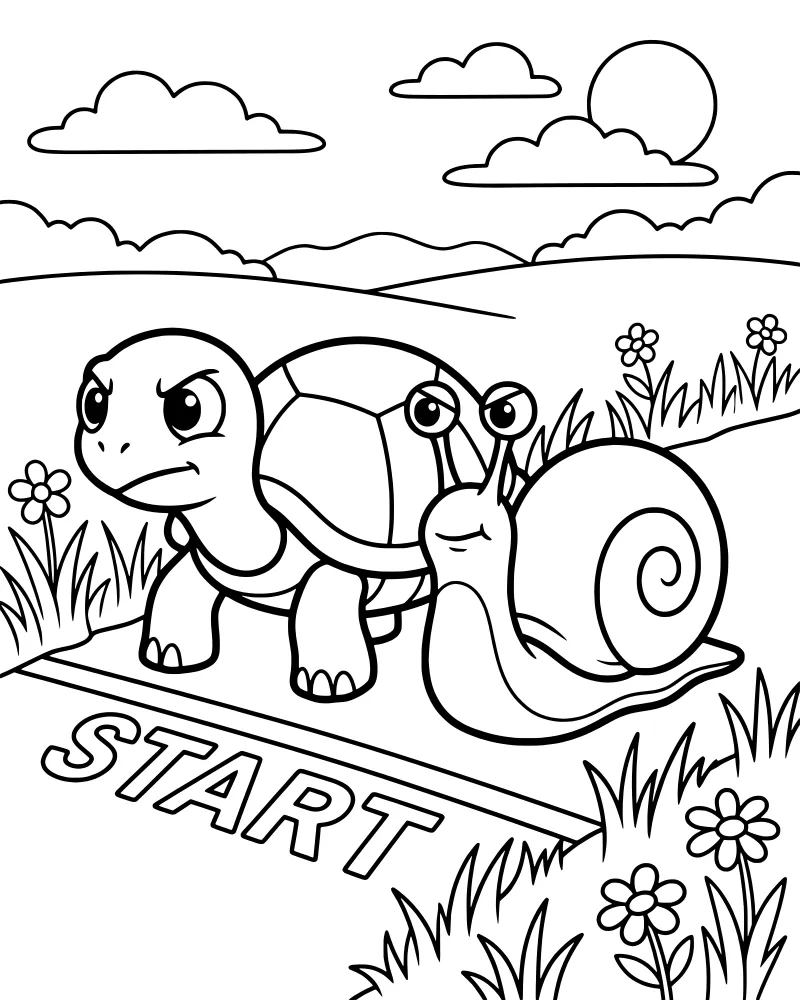
The Great Turtle and Snail Race
Animals
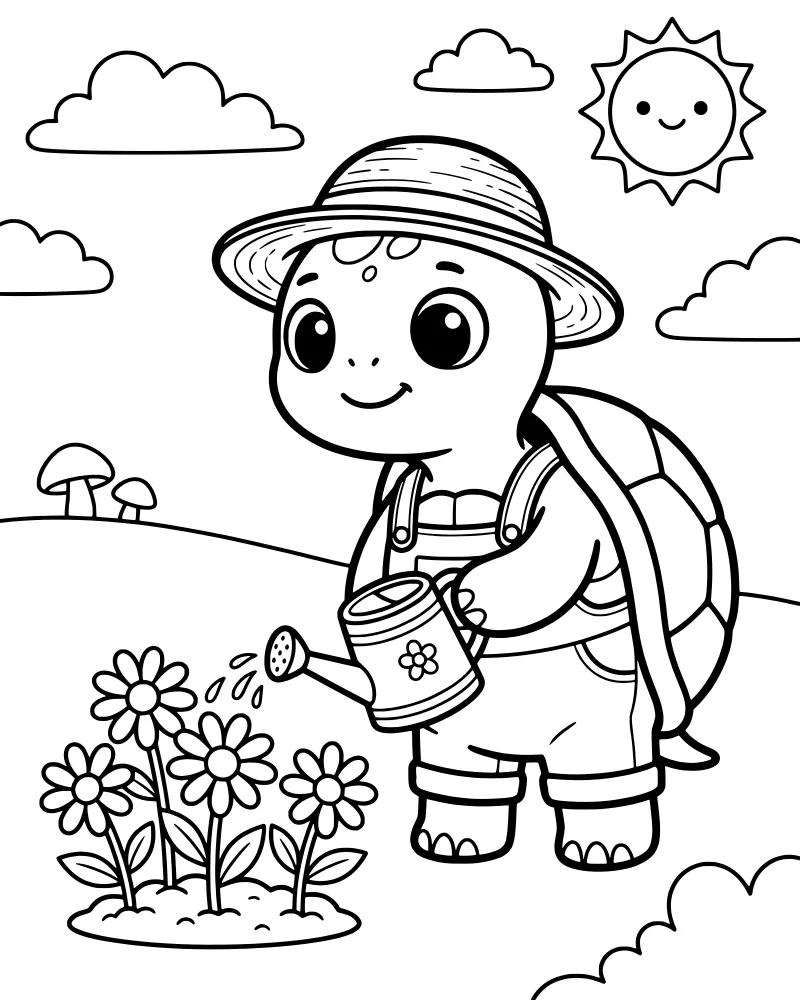
Garden Turtle in Overalls and Straw Hat
Animals
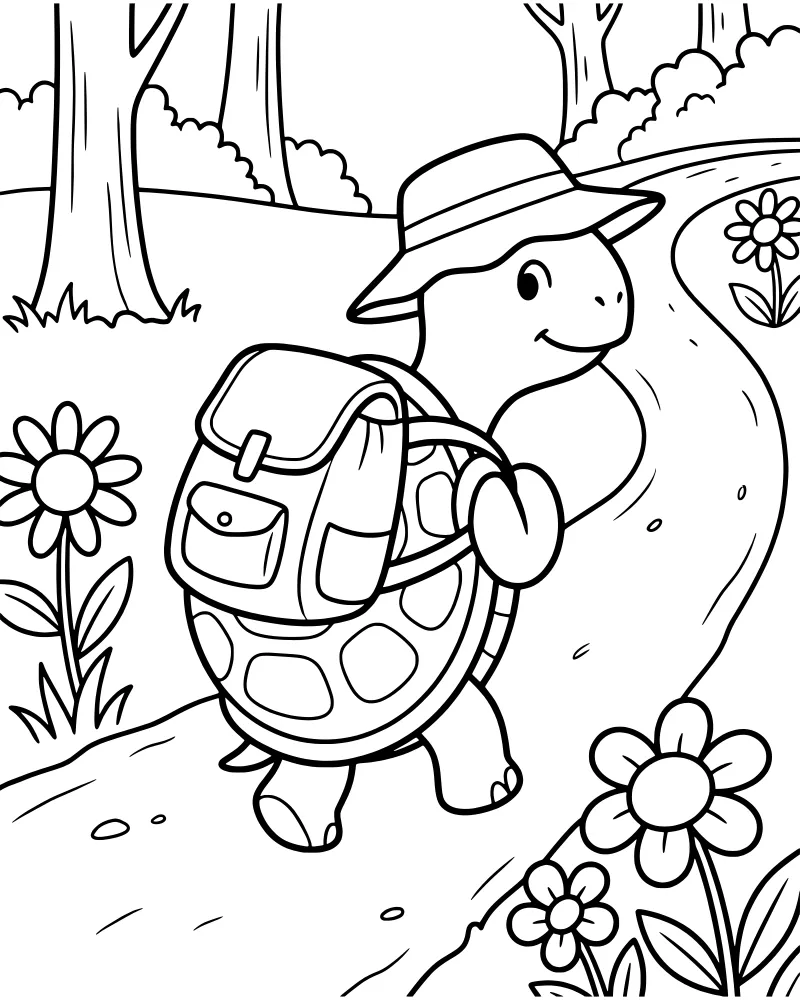
Adventure Turtle Hiking in the Woods
Animals
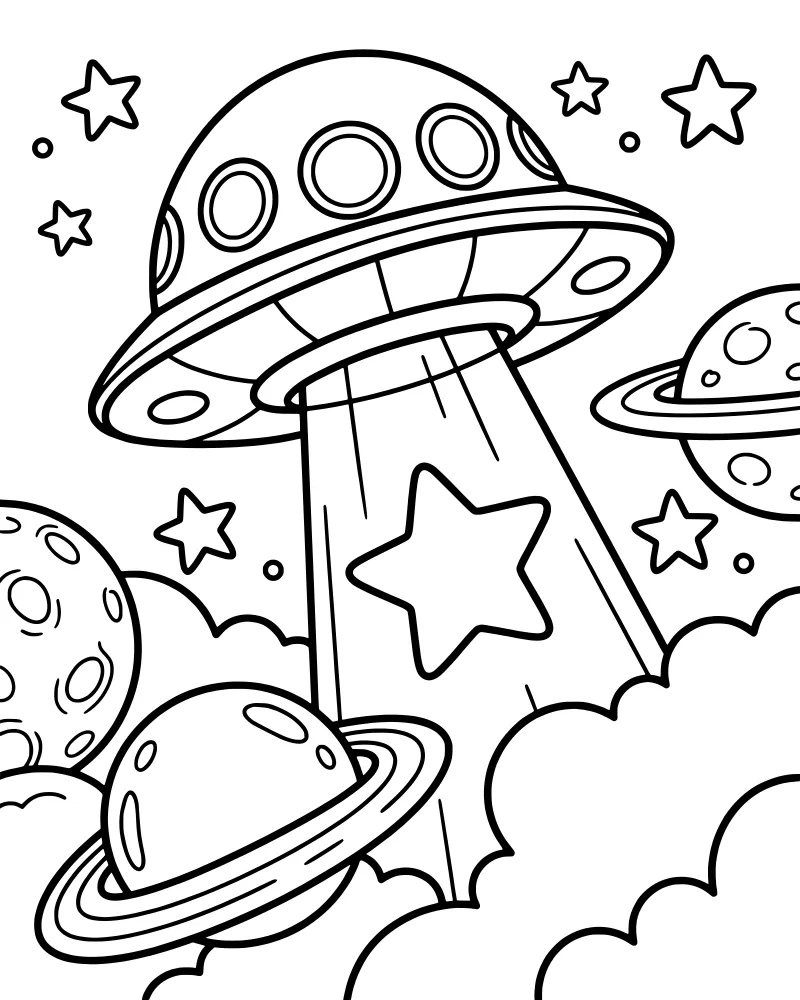
Whimsical Flying Saucer in Outer Space
Space & Sci-Fi
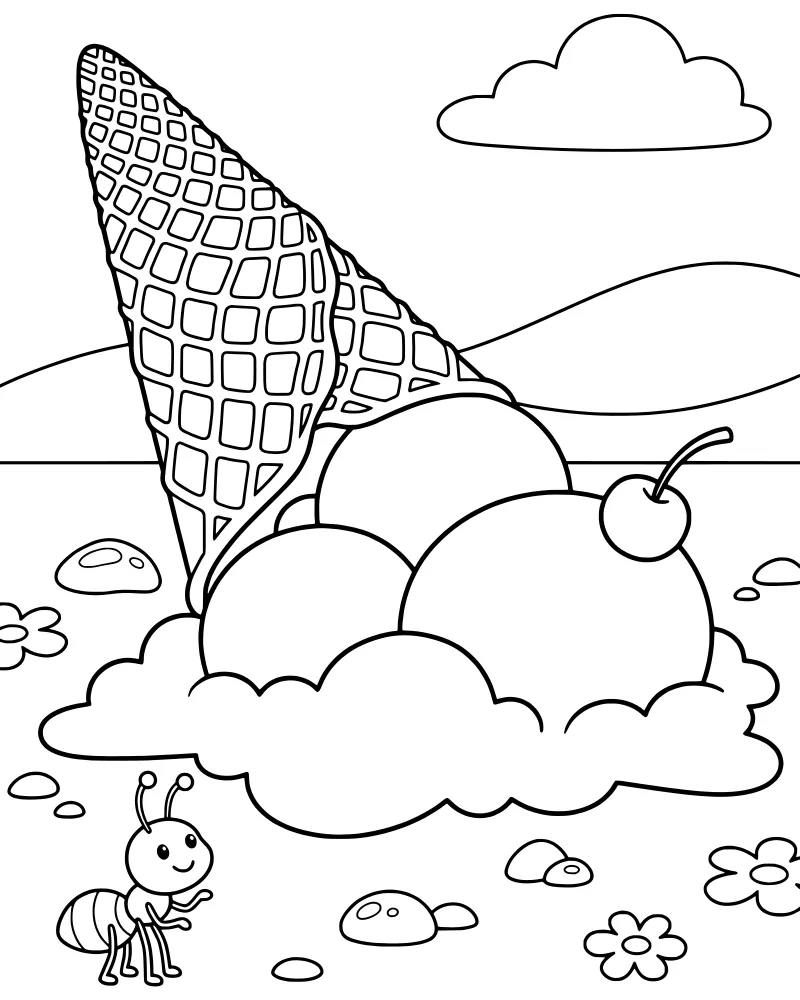
Giant Ice Cream Cone in the Hills
Food & Drinks
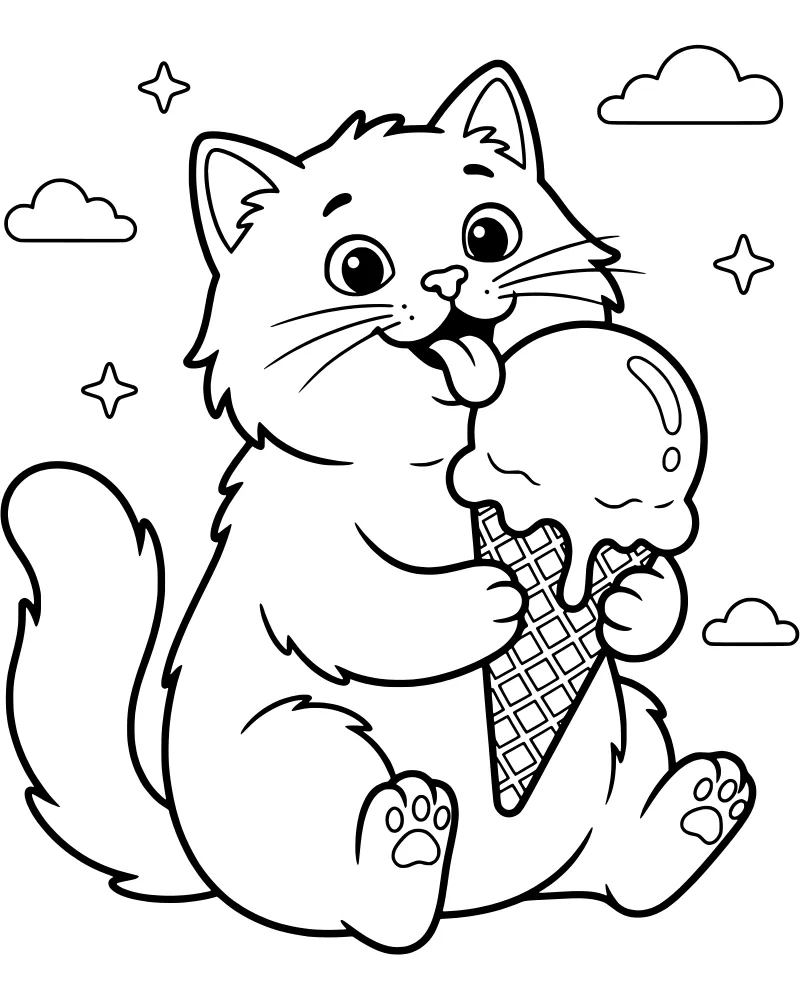
Cat Eating Ice Cream Under Stars
Animals
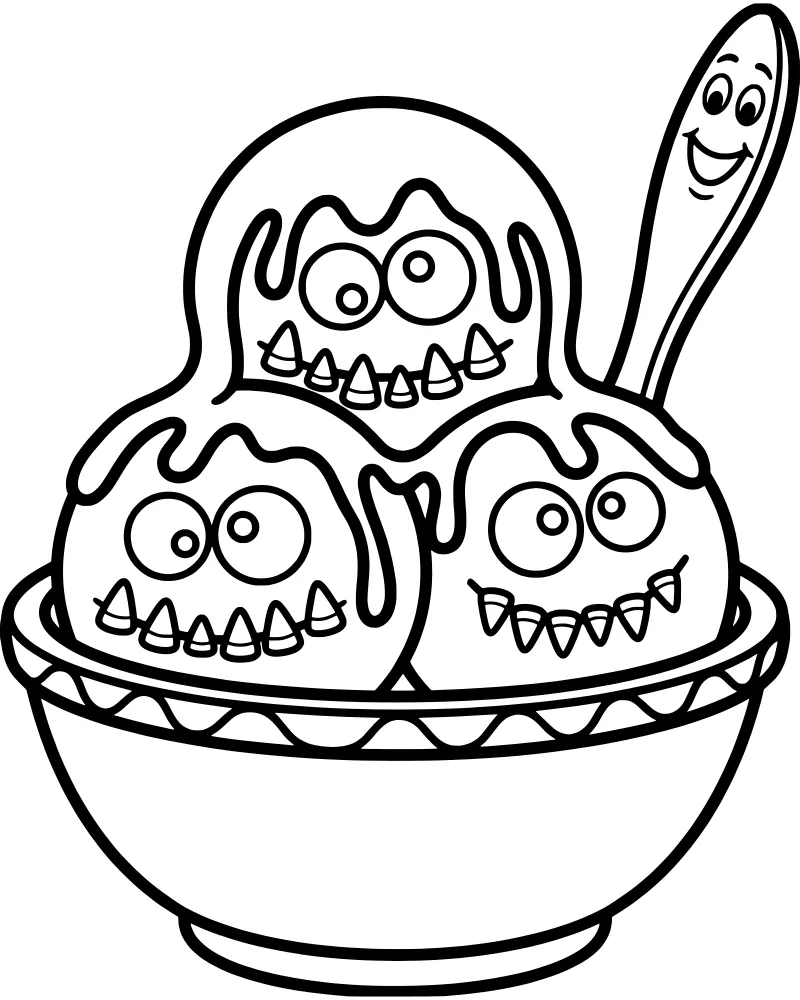
Spooky Scoops and Happy Spoon Bowl
Food & Drinks
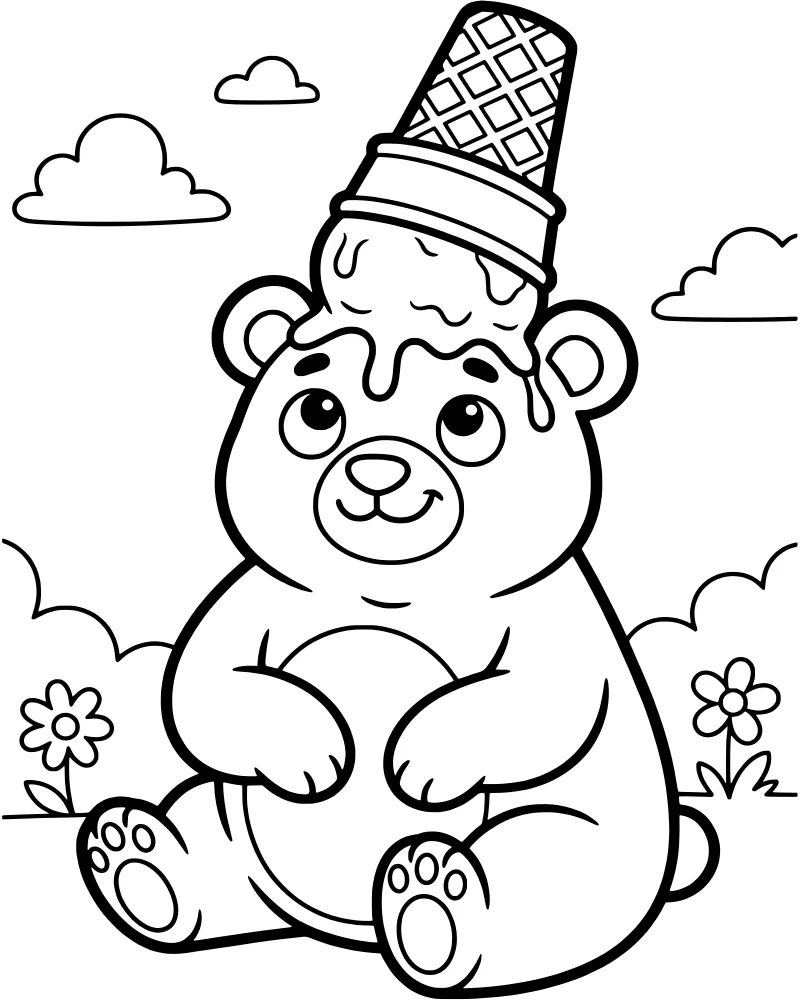
Bear with Melting Ice Cream Cone
Animals
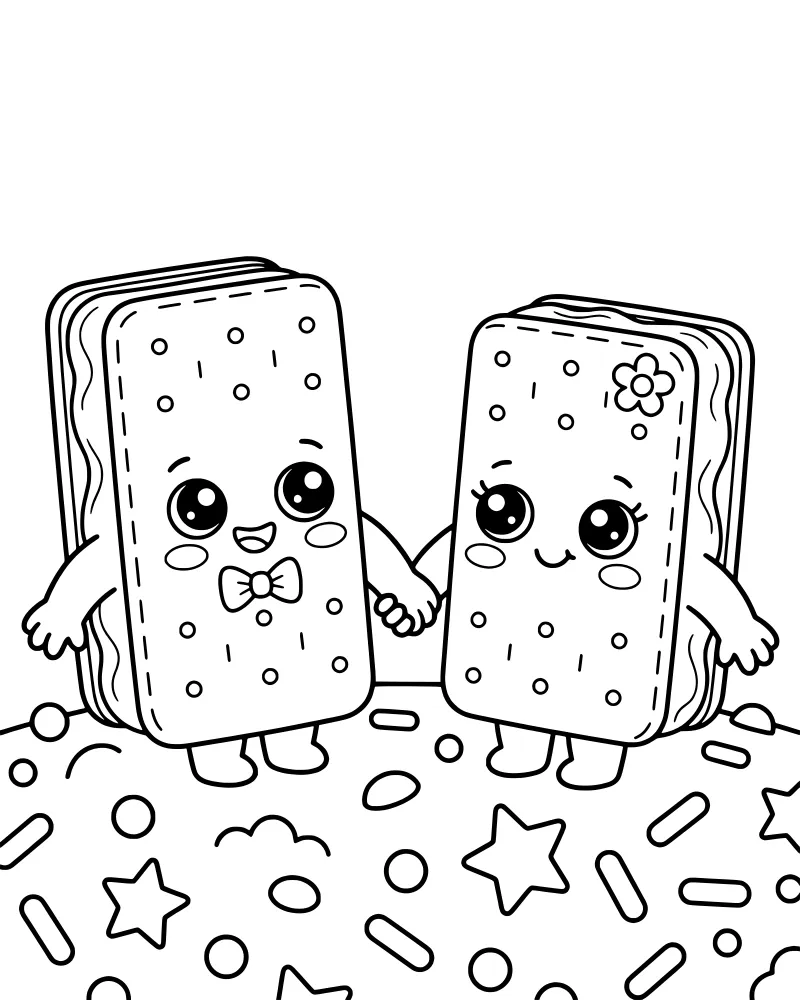
Happy Ice Cream Sandwich Friends
Food & Drinks
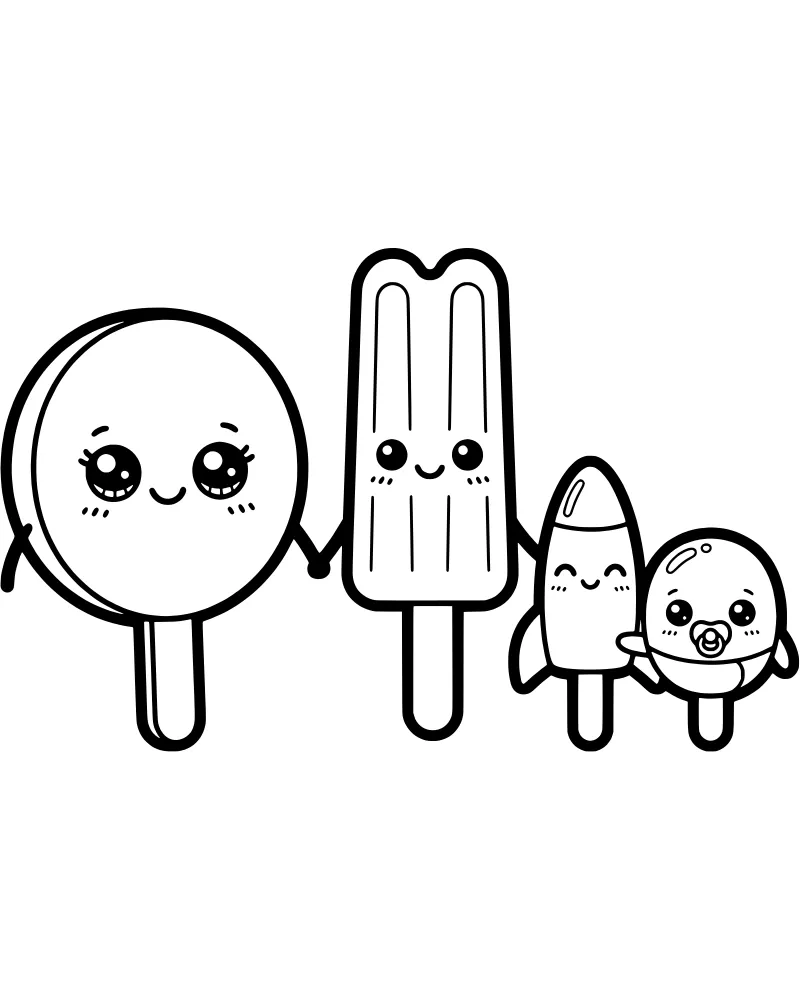
Friendly Popsicle Family
Food & Drinks
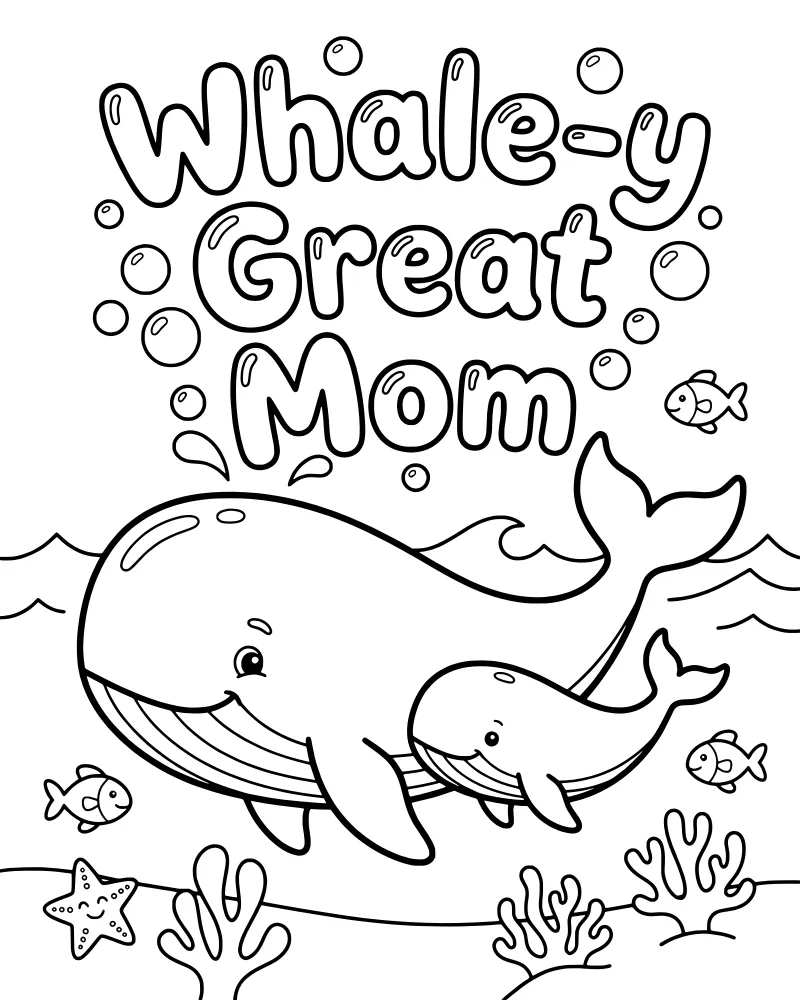
Whale-y Great Mom Mother's Day
Ocean & Sea Life
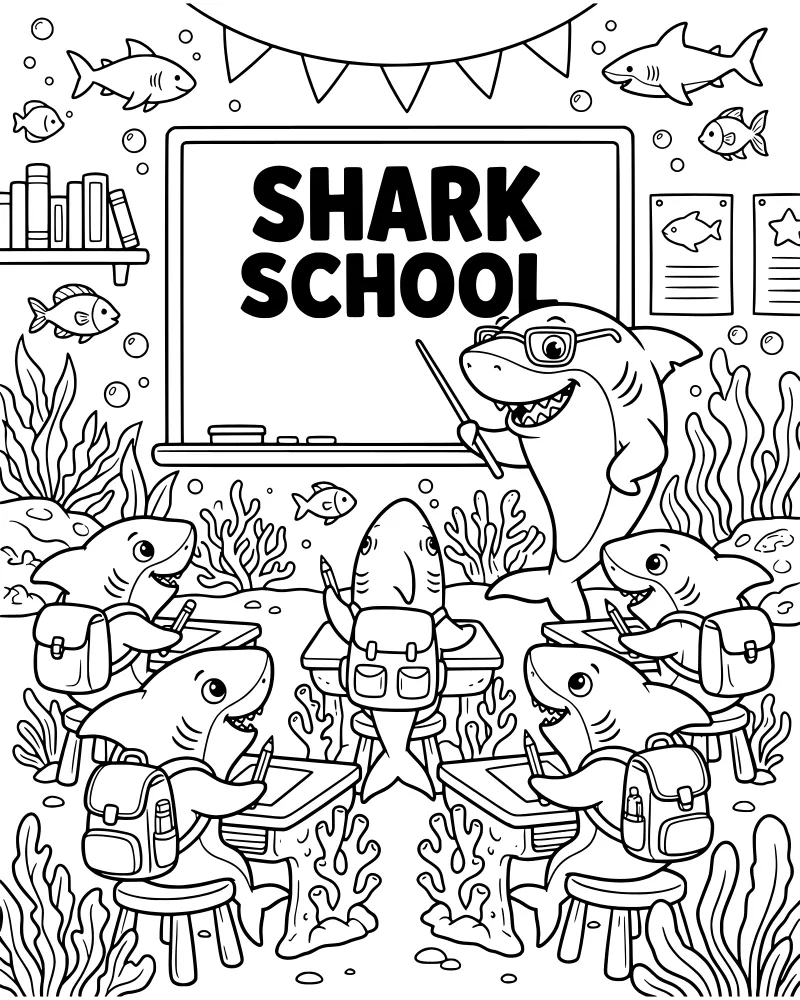
Underwater Shark School Classroom
Ocean & Sea Life
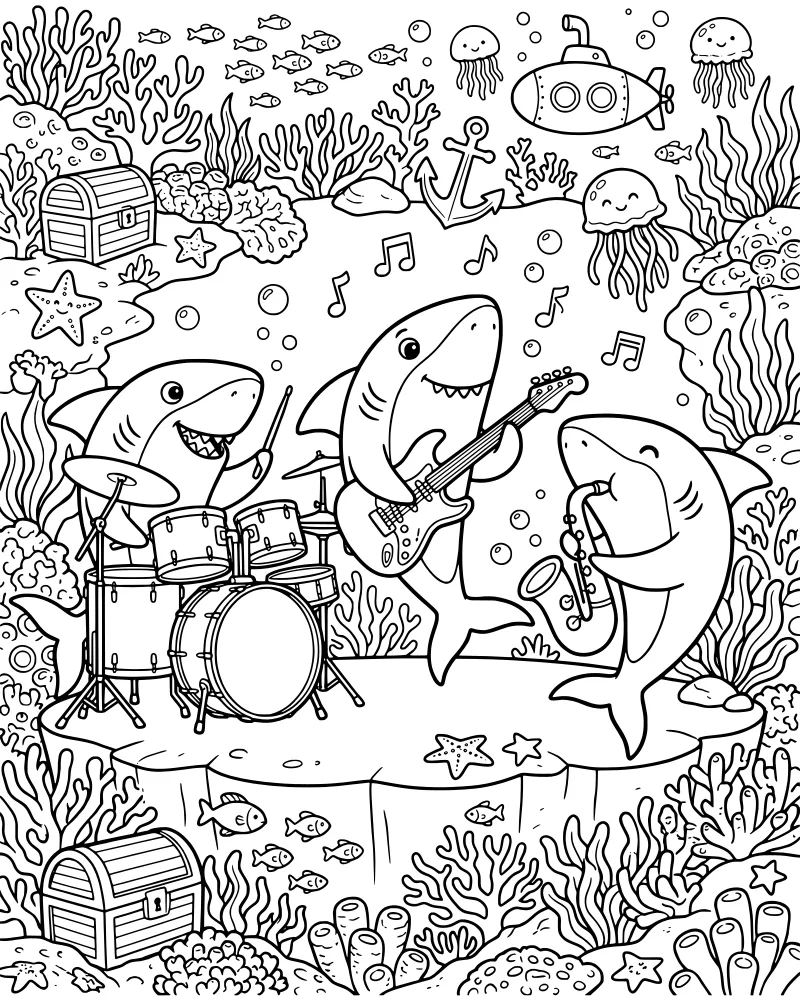
Shark Rock Band Underwater Concert
Ocean & Sea Life
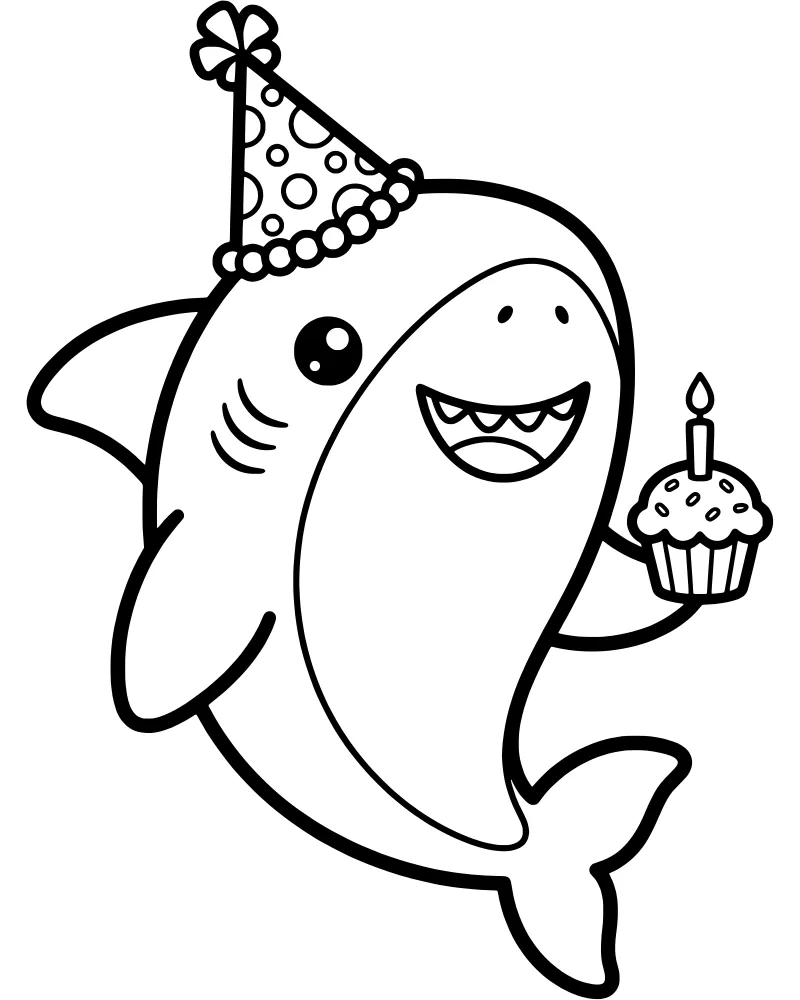
Happy Birthday Shark with Cupcake
Ocean & Sea Life
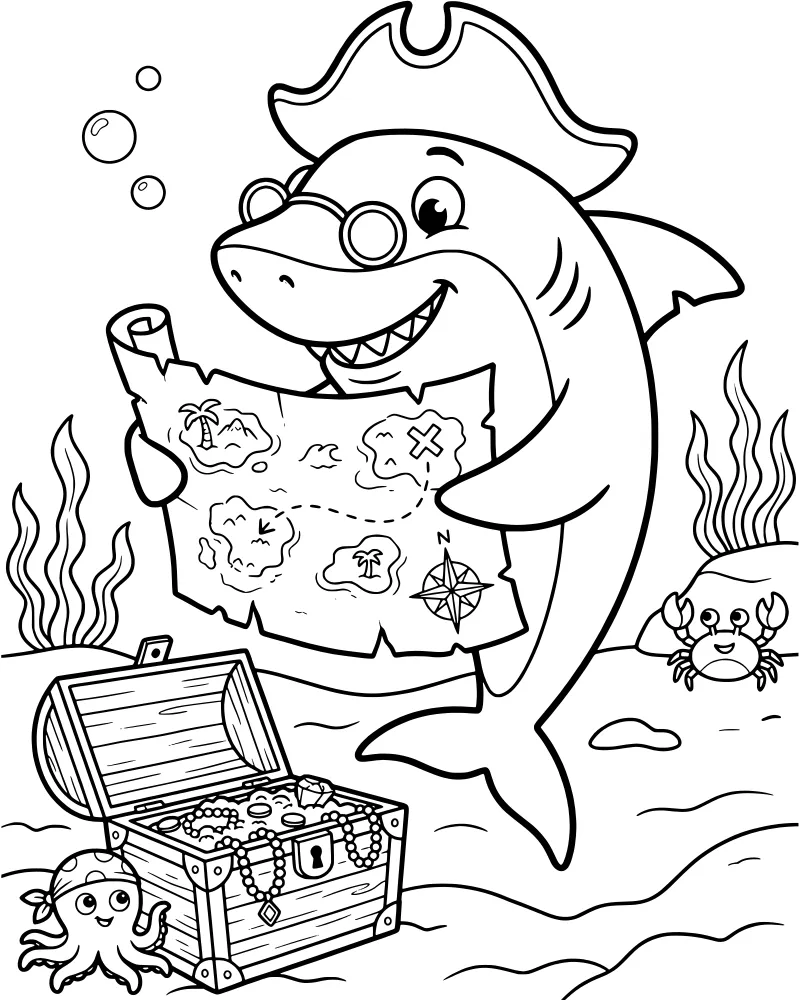
Pirate Shark and Hidden Treasure
Ocean & Sea Life
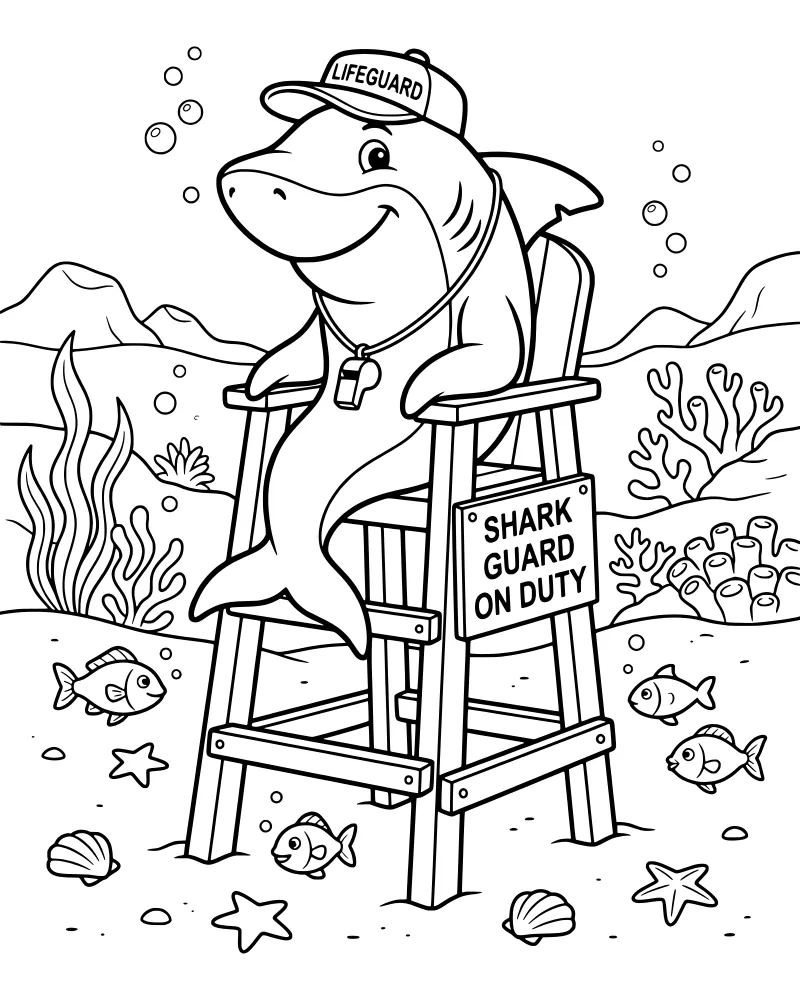
Shark Guard on Duty Underwater
Ocean & Sea Life
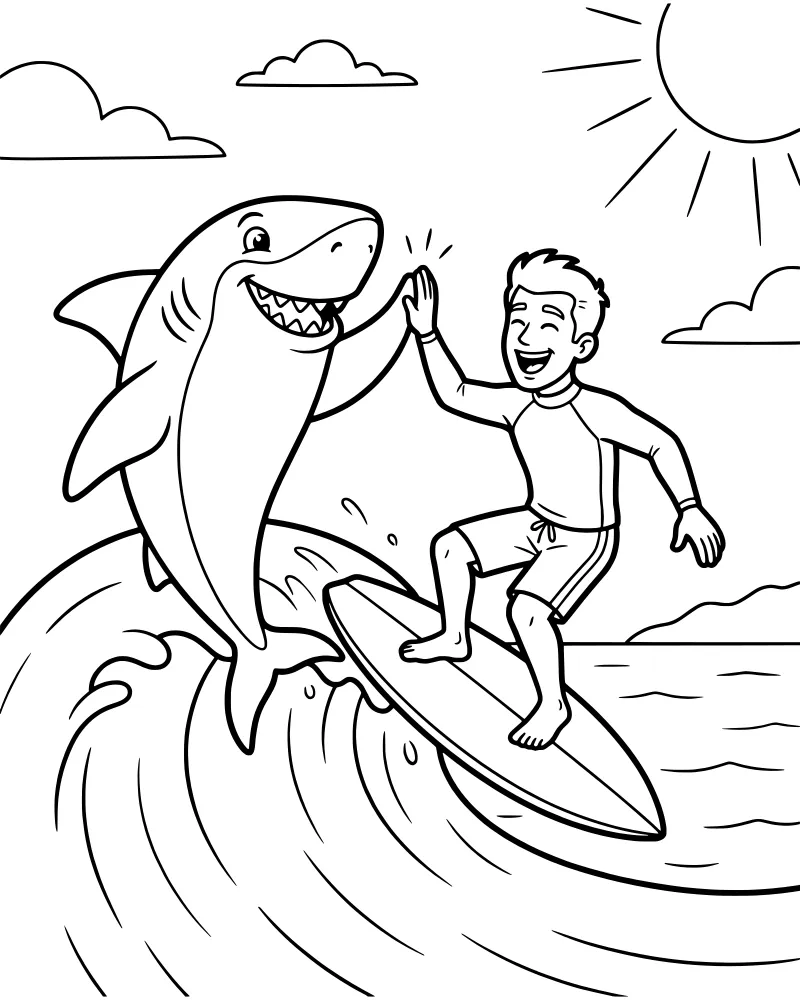
Shark and Surfer High Five
Ocean & Sea Life
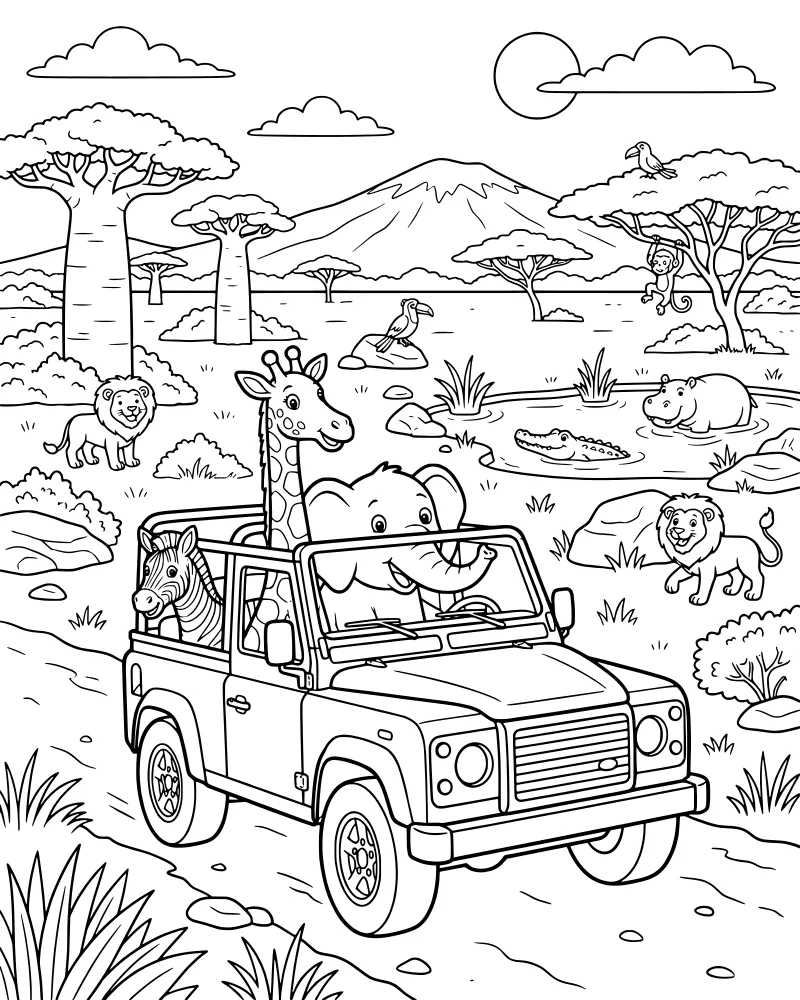
Safari Animals Riding in a Jeep
Animals
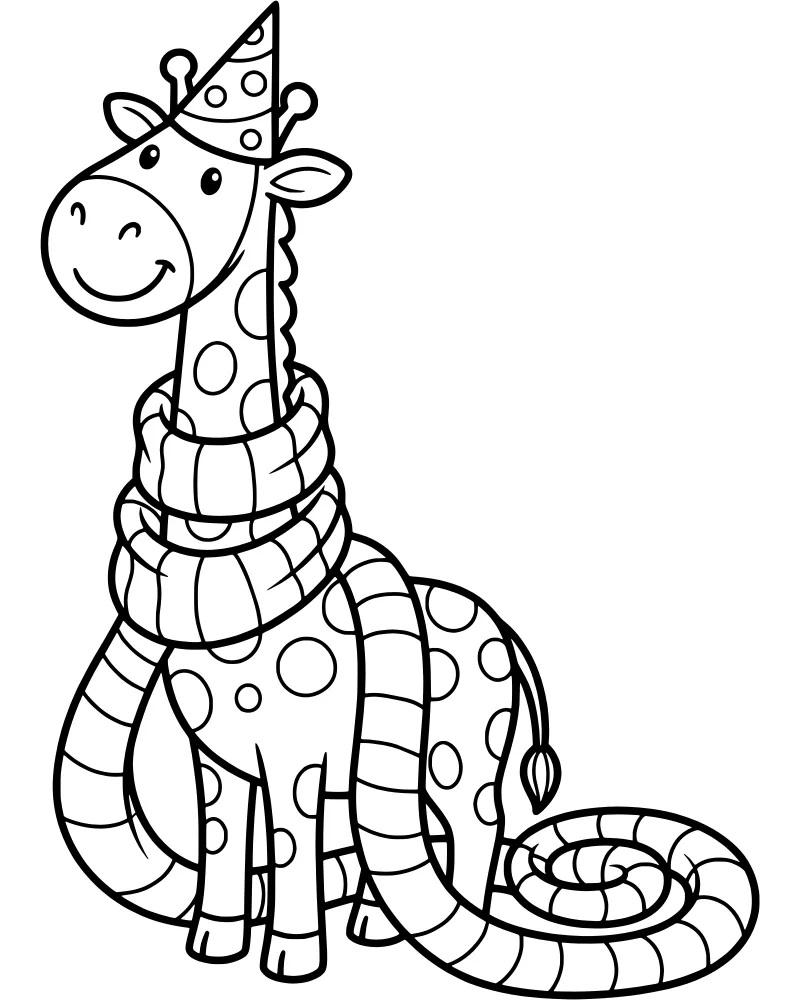
Festive Giraffe in Party Gear
Animals
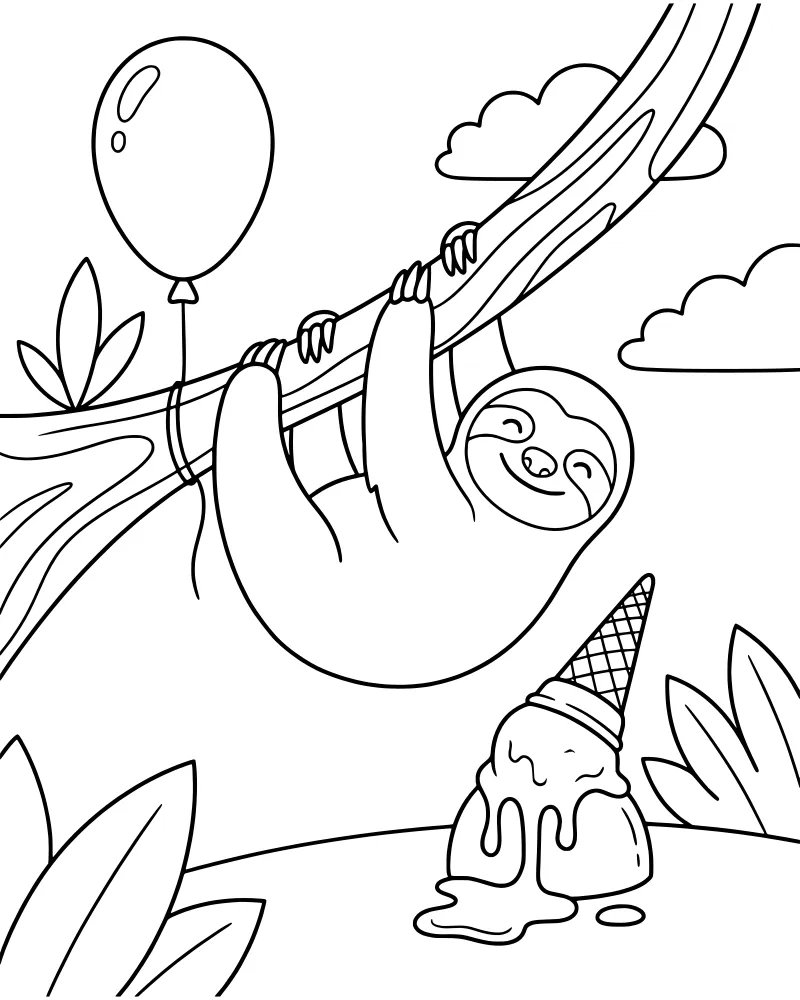
Happy Sloth with Ice Cream and Balloon
Animals
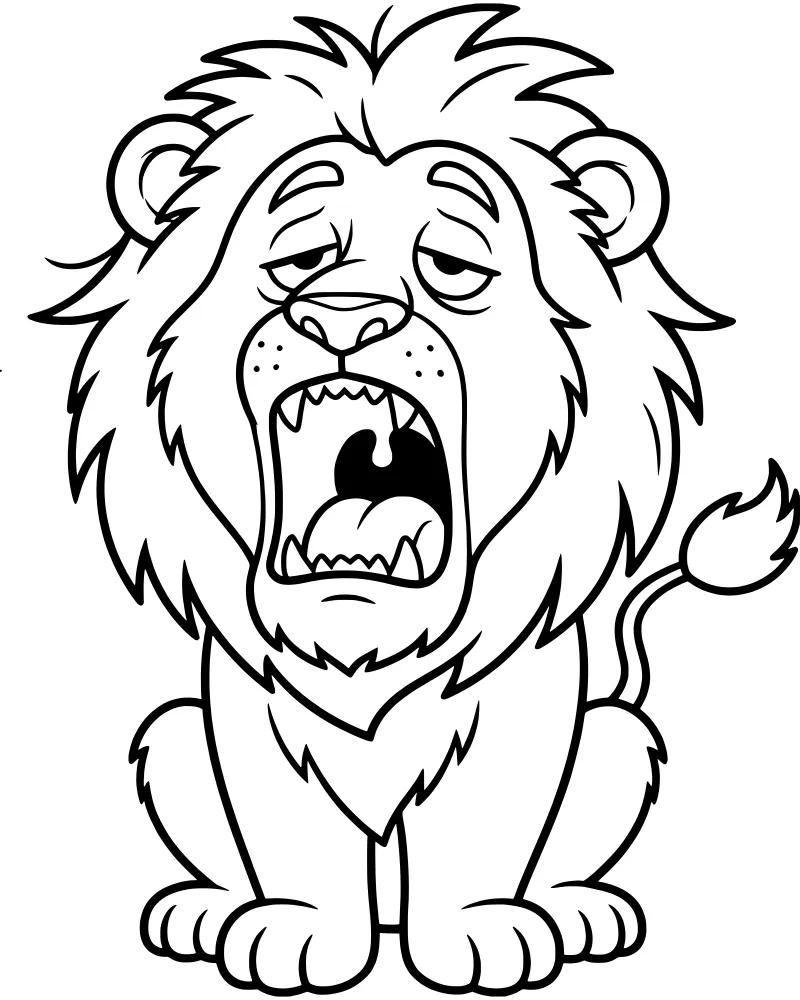
Sleepy Lion Yawning Cartoon
Animals
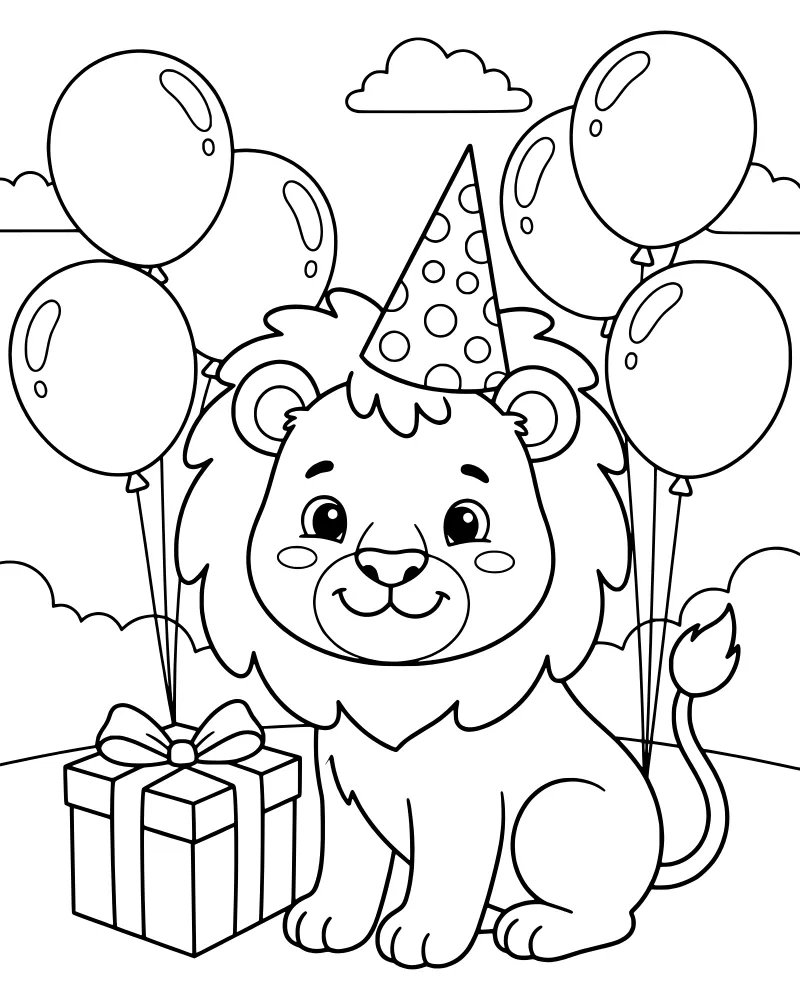
Happy Birthday Lion with Party Balloons
Holidays & Celebrations
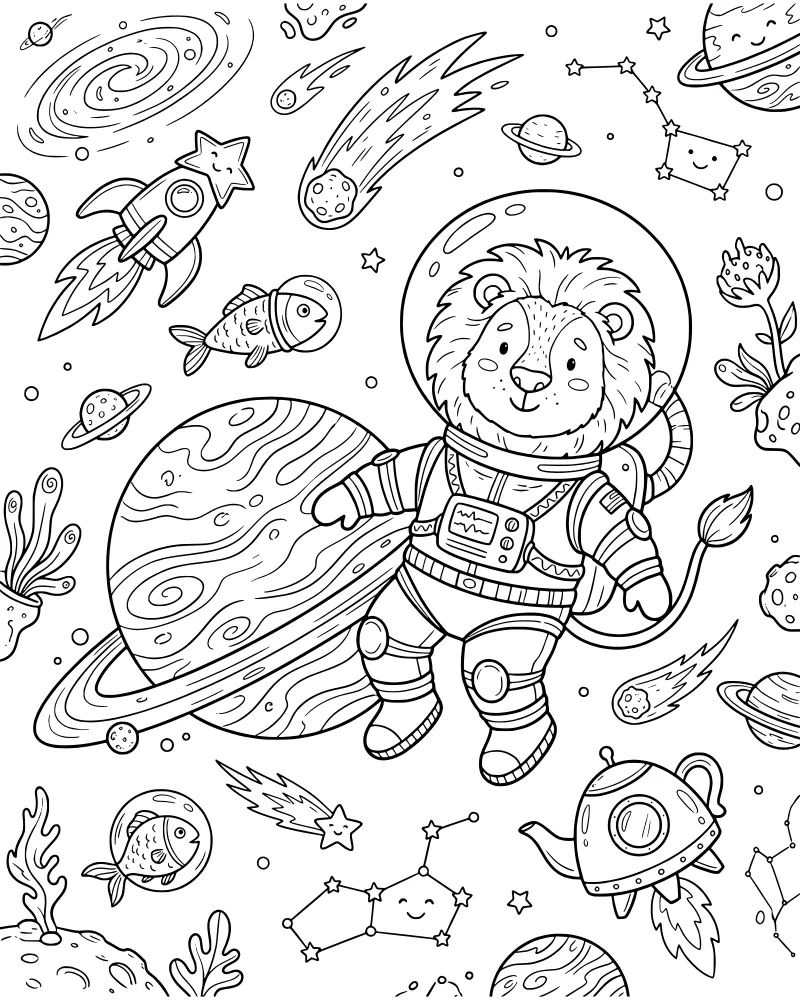
Lion Astronaut Exploring Outer Space
Space & Sci-Fi
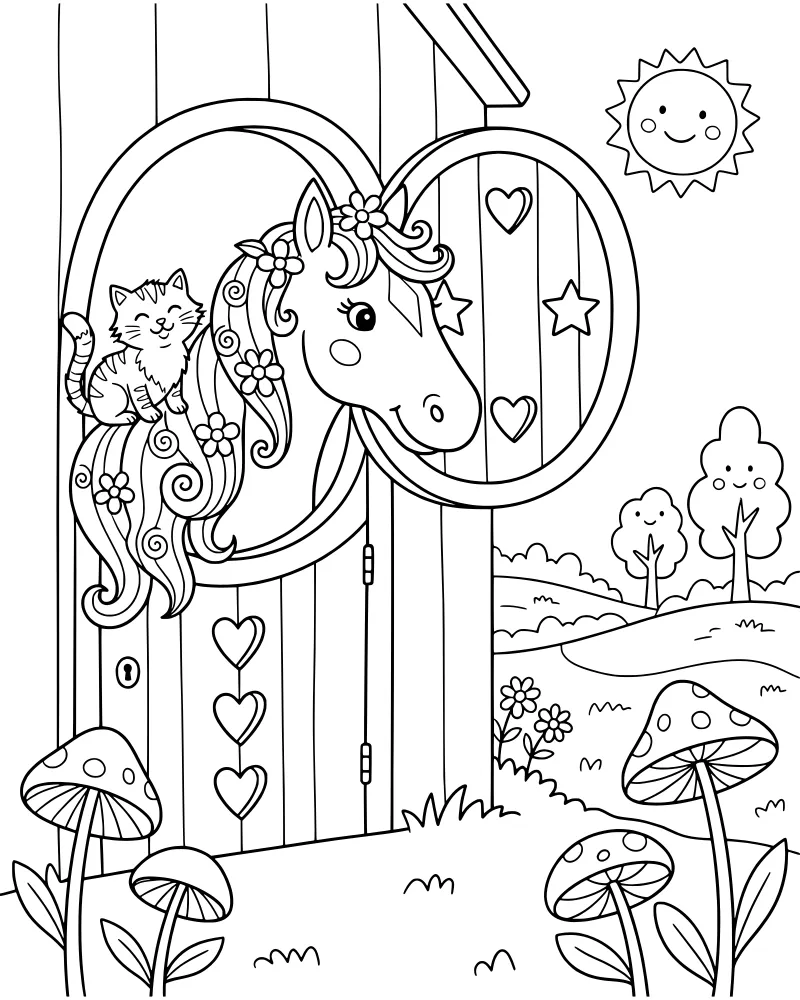
Friendly Horse and Cat in Barn
Animals
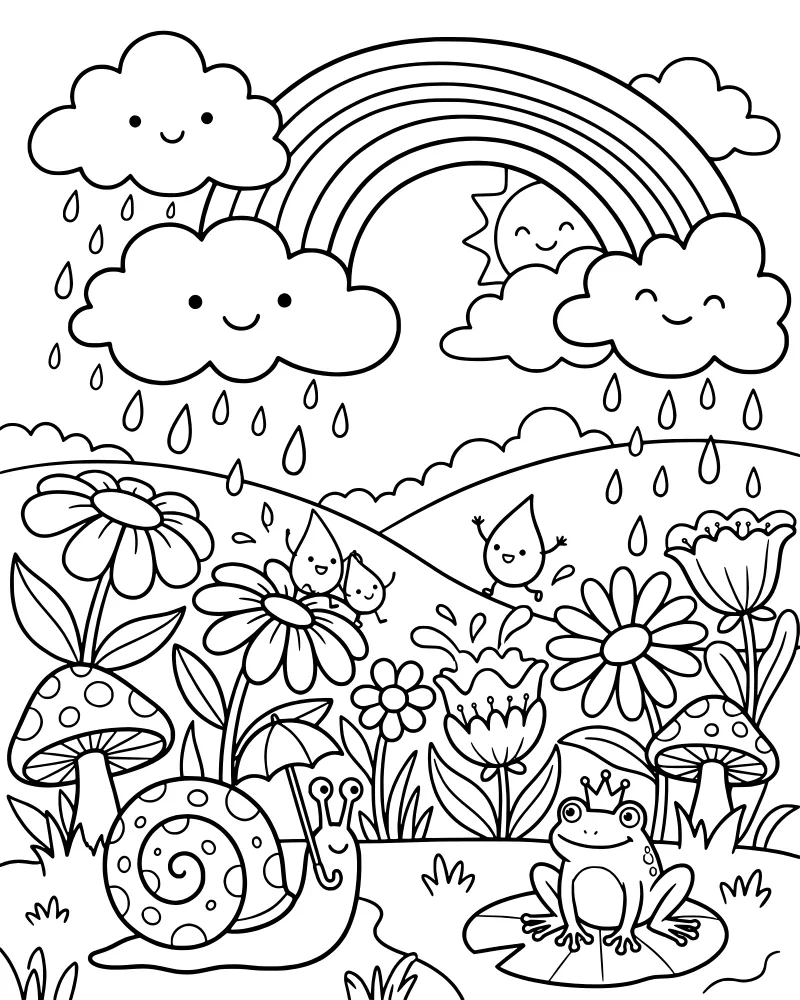
Happy Rainy Day Meadow Friends
Nature & Outdoors
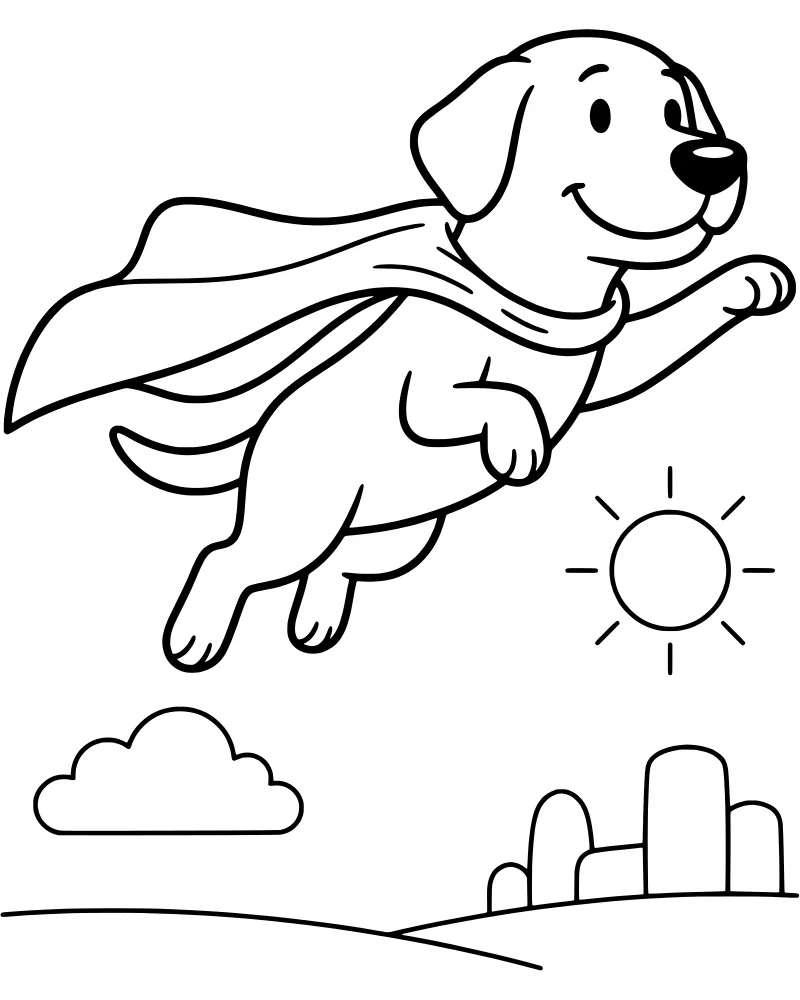
Super Hero Dog Flying Over City
Animals
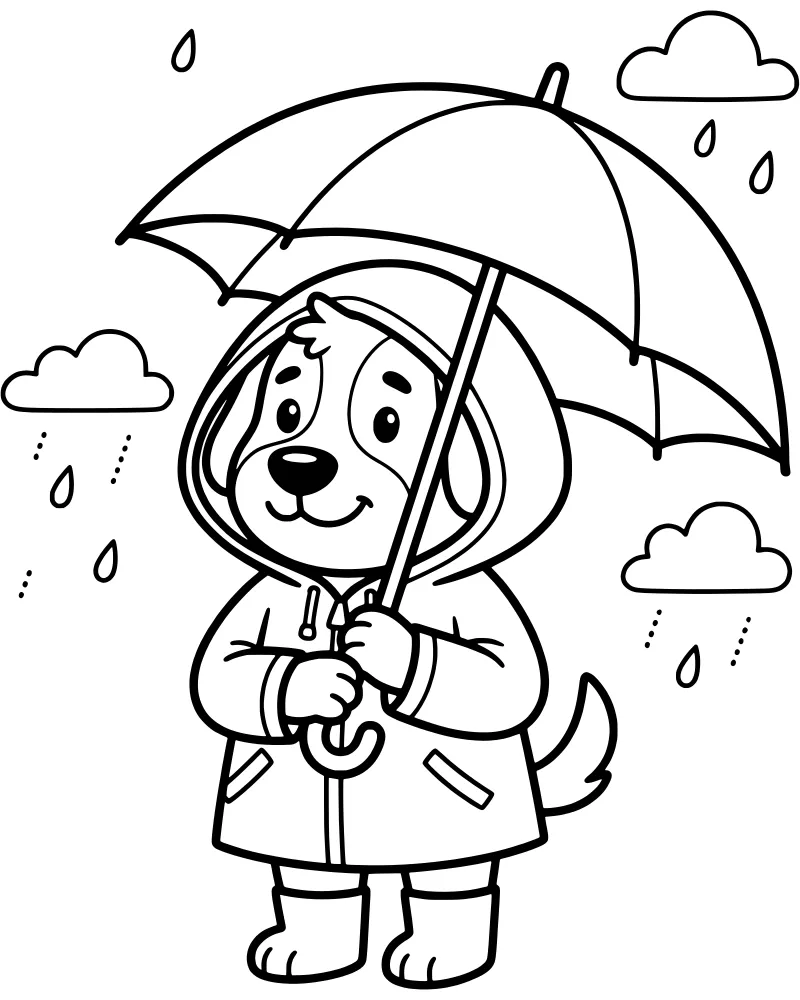
Cute Dog in Raincoat and Boots
Animals
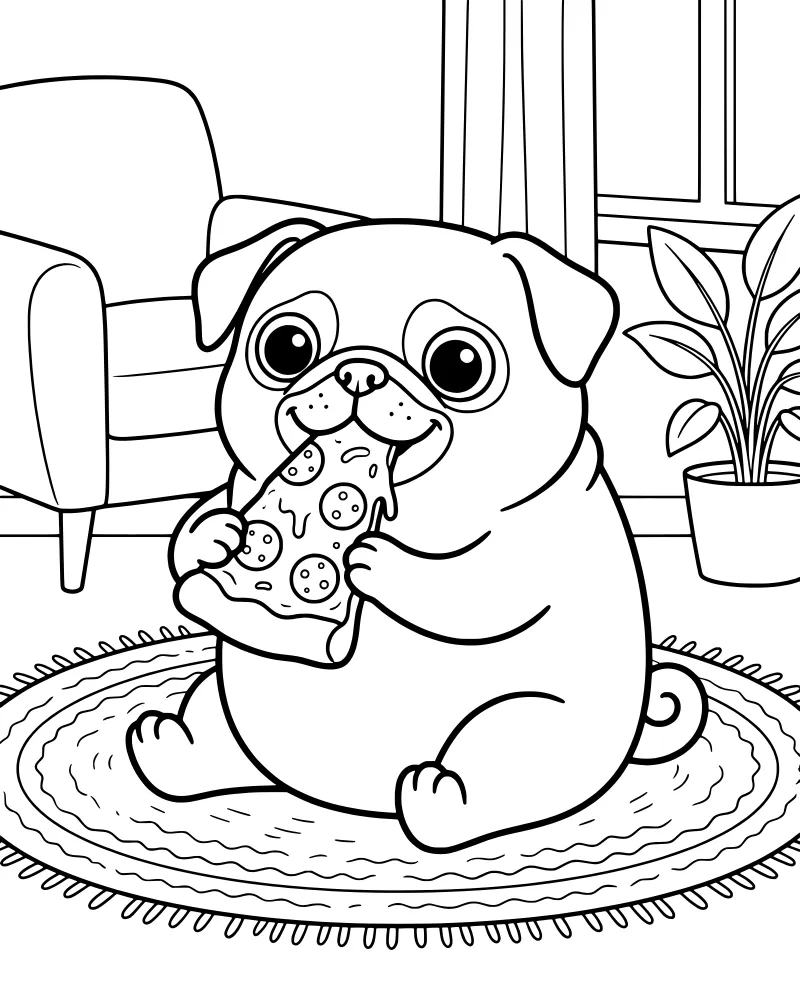
Cute Pug Eating Pizza in Living Room
Animals
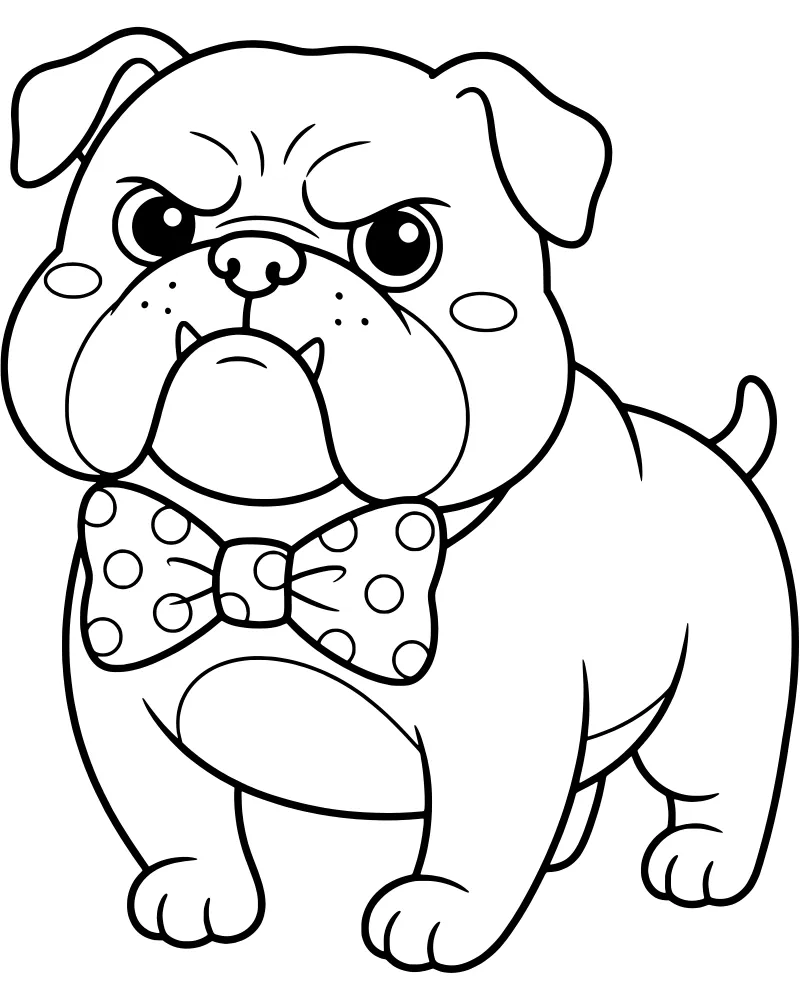
Dapper Bulldog with Polka Dot Bow Tie
Animals
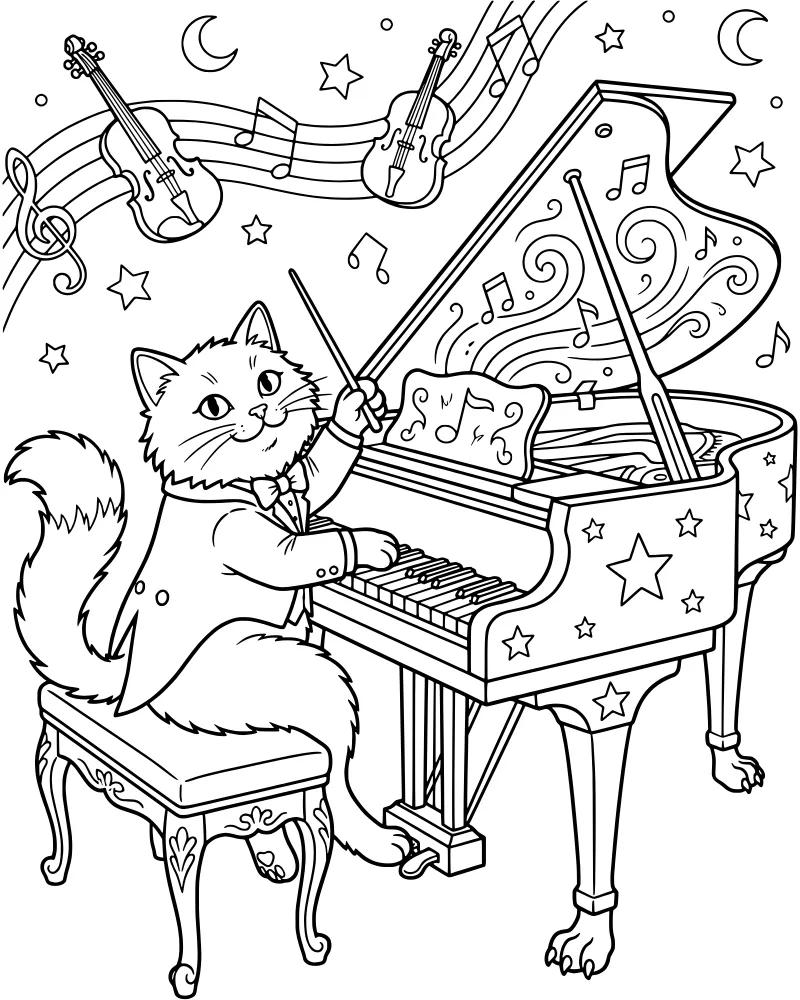
Tuxedo Cat Playing Grand Piano
Animals
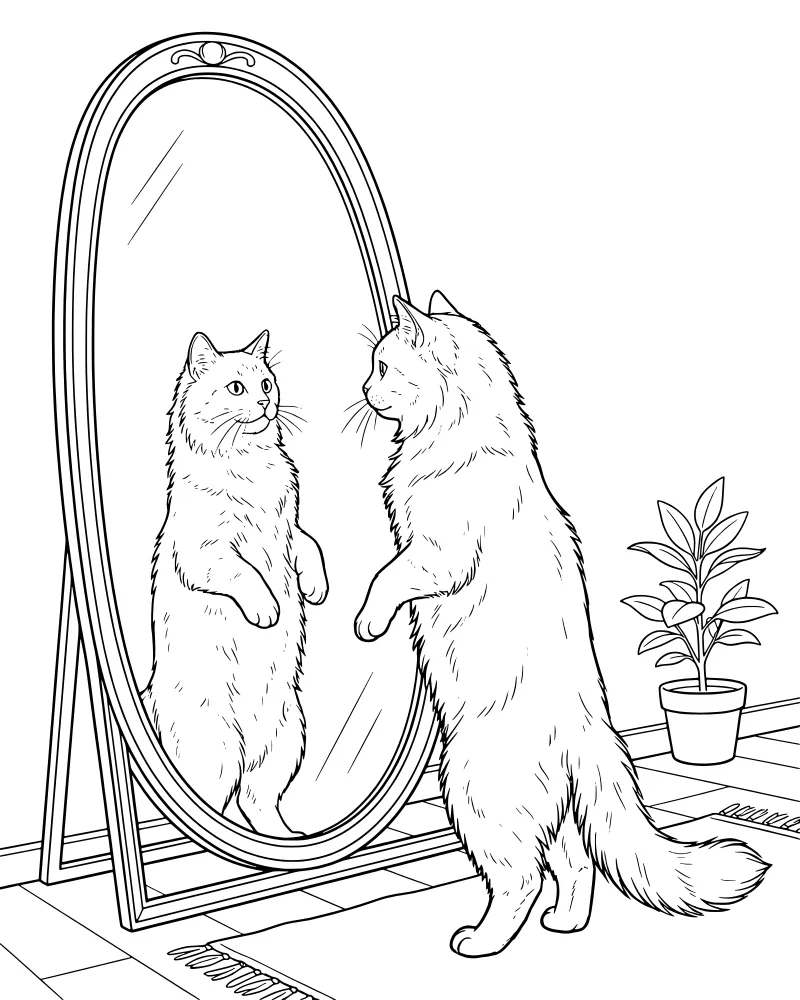
Fluffy Cat Looking in the Mirror
Animals
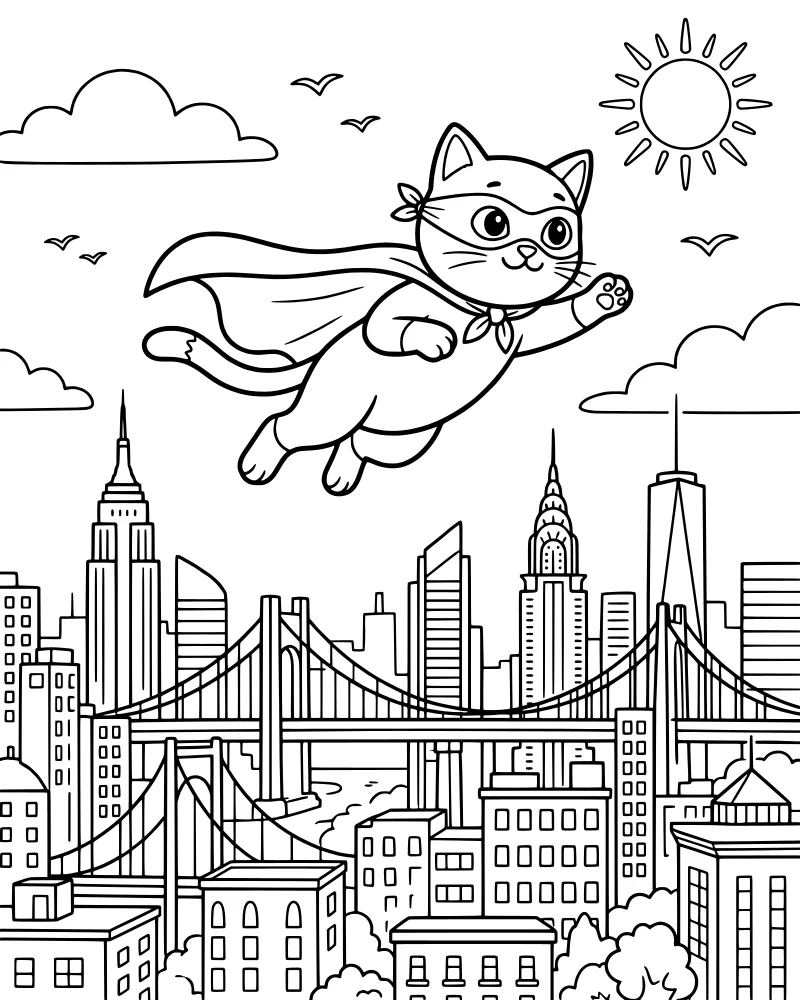
Superhero Cat Flying Over The City
Animals
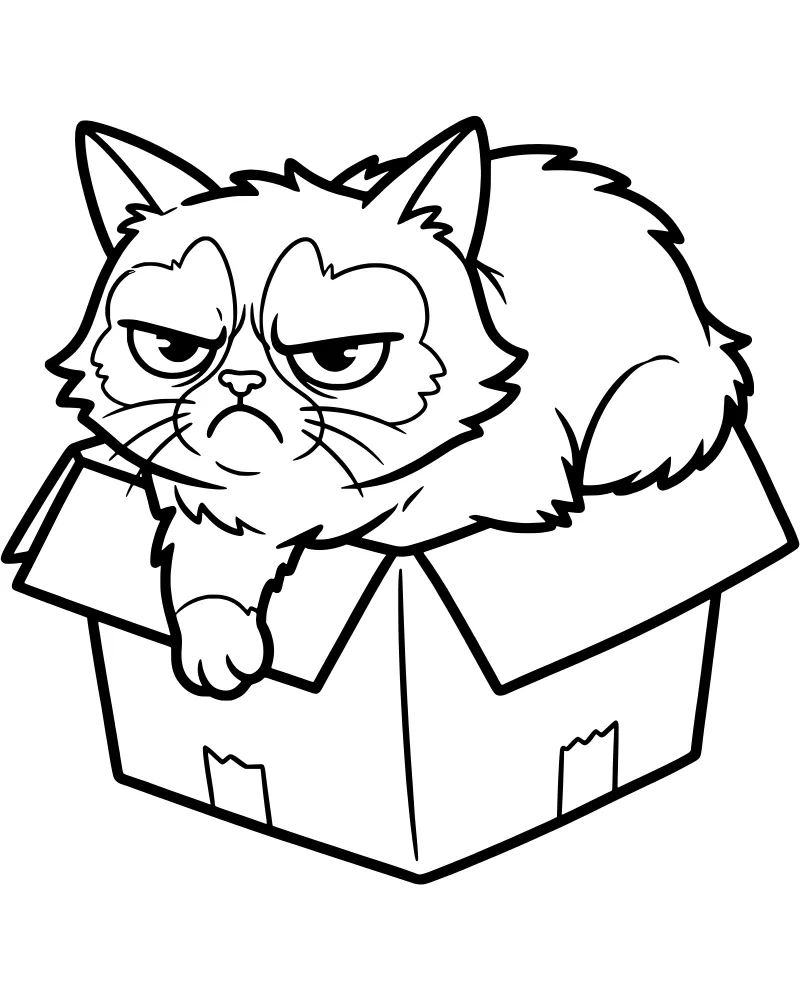
Grumpy Cat in a Cardboard Box
Animals
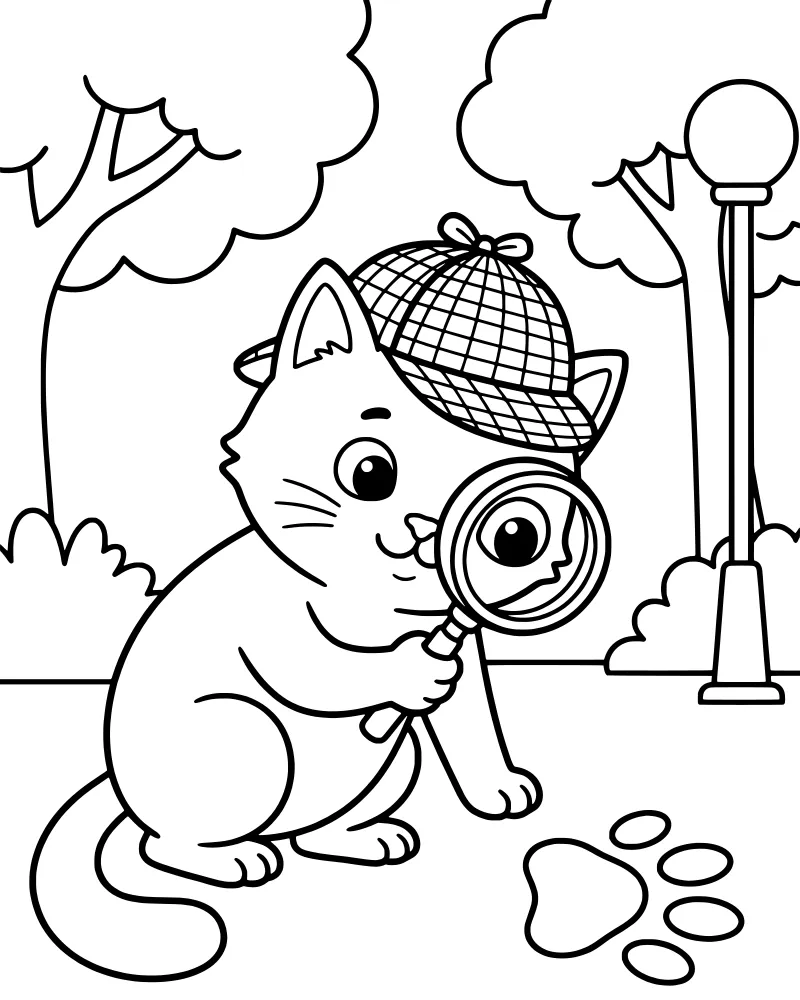
Detective Cat Solving Mystery
Animals
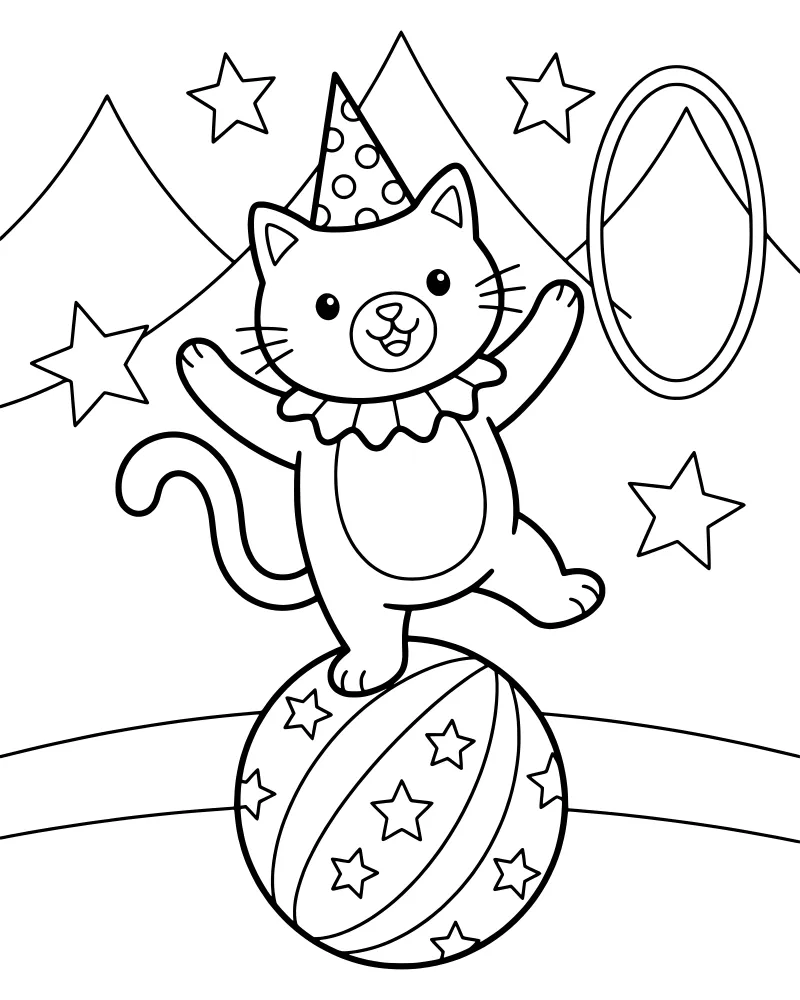
Circus Cat Balancing on a Ball
Animals
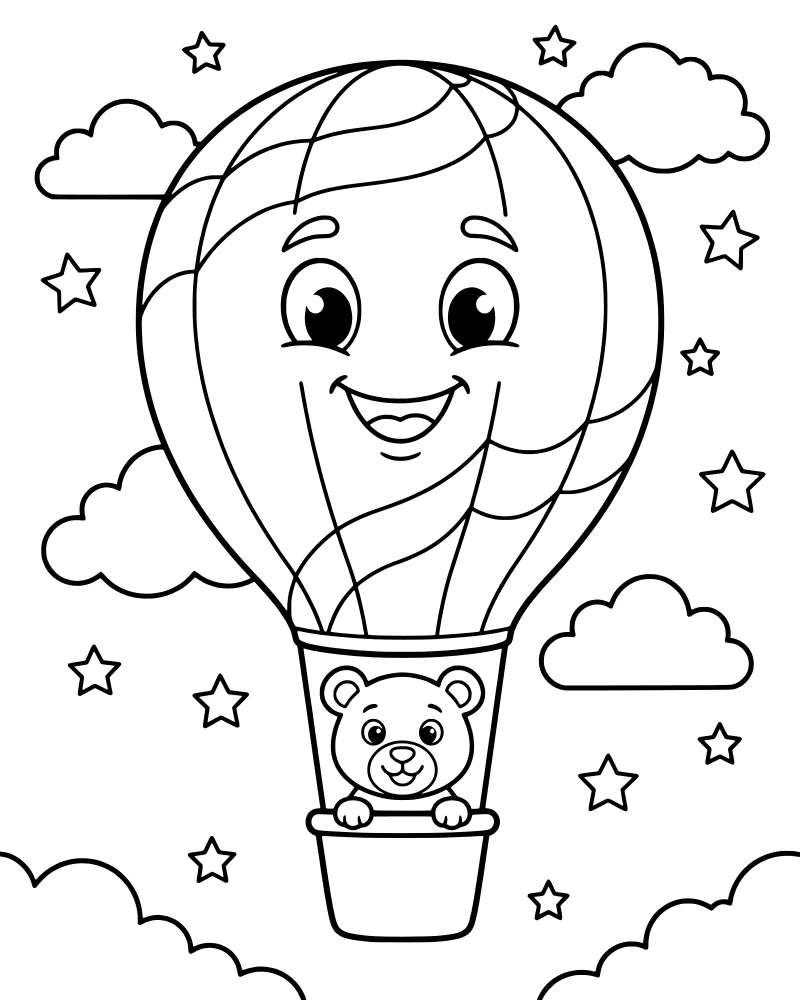
Whimsical Bear in a Hot Air Balloon
Vehicles & Transportation
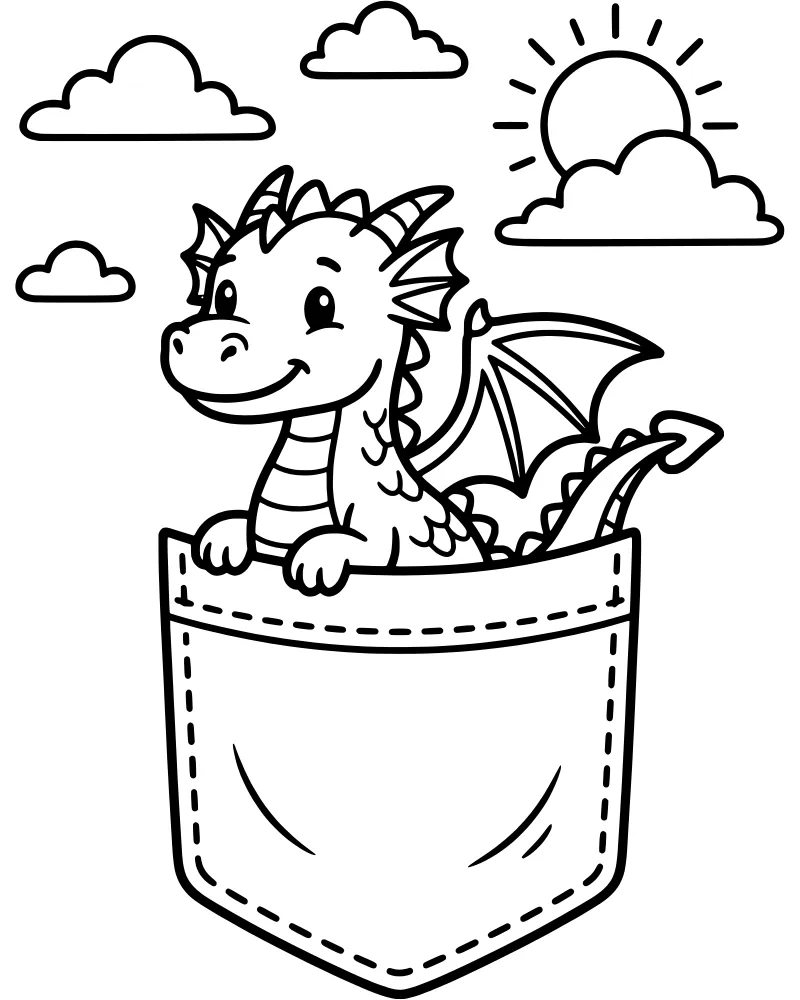
Little Dragon in a Pocket
Fantasy & Mythology
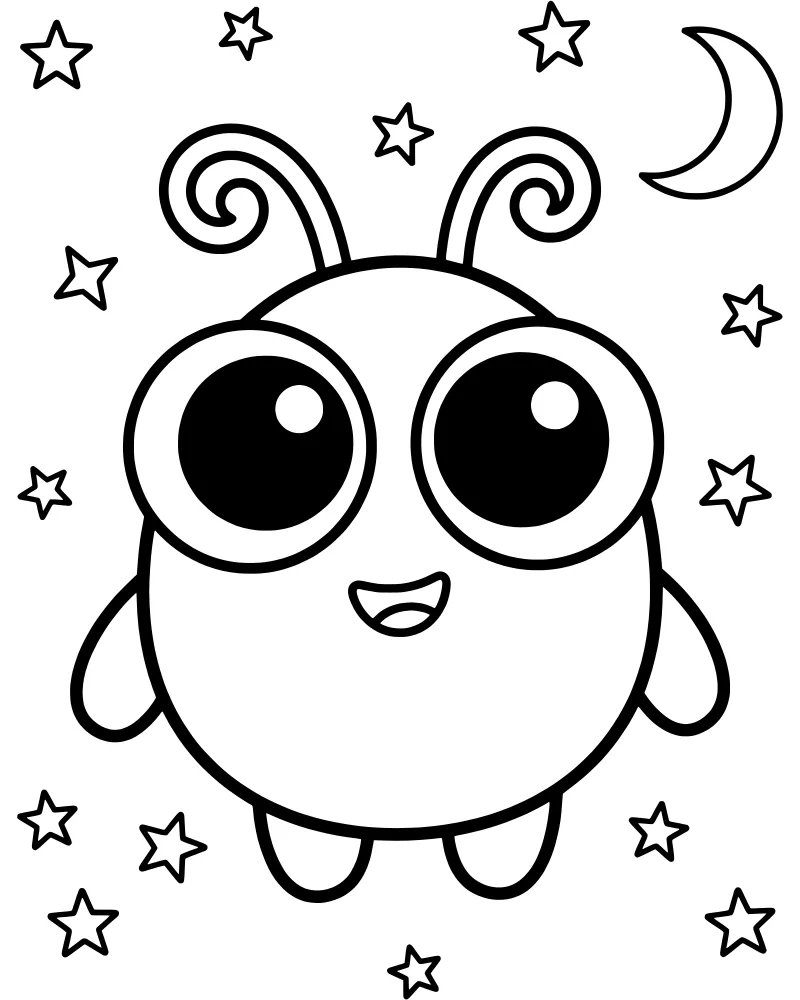
Friendly Alien in the Night Sky
Space & Sci-Fi
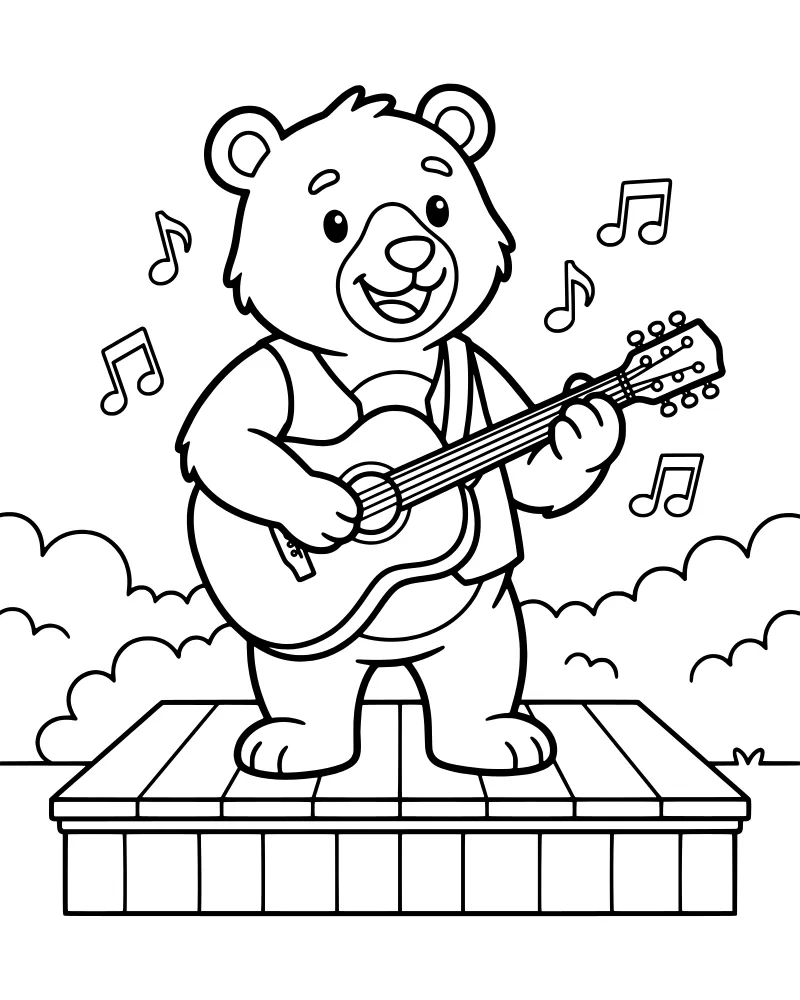
Acoustic Guitar Playing Musical Bear
Animals
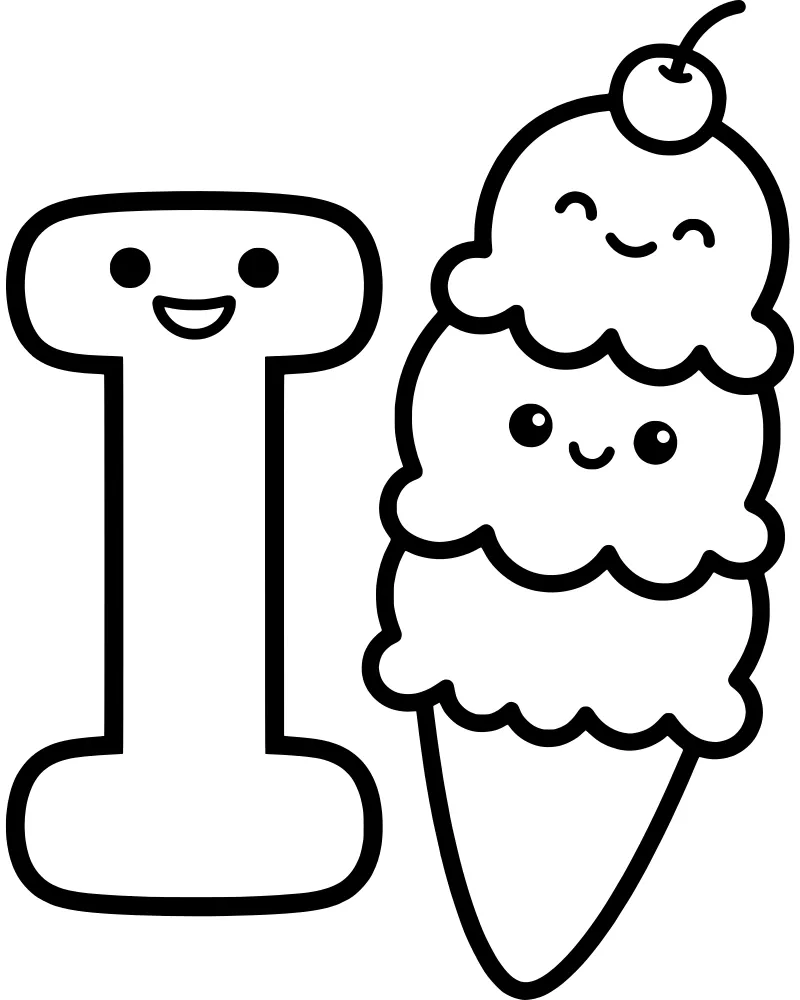
Friendly Letter I and Ice Cream
Educational
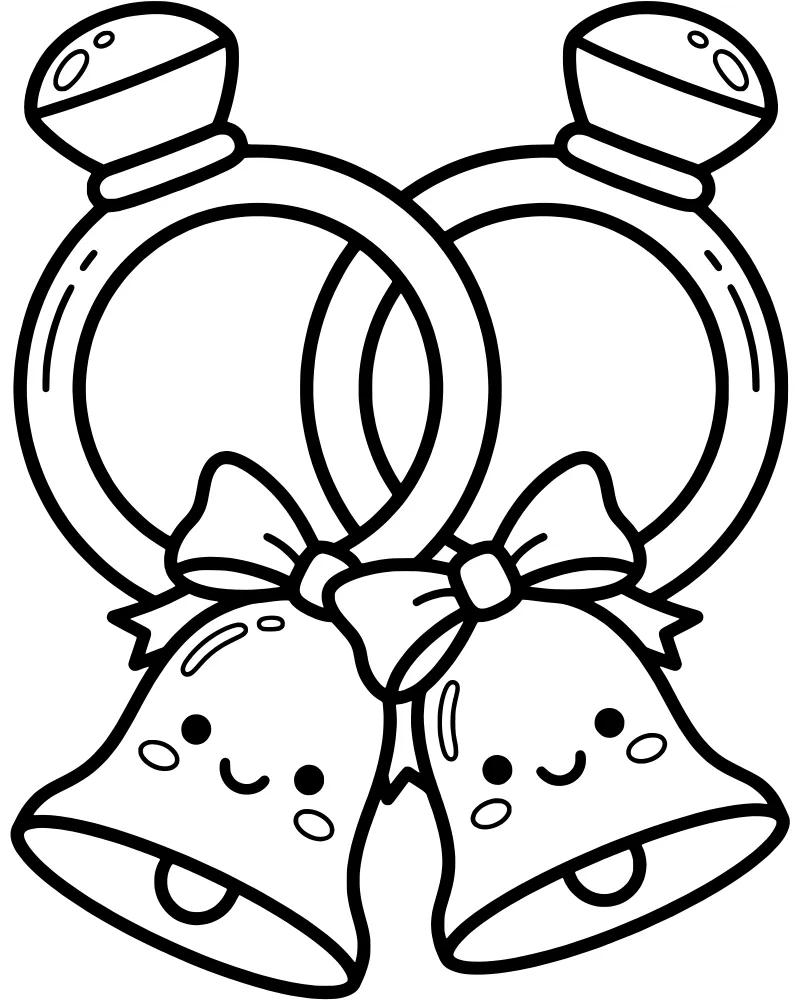
Happy Wedding Bells and Intertwined Rings
Holidays & Celebrations

Kawaii Happy Ramen Bowl
Food & Drinks
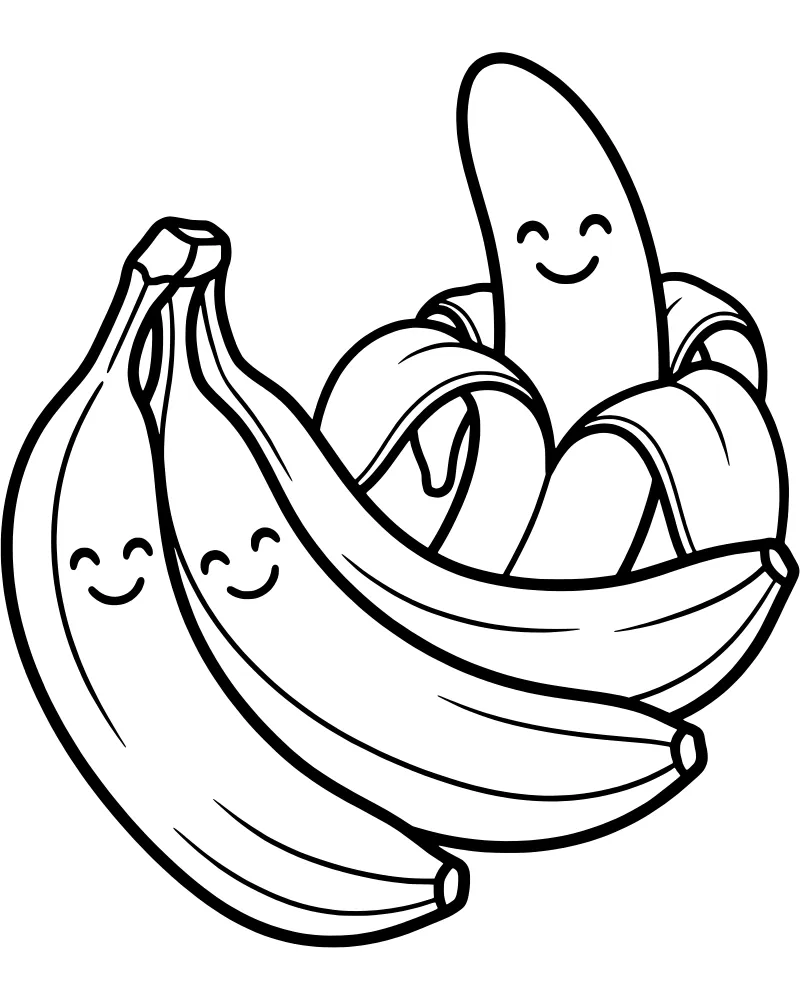
Happy Smiling Cartoon Bananas
Food & Drinks

Happy Morning Cartoon Coffee Mug
Food & Drinks
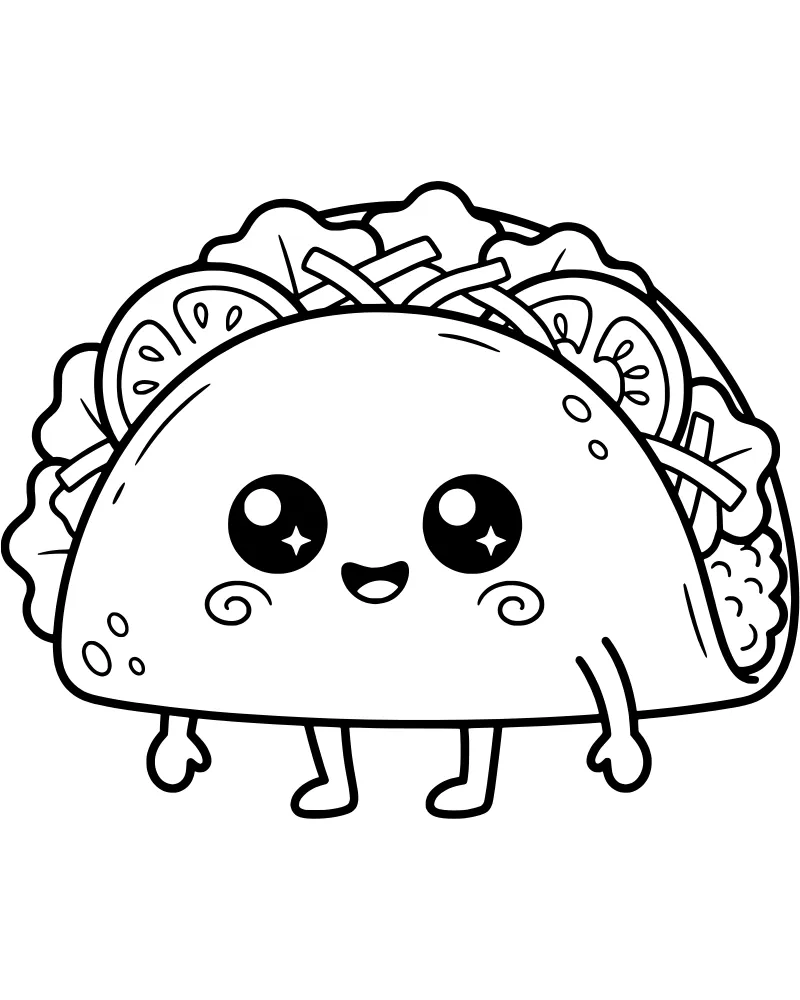
Happy Dancing Taco Character
Food & Drinks
Happy Cartoon Strawberry Friend
Food & Drinks
Cute Kawaii Sushi Roll
Food & Drinks
Friendly Three Eyed Alien
Space & Sci-Fi
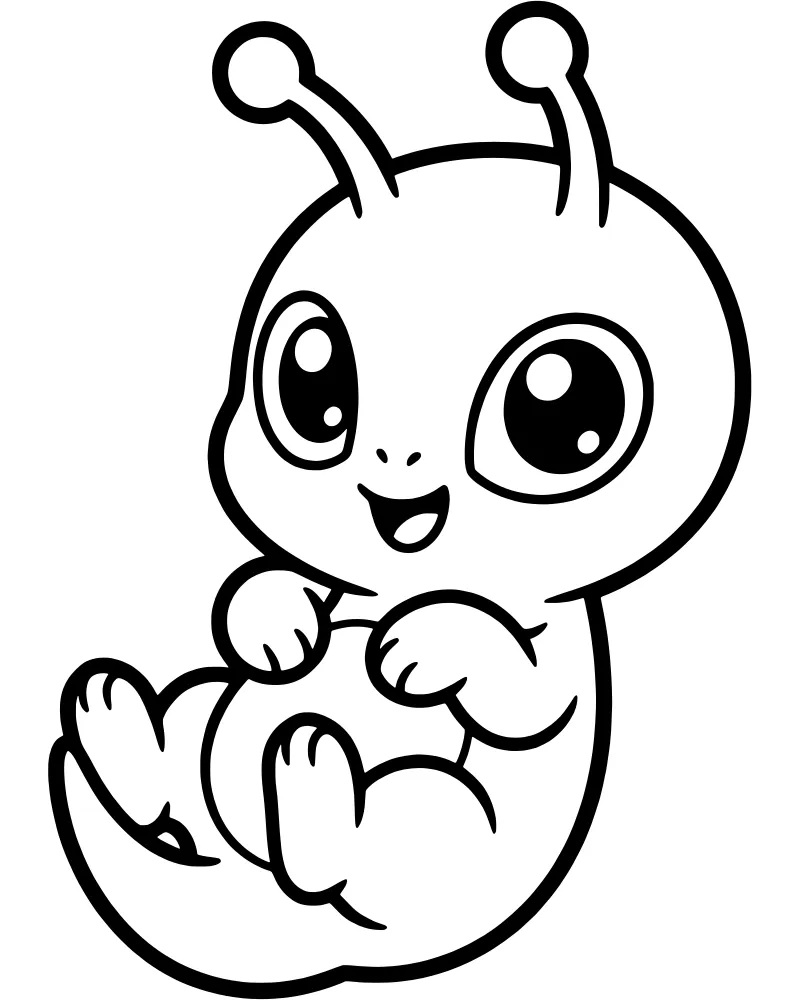
Friendly Little Space Alien Friend
Space & Sci-Fi
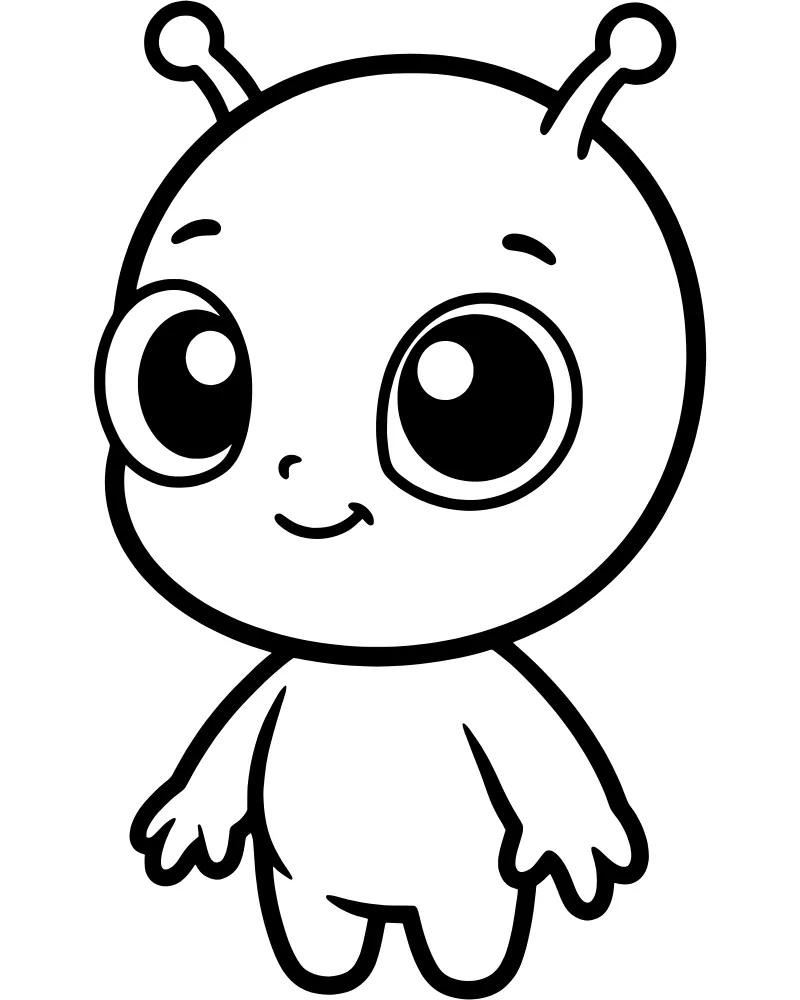
Friendly Little Alien Friend
Space & Sci-Fi
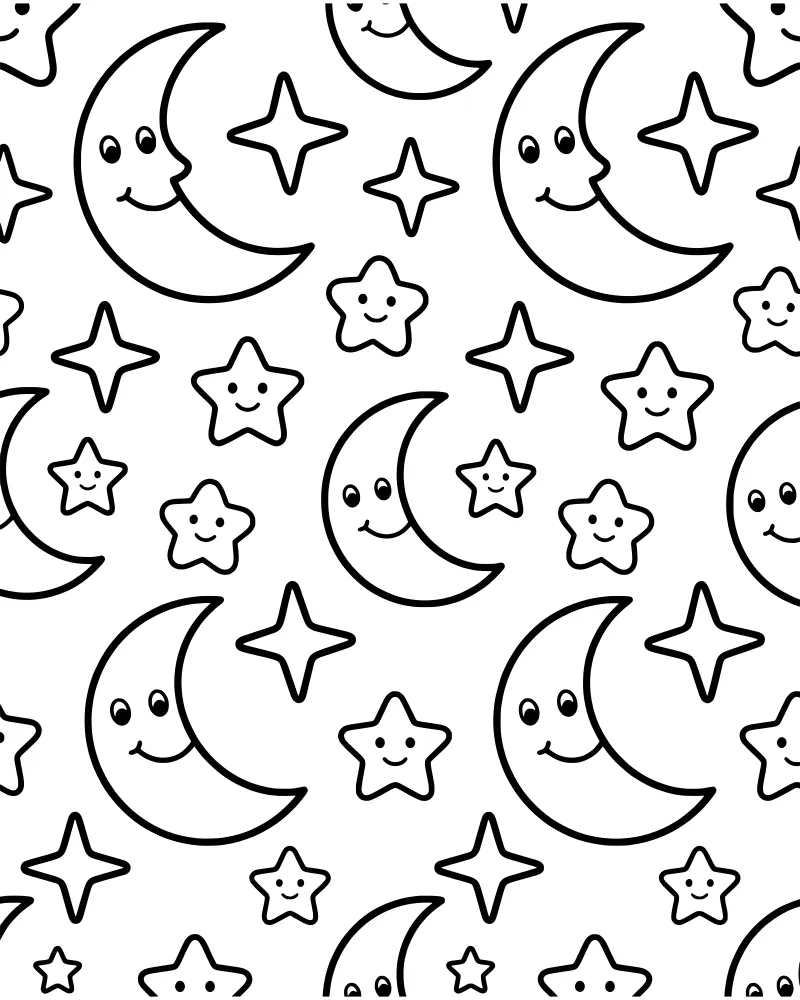
Whimsical Smiling Moon and Stars Night Sky
Space & Sci-Fi
About This Collection
Laughter is a wonderful part of childhood, and our collection of Funny Coloring Pages is designed to bring a smile to every face. These illustrations move away from the serious and focus on the quirky, the unexpected, and the downright silly. From animals acting like people to food items with big personalities, each page offers a lighthearted way to spend an afternoon.
Coloring should be a joyful experience that encourages playfulness and humor. These pages provide a unique way for kids and parents to bond over shared giggles while exploring vibrant colors. Whether you are looking for a quick pick-me-up or a fun family activity, these whimsical characters are here to brighten your day and keep the mood light.
The Joy of Silly and Quirky Characters
Humor has a special way of making art feel approachable and less intimidating for artists of all ages. When children see a character doing something unexpected, it breaks the standard rules of reality and encourages them to think about the world in a different way. A cat wearing a tuxedo or a bear playing a guitar creates a narrative that is instantly engaging. This playfulness helps reduce the pressure of making a perfect picture, allowing the focus to shift toward having a good time and expressing a unique personality through color choices.
Funny illustrations often rely on expressive faces and exaggerated features to convey a joke. You might notice big, round eyes, wide grins, or silly poses that make the character feel alive. These elements are not just for laughs; they also help young artists learn about emotions and storytelling. When you color a character that looks like it is having a blast, that energy tends to rub off on the person holding the crayon, making the entire creative process feel like a celebration.
When Everyday Objects Come to Life
One of the most popular themes in humorous art is anthropomorphism, which is the act of giving human traits to animals or inanimate objects. There is something inherently funny about a snack or a household item having a wide grin and a sense of rhythm. For example, the Happy Dancing Taco Character brings a sense of movement and joy to a simple food item, making it feel like a friend rather than just something you would find on a dinner plate. These types of pages help kids view their surroundings with a sense of wonder, turning a kitchen pantry into a place filled with potential stories.
This style of humor is particularly effective for younger children who are just beginning to recognize shapes and objects. By adding a face to a coffee mug or a piece of sushi, the artist creates a bridge between the familiar and the fantastic. It encourages kids to ask questions like what the character might be saying or where they are going. This kind of imaginative play is a key part of development, and it all starts with a simple, funny drawing that captures the attention and sparks a conversation.
Animals in Hilarious and Relatable Situations
Animals are naturally entertaining, but they become even more amusing when they find themselves in relatable, human-like scenarios. We often see our pets doing strange things at home, and coloring pages can lean into that comedy. A perfect example of this is the Grumpy Cat in a Cardboard Box, which captures a classic feline behavior that almost every pet owner recognizes. Seeing a cat with a sour expression in a tiny box is a visual joke that resonates because it is so true to life.
Other pages might take animals on grand adventures that they would never experience in the wild. You might find a Tuxedo Cat Playing Grand Piano under a starry sky, blending the elegance of a concert hall with the absurdity of a musical pet. These scenarios invite us to imagine the secret lives of animals when they think no one is watching. By coloring these scenes, children can participate in the joke, choosing the perfect shades for the tuxedo or the piano keys to make the scene look as grand or as silly as they want.
Choosing a Vibrant and Humorous Color Palette
When it comes to funny pages, there are no strict rules for which colors you should use. In fact, the more vibrant and unexpected the palette, the better the final result often looks. You might choose to color a bear bright purple or give a taco neon green lettuce. Using high-contrast colors like hot pink, electric blue, and sunny yellow can emphasize the energetic and cheerful nature of the drawings. These bold choices help the character pop off the page and highlight the comedic elements of the illustration.
If you want to add an extra layer of humor, try using colors that completely contradict the character's mood. For instance, you could use very bright and happy pastel colors for a grumpy character to create a funny contrast. Alternatively, using metallic gel pens or glittery crayons can add a sense of magic to an already whimsical scene. The goal is to make the page look as lively as possible, reflecting the fun and laughter that the character represents.
Creative Activity Ideas and Printing Tips
Beyond just coloring, these pages can be the starting point for many different creative projects. You can print them out and use them as the cover for a handmade birthday card or a cheerful note to a friend. Since these characters have so much personality, they are great for storytelling exercises. You can ask your child to give the character a name and describe what happened right before the picture was captured. This helps build language skills and keeps the fun going long after the coloring is finished.
When you are ready to print your pages, consider the tools you plan to use. If you are using markers or light watercolors, it is often best to print on a slightly heavier cardstock to prevent the ink from bleeding through the paper. This keeps the lines crisp and ensures the artwork is sturdy enough to be displayed on the refrigerator or a bedroom wall. Always check your printer settings to ensure the image is scaled correctly so that none of the funny details are cut off at the edges of the page.