Discover a wide collection of Shark Coloring Pages featuring friendly sharks, pirate adventures, and educational diagrams. Perfect for kids and ocean fans.
Shark Coloring Pages
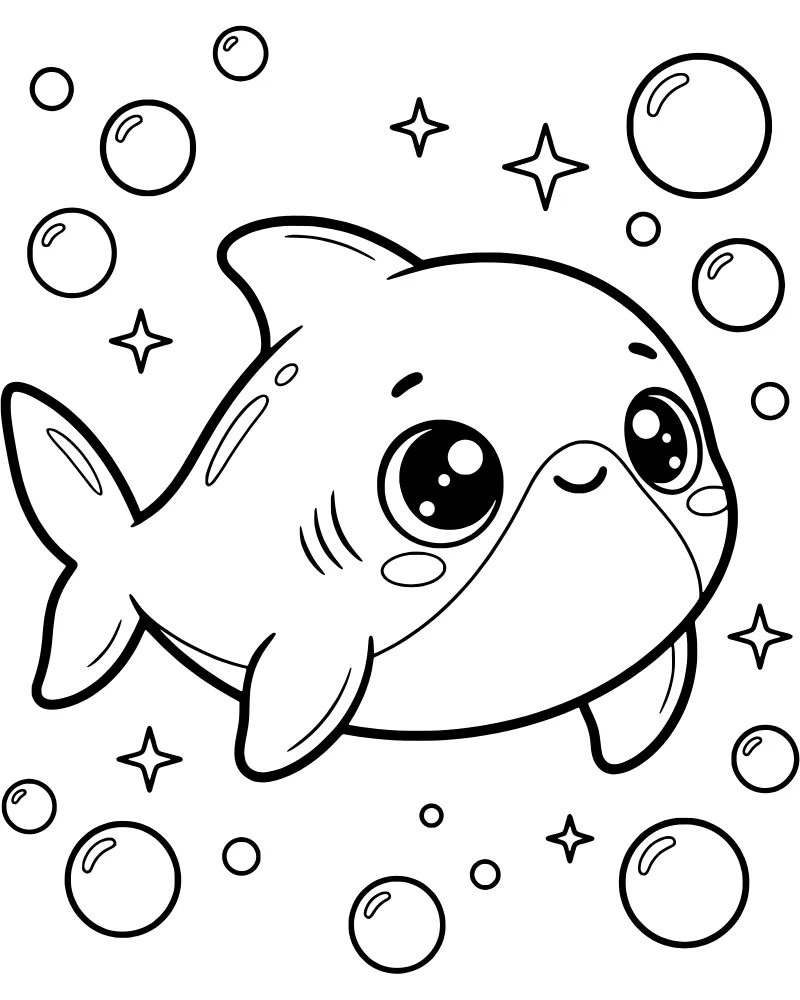
Friendly Cartoon Shark Under the Sea
Ocean & Sea Life
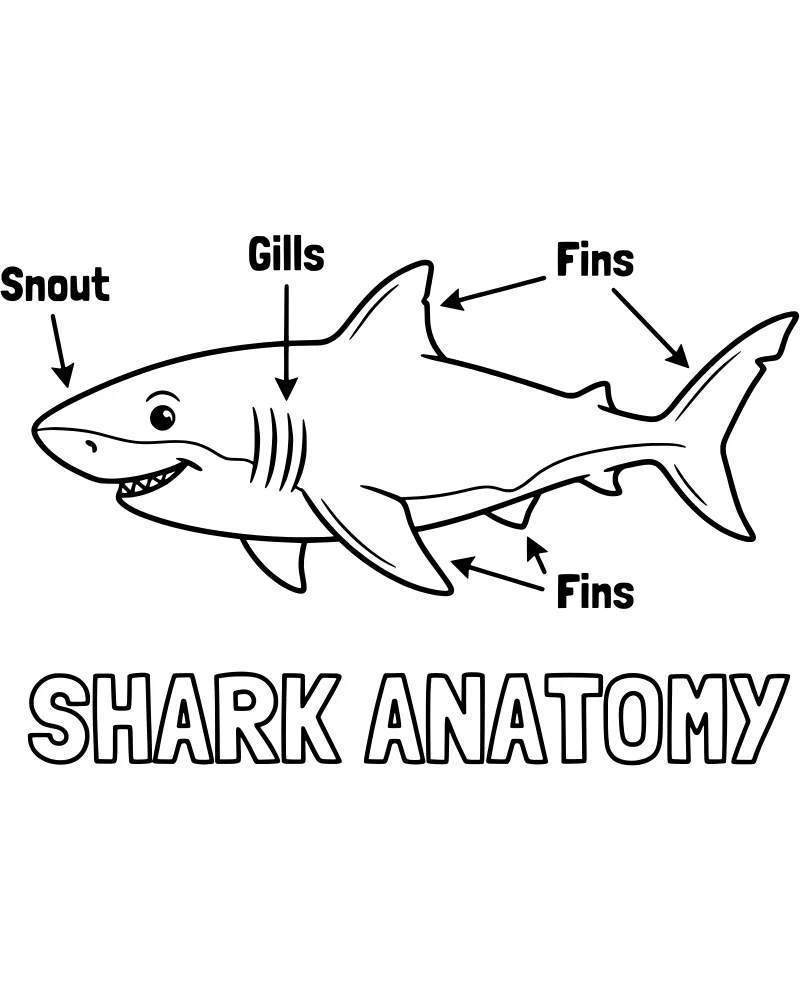
Shark Anatomy Diagram for Kids
Educational
Shark Fin and Midnight Moon
Ocean & Sea Life
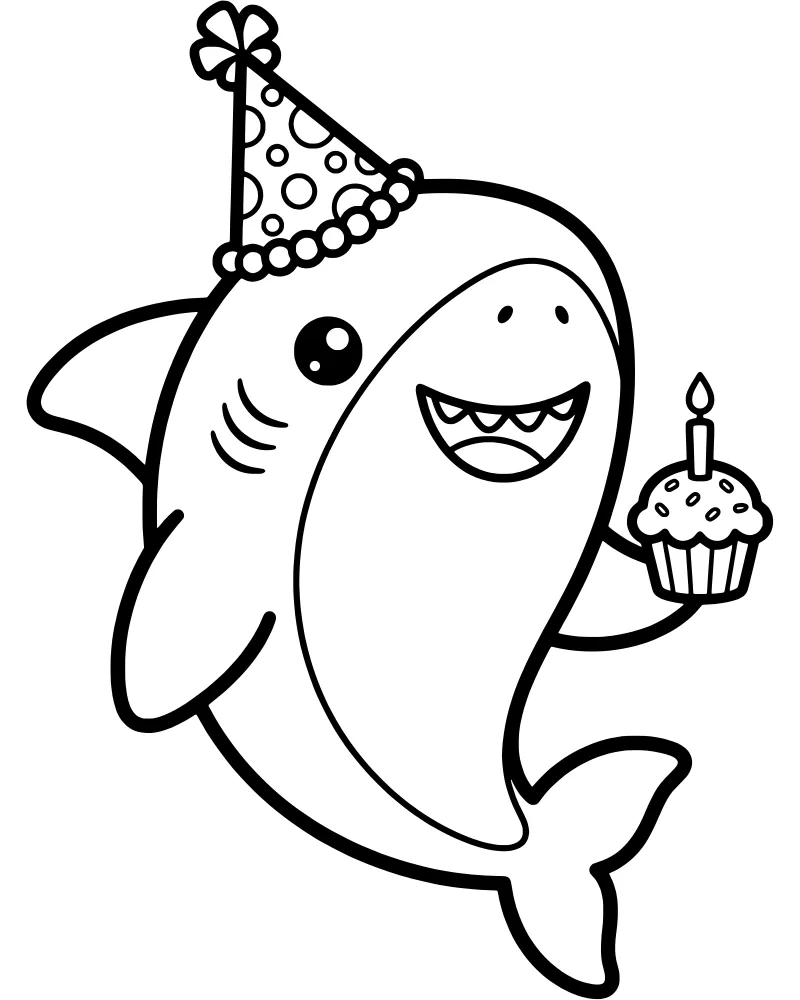
Happy Birthday Shark with Cupcake
Ocean & Sea Life
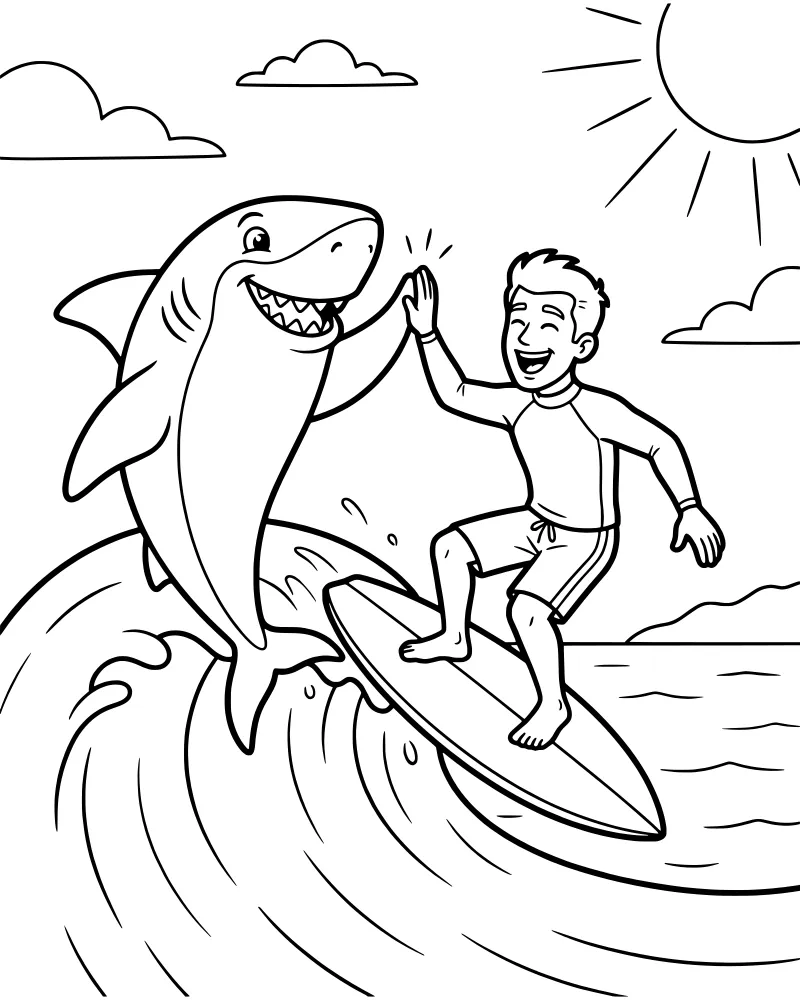
Shark and Surfer High Five
Ocean & Sea Life
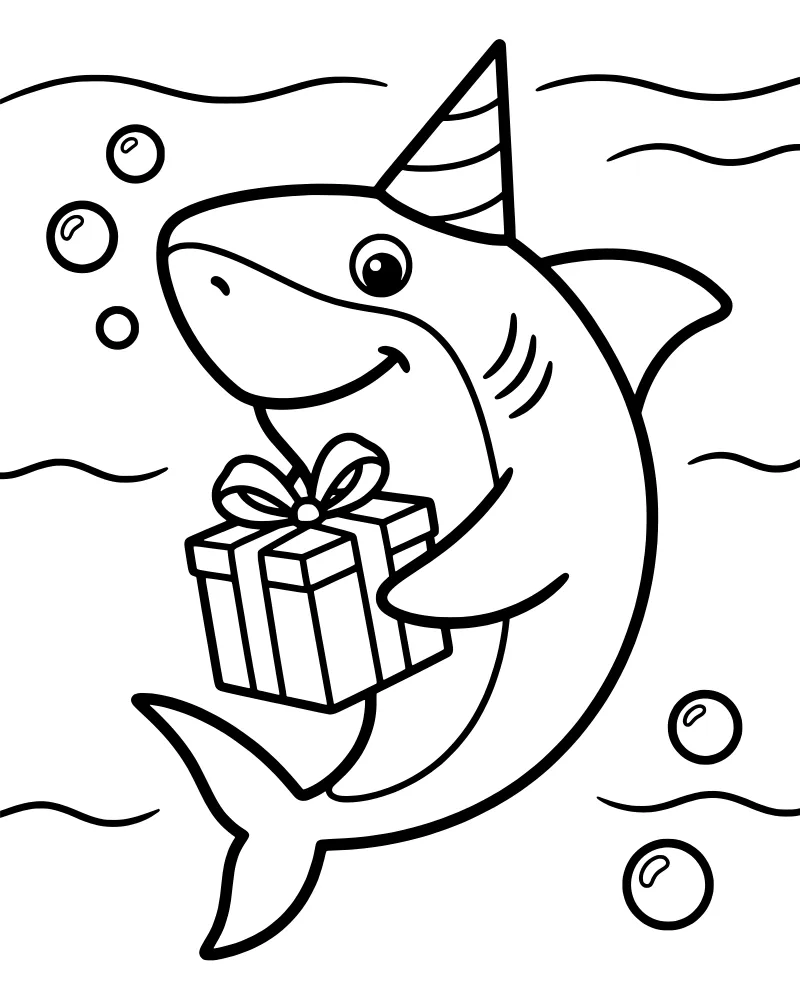
Happy Shark Birthday Celebration
Ocean & Sea Life
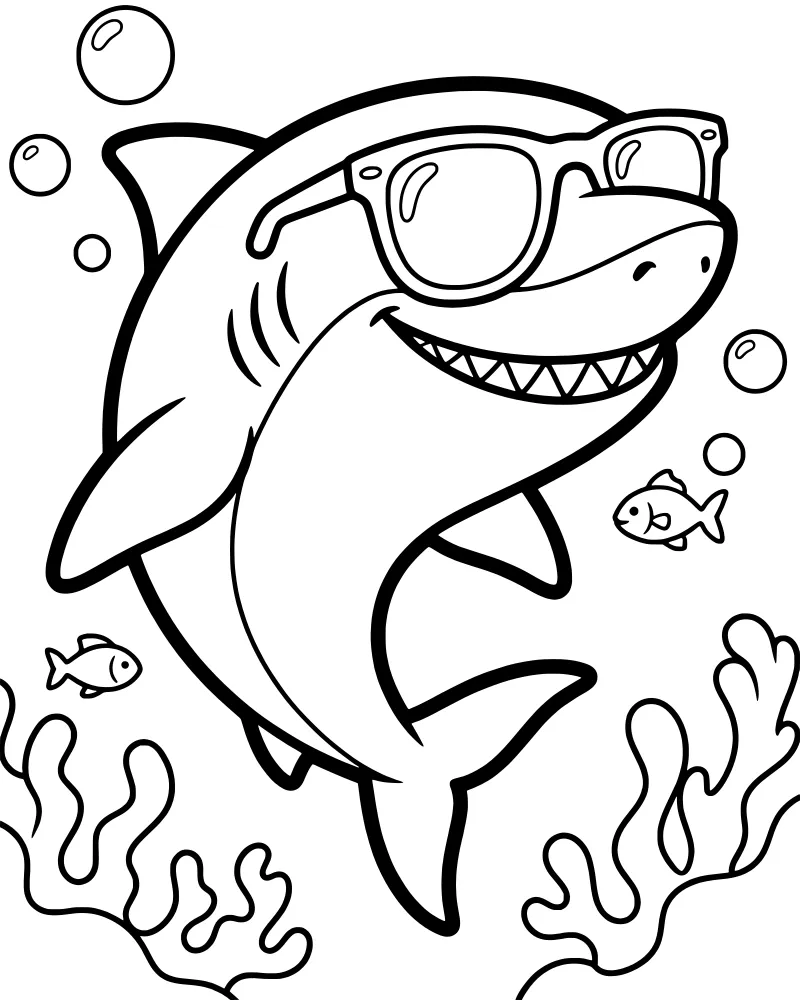
Cool Shark with Sunglasses Underwater
Ocean & Sea Life
About This Collection
Sharks are some of the most magnificent creatures in the sea. While they might have a reputation for being tough, our collection shows their friendly and playful side too. Coloring these marine giants helps children connect with the ocean's ecosystem while developing fine motor skills. From the mighty Great White to the gentle Whale Shark, there is a toothy friend for every young artist here. These pages offer a wonderful way to spend a rainy afternoon or a quiet morning learning about marine life through art and observation. Each page provides a unique window into the deep blue world where these fascinating fish live and play.
The Incredible World of Ocean Predators
Sharks are often the stars of the sea, captivating our interest with their sleek shapes and powerful presence. These ancient fish come in hundreds of different species, ranging from the tiny lantern shark to the massive whale shark. By spending time with these pages, children can learn to appreciate these animals as vital members of the underwater world rather than just scary predators. Many of these illustrations emphasize a softer side of these creatures, making them approachable for even the youngest artists.
The ocean is a place of mystery, and sharks are its most famous residents. When children color these scenes, they often ask questions about where sharks live, what they eat, and how they swim. This curiosity provides a perfect opening for parents to talk about ocean conservation and the importance of keeping our waters clean. A simple coloring activity can transform into a meaningful lesson about the natural world and our responsibility to protect it.
Creative Adventures Under the Sea
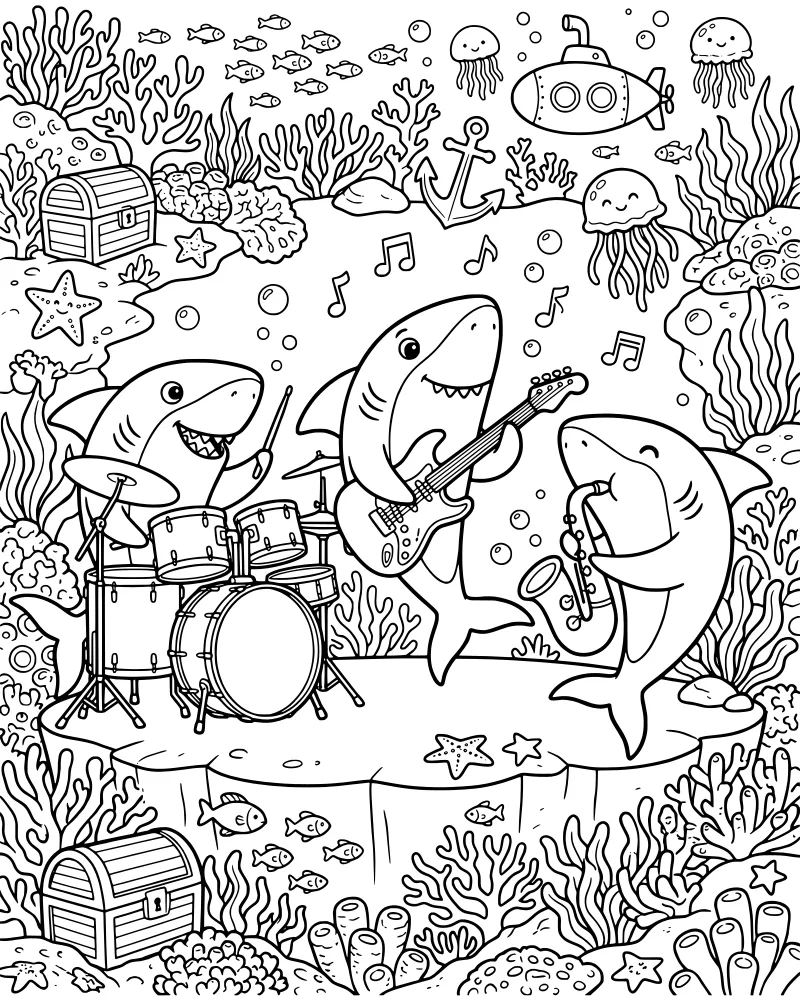
The beauty of coloring is that it allows for a mix of realism and pure fantasy. While some might prefer to stick to natural colors, others find joy in placing these sea creatures in unexpected situations. For instance, seeing a group of sharks performing on stage in the Shark Rock Band Underwater Concert brings a sense of humor and lightheartedness to the theme. It reminds us that art is a place where anything can happen, and even the ocean's toughest residents can have a sense of rhythm.
Storytelling is another wonderful aspect of these pages. You might find yourself wondering what kind of loot a seafaring shark might be looking for in the Pirate Shark and Hidden Treasure scene. Encouraging children to tell a story about what is happening in the picture helps develop their language skills and narrative thinking. They can decide if the shark is a hero on a quest or a friendly explorer looking for lost artifacts among the coral reefs and shipwrecks.
Learning While You Color
Coloring can be a powerful educational tool that goes beyond just staying inside the lines. Scientific diagrams help bridge the gap between art and biology, providing a visual way to understand how animals function. Using the Shark Anatomy Diagram for Kids is an excellent way to introduce terms like dorsal fins, gills, and pectoral fins. Seeing these parts labeled while physically coloring them helps reinforce the information in a way that reading a textbook alone might not achieve.
Beyond anatomy, these pages can introduce the concept of different habitats. Some sharks prefer the shallow, warm waters of a coral reef, while others roam the deep, cold open ocean. Discussing these differences while choosing colors for the background elements like seaweed, anemones, or volcanic vents adds a layer of geographical and environmental learning. It turns a quiet afternoon activity into a comprehensive exploration of marine biology.
Choosing the Perfect Ocean Palette
While gray and white are the traditional colors associated with many shark species, the ocean environment offers a whole rainbow of possibilities. Deep blues and teals are perfect for the open water, but you can also experiment with purples and dark greens to show the depth of the sea. For the sharks themselves, adding subtle hints of blue or brown can give them a more realistic look, while bright, neon colors are great for the more whimsical and cartoon-style pages.
Don't forget the background details that bring the scene to life. Coral reefs are famous for their vibrant pinks, oranges, and yellows. Using these bright tones creates a beautiful contrast against the cooler colors of the shark and the water. You might even use a white crayon or a silver gel pen to add highlights to bubbles and the shimmer of sun rays piercing through the surface. This attention to detail makes the finished artwork feel dynamic and three-dimensional.
Activity Ideas for Your Shark Art
Once the coloring is finished, there are many ways to keep the fun going. You could cut out the different sharks and create a large mural on a blue poster board to make your own aquarium display at home. This is a great group project for siblings or classmates, allowing them to see how their individual pieces contribute to a larger underwater scene. It also gives them a sense of pride to see their work displayed prominently on the wall.
For a more tactile experience, consider using different mediums like watercolors or pastels. Watercolors are particularly effective for creating the fluid look of the ocean, allowing colors to bleed together naturally. If you are printing these pages at home, using a slightly thicker cardstock can prevent the paper from wrinkling when wet. No matter which tools you choose, the goal is to enjoy the process of creating something unique and learning a little more about the wonders of the deep blue sea along the way.