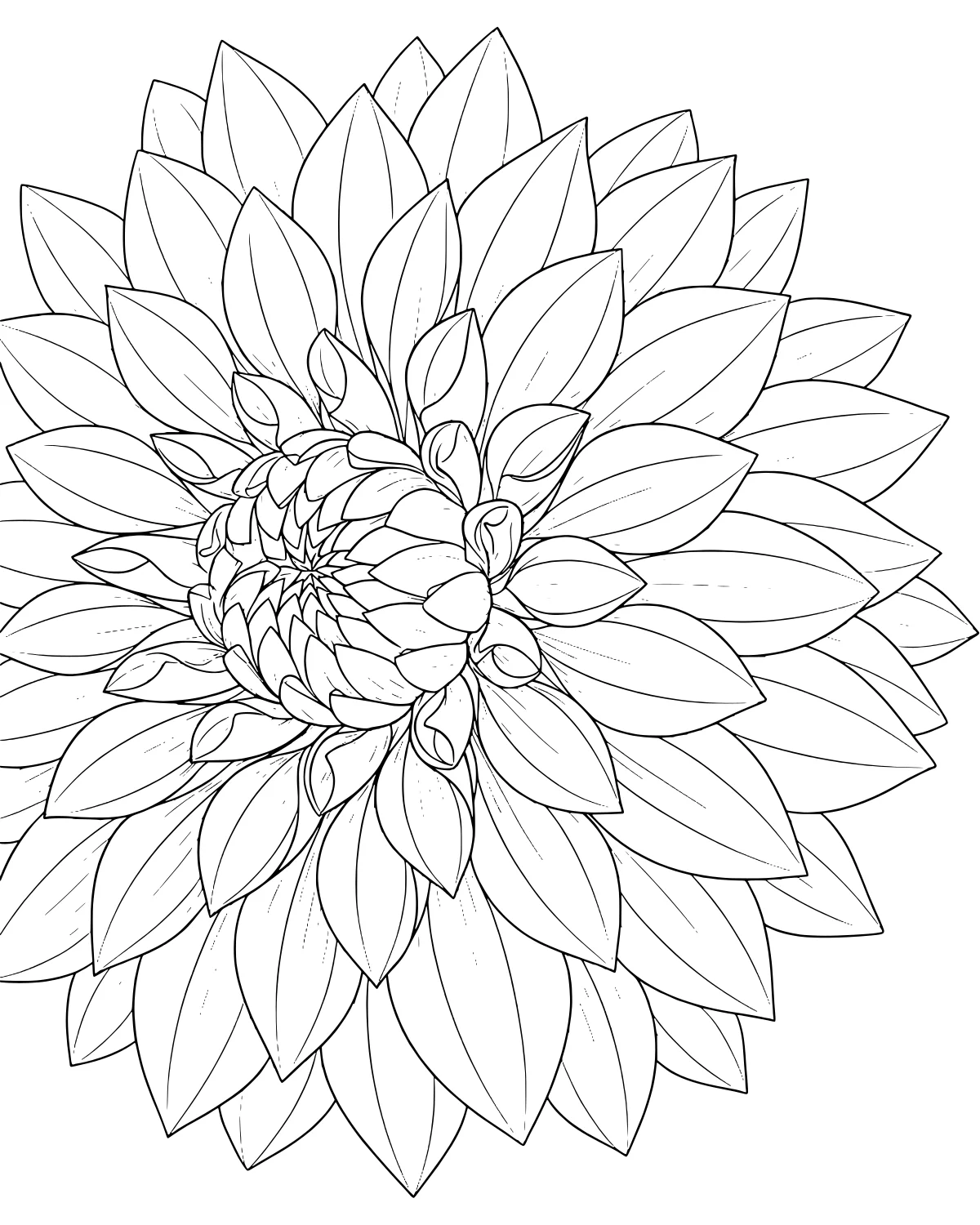
This beautiful dahlia flower captures the elegance of a summer garden in full bloom. Its symmetrical shape and dense layers make it a favorite for anyone who enjoys the quiet beauty of nature. Coloring this page offers a peaceful way to appreciate the small details found in a backyard or a botanical park. The close-up view focuses entirely on the blossom, allowing you to focus on the textures of the petals and the complex patterns they form together. It is a wonderful subject for a relaxing afternoon spent with your favorite art supplies.
Color Palette Ideas
What's In This Picture
In the very middle of the page, you will find the intricate center of the dahlia, where the smallest petals begin to grow in a tight cluster. Moving outward from that focal point, the petals become larger and more defined, creating a wonderful pattern of overlapping shapes that radiate toward the edges. Each petal has a gentle curve and a distinct outline that gives the flower a sense of depth and volume as it fills the entire frame. You can see how the layers stack on top of each other, mimicking the way a real flower opens up to the sun in a garden.
Coloring Tips
Since dahlias come in almost every color imaginable, you have plenty of choices for your palette. Try using a lighter shade for the tips of the petals and a darker, more saturated color near the base to make the flower look three-dimensional. Using colored pencils allows for soft blending between these tones, while markers can make the bold symmetry of the flower really pop against the white background. You might even want to use a metallic gel pen for the very center to give it a little bit of extra sparkle and draw the eye to the most detailed part of the drawing.
Did You Know?
Did you know that dahlias are the national flower of Mexico? They were originally grown by the Aztecs, not just for their beauty, but also for food and medicine. There are thousands of different varieties, ranging from tiny pom-poms to giant blooms the size of a dinner plate.
Try This!
After finishing the main flower, you could try drawing a tiny ladybug or a honeybee resting on one of the petals. You can also look up photos of real dahlias to see the amazing patterns they have, like stripes or speckles, and try to recreate them on your page.
Frequently Asked Questions
What are the best colors for a dahlia?
How can I make the flower look more realistic?
Is this coloring page difficult?
Popular Collections

Animal Coloring Pages
Animals bring a special kind of life to any art project. Whether you love the quiet of a deep forest...
Cute Coloring Pages
Finding something charming and sweet to color is one of the quickest ways to brighten a rainy aftern...


Kawaii Coloring Pages
Kawaii is more than just a word for cute; it is a whole aesthetic that celebrates the joy in the sma...

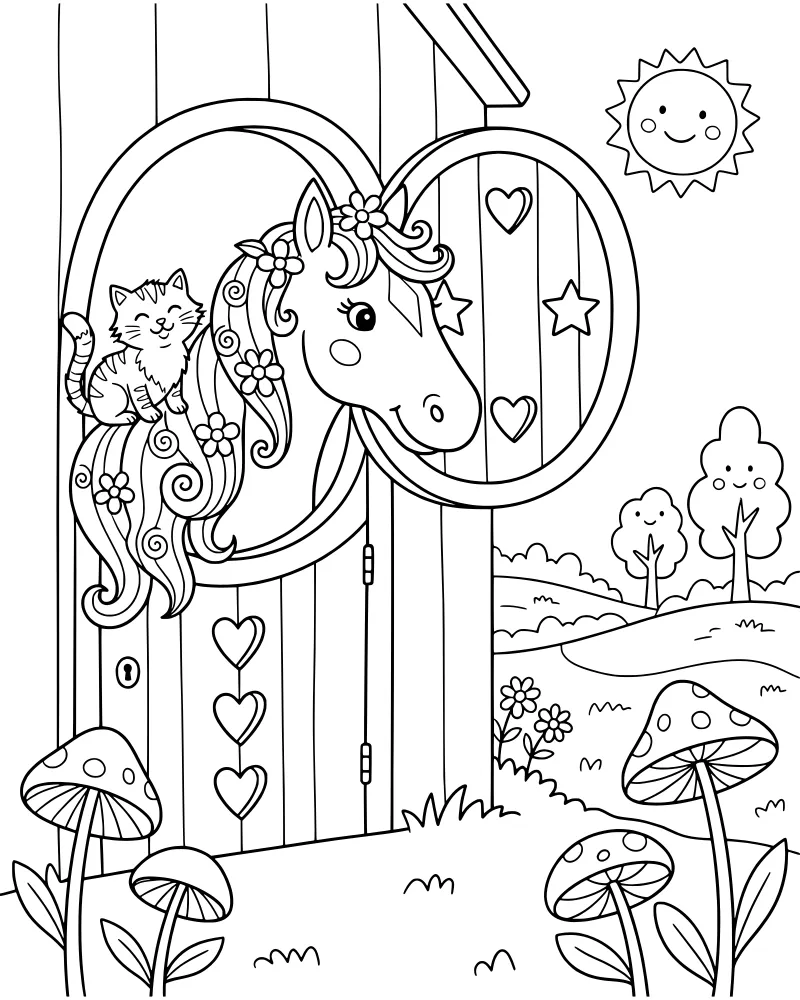

Funny Coloring Pages
Laughter is a wonderful part of childhood, and our collection of Funny Coloring Pages is designed to...
You Might Also Like
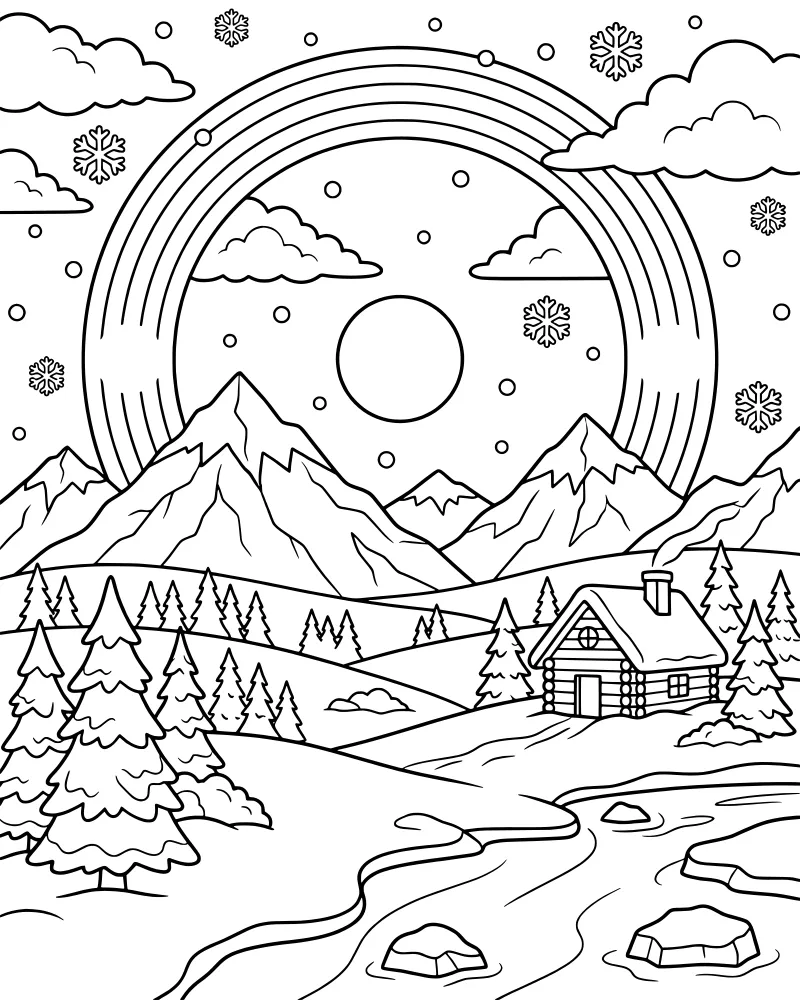
Cozy Winter Cabin in Snowy Mountains
Nature & Outdoors
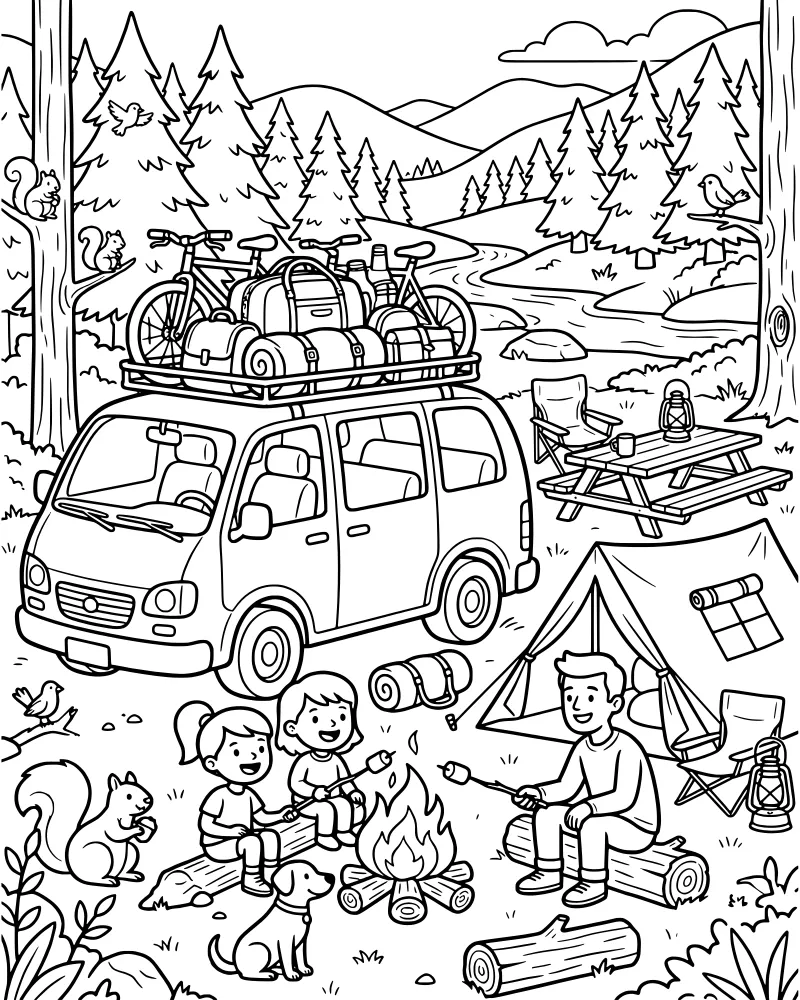
Family Camping Adventure in the Forest
Nature & Outdoors
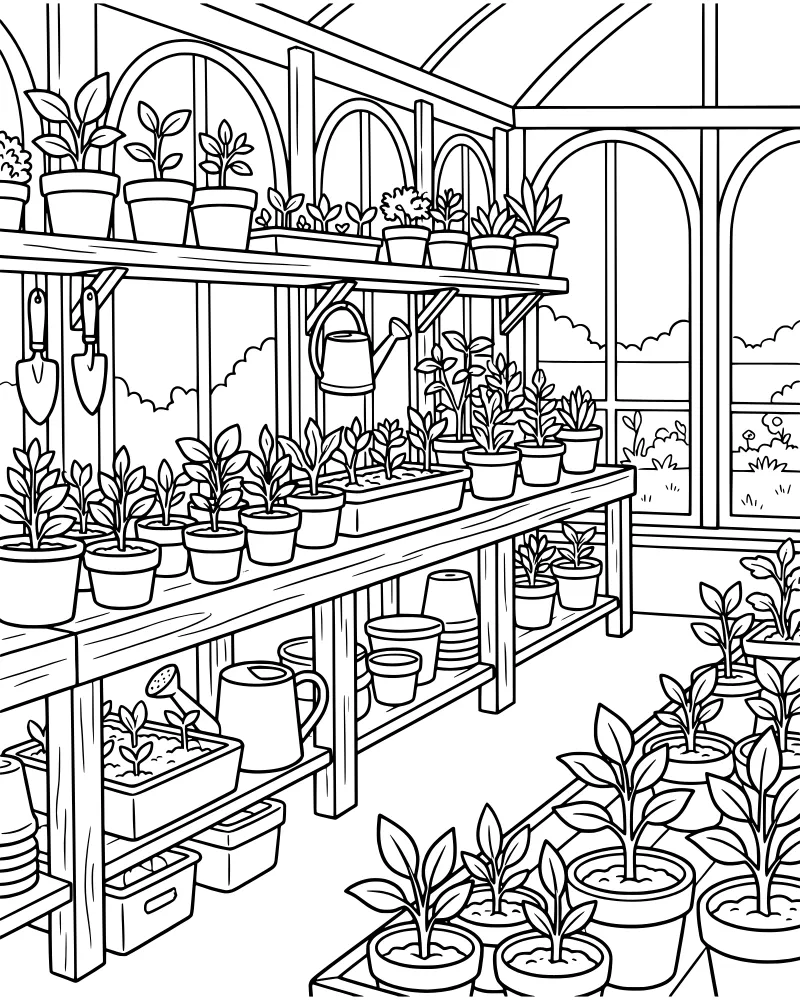
Sunlit Garden Greenhouse Sanctuary
Nature & Outdoors
Spring Garden Watering Can and Flowers
Nature & Outdoors
Young Girl Gardening Near Royal Castle
Nature & Outdoors
Majestic King Protea Bloom
Nature & Outdoors
Elegant Blooming Chrysanthemum and Leaves
Nature & Outdoors
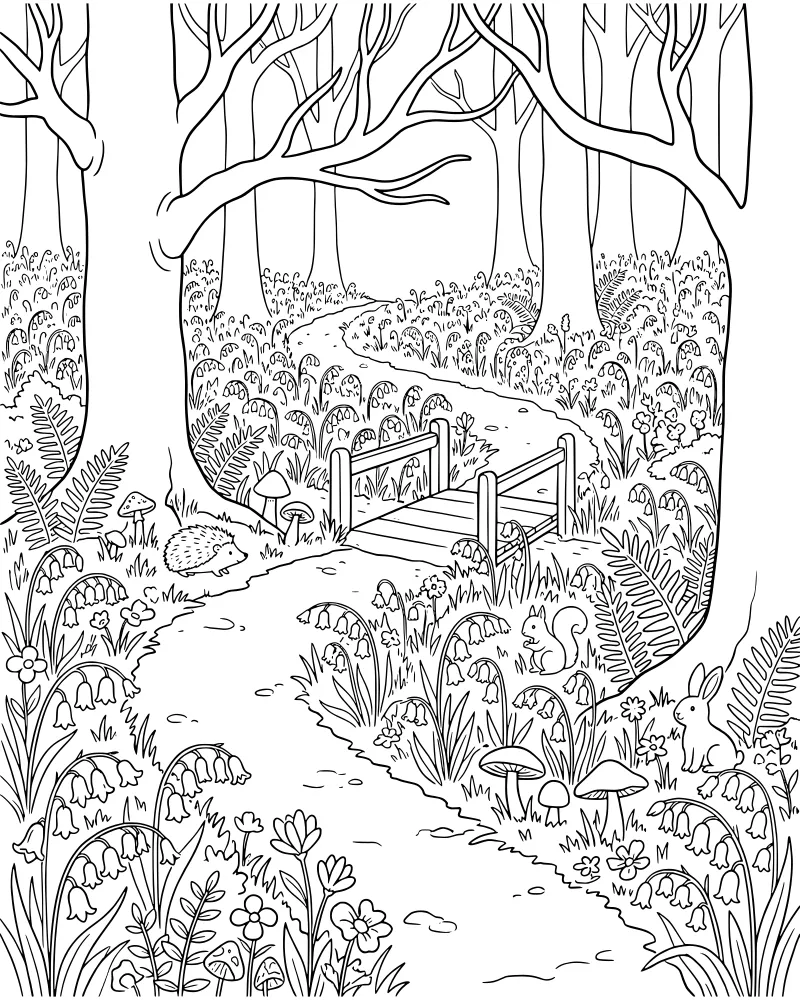
Forest Bridge with Woodland Friends
Nature & Outdoors