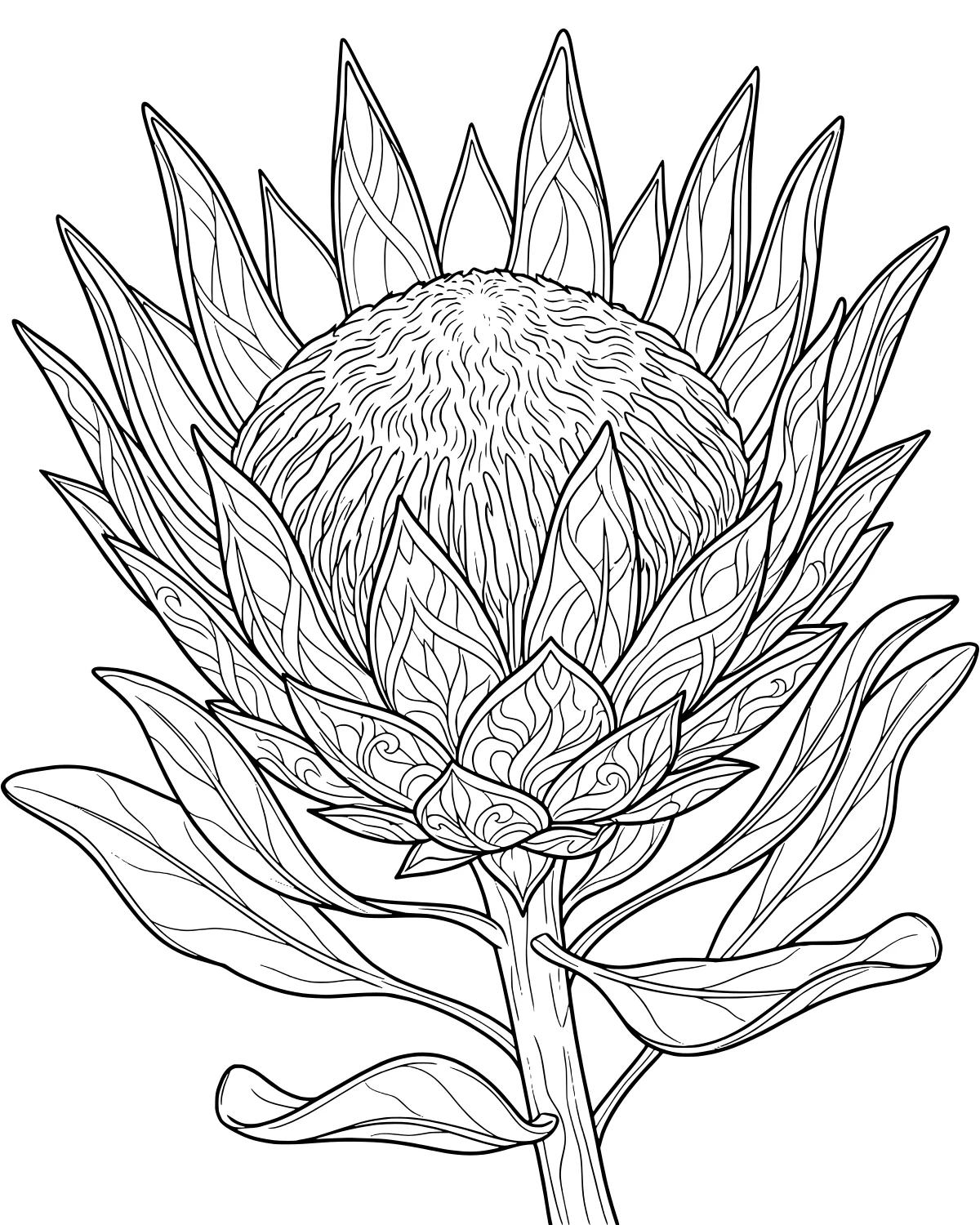
This beautiful protea flower offers a sophisticated coloring experience for anyone who loves nature's most unique blooms. Its striking shape and thick, waxy petals make it stand out in any garden or floral arrangement. By focusing on the flower head, you can explore the interesting textures that make this botanical subject so special and rewarding to color.
As you work through the page, you will find that the inner flower details provide a wonderful opportunity to practice precision. This scene captures the quiet elegance of a single bloom, making it a perfect choice for a relaxing afternoon spent with your favorite art supplies.
Color Palette Ideas
What's In This Picture
At the center of the page, the flower head is surrounded by layers of petals that feature fine inner flower details. You will notice how the petals overlap, creating a sense of depth and volume that brings the bloom to life. The patterns within each petal are carefully drawn to show the natural texture of this exotic plant.
Moving down from the bloom, the sturdy stem supports the heavy flower, while large leaves branch out to the sides. Look closely at the leaf veins to see the intricate patterns that add to the realism of this botanical scene. Every element, from the pointy tips of the bracts to the broad surfaces of the foliage, is designed for those who enjoy a more detailed coloring challenge.
Coloring Tips
Because this page has dense lines, using fine-tipped markers or sharp colored pencils will help you stay within the smaller sections. For the protea flower, try using a gradient of soft pinks that slowly deepen into a rich crimson or burgundy at the tips of the petals. This creates a realistic look that mimics how these flowers appear in the wild.
The leaves look wonderful in shades of sage, olive, or eucalyptus green to give them a natural, earthy feel. You can add light shading with a grey or light brown pencil near the stem and the base of the petals to make the flower appear three-dimensional. Don't be afraid to leave some areas slightly lighter to represent the way sunlight hits the waxy surface of the plant.
Did You Know?
Proteas are among the oldest flowering plants on Earth, with ancestors dating back over 300 million years. They are named after the Greek god Proteus, who could change his shape at will. This name was chosen because proteas come in an incredible variety of shapes, sizes, and colors.
Try This!
After you finish your masterpiece, you could research the different types of proteas that grow in South Africa and Australia to see how many varieties exist. You might also try drawing a small ladybug or a honeybee resting on one of the leaves to add a touch of life to your botanical art.
Frequently Asked Questions
What colors should I use for a King Protea?
Is this coloring page difficult?
What tools work best for the tiny details in the flower head?
Popular Collections


Animal Coloring Pages
Animals bring a special kind of life to any art project. Whether you love the quiet of a deep forest...

Spring Coloring Pages
As the frost melts away and the first green shoots poke through the soil, we welcome the vibrant ene...


Cute Coloring Pages
Finding something charming and sweet to color is one of the quickest ways to brighten a rainy aftern...



Kawaii Coloring Pages
Kawaii is more than just a word for cute; it is a whole aesthetic that celebrates the joy in the sma...
You Might Also Like

Cozy Winter Cabin in Snowy Mountains
Nature & Outdoors

Family Camping Adventure in the Forest
Nature & Outdoors
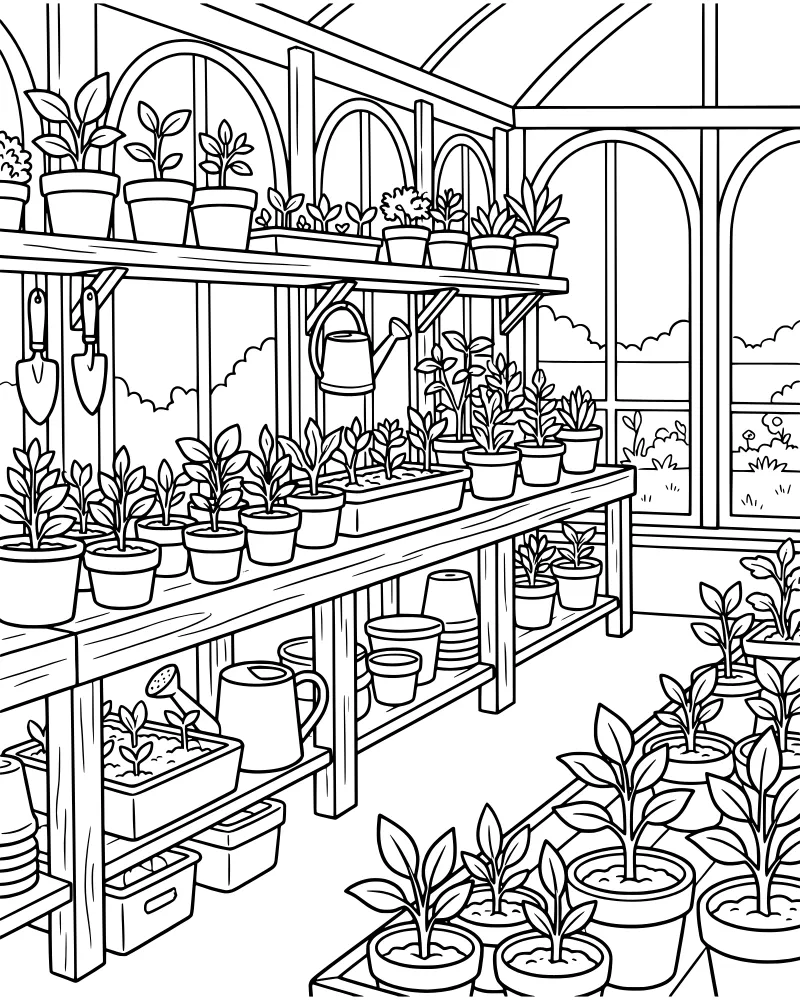
Sunlit Garden Greenhouse Sanctuary
Nature & Outdoors
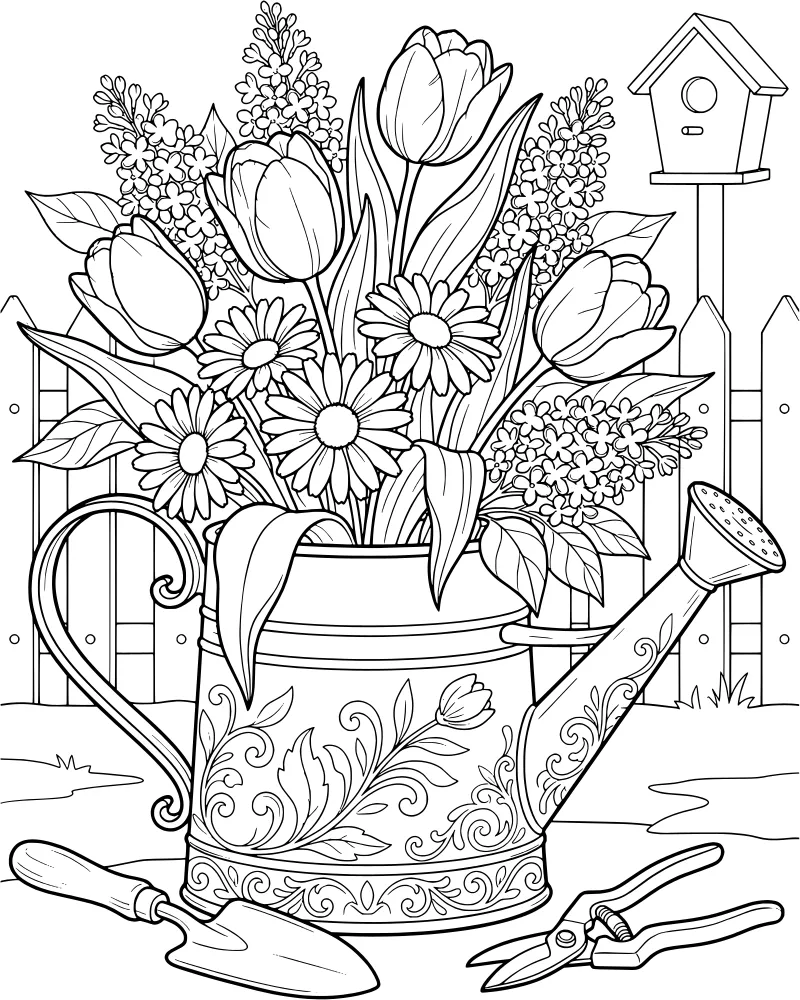
Spring Garden Watering Can and Flowers
Nature & Outdoors
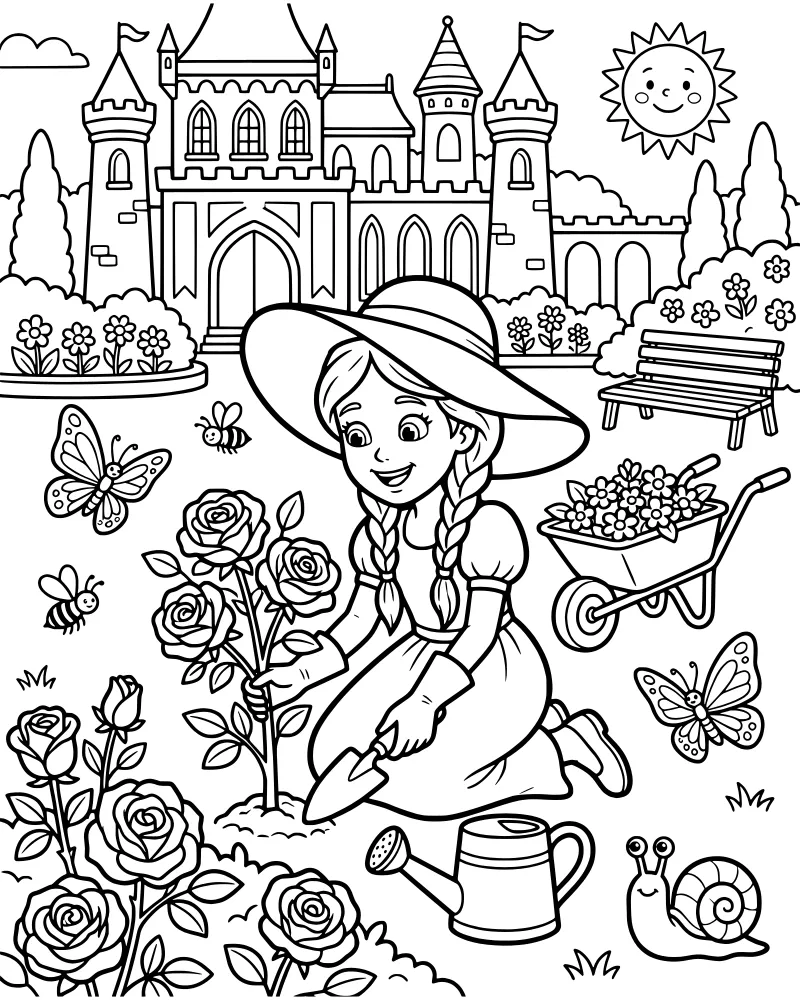
Young Girl Gardening Near Royal Castle
Nature & Outdoors
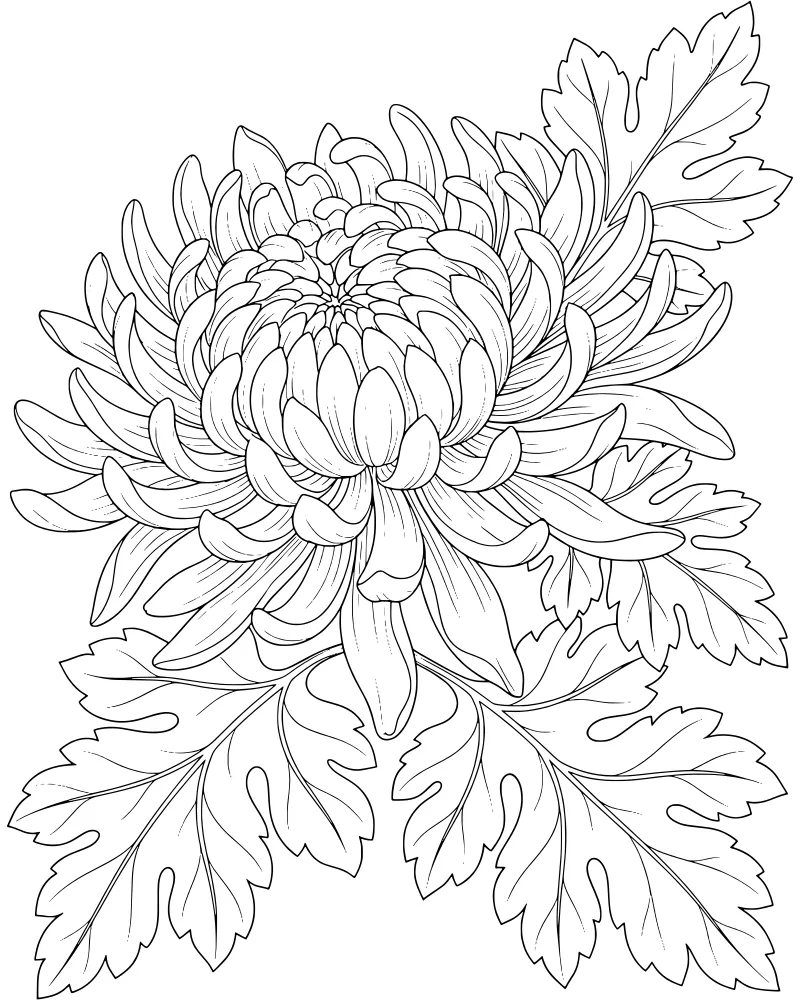
Elegant Blooming Chrysanthemum and Leaves
Nature & Outdoors

Forest Bridge with Woodland Friends
Nature & Outdoors
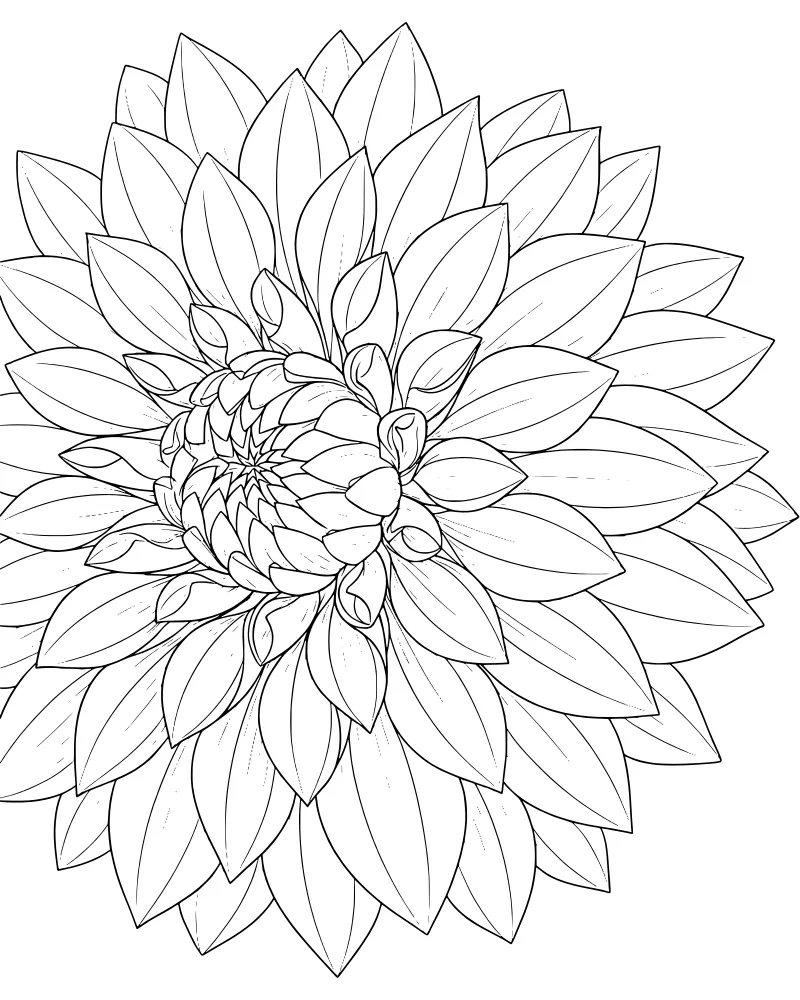
Intricate Dahlia Flower Close Up
Nature & Outdoors