Free printable alphabet coloring pages for kids. Help your child learn letters and phonics with fun animal and object-themed ABC coloring sheets.
Alphabet Coloring Pages
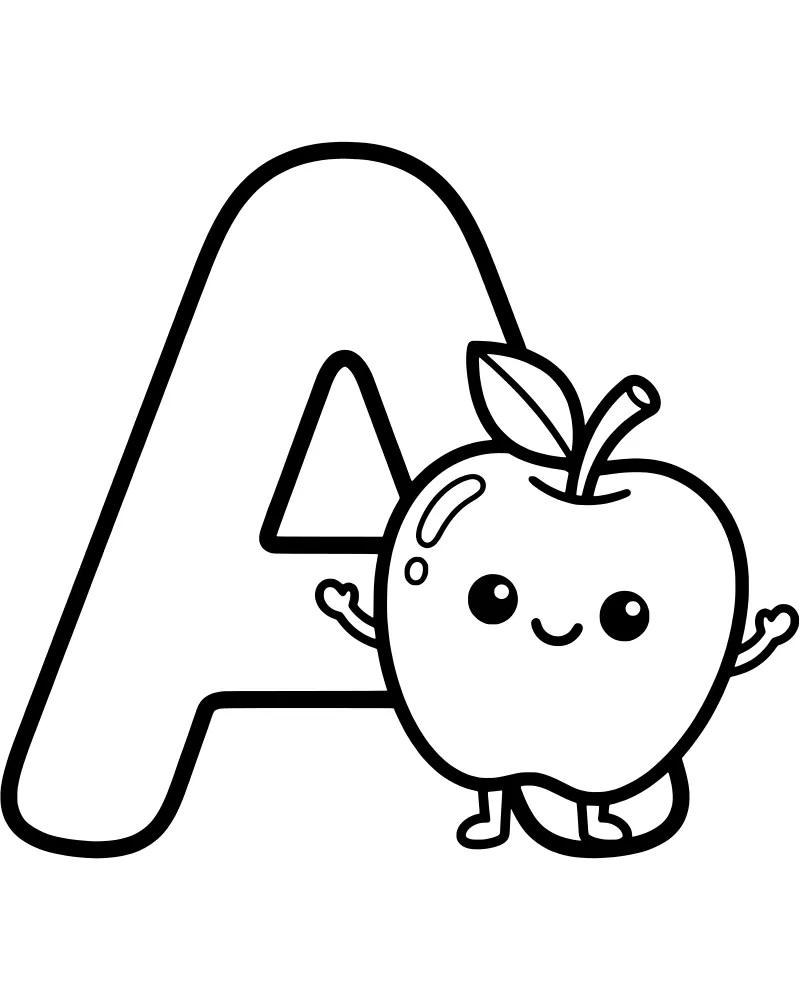
Friendly Letter A and Smiling Apple
Educational
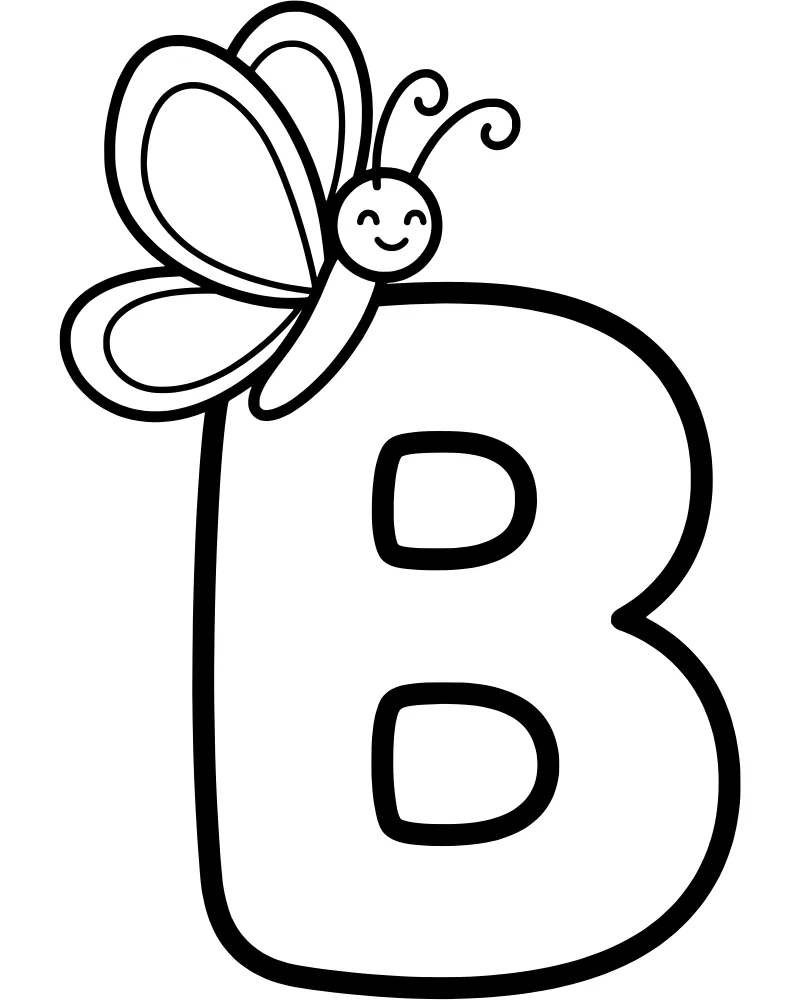
Big Letter B and Friendly Butterfly
Educational

Cute Cat and Letter C
Educational
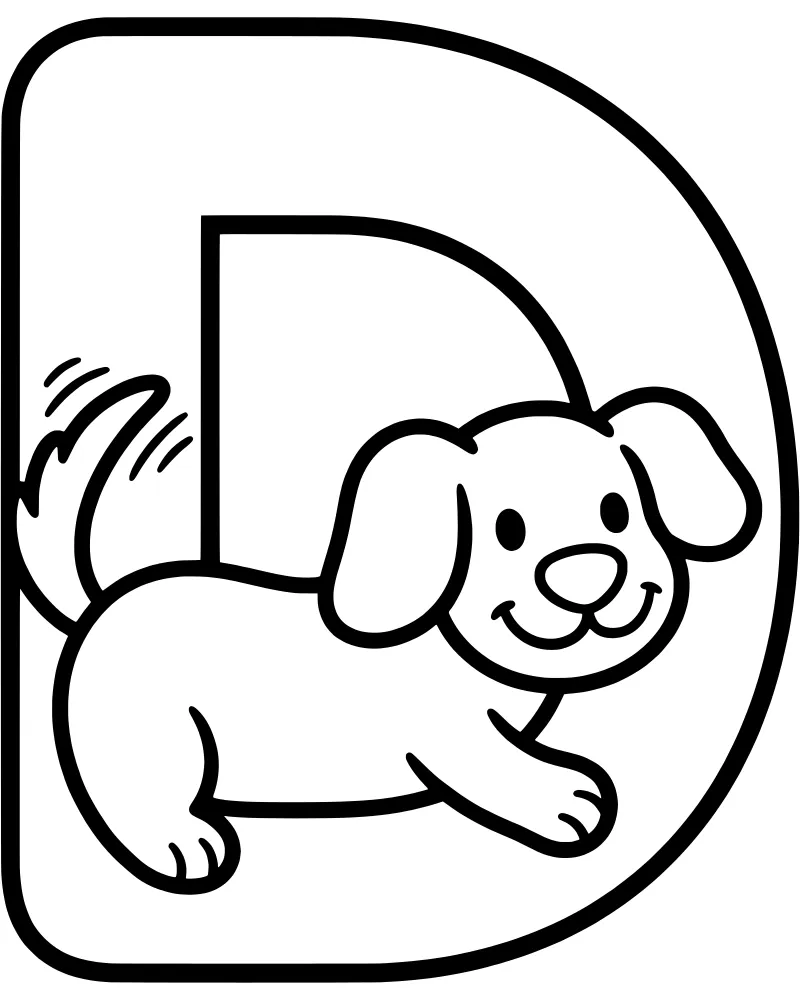
Playful Puppy Inside Letter D
Educational

Playful Baby Elephant with Letter E
Educational
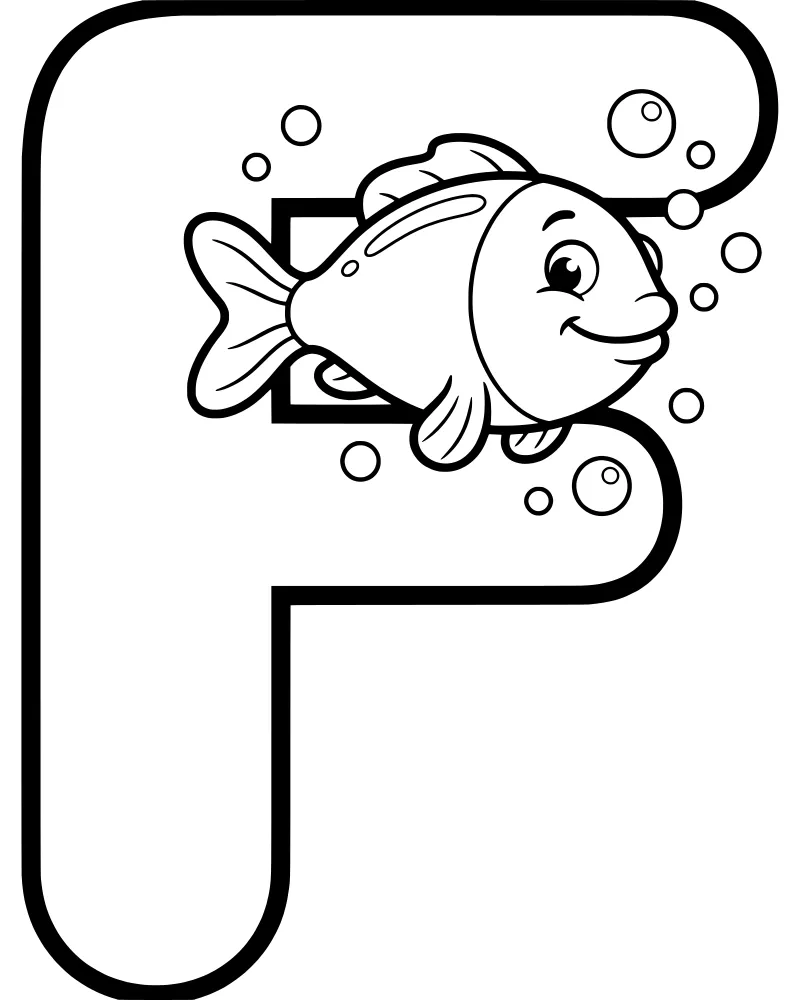
Playful Letter F and Little Fish
Educational
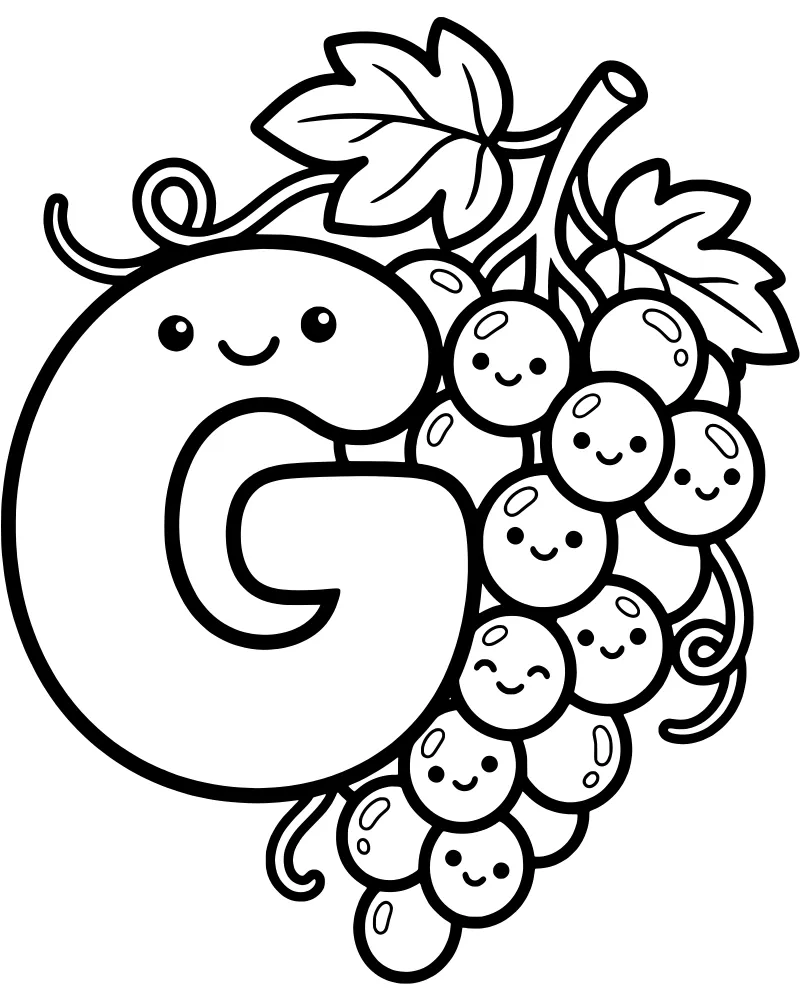
Letter G and Smiling Grapes
Educational
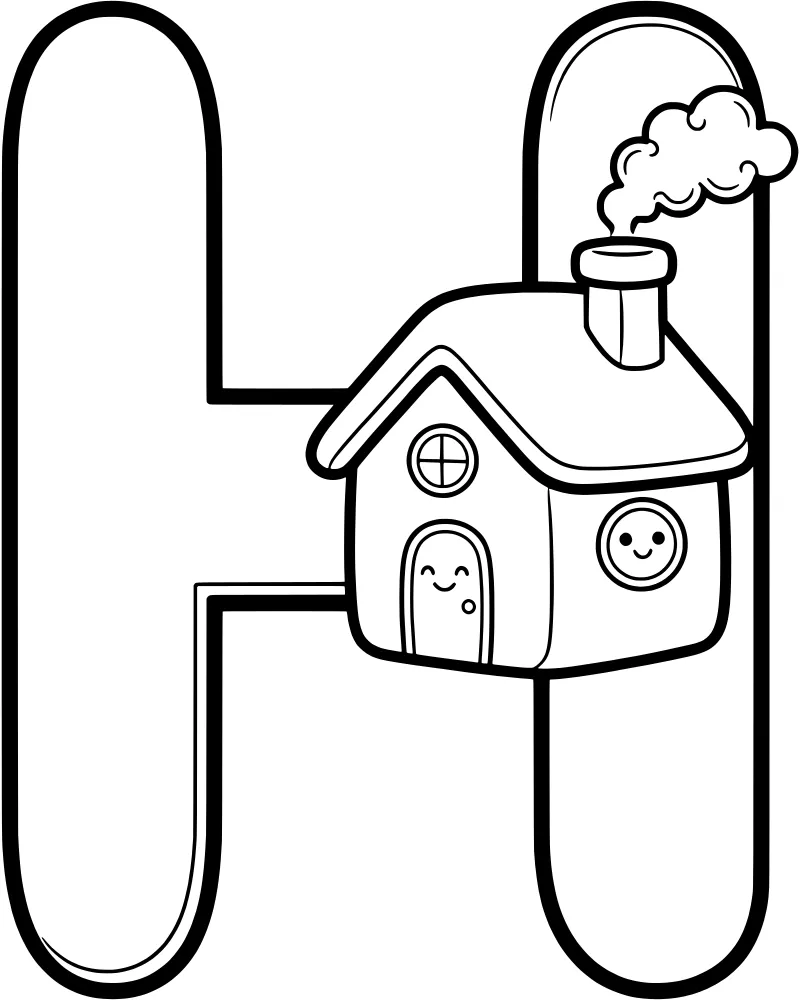
Whimsical Letter H House
Educational

Friendly Letter I and Ice Cream
Educational
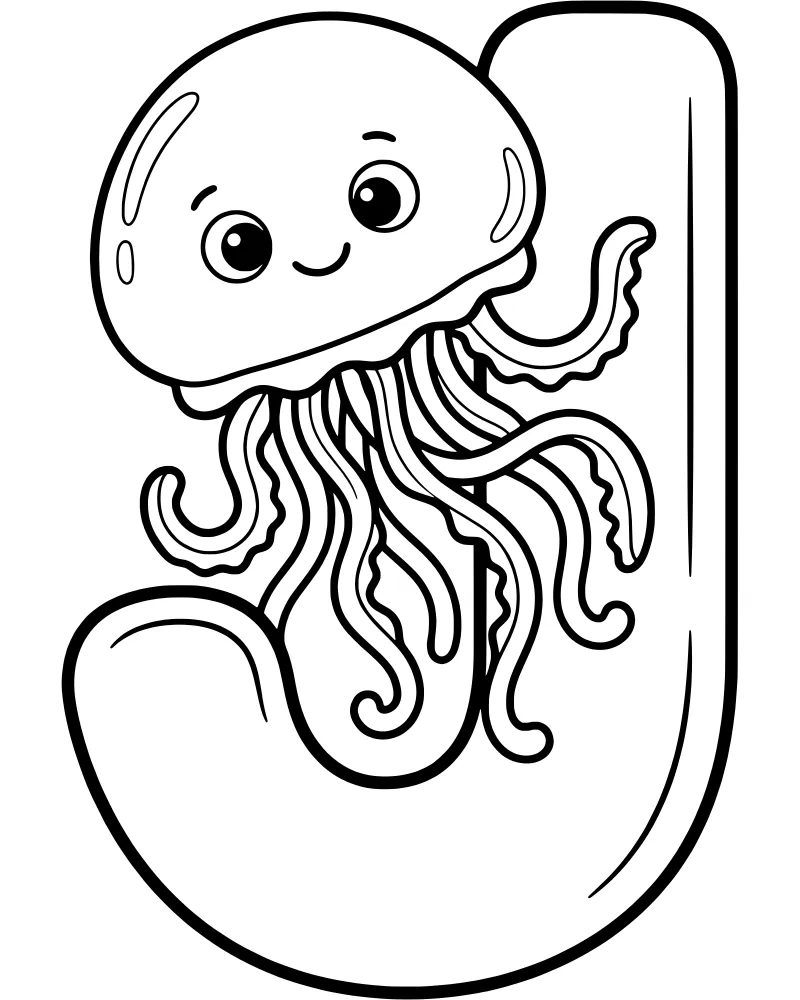
Playful Jellyfish Floating with Letter J
Educational
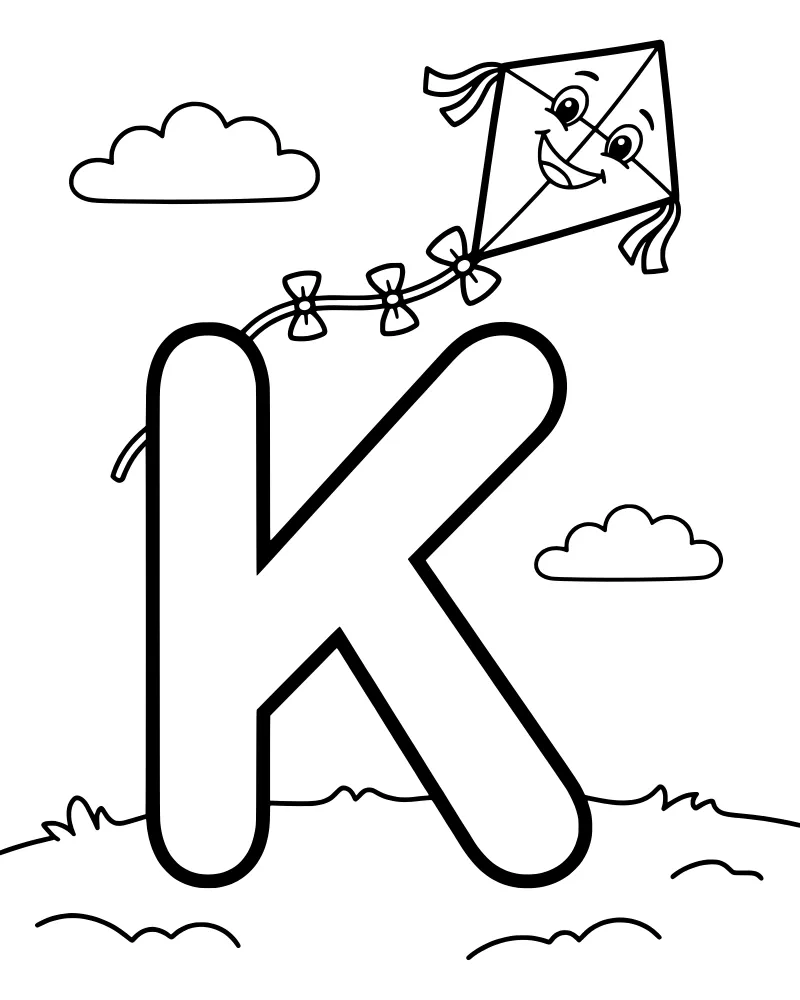
Happy Kite Flying Above Letter K
Educational
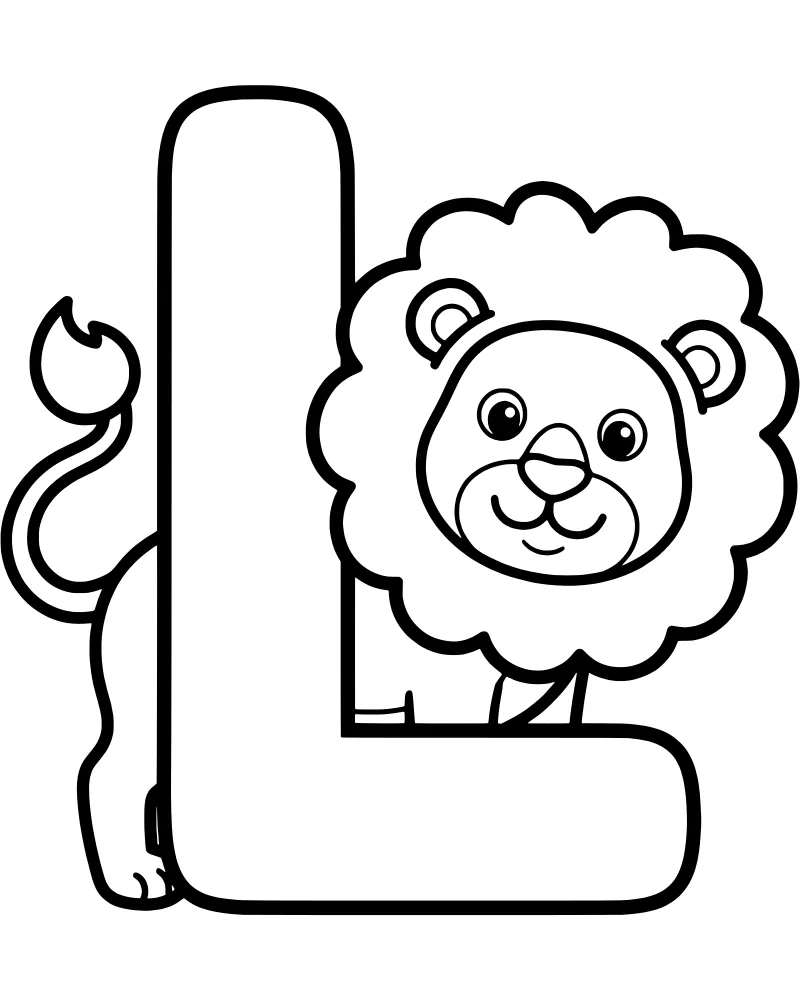
Friendly Lion Letter L
Educational
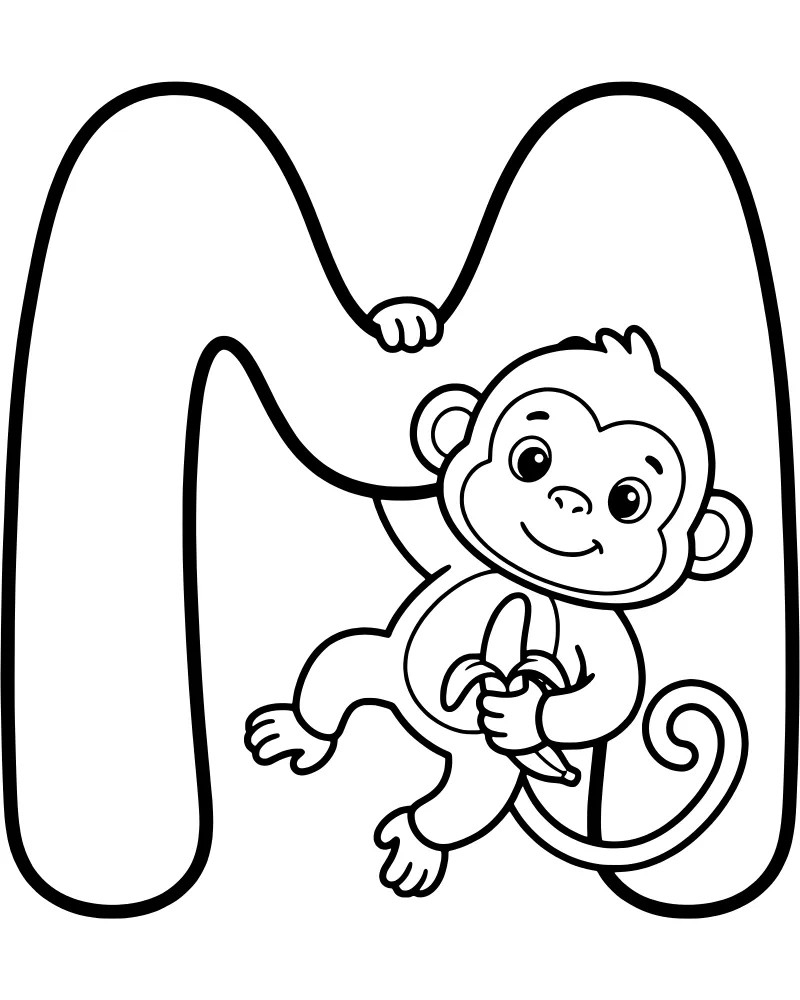
Playful Monkey Hanging From Letter M
Educational
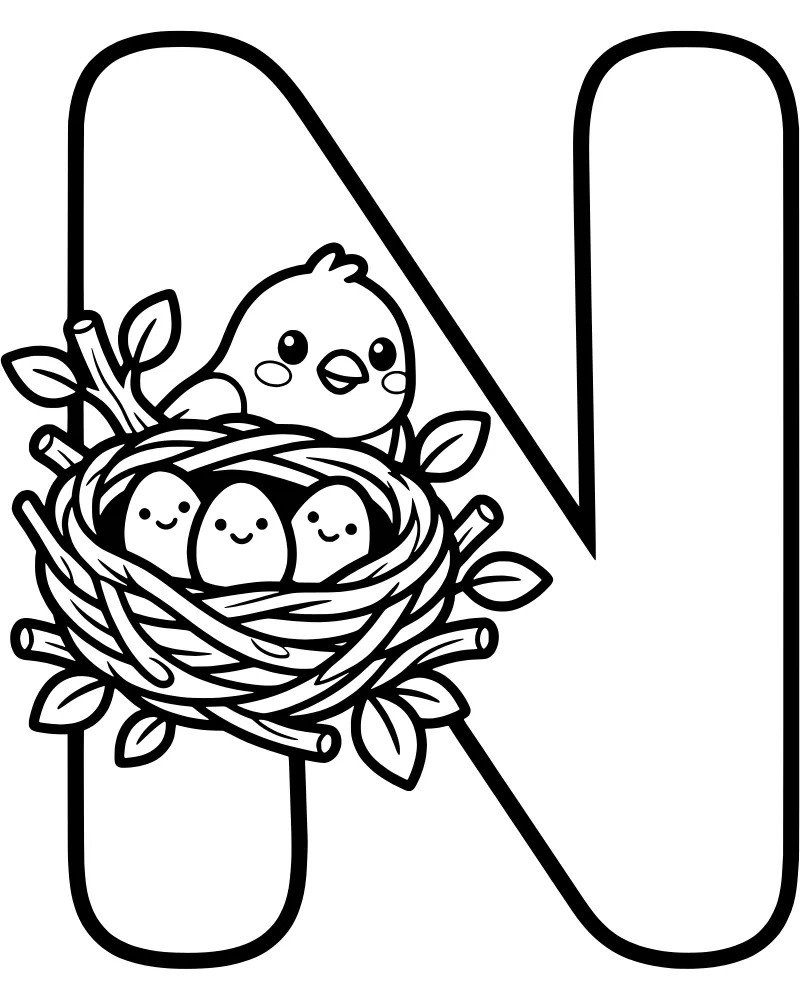
Letter N Bird Nest
Educational
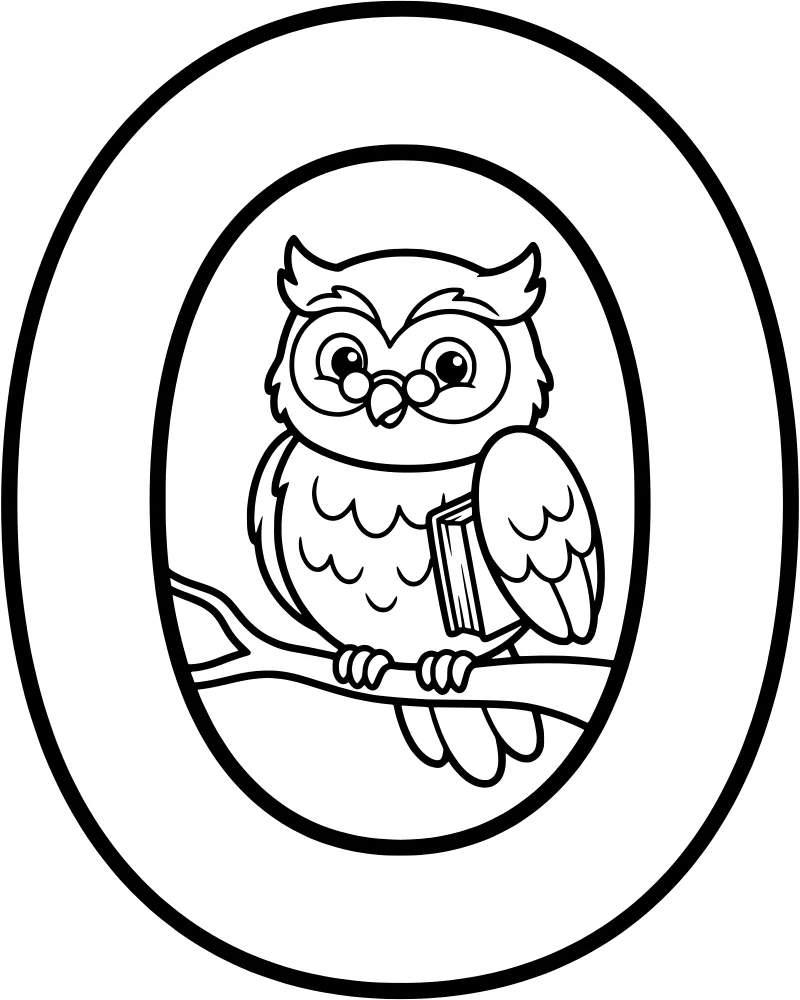
Wise Owl and Letter O
Educational
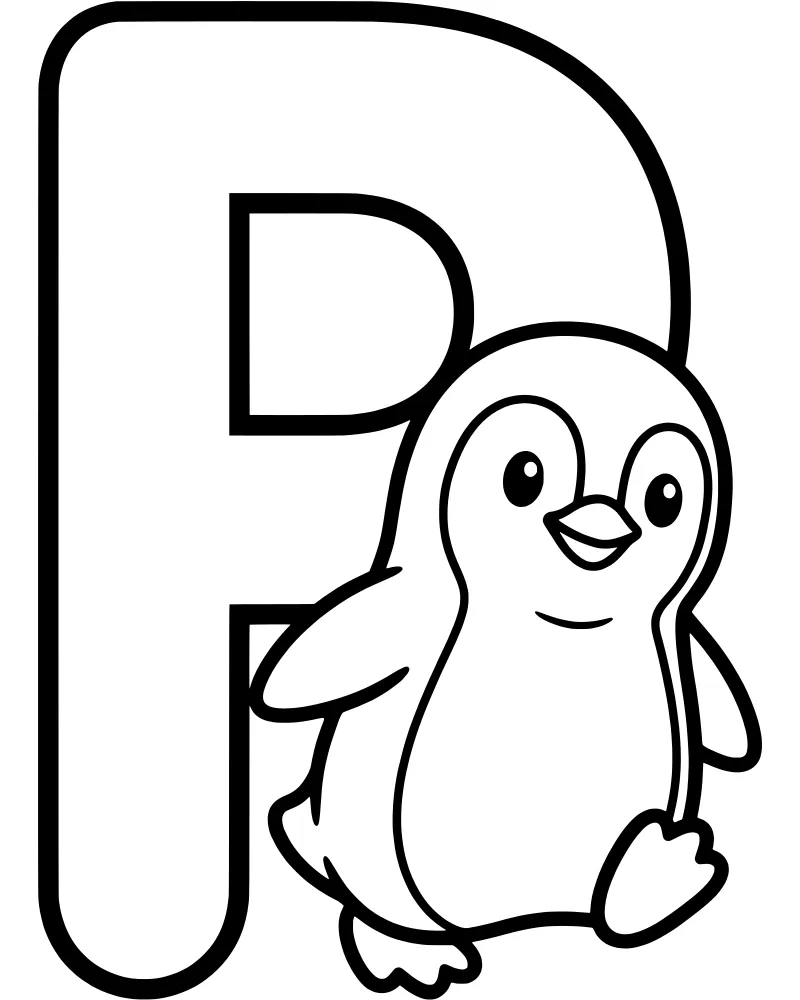
Letter P and Playful Penguin
Educational
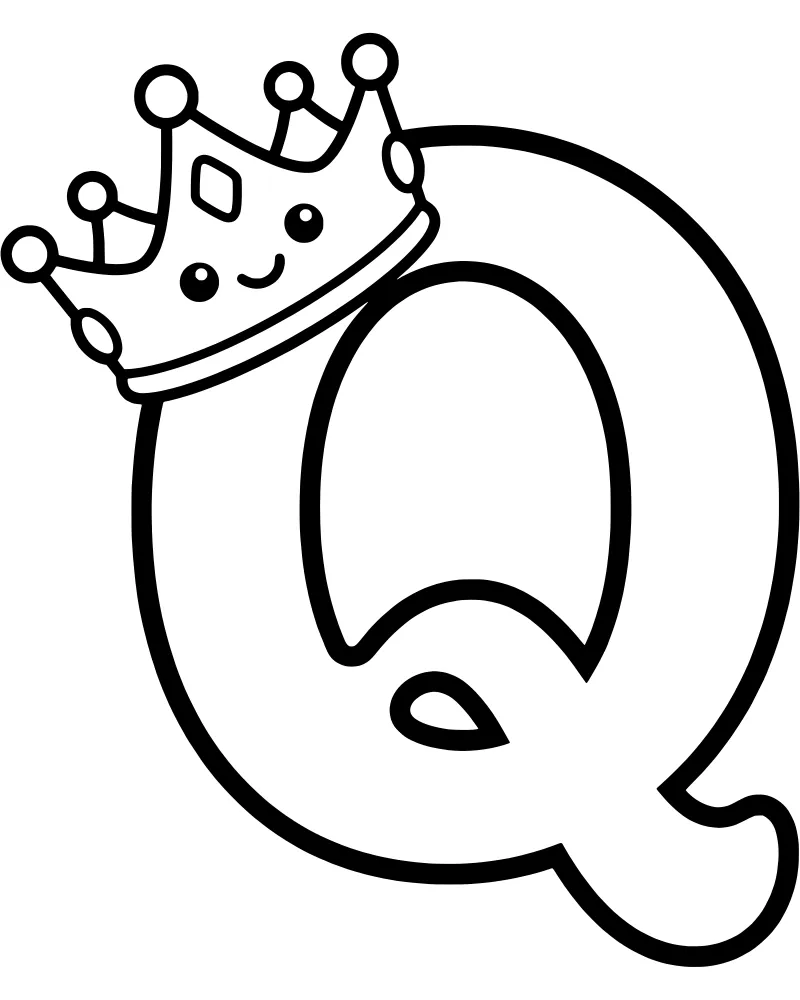
Friendly Royal Letter Q
Educational
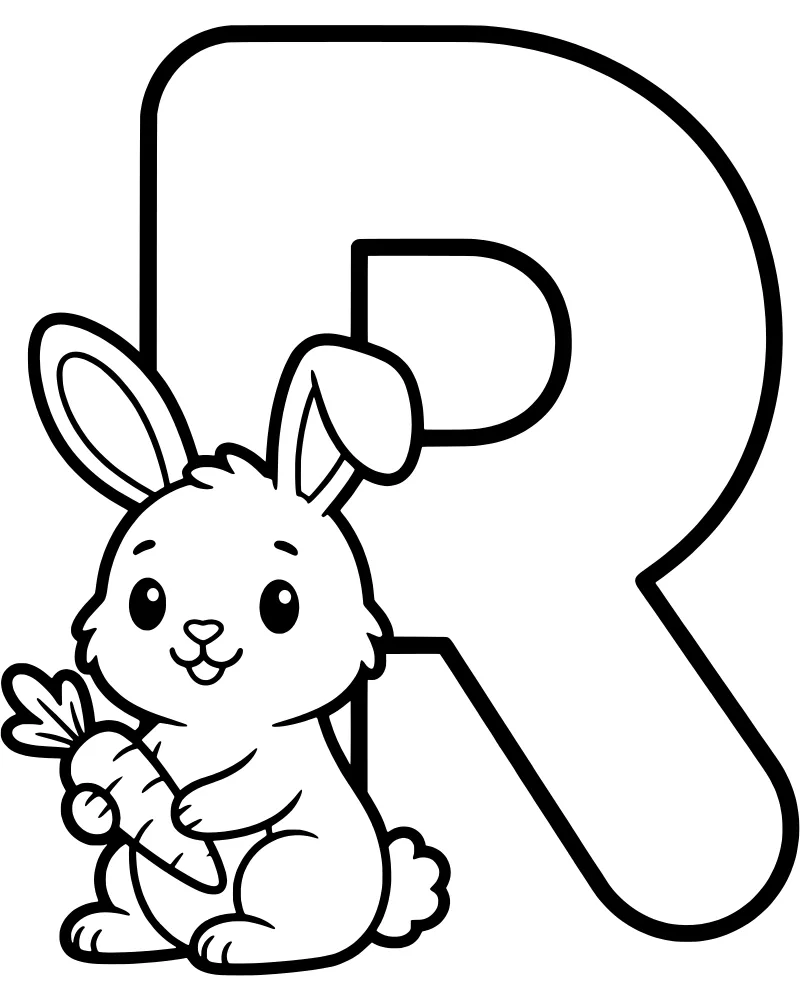
Cute Bunny with Letter R and Carrot
Educational
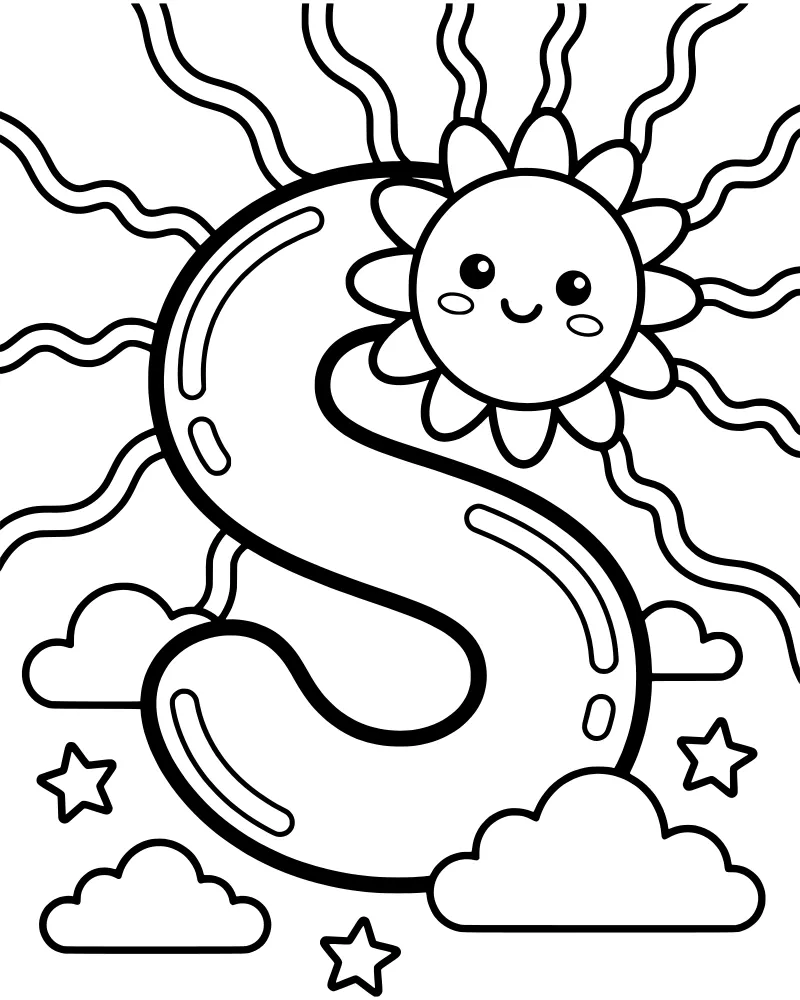
Cheerful Letter S and Smiling Sun
Educational
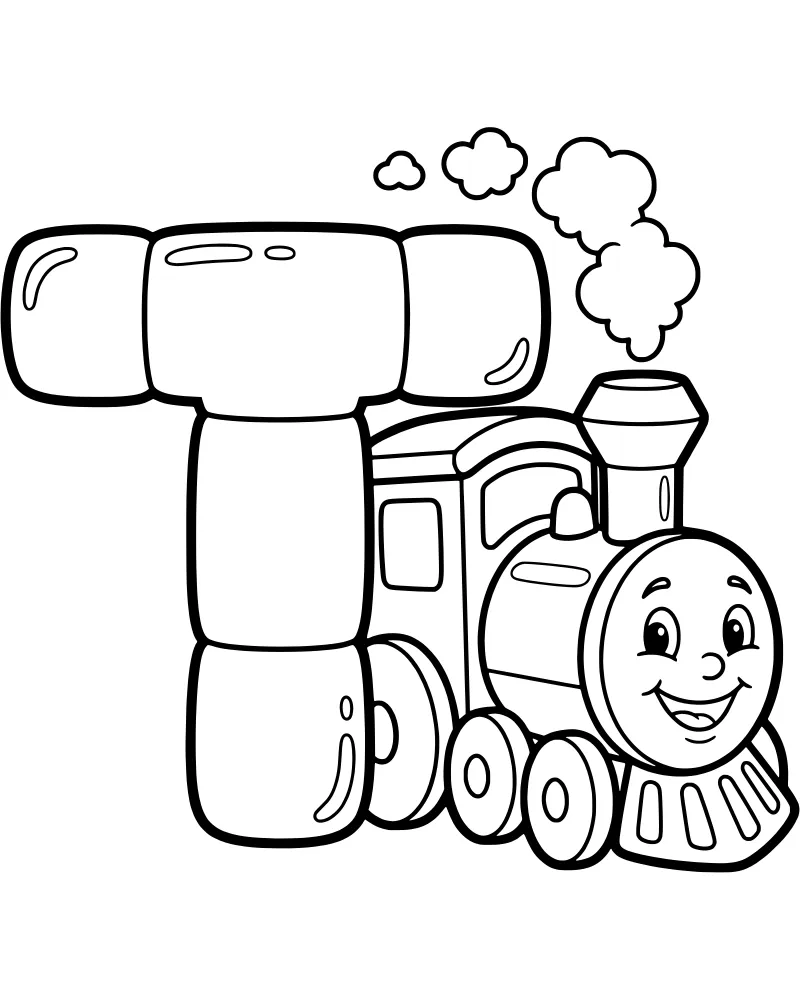
Letter T Steam Train Adventure
Educational

Cheerful Letter U and Smiling Umbrella
Educational

Cheerful Letter V and Musical Violin
Educational

Whale and Letter W Alphabet
Educational
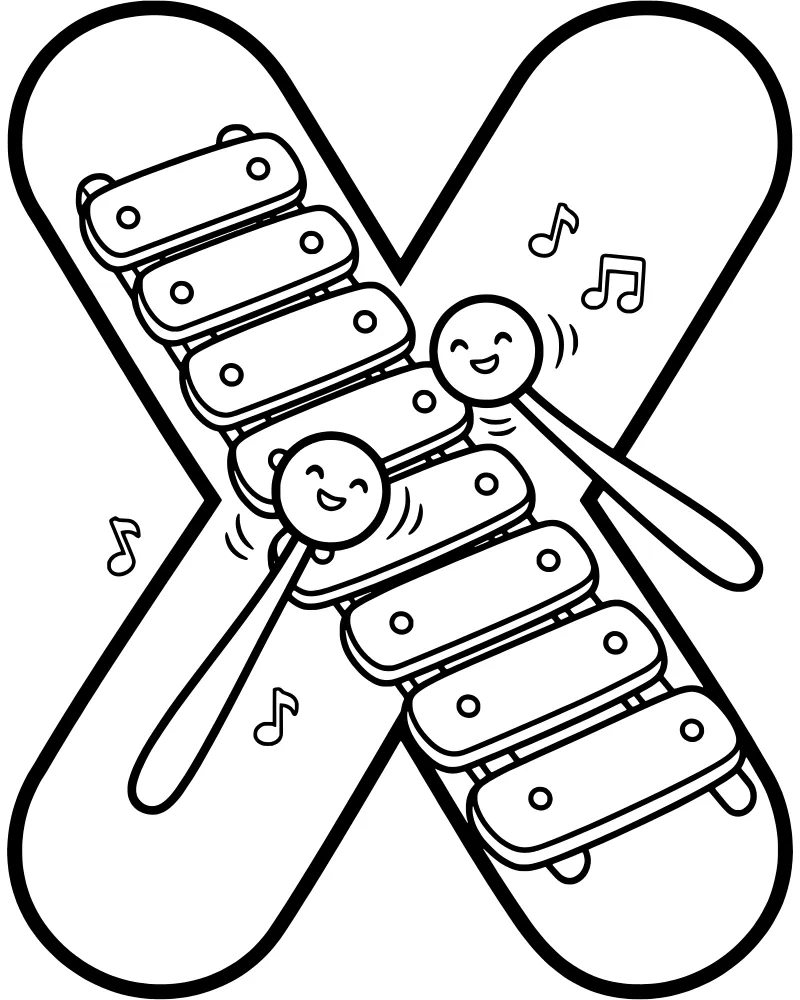
Musical Xylophone and Letter X
Educational
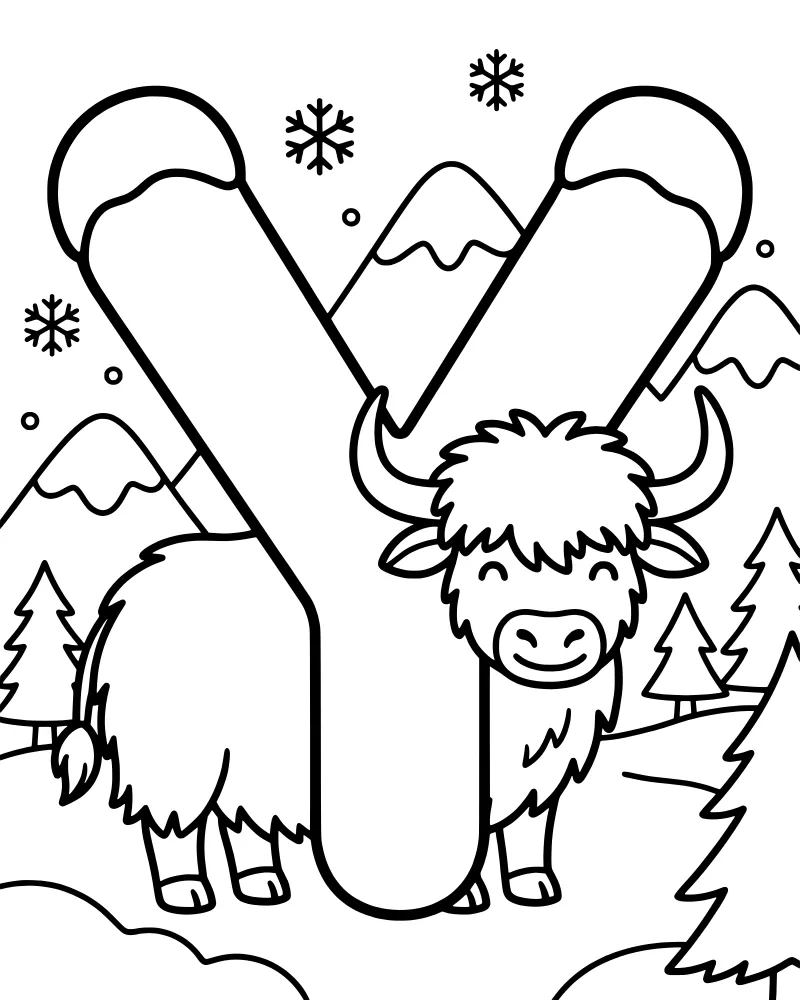
Friendly Yak and the Letter Y
Educational
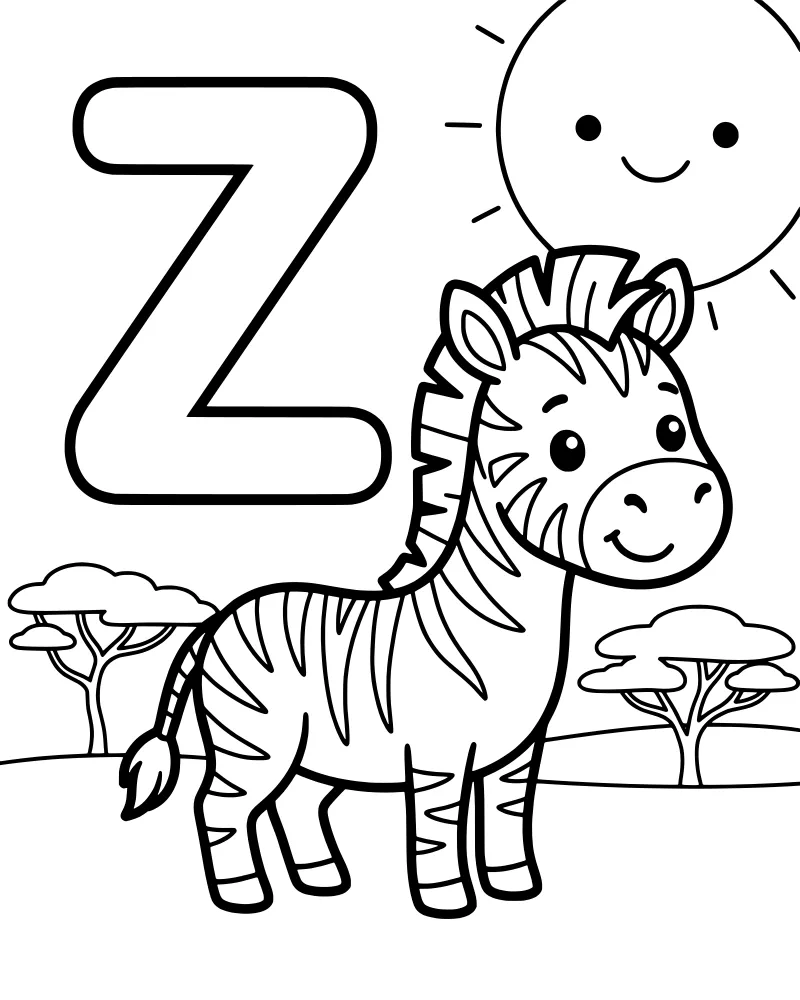
Zebra and Letter Z Savanna Scene
Educational
About This Collection
Learning the ABCs is a major milestone for every young child, and Alphabet Coloring Pages offer a wonderful way to make this journey enjoyable. By combining the visual shape of a letter with a friendly character or object, children can build strong associations between sounds and symbols. These pages provide a quiet, focused activity that encourages curiosity about language while also giving little hands a chance to practice their grip and coordination. Whether your child is just starting to recognize letters or is already beginning to sound out simple words, these printable sheets provide a tactile connection to the world of reading. Each letter becomes a canvas for color, turning a simple lesson into a memorable artistic experience that builds confidence and a love for learning.
The Educational Benefits of Alphabet Coloring
Coloring is far more than just a fun pastime; it is a fundamental tool for early childhood development. When a child works on a page like the Friendly Letter A and Smiling Apple, they are practicing letter recognition in a low-pressure environment. Seeing the large, bold shape of the letter alongside a familiar object helps solidify phonics. They learn that "A" stands for apple, and they begin to associate the curved lines and straight edges of the letter with the sounds they hear in everyday speech. This visual reinforcement is essential for building a strong foundation in literacy.
Beyond letter shapes, these activities help develop the fine motor skills necessary for writing. Holding a crayon or colored pencil requires a specific grip and control that prepares the hand for future handwriting tasks. As kids navigate the boundaries of the lines, they improve their hand-eye coordination and spatial awareness. This process of focusing on a single task also helps increase their attention span, providing a calming break from digital screens and fast-paced toys.
Creative Ways to Use Letter Pages at Home
You can easily turn these coloring sheets into a comprehensive learning system. Once a page is finished, consider hanging it up at eye level to create a custom alphabet wall in a bedroom or playroom. Seeing their own artwork prominently displayed gives children a sense of pride and ownership over their learning. You can also use the completed pages to play games, asking your child to find the letter that makes a specific sound or to point out the Playful Monkey Hanging From Letter M when you are talking about animals.
Another engaging idea is to create a personalized alphabet book. As your child completes each letter, punch holes in the side of the pages and bind them together with yarn or a folder. This becomes a precious keepsake that documents their artistic growth and their progress through the alphabet. You can even encourage them to draw extra items that start with the same letter in the background of each page, further expanding their vocabulary and creative thinking.
Choosing the Perfect Color Palette for Every Letter
There are no rules when it comes to choosing colors for the alphabet, but following some simple themes can make the experience even more exciting. For nature-themed letters, you might suggest earthy tones like deep greens, browns, and sky blues. A page like the Zebra and Letter Z Savanna Scene offers a great opportunity to talk about patterns and high-contrast colors like black and white, while the surrounding landscape can be filled with golden yellows and soft oranges to mimic a warm sunset.
For letters that feature food or characters, bright and vibrant primary colors often work best. Encourage your child to think about what colors they see in the real world. Is the apple red or green? Is the sun yellow or bright orange? Mixing different shades of the same color can also teach kids about gradients and lighting. Using glitter pens for stars or metallic markers for musical instruments can add a special touch that makes their favorite letters truly stand out from the rest of the collection.
Tips for Printing and Organizing Your Alphabet Collection
To get the best results from your printable pages, consider the type of paper you are using. Standard printer paper works well for crayons, but if your child prefers using markers or watercolors, a slightly thicker cardstock will prevent the colors from bleeding through. Always check your printer settings to ensure the fit to page option is selected so that none of the beautiful letter outlines are cut off at the edges.
Organizing the pages in a dedicated binder can help keep the collection tidy and accessible. You can sort them alphabetically or even by theme, such as animals, food, or transportation. Having an organized system makes it easy for your child to pick out the specific letter they want to work on next. It also allows you to easily find specific pages to use as templates for other crafts, such as tracing the letters onto felt or using them as guides for baking letter-shaped cookies.