Discover a variety of butterfly coloring pages. From simple garden scenes to intricate mandalas, these free printables are perfect for kids and adults.
Butterfly Coloring Pages
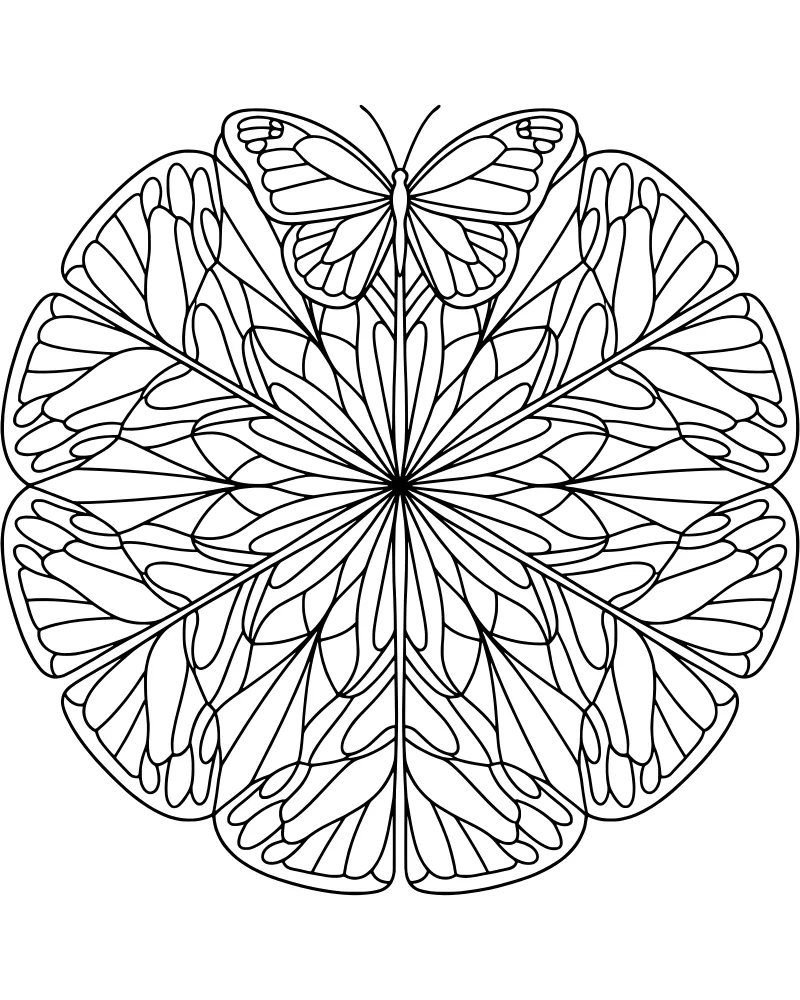
Intricate Butterfly Mandala Design
Mandalas & Patterns
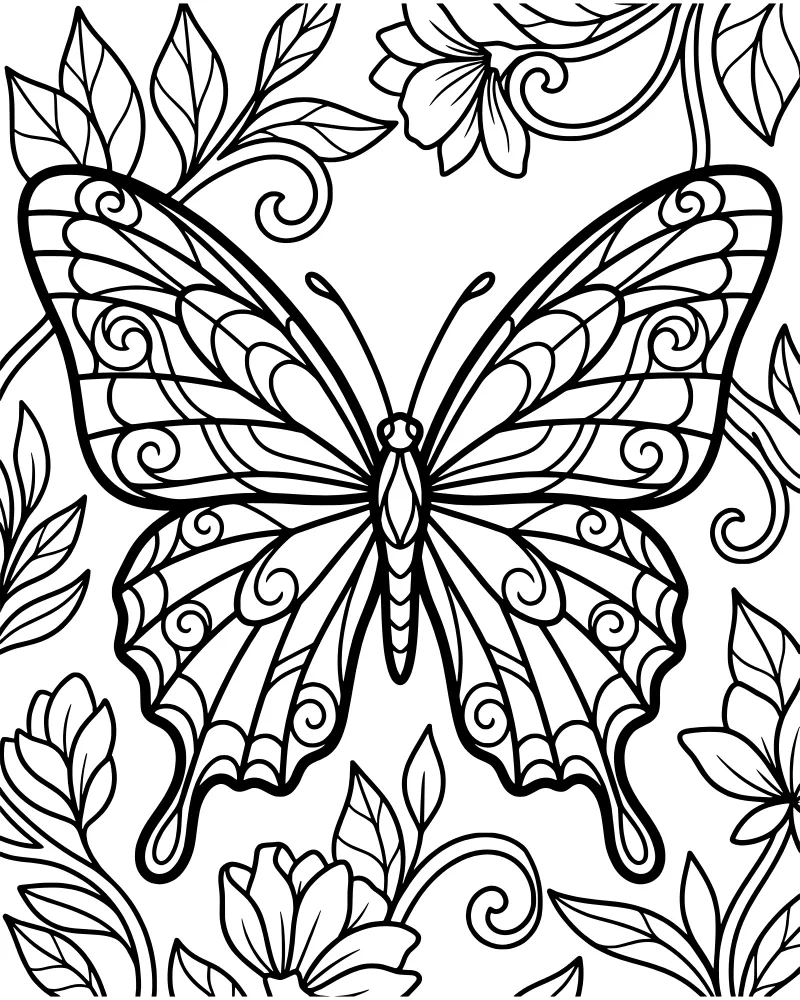
Ornate Garden Butterfly with Floral Details
Bugs & Insects
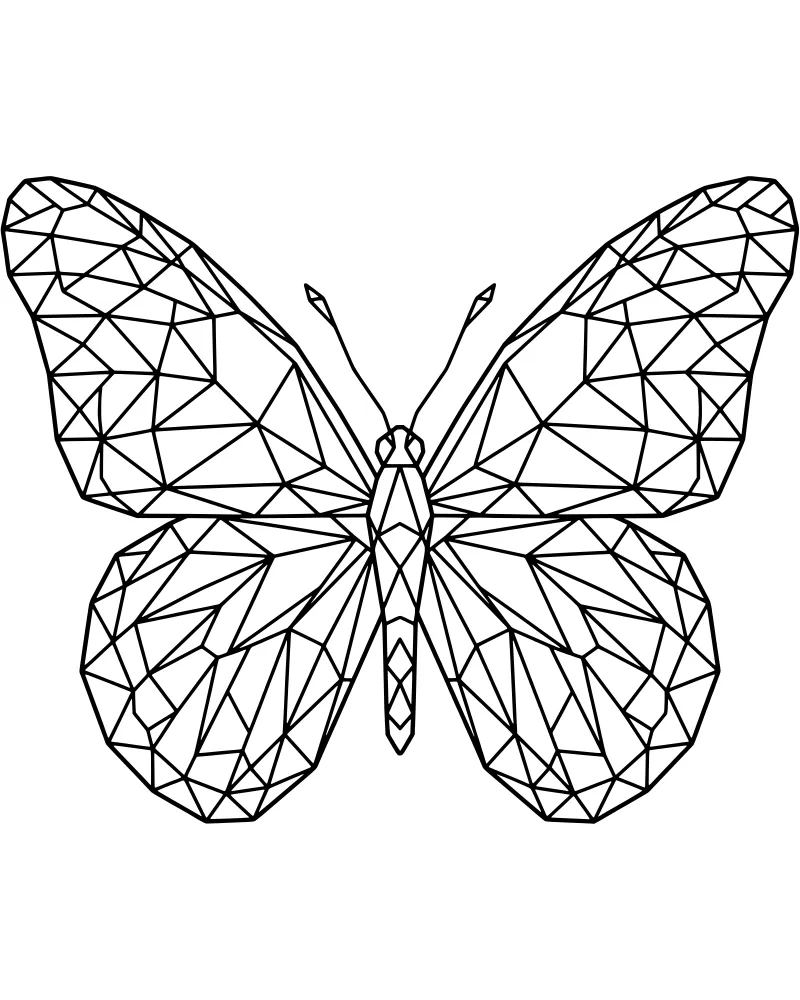
Geometric Low Poly Butterfly
Bugs & Insects
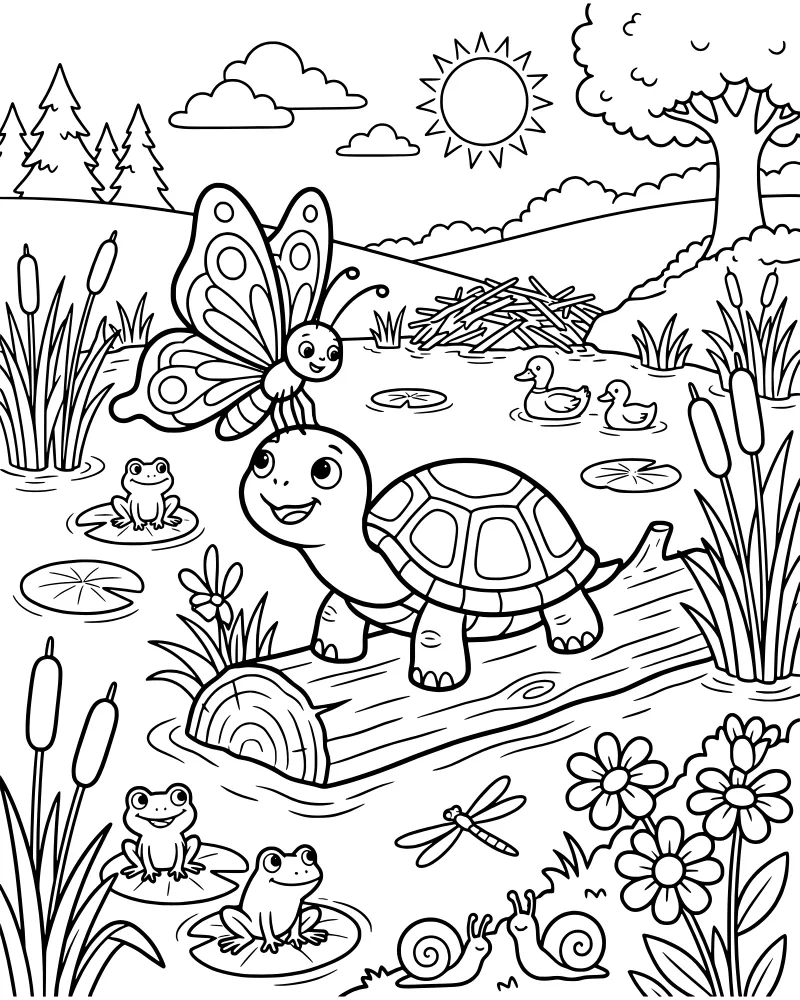
Happy Pond Animals and Friends
Animals
About This Collection
Butterflies are some of the most captivating creatures in the natural world. Their delicate wings and vibrant patterns make them a favorite subject for artists of all ages. These tiny travelers bring a sense of wonder and joy to any garden, fluttering from petal to petal. Coloring these beautiful insects allows you to explore a world of color and light while relaxing with a quiet, artistic activity. Our collection offers a variety of styles, from simple shapes for toddlers to complex designs for older children and adults. Whether you prefer a realistic monarch or a whimsical fantasy creature, you will find a page that sparks joy. Each sheet is a chance to experiment with shades of the rainbow and create something truly unique.
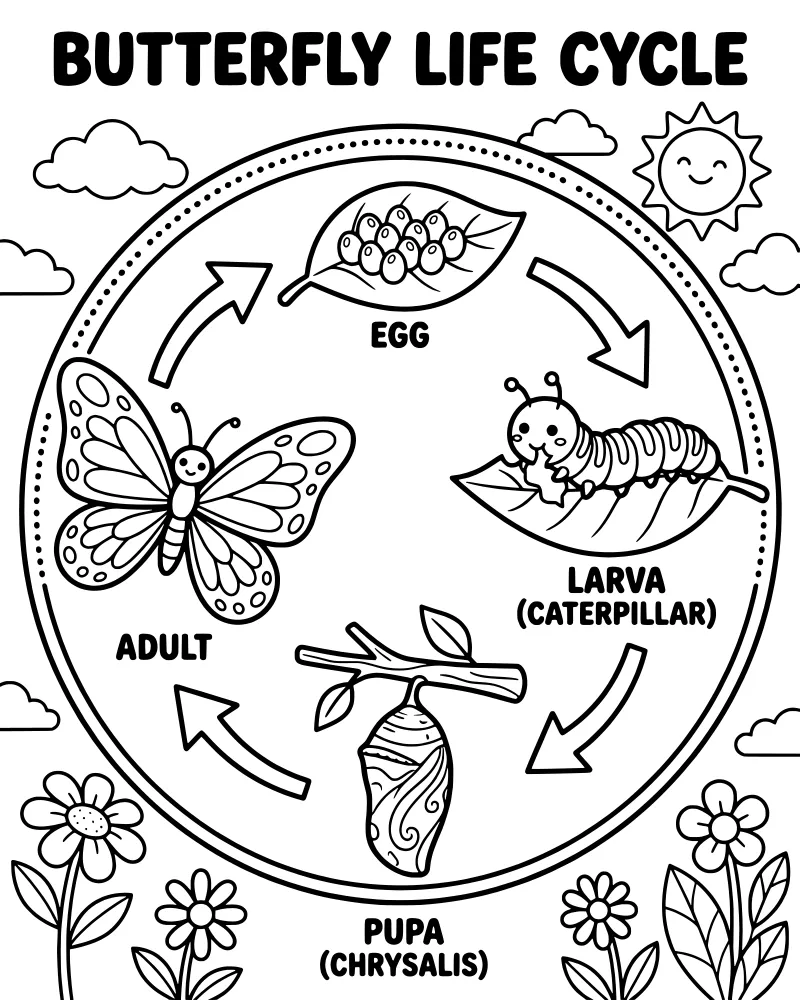
Understanding the Journey of a Butterfly
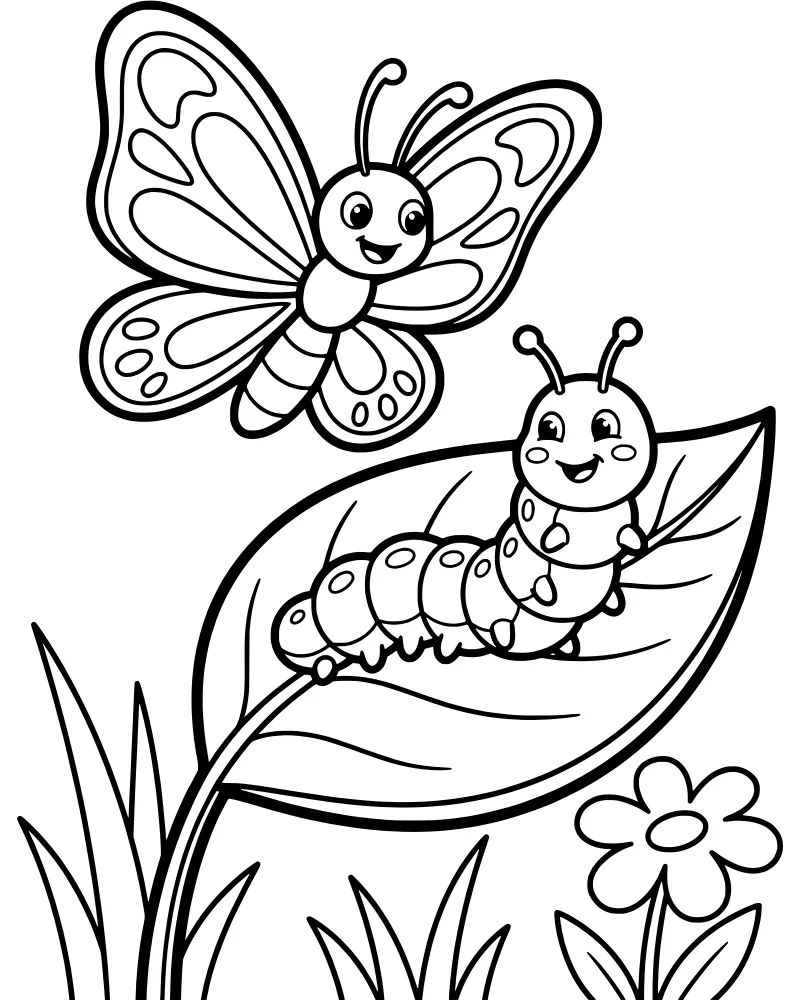
The transformation from a tiny egg to a soaring adult is one of nature's most impressive feats. Children often find the concept of metamorphosis fascinating because it feels almost like magic. By starting with a tiny larva and watching it grow, they learn about the importance of patience and the rewards of change. A Butterfly Life Cycle Diagram serves as an excellent visual aid for this lesson, allowing kids to color the distinct stages from the egg on a leaf to the emerging adult.
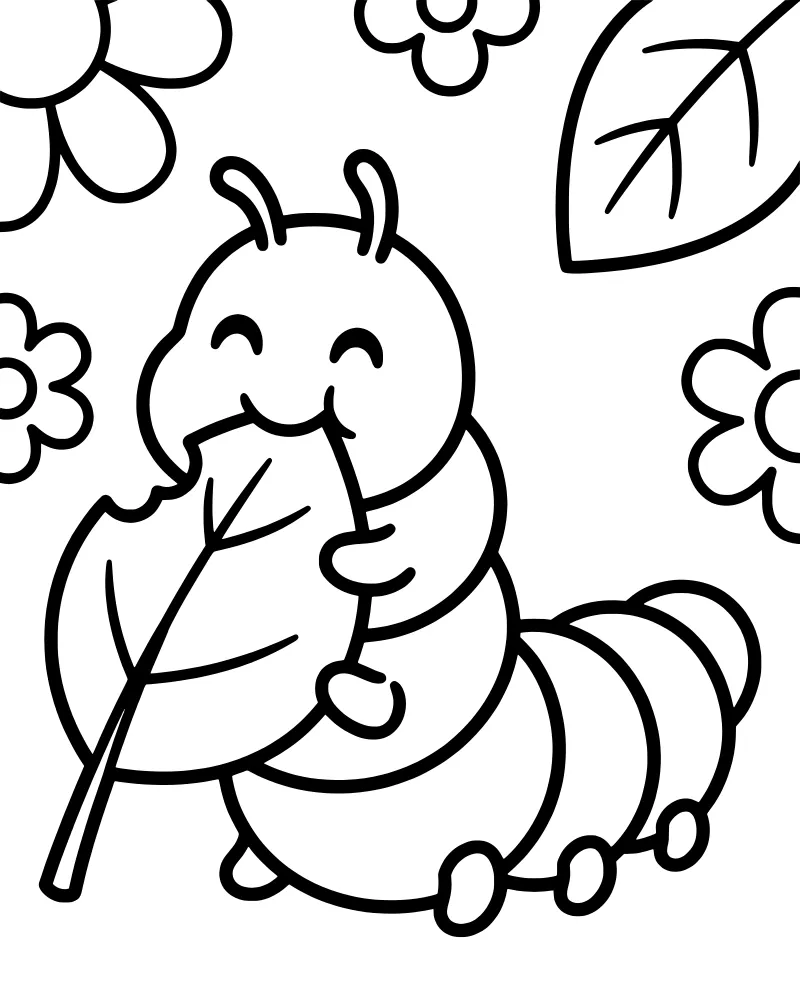
This educational approach turns a simple coloring session into a biology lesson that stays with them long after the crayons are put away. It is a wonderful way to introduce scientific concepts through art, making the learning process feel natural and fun. Parents can help by explaining what happens inside the chrysalis while the child adds color to that specific part of the diagram. Discussing how the caterpillar eats and grows before its big change adds a layer of storytelling to the activity.
Selecting a Palette for Your Winged Friends
When it comes to choosing colors, there are no wrong answers in the world of art. Nature provides endless inspiration, from the bold stripes of a Swallowtail to the shimmering iridescent blues of a Morpho butterfly. If you want a realistic look, you can research local species and try to match their specific markings using colored pencils for fine detail. However, many people find it more enjoyable to invent their own species with neon pinks, electric greens, and metallic silvers.
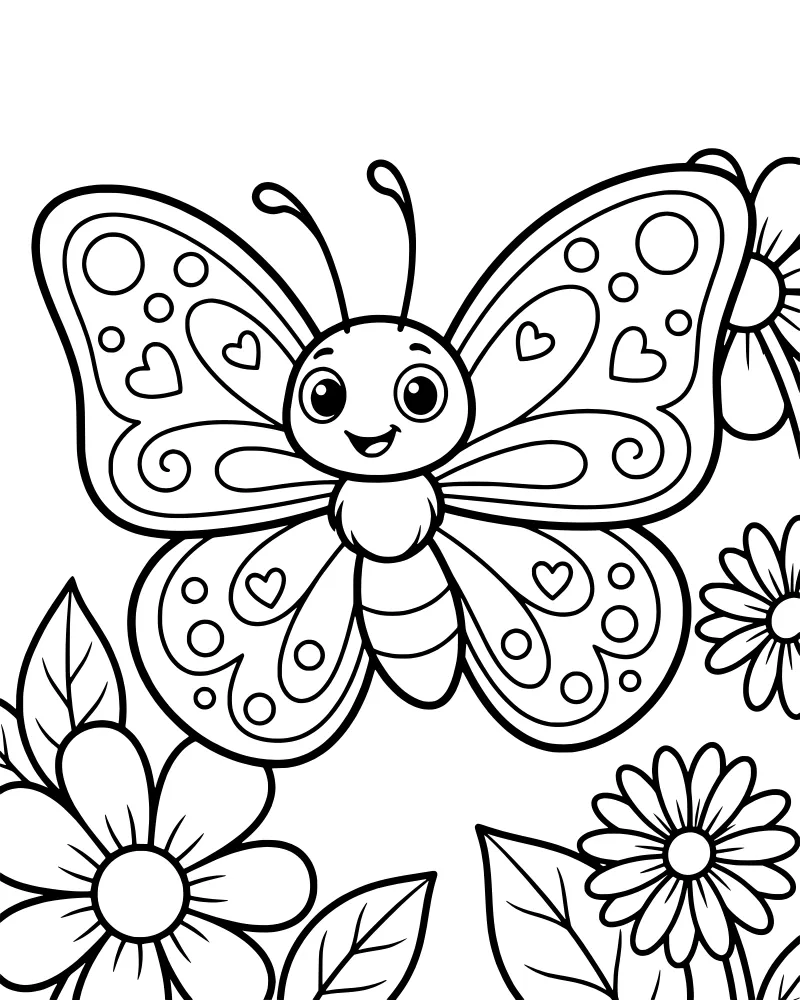
In a scene like the Butterfly and Giant Flower Garden, you have the opportunity to coordinate the butterfly’s wings with the petals of the surrounding flowers. Using a mix of warm tones like red and orange for the butterfly and cool tones like green and blue for the garden creates a striking visual contrast that makes the central figure stand out. This helps the eye move around the page and appreciate all the small details. Experimenting with different mediums like markers for bold lines and crayons for soft textures can give your garden scene a unique depth.
The Art of Symmetry and Patterns
The geometric precision found in a butterfly's wings is a marvel of evolution. Each side is a mirror image of the other, which creates a sense of harmony and balance. This symmetry is why butterflies are often used in therapeutic art practices for people of all ages. Focusing on repeating patterns can be incredibly grounding and helps provide a break from the busy pace of daily life. It allows the mind to focus on a single, beautiful task.
An Intricate Butterfly Mandala Design takes this concept even further by blending the natural shape of the insect with traditional mandala patterns. Working on these detailed sections requires a steady hand and a focused mind, which can help improve fine motor skills in younger artists. It is a peaceful way to spend a rainy afternoon, allowing the world to fade away as you fill in each tiny segment with a different hue. You can choose a monochromatic theme or a rainbow of colors to see how the pattern changes with your choices.
Fun Activities and Printing Your Artwork
To get the best results from your printing, consider the tools you plan to use for your masterpiece. If you prefer watercolors or heavy markers, printing on a thicker cardstock will prevent the paper from warping or bleeding through. For those who love using gel pens or fine-liners for those tiny details, a smooth, bright white paper will help the colors appear more vivid and crisp. Always check your printer settings to ensure the lines are sharp and clear before you start.
Beyond just coloring, these pages can be the start of many different craft projects around the house. You could create a mobile by hanging several cut-out butterflies from a coat hanger with pieces of fishing line to decorate a bedroom. This creates a moving piece of art that catches the breeze when hung near a window or a door. Another creative idea is to use the finished pages as unique gift wrap for small presents, adding a personal and handmade touch to any celebration. Sharing these finished works with friends and family is a great way to spread the joy that these little insects represent.