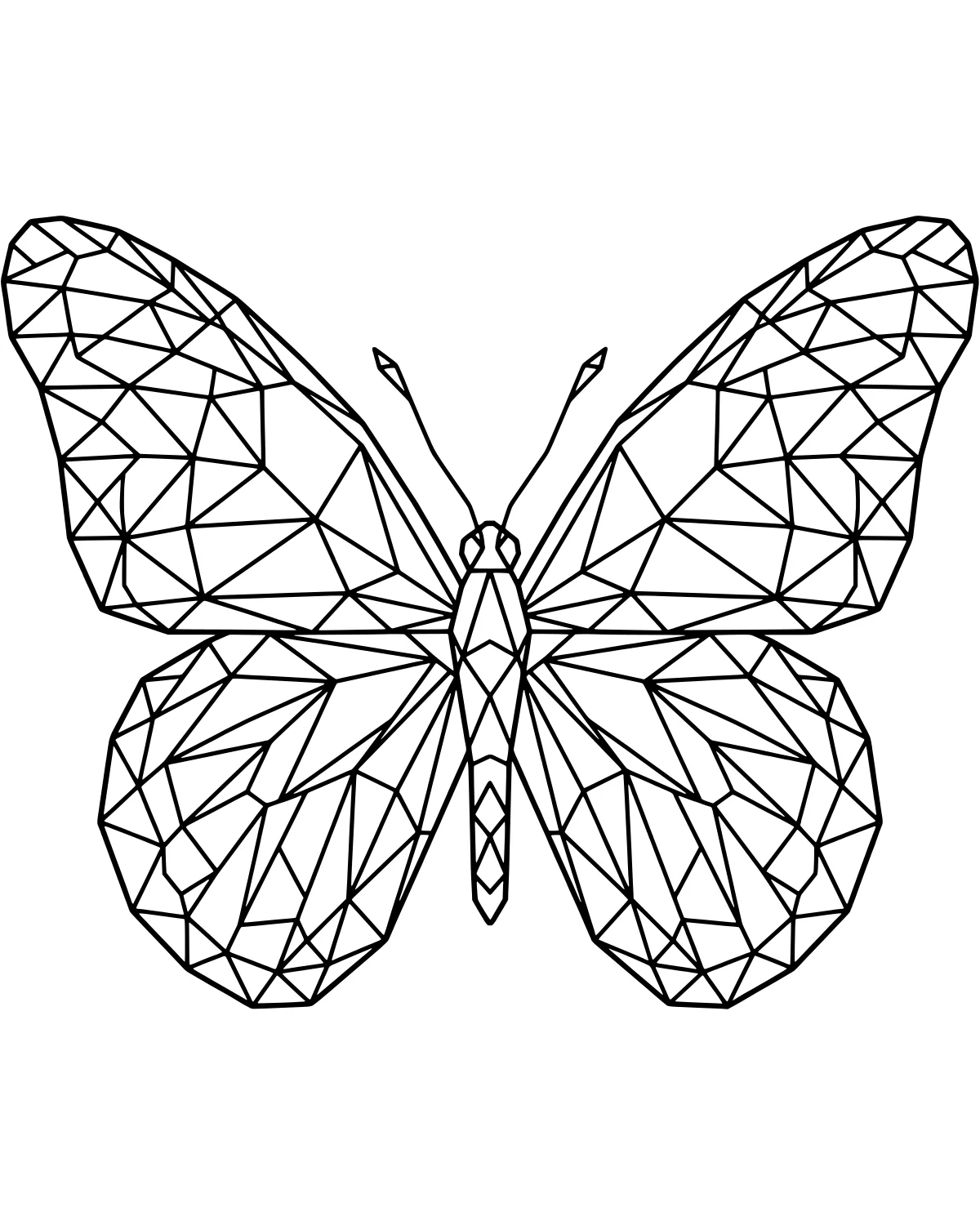
This striking geometric butterfly offers a modern perspective on a classic nature subject. Instead of the usual soft curves found in nature, this illustration uses sharp polygons and triangles to build a sense of structure and depth. It is a fantastic choice for anyone who appreciates detailed patterns and wants to explore a more contemporary art style.
The symmetrical wings are filled with intricate shapes that invite you to experiment with many different color combinations. Coloring this piece provides a peaceful way to focus on the beauty of symmetry and the fascinating world of low-poly design. You can spend hours filling in each individual facet to create a masterpiece.
Color Palette Ideas
What's In This Picture
At the center of the page, you will find a large butterfly with its wings spread wide in a symmetrical pose. Each wing is carefully divided into a network of triangles and polygons, which creates a crystalline or faceted effect across the entire surface. The body of the butterfly is also composed of smaller geometric segments, leading up to two delicate antennae at the very top.
The dense line work creates a high level of detail, especially within the individual facets of the wings. You can follow the lines to see how the shapes connect to form the larger silhouette of the insect. Every small section provides a new space to add a unique shade, making the entire image feel like a modern mosaic or a stained-glass window waiting for your personal touch.
Coloring Tips
Because this page has a high level of detail and dense lines, using fine-tipped markers or sharpened colored pencils is the best way to stay within the small geometric patterns. You might choose a gradient approach, where colors transition from dark near the body to light at the outer edges of the wings. This can help emphasize the three-dimensional look of the low-poly style.
Another effective technique is to use contrasting colors for adjacent triangles to make the geometric effect really stand out. If you prefer a more harmonious look, try sticking to a specific color family like cool blues and purples or warm oranges and yellows. You can also leave some sections lighter than others to simulate the way light reflects off a faceted surface.
Did You Know?
Butterflies are famous for their symmetry, which means both sides of their bodies are nearly identical mirror images. In the wild, this helps them stay balanced while they fly. This low-poly art style mimics that natural symmetry using mathematical shapes. Digital artists often use these same geometric techniques to create complex 3D models for movies and video games.
Try This!
After you finish coloring your butterfly, you can try to count how many different triangles you used throughout the design. You might also want to draw your own geometric background around the butterfly using a ruler to create even more polygons. This is a wonderful way to practice identifying different shapes while making a beautiful piece of art to display.
Frequently Asked Questions
What tools work best for these small shapes?
How can I make the butterfly look 3D?
Is this page suitable for younger children?
Popular Collections
Animal Coloring Pages
Animals bring a special kind of life to any art project. Whether you love the quiet of a deep forest...
Spring Coloring Pages
As the frost melts away and the first green shoots poke through the soil, we welcome the vibrant ene...
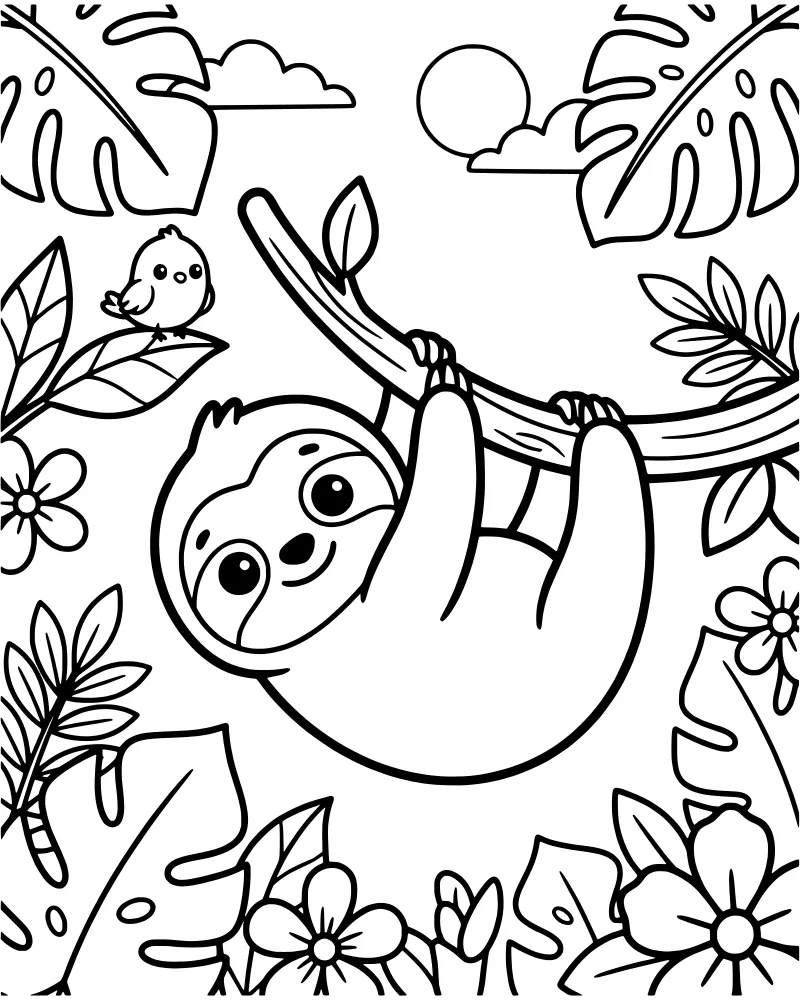

Cute Coloring Pages
Finding something charming and sweet to color is one of the quickest ways to brighten a rainy aftern...



Kawaii Coloring Pages
Kawaii is more than just a word for cute; it is a whole aesthetic that celebrates the joy in the sma...
You Might Also Like
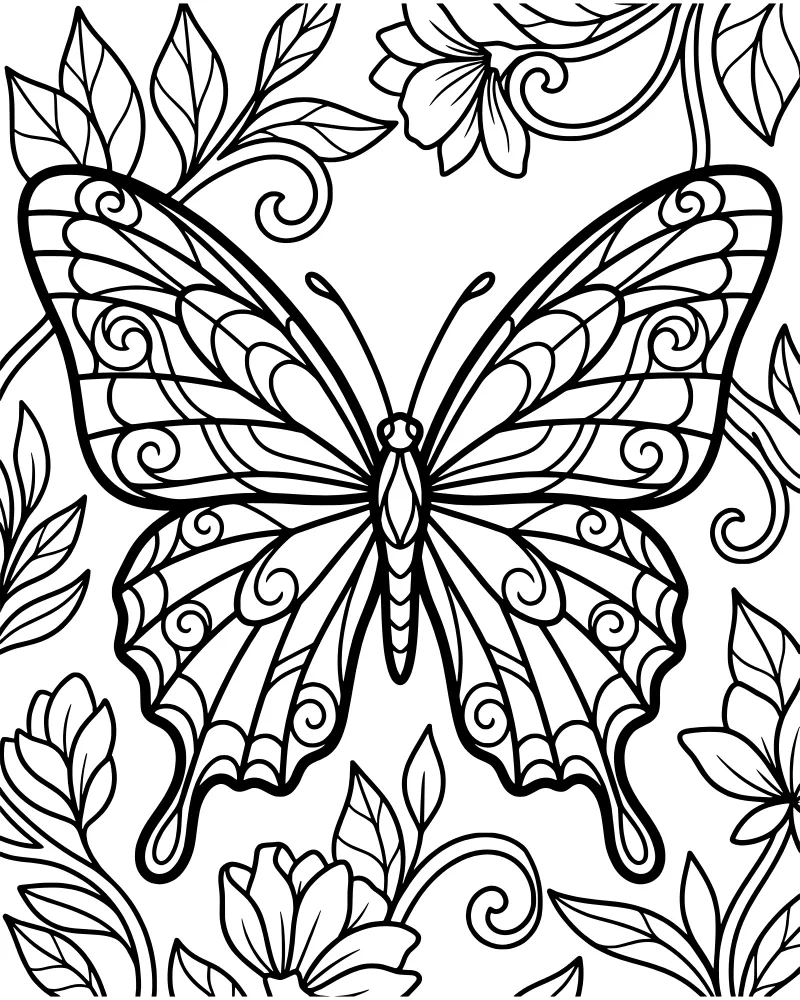
Ornate Garden Butterfly with Floral Details
Bugs & Insects
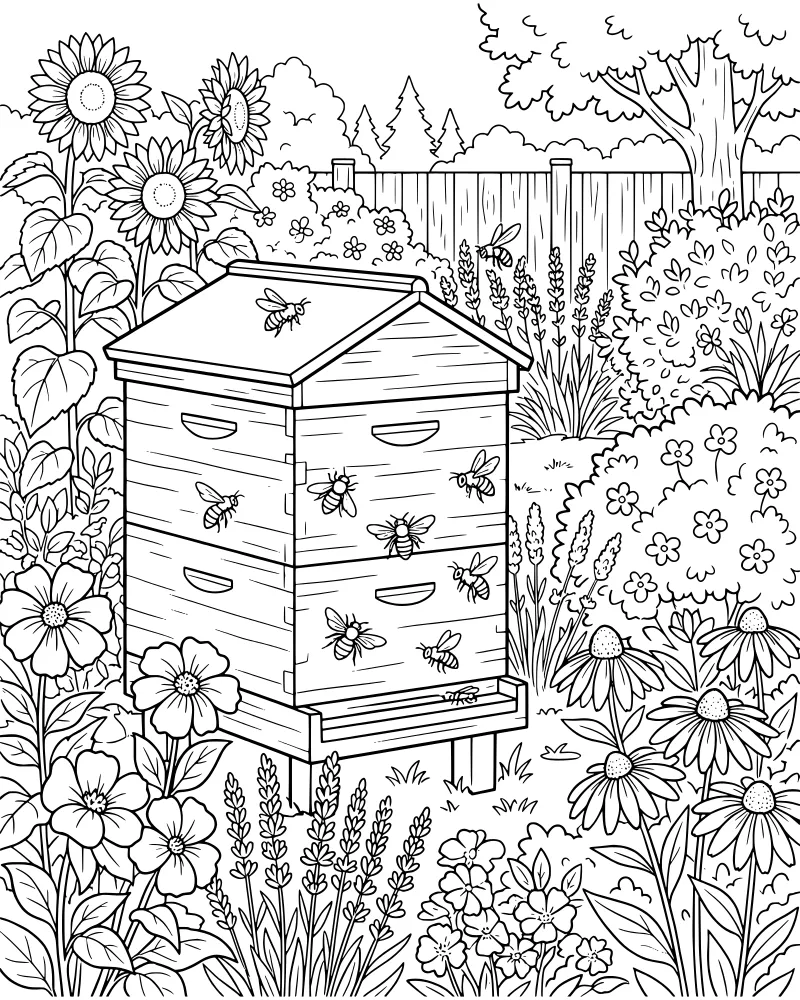
Busy Bees in a Summer Garden
Bugs & Insects
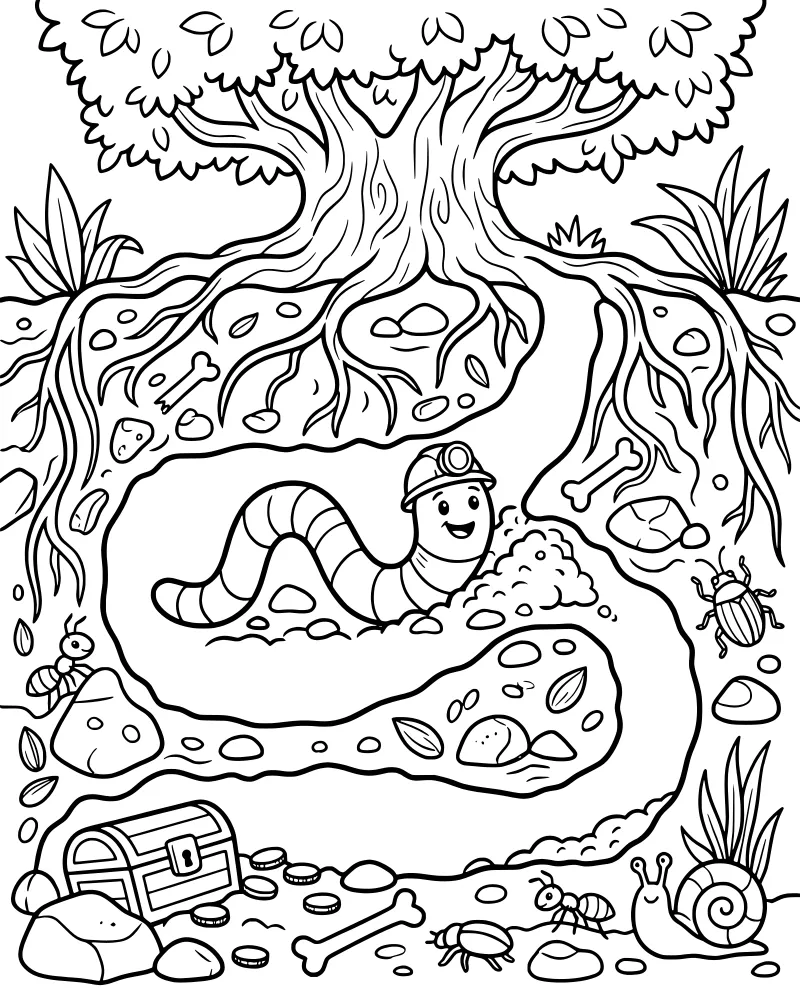
Underground Worm Miner Treasure Hunt
Bugs & Insects
Busy Ants at the Forest Ant Hill
Bugs & Insects
Praying Mantis in Tropical Jungle Foliage
Bugs & Insects
Detailed Dragonfly on Grass Blade
Bugs & Insects
Cute Snail Peeking Behind a Mushroom
Bugs & Insects
May Magic Spring Garden
Bugs & Insects