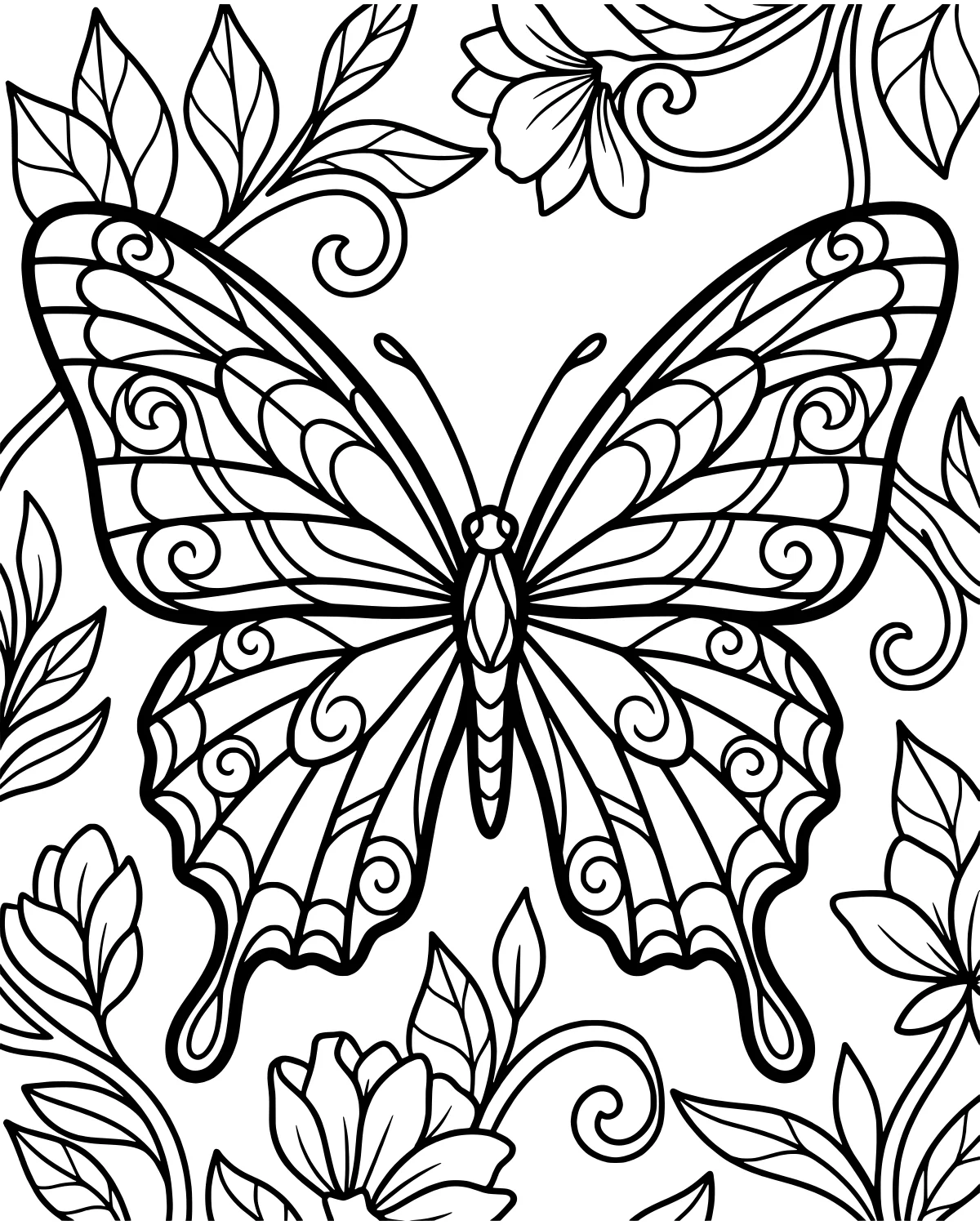
This ornate butterfly rests peacefully among a lush backdrop of flowers and leaves. The intricate patterns on its wings offer a wonderful opportunity to explore different color combinations. Every detail, from the delicate antennae to the winding vines, creates a scene that feels both elegant and serene. Coloring this piece is a calming way to spend an afternoon. The dense line work and decorative swirls make it a perfect choice for anyone who enjoys focusing on small, beautiful details in nature.
Color Palette Ideas
What's In This Picture
At the center of the page, a large butterfly displays magnificent wings filled with tiny patterns and shapes. Its slender body and curved antennae are positioned perfectly amidst a variety of botanical elements. You can follow the graceful vines as they curve around the main subject, leading your eye toward blooming flowers and pointed leaves. The background is filled with organic swirls and decorative accents that complement the butterfly's natural beauty. Each leaf has its own unique veins, and the flowers feature layers of petals that allow for deep shading and vibrant highlights. The overall composition creates a balanced and harmonious scene of a hidden garden.
Coloring Tips
Since the line density is quite high, using fine-tipped markers or sharpened colored pencils will help you stay within the intricate borders of the butterfly wings. You might try using a gradient effect on the larger wing sections, blending from a light center to a darker outer edge. This technique adds a sense of depth and makes the butterfly look like it is ready to take flight. For the surrounding greenery and flowers, consider using a palette of complementary colors to make the central butterfly stand out. Soft pastels can create a dreamy, serene mood, while bold jewel tones will give the artwork a more dramatic and vibrant feel. Don't be afraid to experiment with metallic pens on the small swirls to add a touch of sparkle.
Did You Know?
Butterflies actually taste their food with their feet. When they land on a flower, special sensors on their legs tell them if the nectar is something they want to eat. They also have thousands of tiny scales on their wings, which is what gives them such amazing colors and patterns.
Try This!
After you finish coloring, try to identify the different parts of the butterfly like the thorax and abdomen. You could also use this page as inspiration to go outside and look for real butterflies in a local park. Notice how they move and which flowers they seem to like best in your own garden.
Frequently Asked Questions
What tools should I use for the small details?
How can I make the butterfly stand out from the flowers?
Is this page suitable for practicing shading?
Popular Collections
Animal Coloring Pages
Animals bring a special kind of life to any art project. Whether you love the quiet of a deep forest...
Cute Coloring Pages
Finding something charming and sweet to color is one of the quickest ways to brighten a rainy aftern...



Kawaii Coloring Pages
Kawaii is more than just a word for cute; it is a whole aesthetic that celebrates the joy in the sma...


Funny Coloring Pages
Laughter is a wonderful part of childhood, and our collection of Funny Coloring Pages is designed to...
You Might Also Like
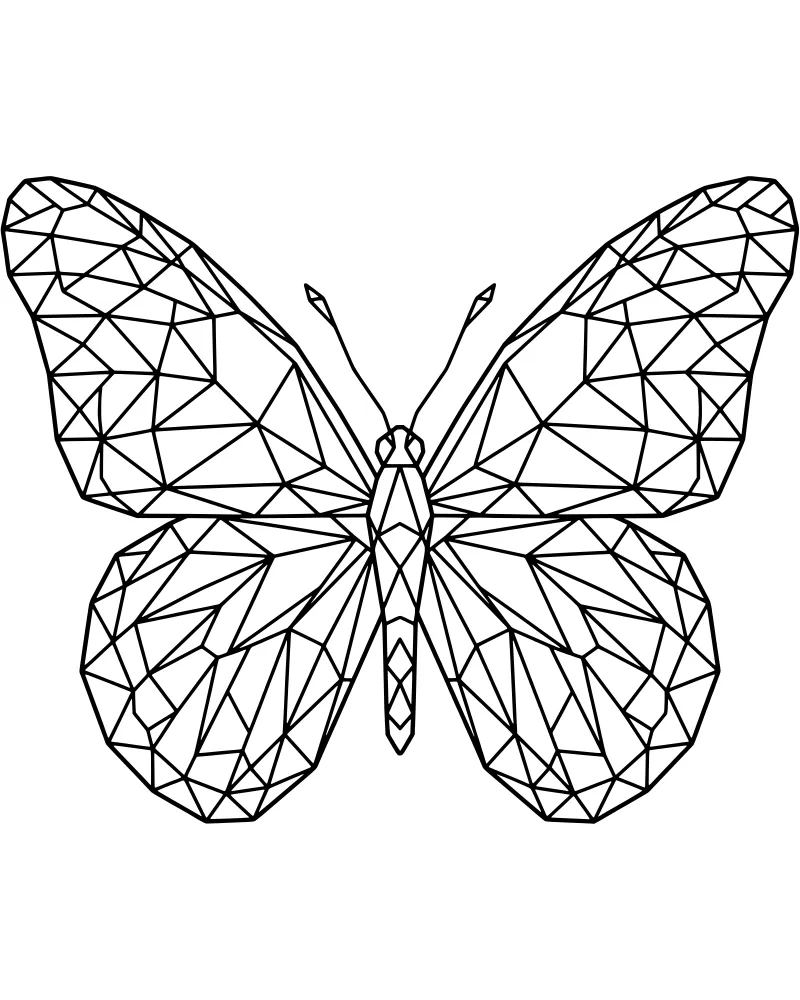
Geometric Low Poly Butterfly
Bugs & Insects
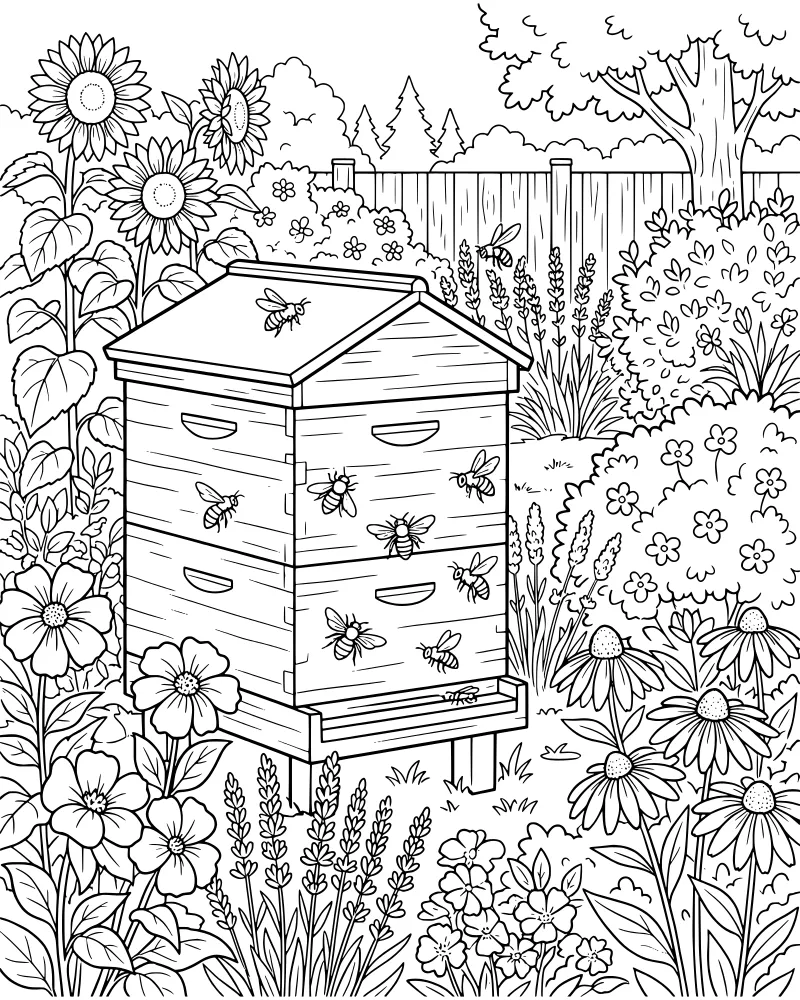
Busy Bees in a Summer Garden
Bugs & Insects
Underground Worm Miner Treasure Hunt
Bugs & Insects
Busy Ants at the Forest Ant Hill
Bugs & Insects
Praying Mantis in Tropical Jungle Foliage
Bugs & Insects
Detailed Dragonfly on Grass Blade
Bugs & Insects
Cute Snail Peeking Behind a Mushroom
Bugs & Insects
May Magic Spring Garden
Bugs & Insects