Download and print beautiful flower coloring pages. From simple daisies to intricate bouquets, find the perfect floral design for your next art project.
Flower Coloring Pages
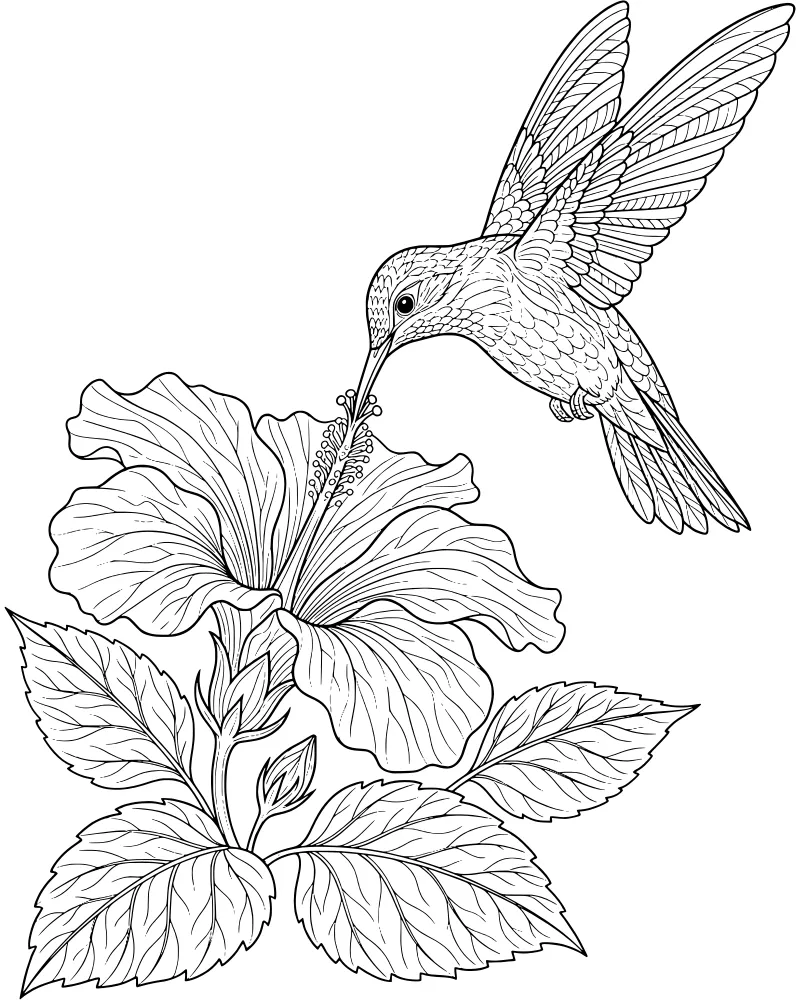
Hummingbird and Tropical Hibiscus Bloom
Nature & Outdoors
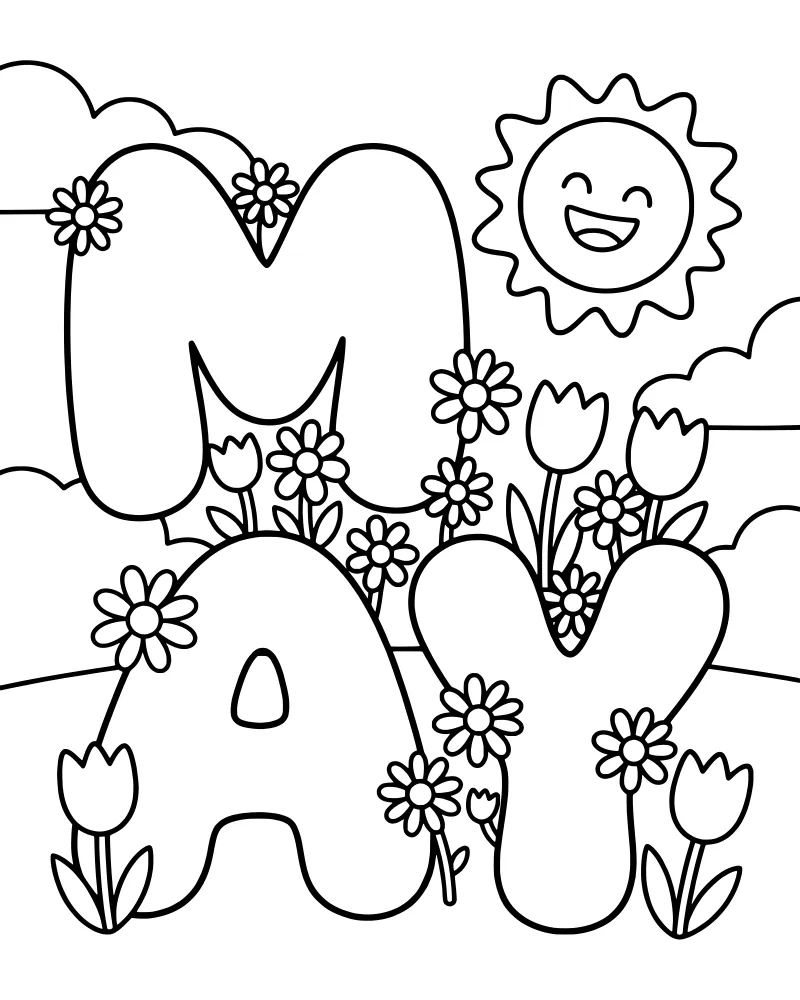
Cheerful May Spring Flowers and Sun
Holidays & Celebrations
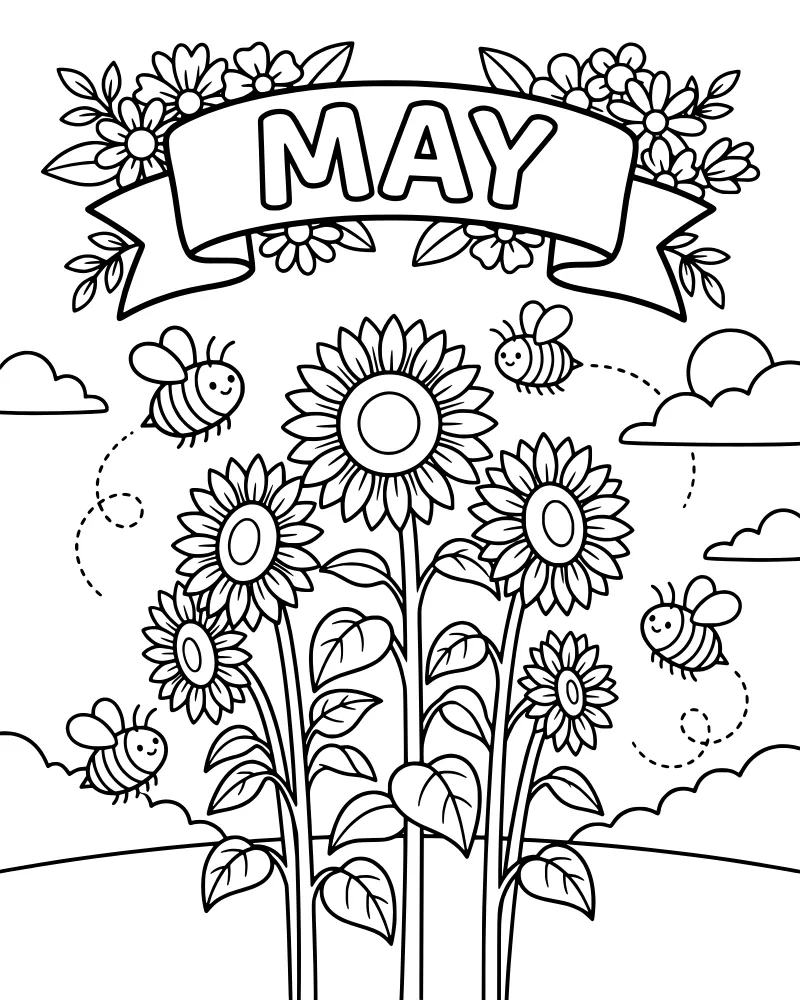
Sunny May Garden with Bees
Nature & Outdoors
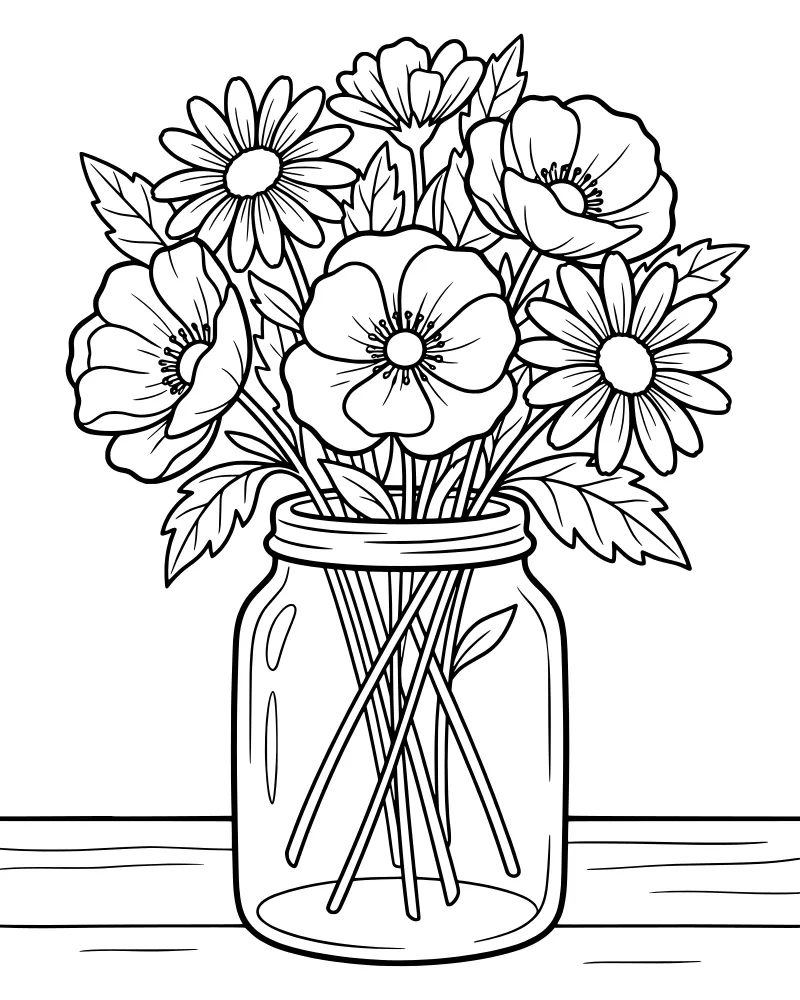
Mason Jar Bouquet of Daisies and Poppies
Nature & Outdoors
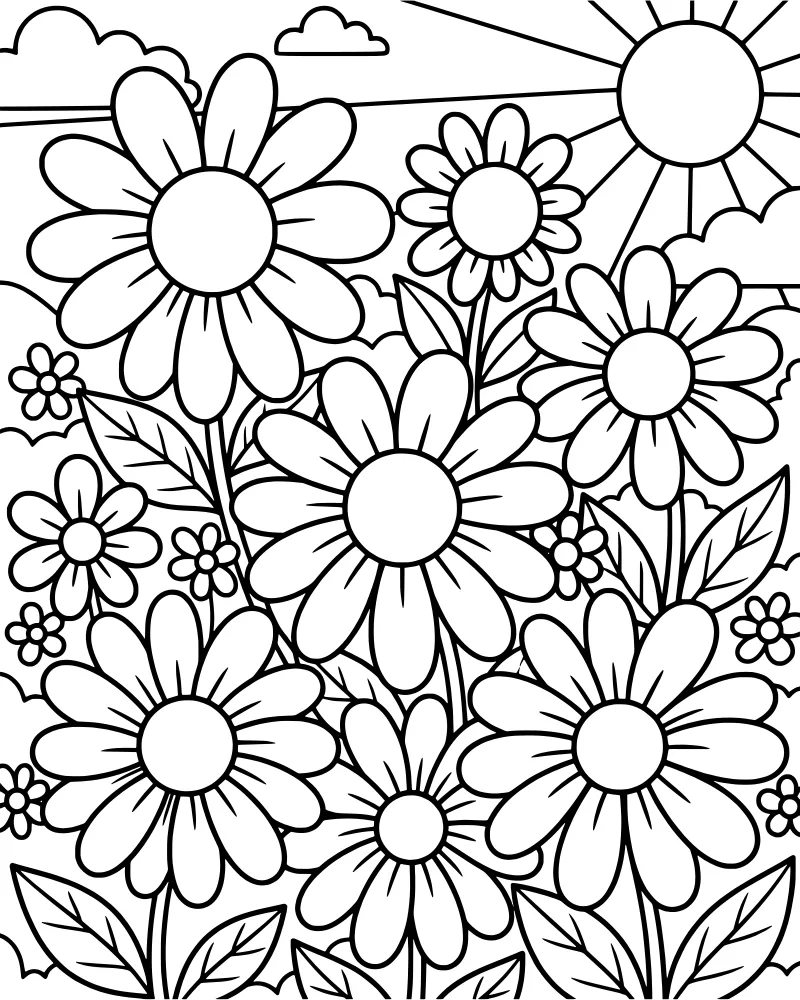
Cheerful Garden Daisies and Bright Sun
Nature & Outdoors
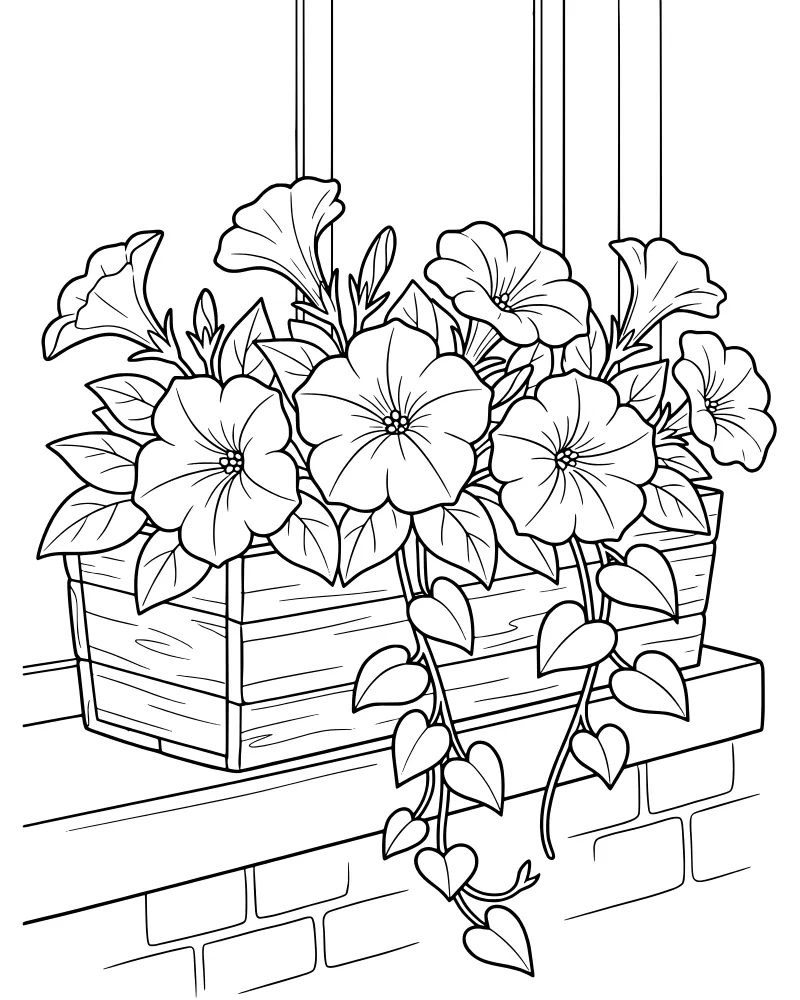
Blooming Petunias in a Window Box
Nature & Outdoors
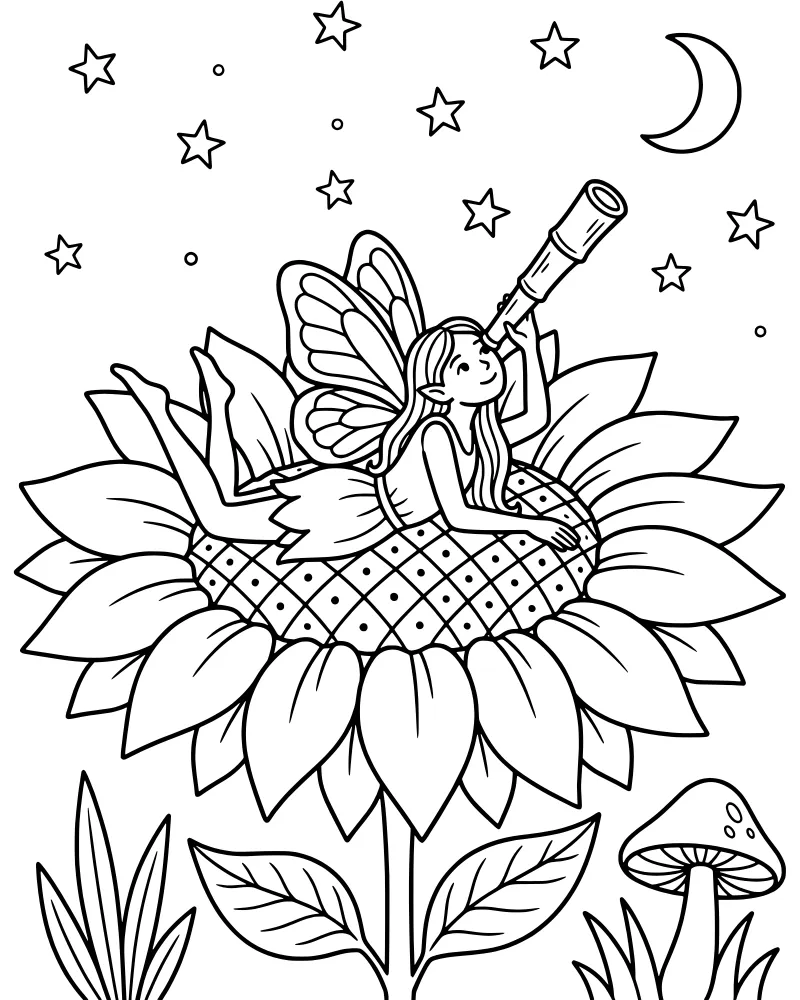
Fairy Stargazing on a Sunflower
Fantasy & Mythology

Best Mom Rose Bouquet
Holidays & Celebrations
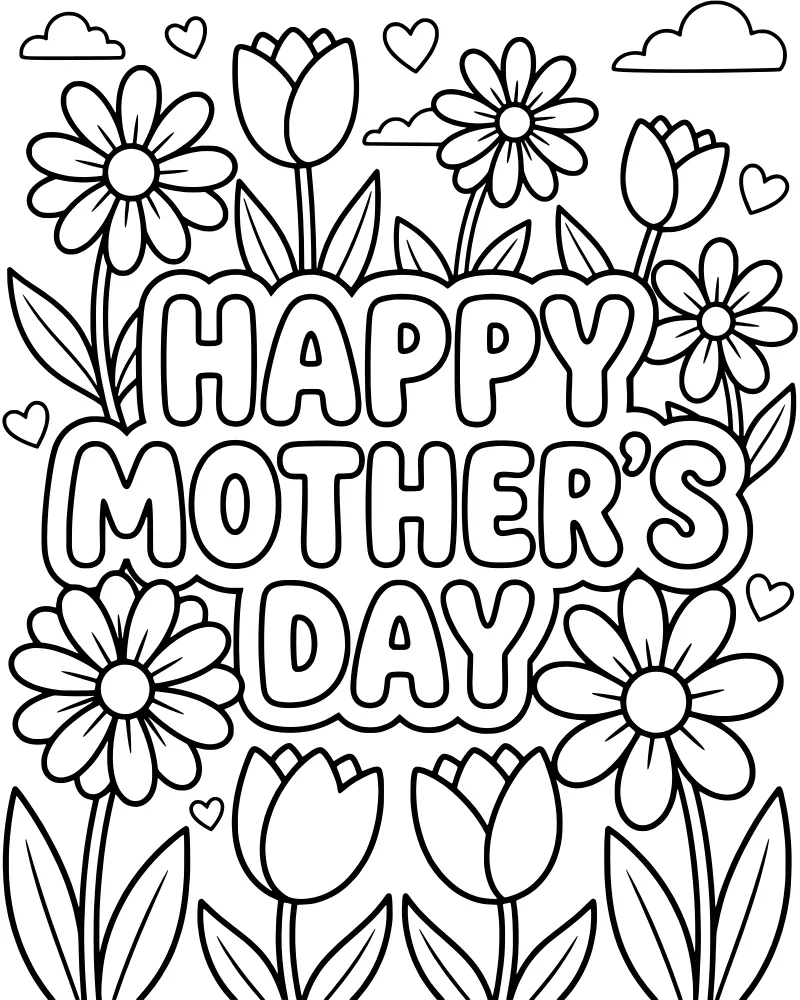
Happy Floral Mother's Day Card
Holidays & Celebrations
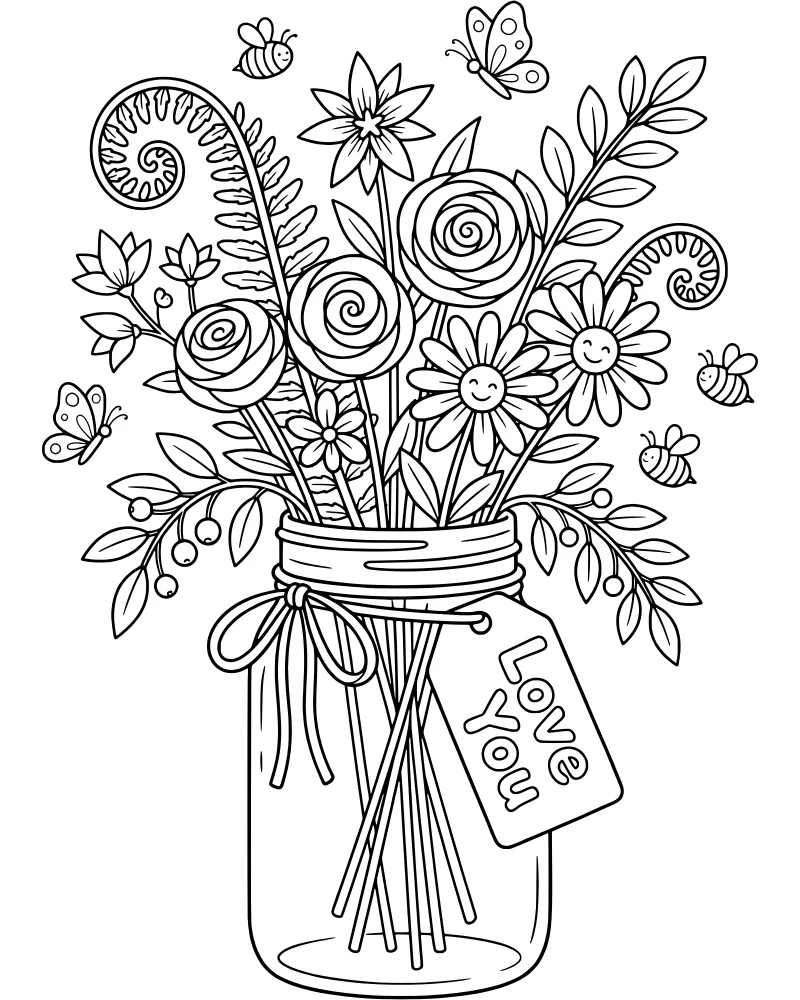
Mason Jar Flower Bouquet
Nature & Outdoors
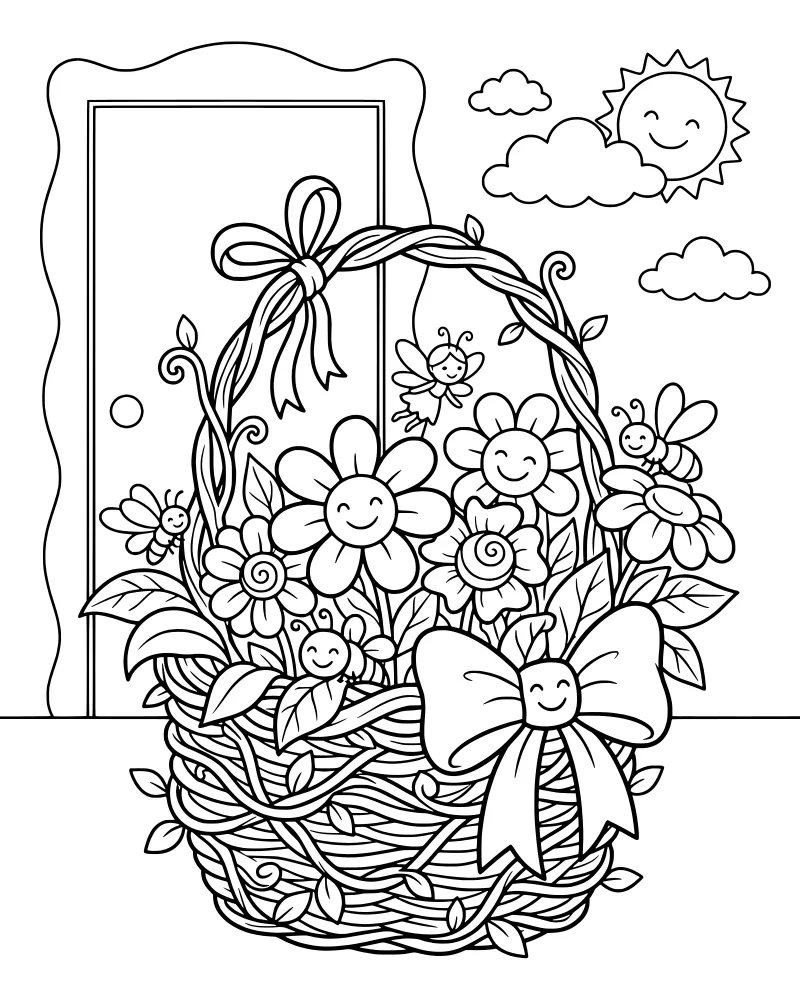
Whimsical Flower Basket with Fairies
Nature & Outdoors
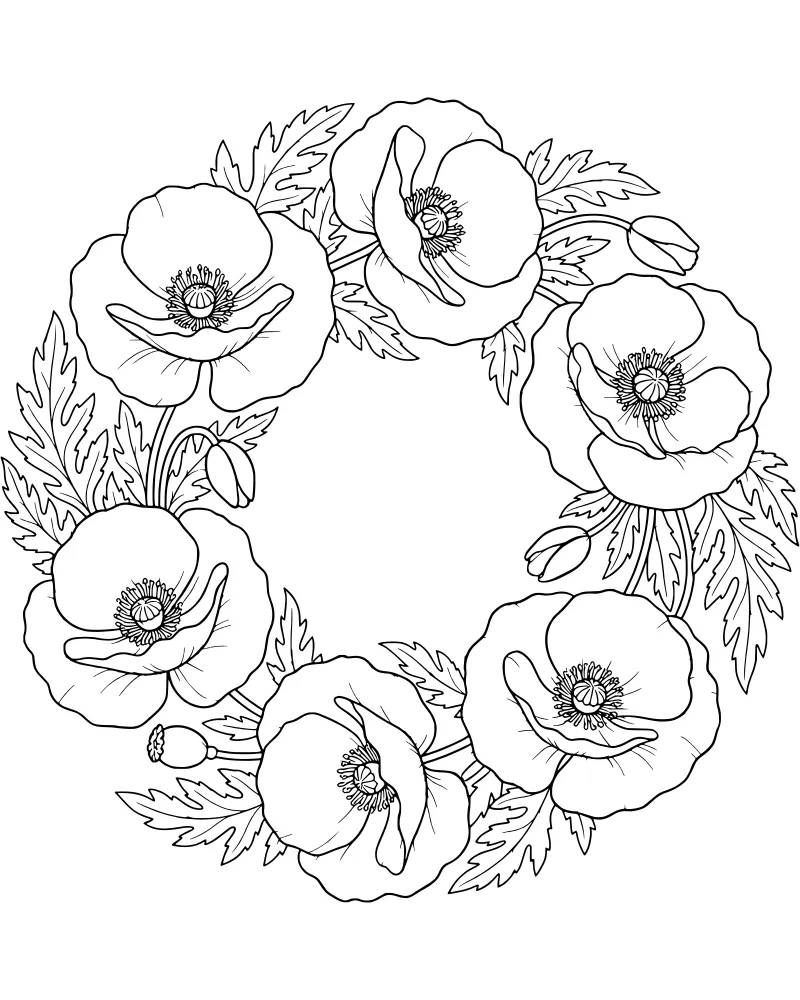
Elegant Poppy Flower Wreath
Nature & Outdoors
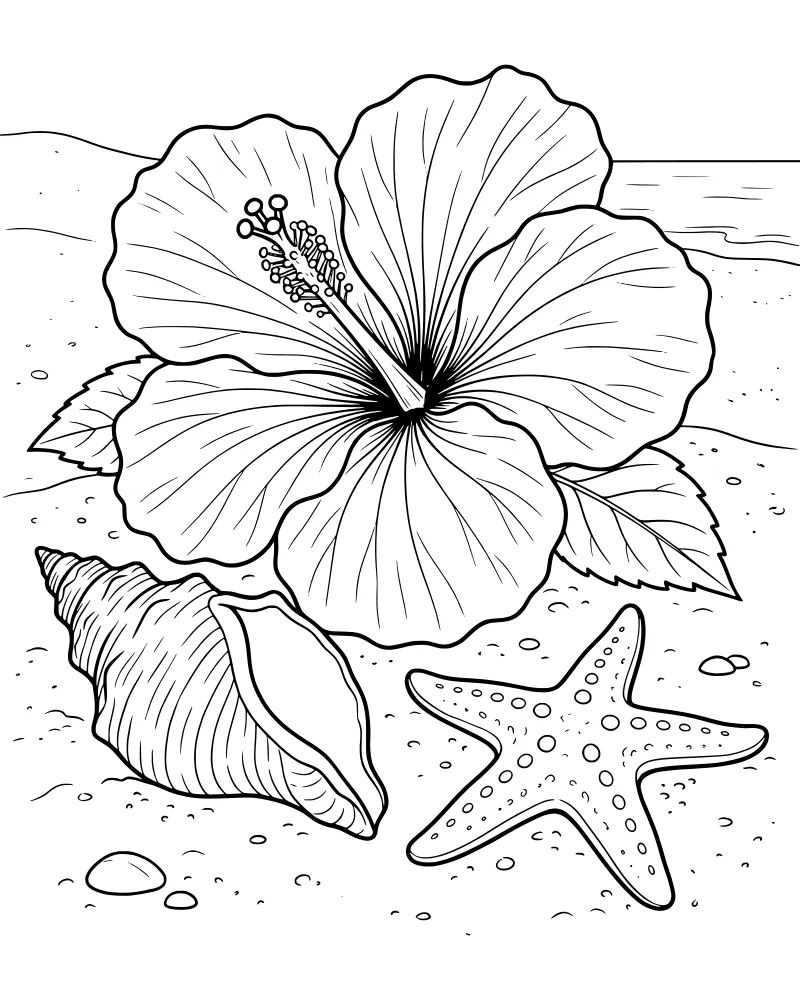
Tropical Hibiscus and Beach Treasures
Nature & Outdoors
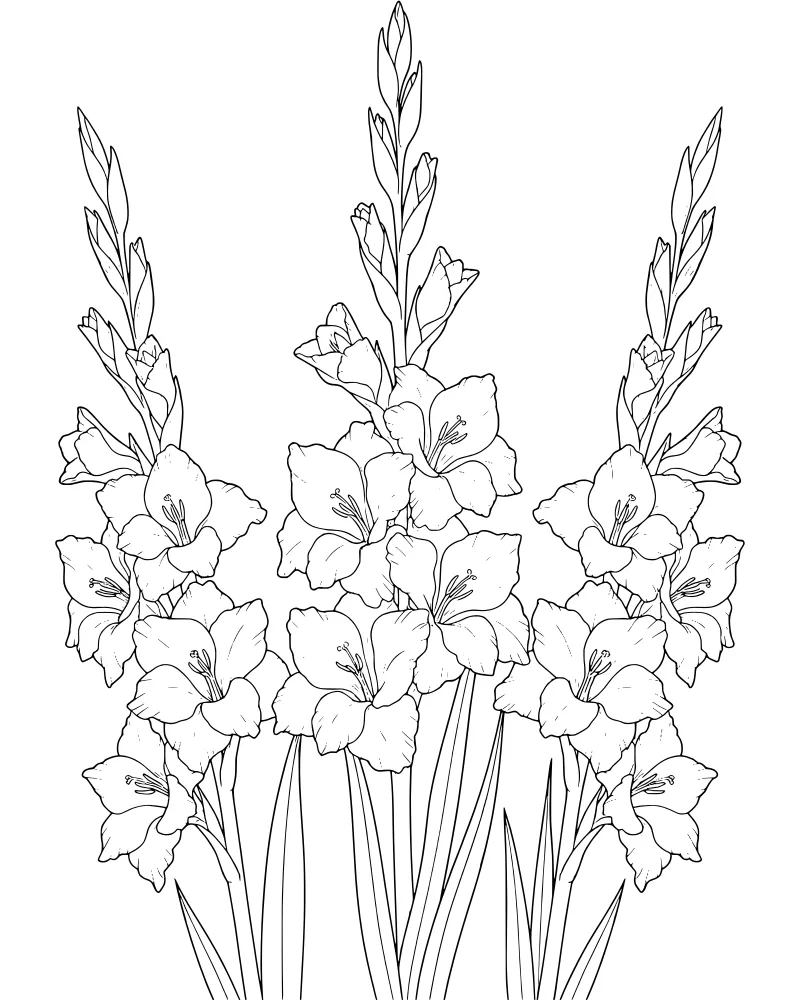
Tall Elegant Gladiolus Stalks
Nature & Outdoors
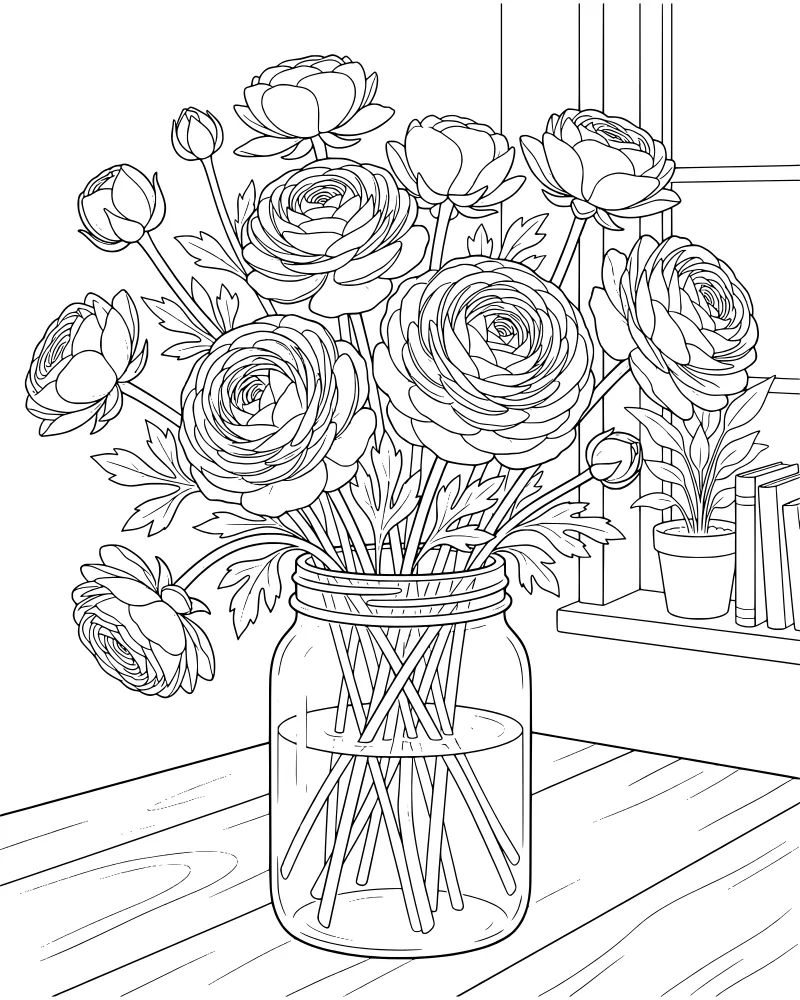
Ranunculus Bouquet in a Rustic Mason Jar
Nature & Outdoors
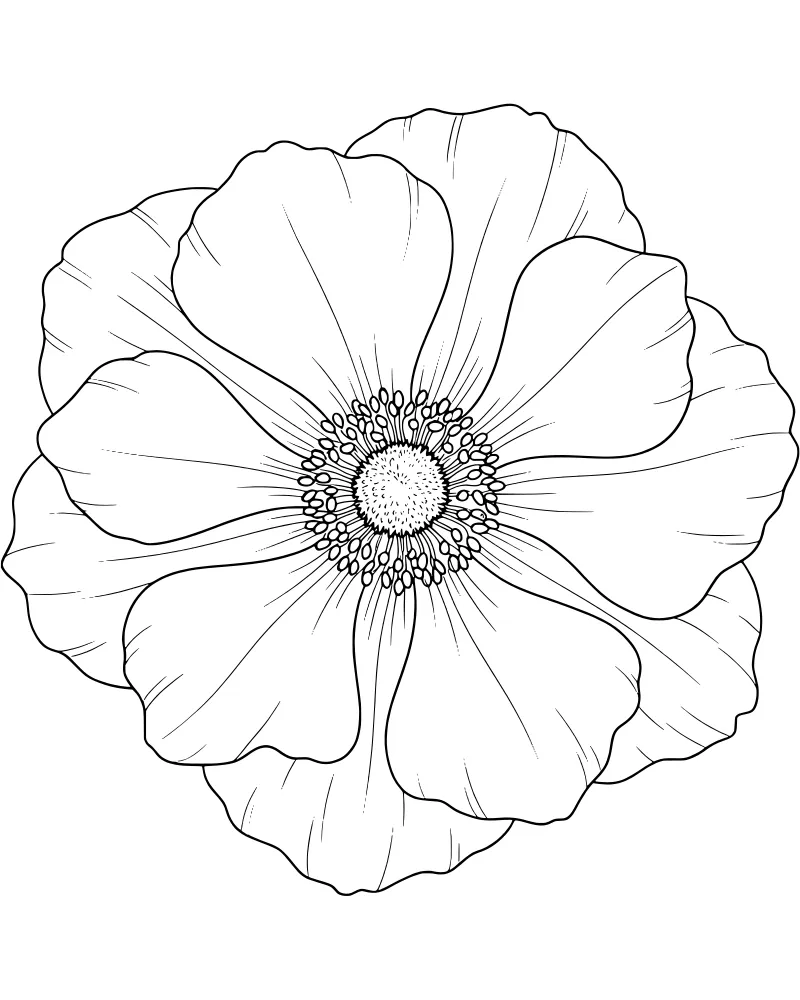
Elegant Anemone Flower Bloom
Nature & Outdoors
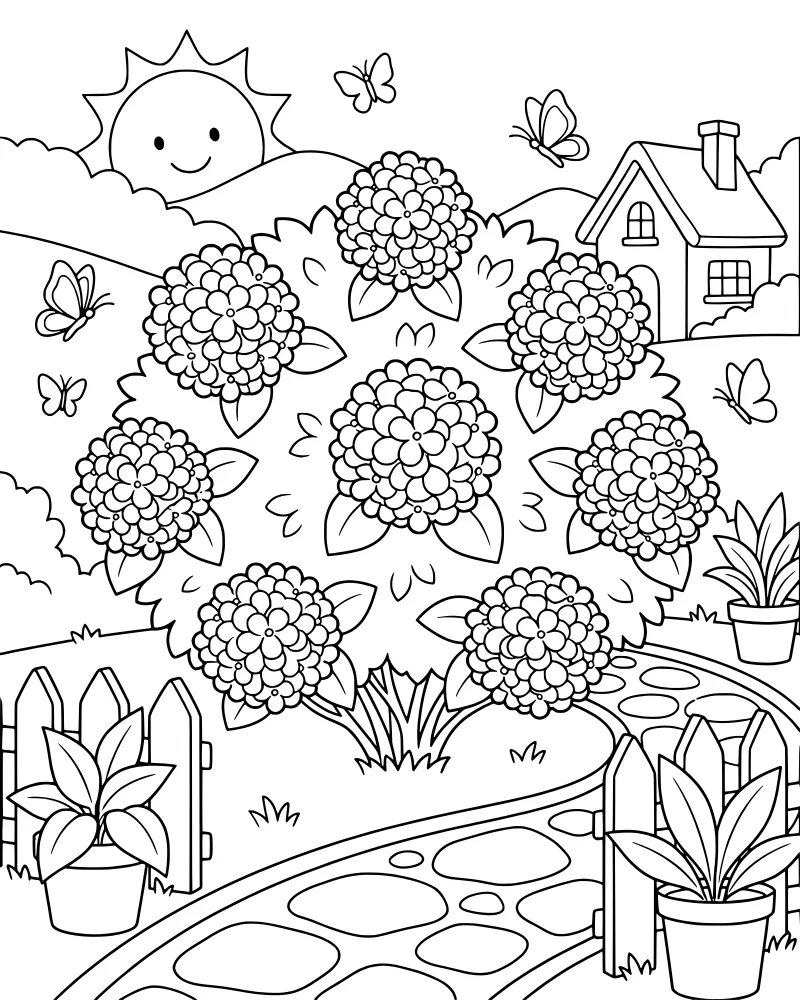
Hydrangeas in a Sunny Garden
Nature & Outdoors
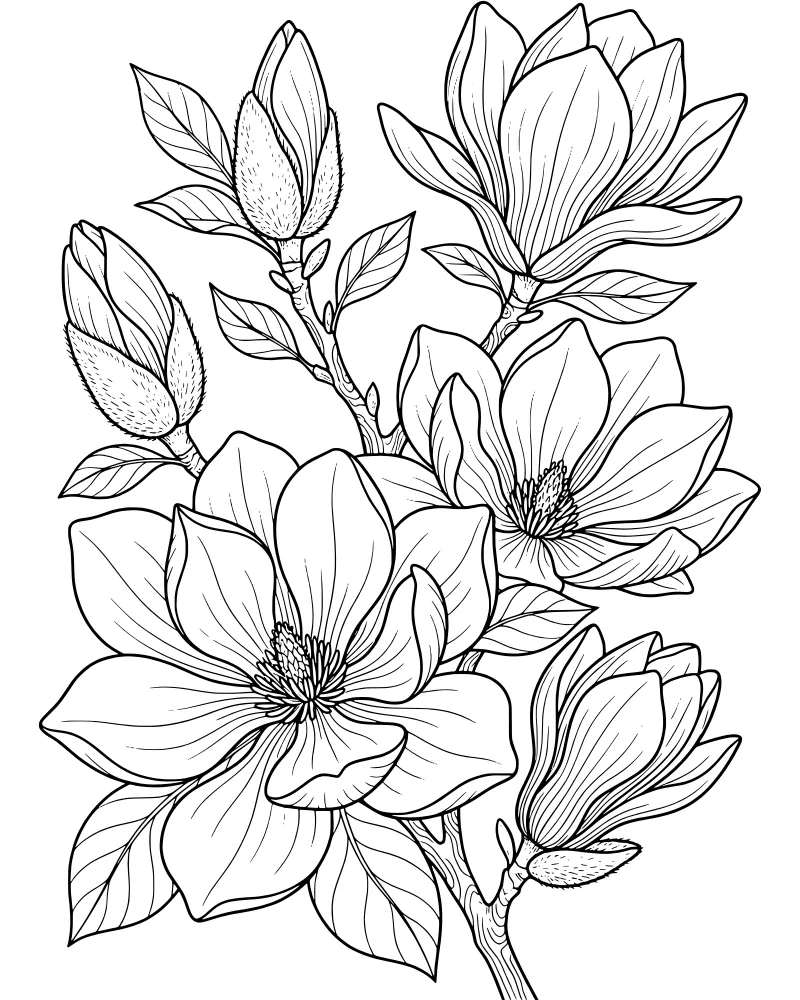
Elegant Magnolia Blossom Branch
Nature & Outdoors
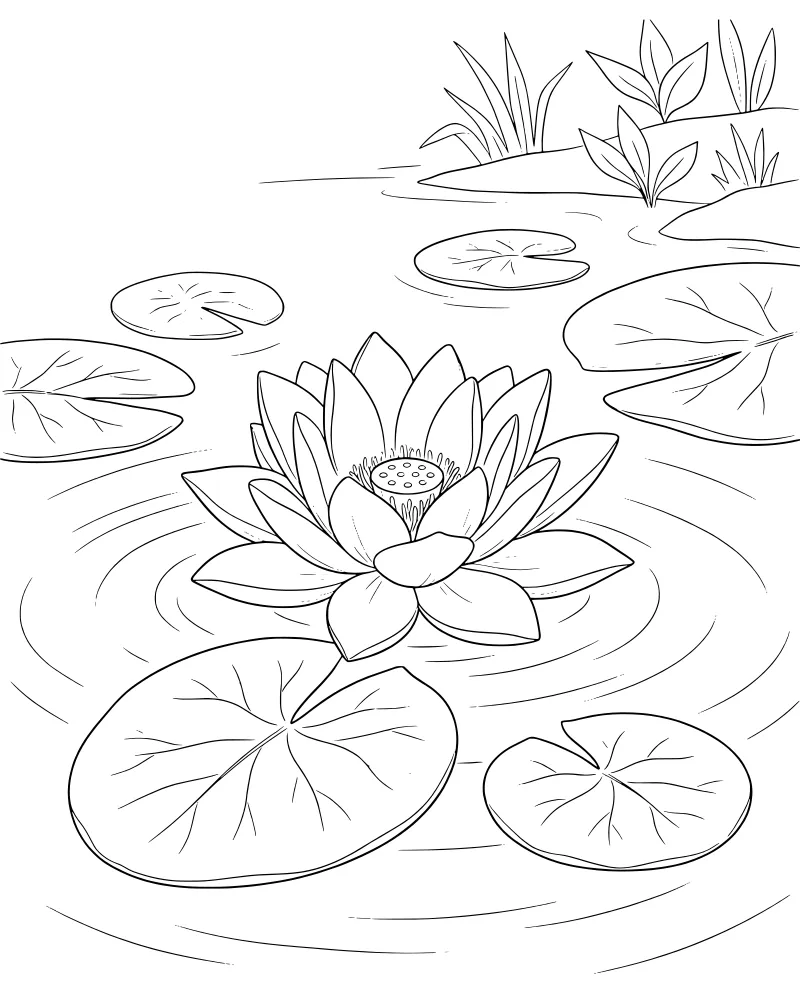
Peaceful Water Lily Pond Scene
Nature & Outdoors
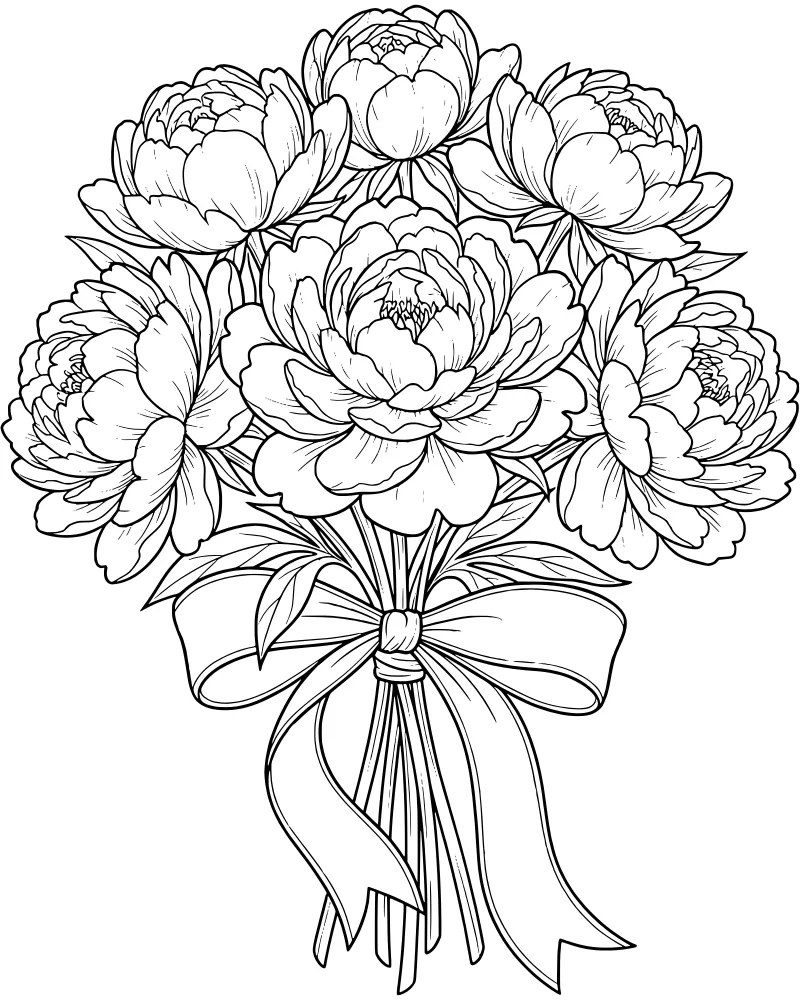
Peony Bouquet with Ribbon
Nature & Outdoors
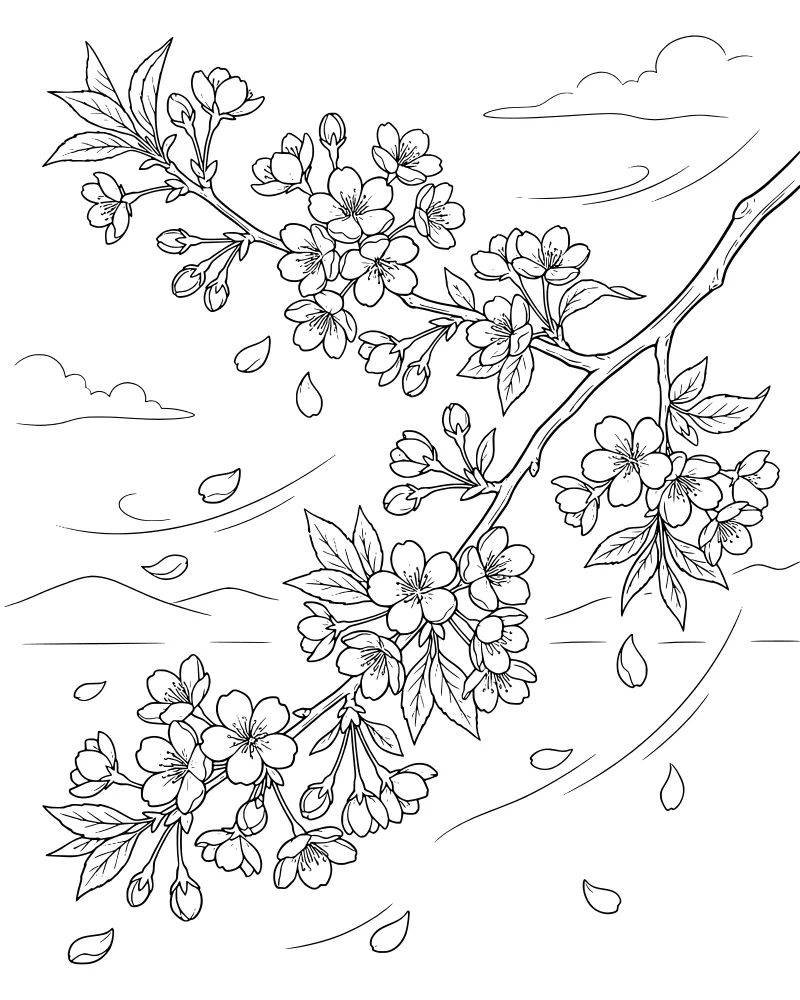
Spring Cherry Blossom Branch in Bloom
Nature & Outdoors
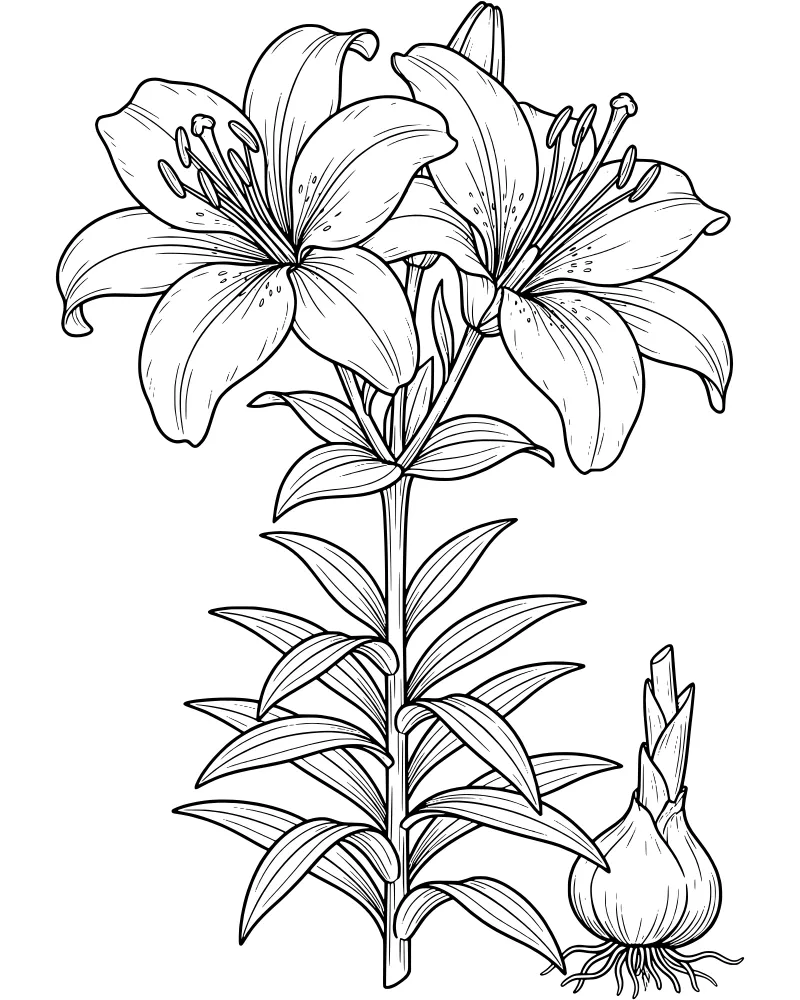
Botanical Lily Plant with Bulb
Nature & Outdoors
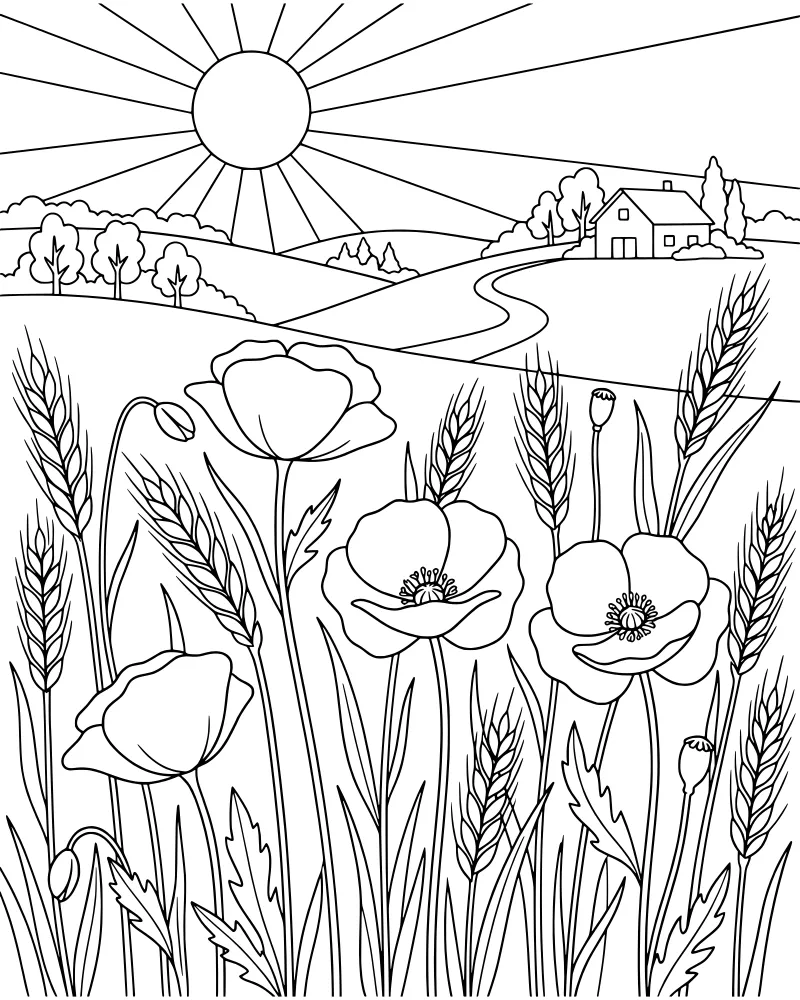
Sunny Farmhouse and Poppy Field
Nature & Outdoors
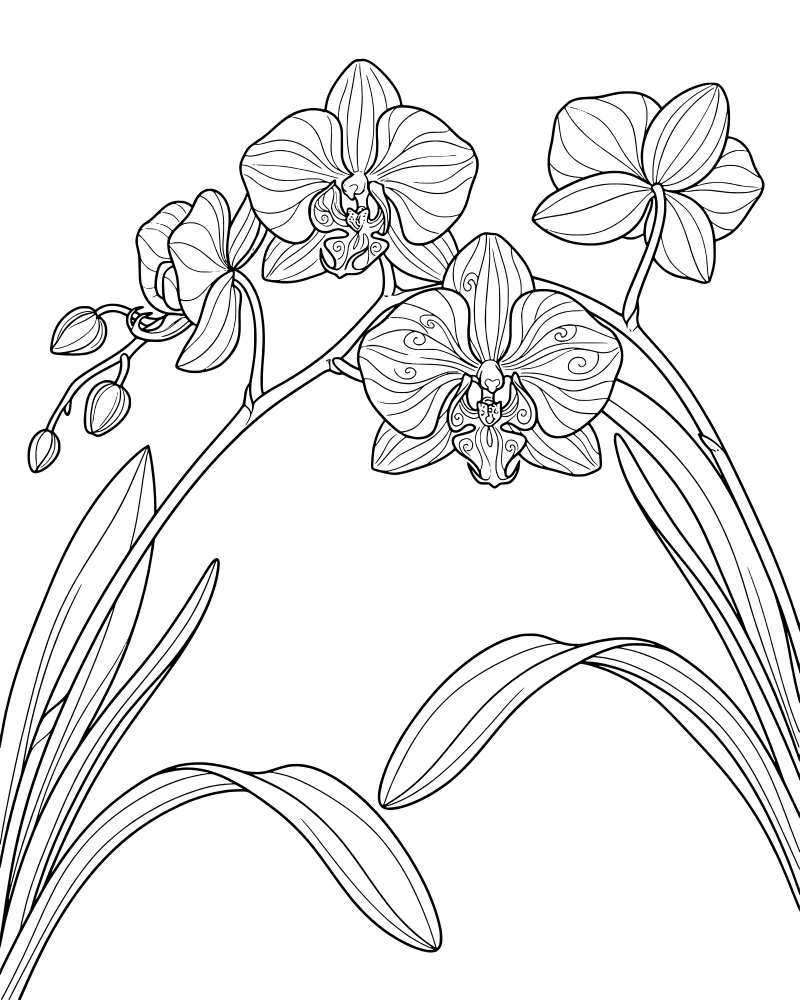
Elegant Tropical Orchid Branch
Nature & Outdoors
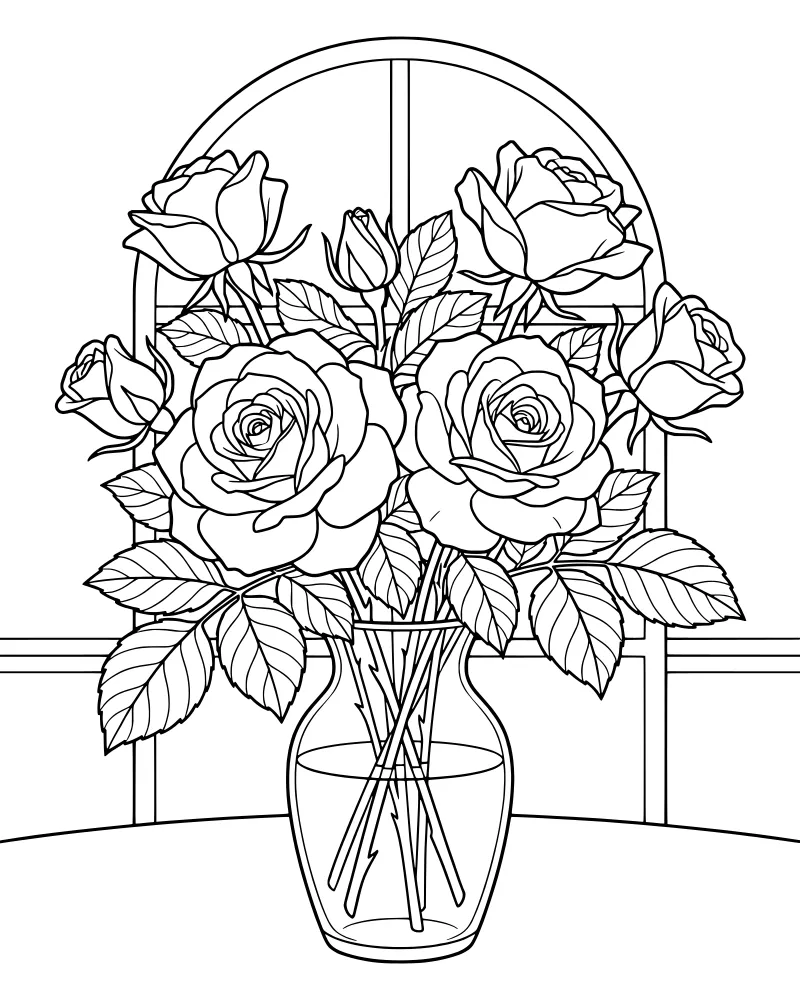
Realistic Roses in Glass Vase
Nature & Outdoors
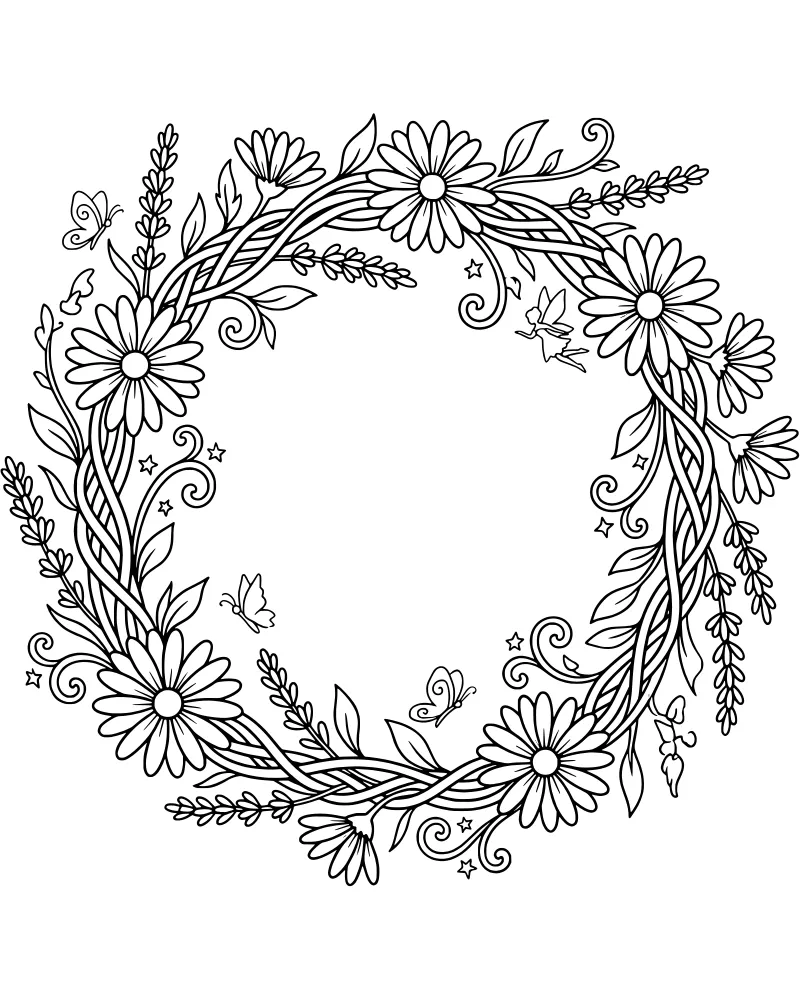
Whimsical Fairy and Floral Wreath
Fantasy & Mythology
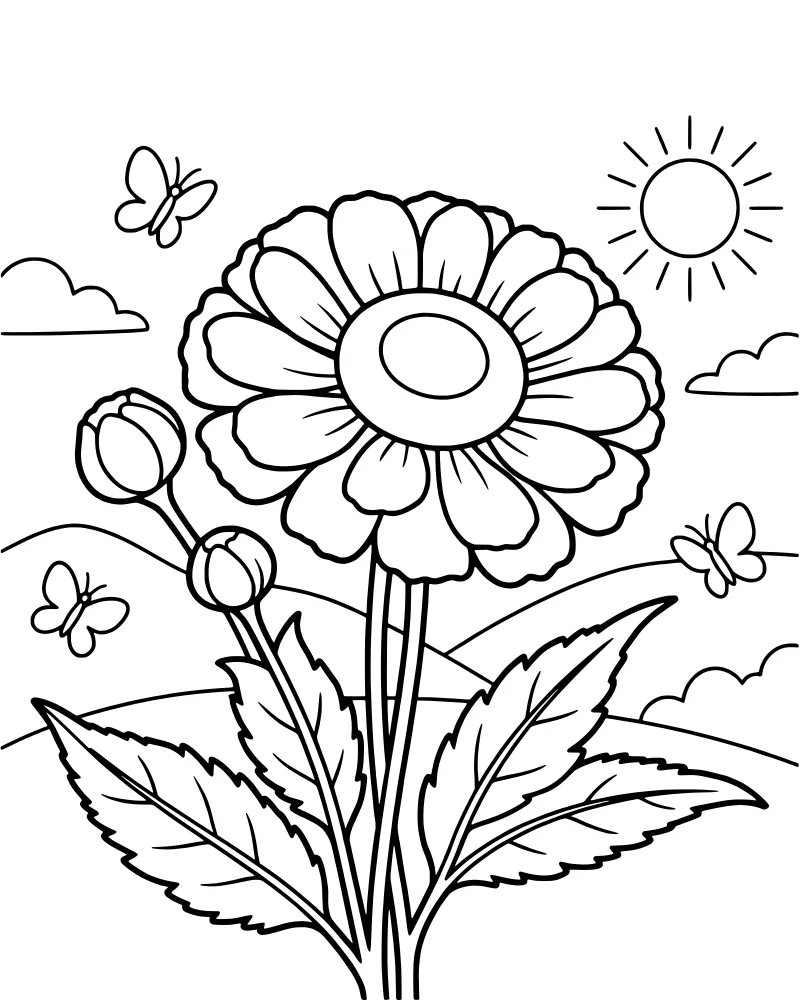
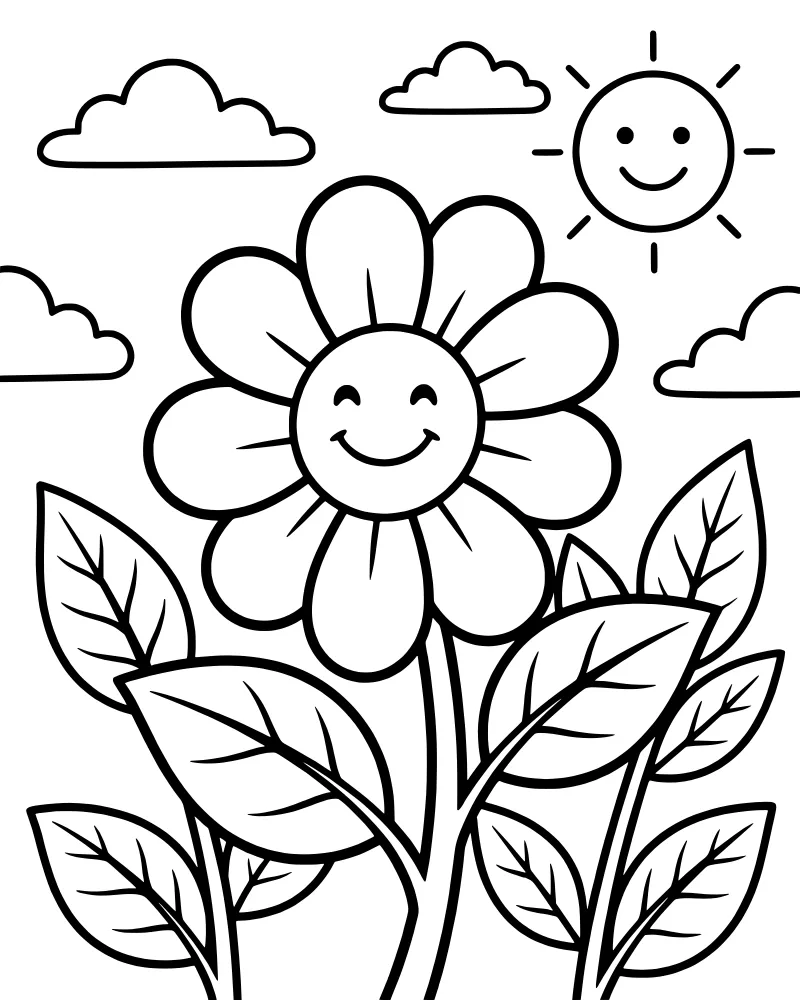
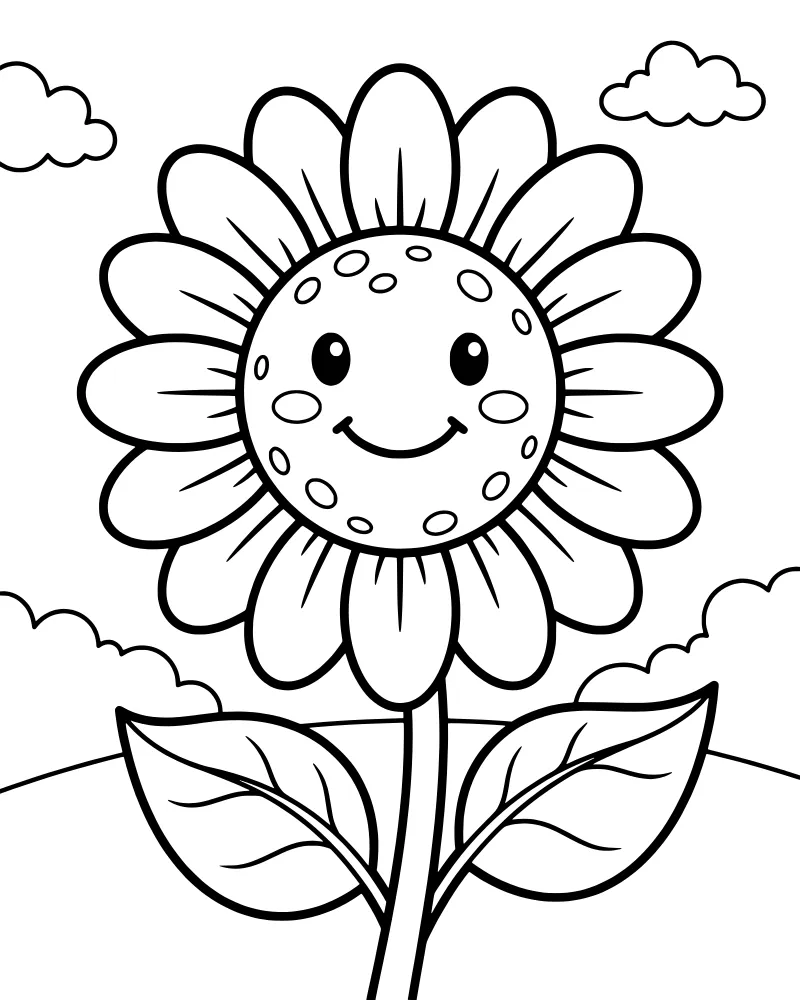
Happy Daisy in Sunny Meadow
Nature & Outdoors
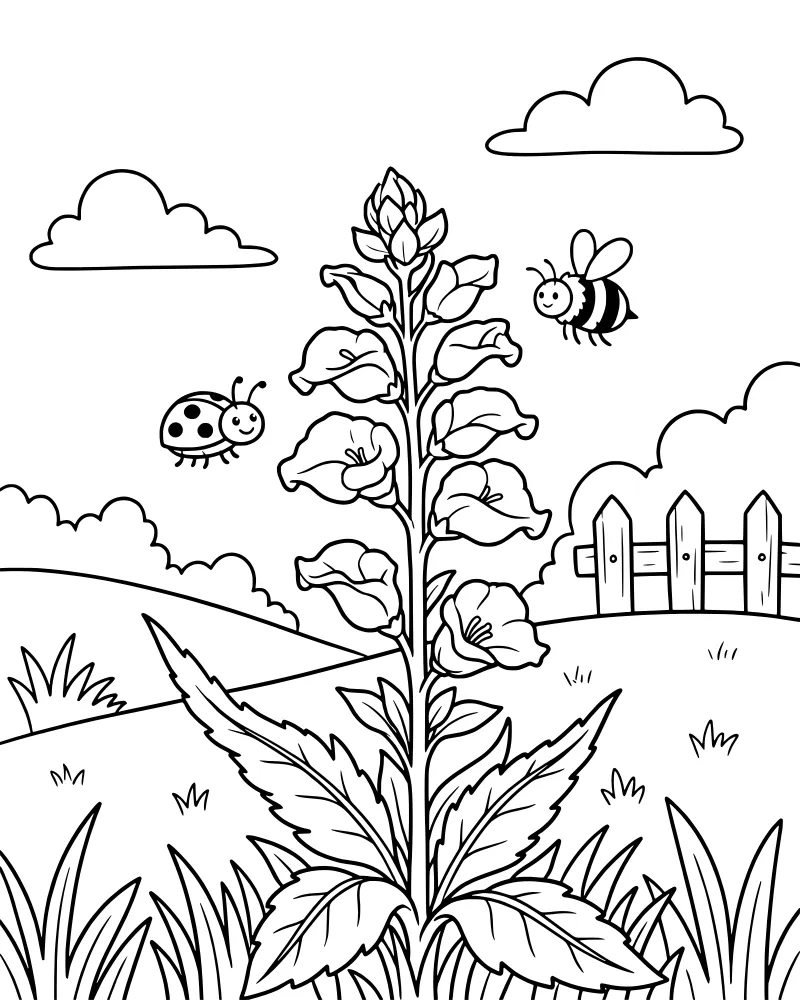
Foxglove Garden with Friendly Insects
Nature & Outdoors
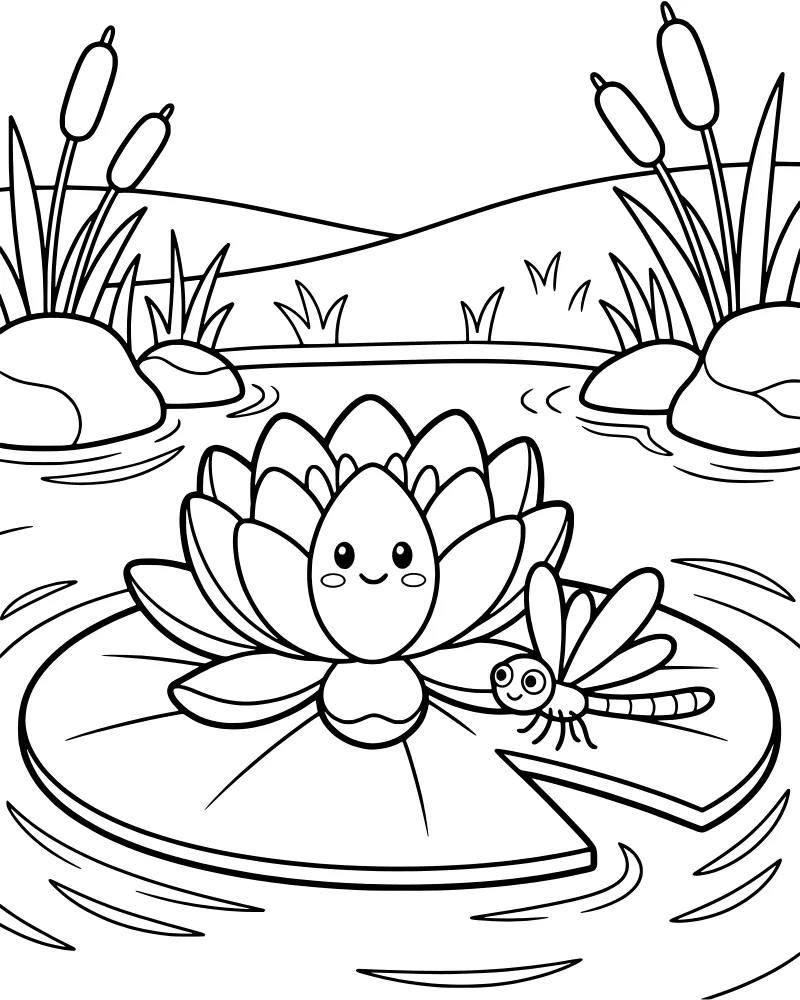
Happy Water Lily and Dragonfly Pond
Nature & Outdoors
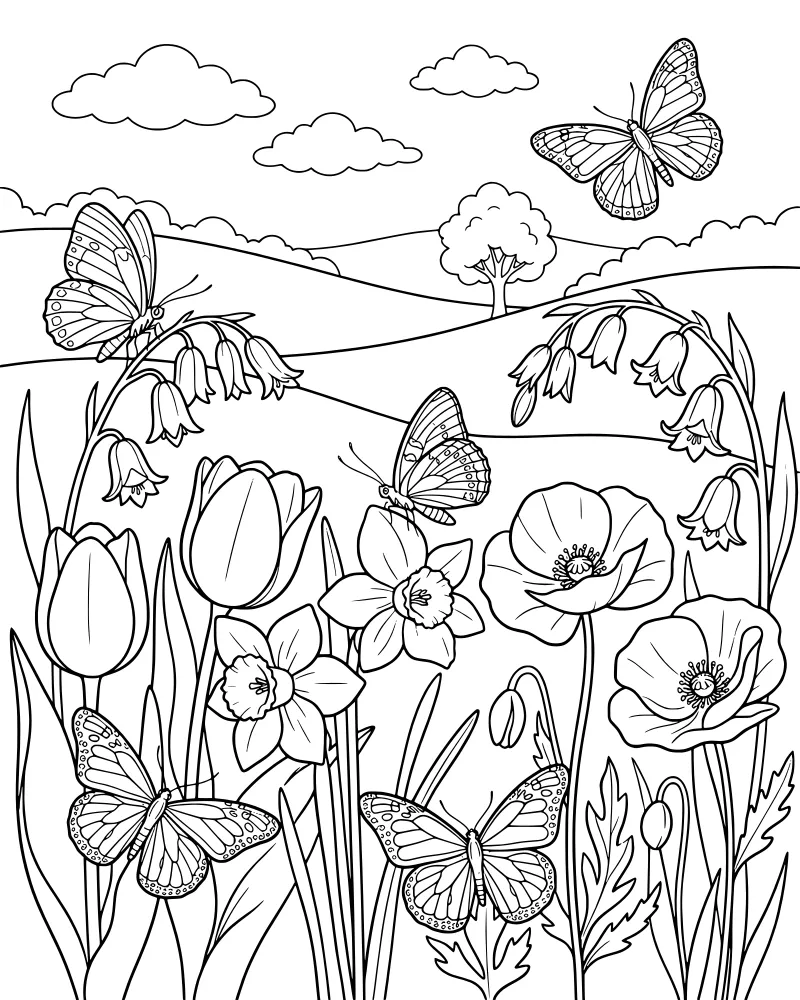
Sunny Meadow With Spring Flowers
Nature & Outdoors
About This Collection
Bring the beauty of a blooming garden indoors with our collection of flower coloring pages. Whether you prefer the delicate petals of a springtime tulip or the bold, sunny face of a summer sunflower, there is a botanical scene here for everyone. Coloring flowers is a wonderful way to slow down and enjoy the intricate patterns found in nature.
These pages offer a peaceful escape for artists of all ages. From simple outlines perfect for younger children to more detailed botanical illustrations for adults, you can find a variety of styles to suit your mood. Grab your favorite markers or pencils and help these floral designs come to life with a splash of color.
The Natural Beauty of Floral Art
Flowers have always been a favorite subject for artists because of their endless variety and natural symmetry. Every petal and leaf offers a new opportunity to experiment with shading and texture. When you color a floral scene, you are not just filling in shapes; you are celebrating the cycles of growth and the arrival of new seasons. A Sunny Meadow With Spring Flowers captures this perfectly, showing how different blooms interact with butterflies and the landscape to create a harmonious environment.
Working on these designs helps children learn about the environment while adults find a sense of calm. The repetitive nature of coloring petals can be quite meditative, allowing the mind to rest after a busy day. It is a chance to observe the tiny details that make each plant unique, from the way a stem curves to the delicate veins in a leaf. By focusing on these small elements, you can create a piece of art that feels both personal and grounded in the natural world.
Discovering Different Flower Species
Our collection features a wide range of species that grow all over the world. You might find yourself drawn to the classic elegance of a rose or the tropical charm of an orchid. Each flower has its own personality and structure. For instance, a Realistic Roses in Glass Vase provides a more traditional still-life experience, focusing on the way light hits the petals and the transparency of the water in the container. This variety allows you to explore different artistic techniques, such as blending colors for a soft petal look or using sharp lines for thorns and stems.
Beyond the classics, you can explore unique shapes like the tall stalks of foxgloves or the intricate layers of a dahlia. Learning to identify these flowers through coloring is a fun educational activity for the whole family. You can discuss where these plants grow, what time of year they bloom, and which insects, like bees and butterflies, like to visit them. This connection to the real world makes the artistic process even more meaningful and helps build an appreciation for local gardens and wild meadows.
Choosing the Perfect Color Palette
One of the best things about coloring flowers is that there are no wrong choices. You can stick to realistic colors, like deep reds for roses and bright yellows for daffodils, or you can create a fantasy garden with blue leaves and purple stems. If you want a harmonious look, try using analogous colors—those that sit next to each other on the color wheel, like pink, red, and orange. This creates a warm, sunset-like feel for your floral arrangements that is very pleasing to the eye.
For a more striking effect, consider using complementary colors. Pairing a purple iris with a yellow background makes the flower pop off the page with vibrant energy. If you are working on a Hello Spring Floral Wreath, you might choose a pastel palette of soft mint greens, pale pinks, and light lavenders to reflect the gentle energy of the season. Experimenting with different mediums like watercolors, markers, or colored pencils can also change the mood of your artwork, adding depth and softness where needed to mimic the texture of real blossoms.
Creative Activities and Printing Tips
Once you have finished coloring your floral masterpieces, there are many ways to display them or share them with others. A beautifully colored page makes a thoughtful, handmade gift for a friend or family member. You can trim the edges and mount the artwork on a piece of cardstock to create a personalized greeting card for birthdays or thank-you notes. This adds a special touch that store-bought cards simply cannot match.
Another fun idea is to create a rotating art gallery on your refrigerator or a dedicated wall in your home. Since flowers never go out of style, these pages can brighten up any room throughout the year, even when it is cold outside. You can even use them as part of a nature journal, adding notes about when you see these flowers blooming in your own neighborhood. When printing your pages, using a slightly heavier paper can help if you plan to use markers or light washes of paint, ensuring your garden stays vibrant and the paper remains crisp for display.