Explore the deep blue sea with free ocean coloring pages. Featuring sharks, whales, dolphins, and coral reefs for kids and adults to enjoy at home.
Ocean Coloring Pages
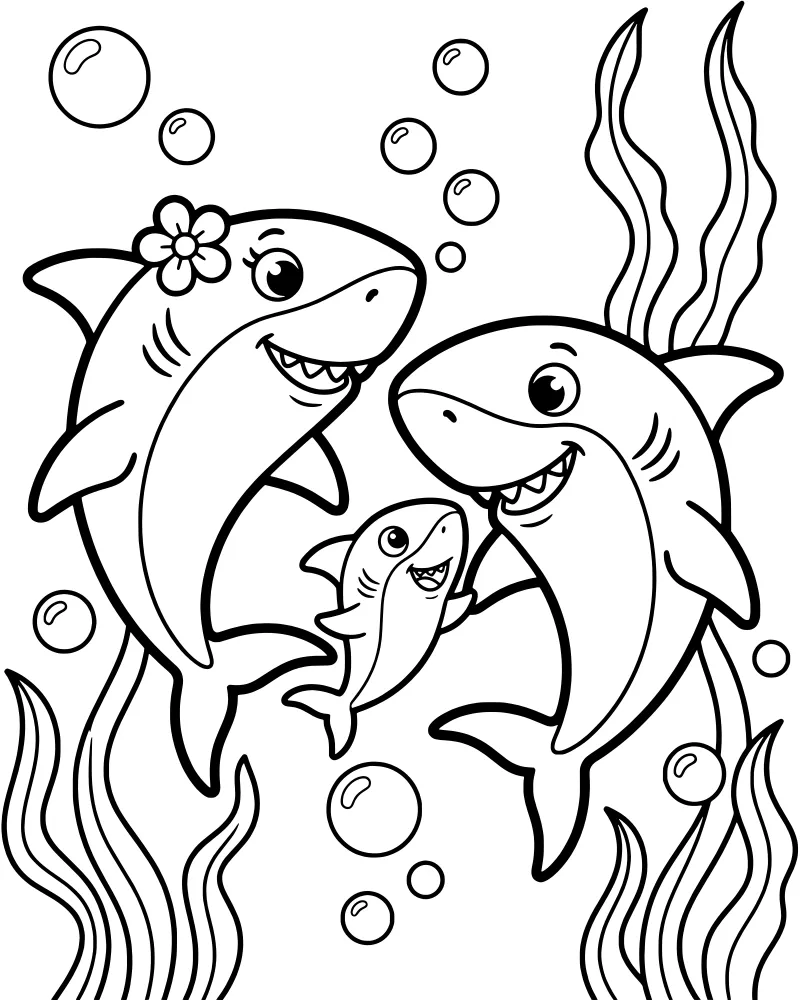
Friendly Cartoon Shark Under the Sea
Ocean & Sea Life
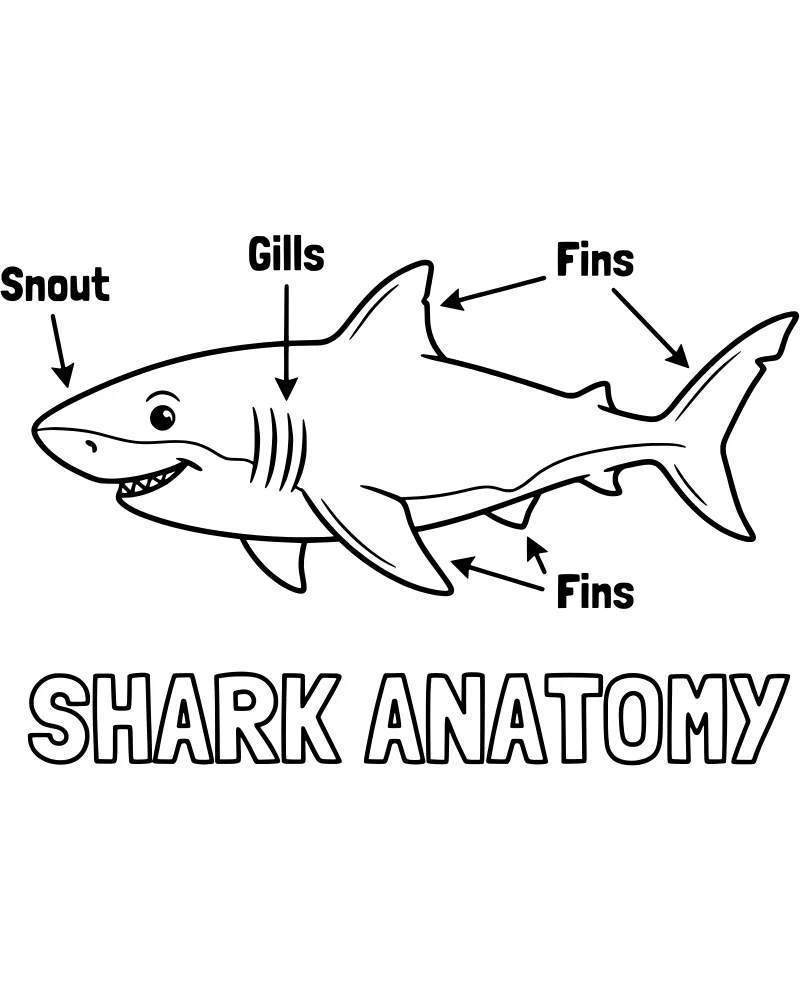
Shark Anatomy Diagram for Kids
Educational
Shark Fin and Midnight Moon
Ocean & Sea Life
Happy Birthday Shark with Cupcake
Ocean & Sea Life
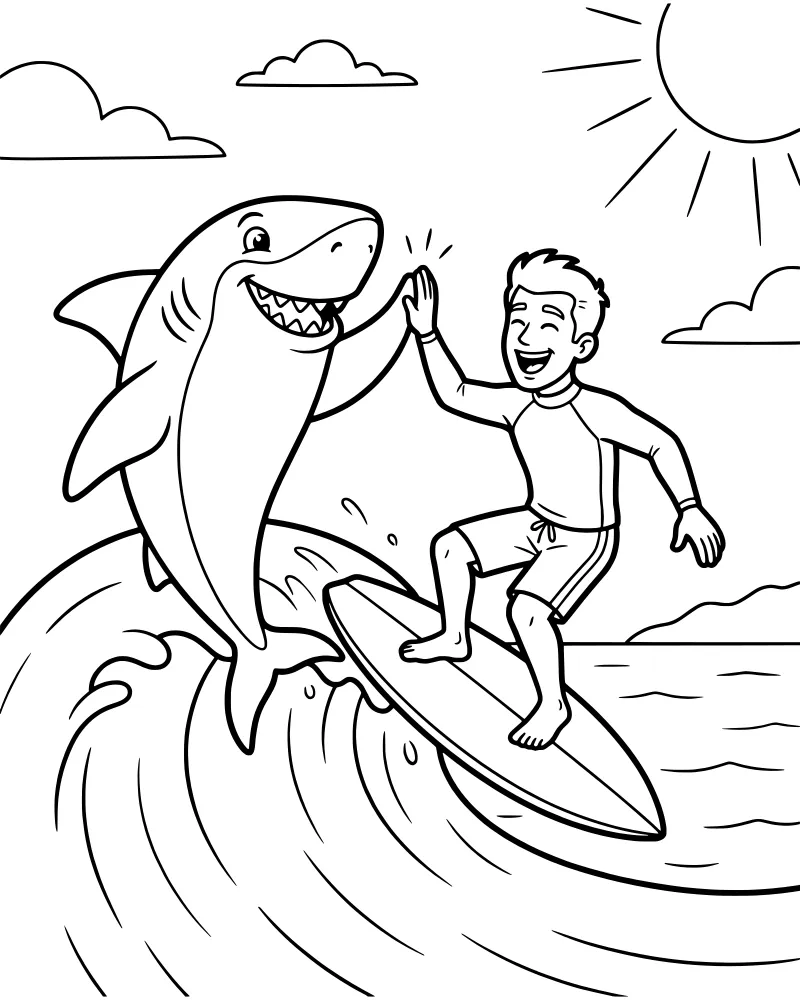
Shark and Surfer High Five
Ocean & Sea Life
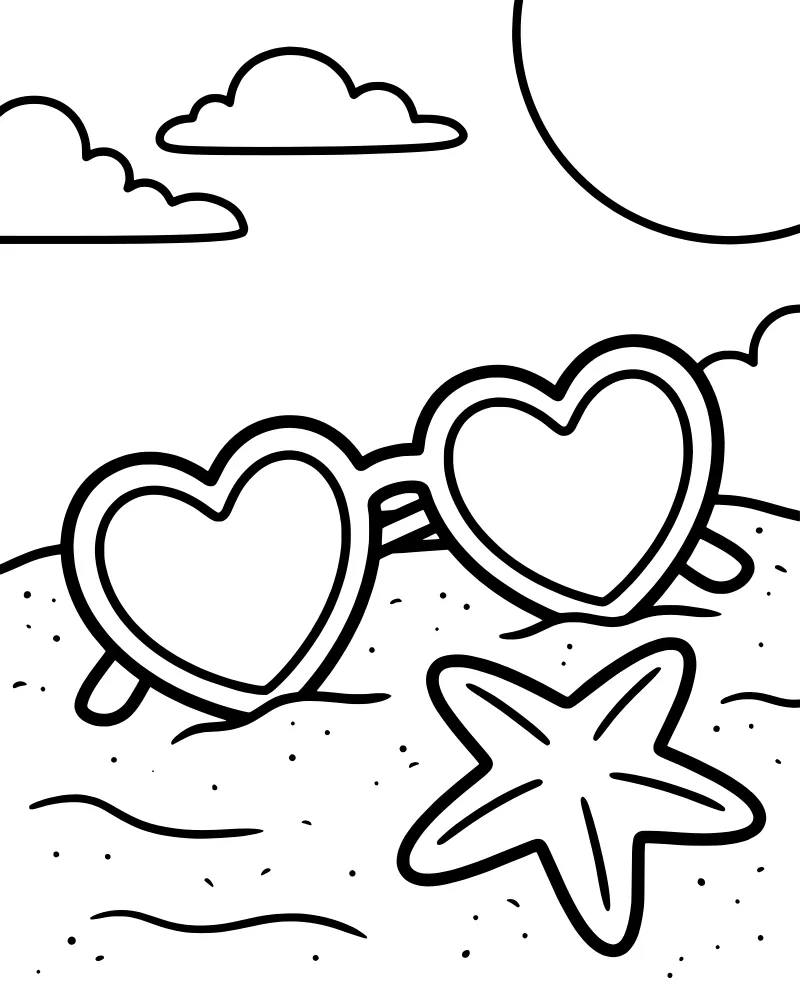
Heart Sunglasses and Starfish on the Beach
Nature & Outdoors
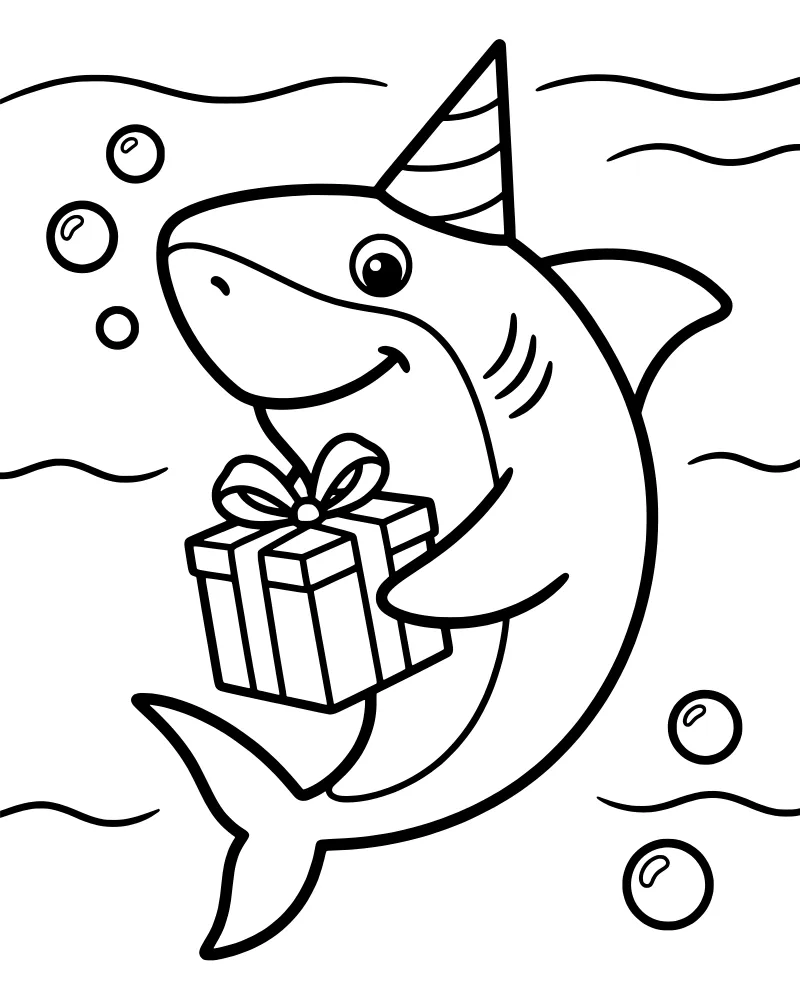
Happy Shark Birthday Celebration
Ocean & Sea Life
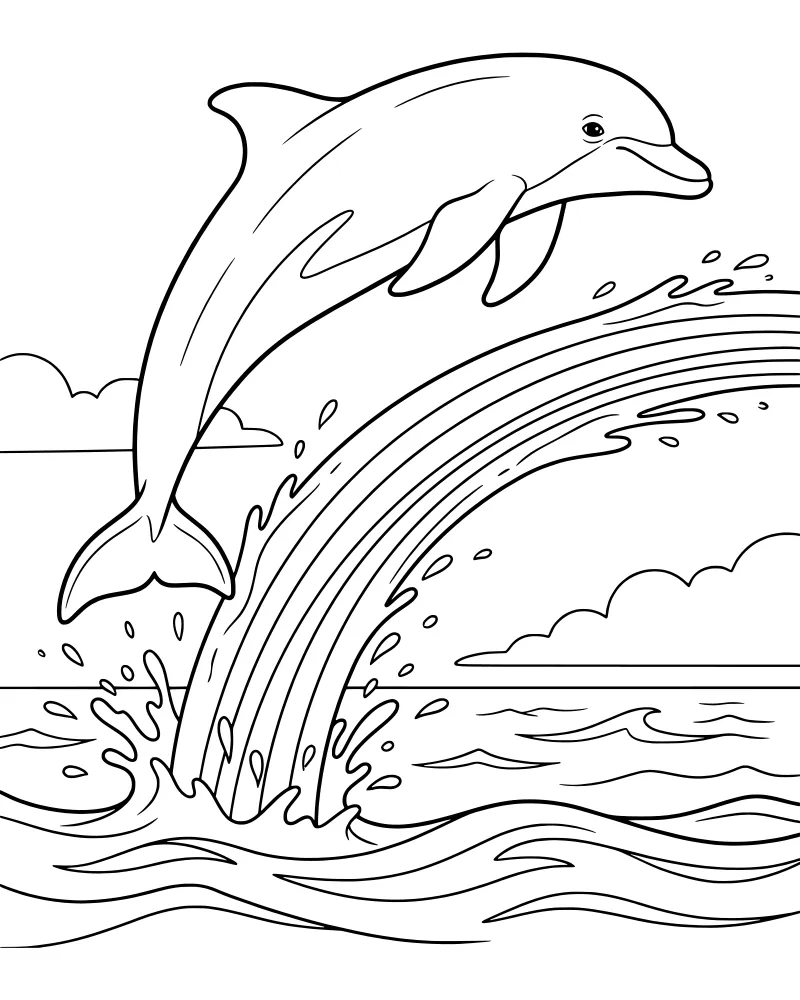
Playful Leaping Dolphin in the Ocean
Ocean & Sea Life
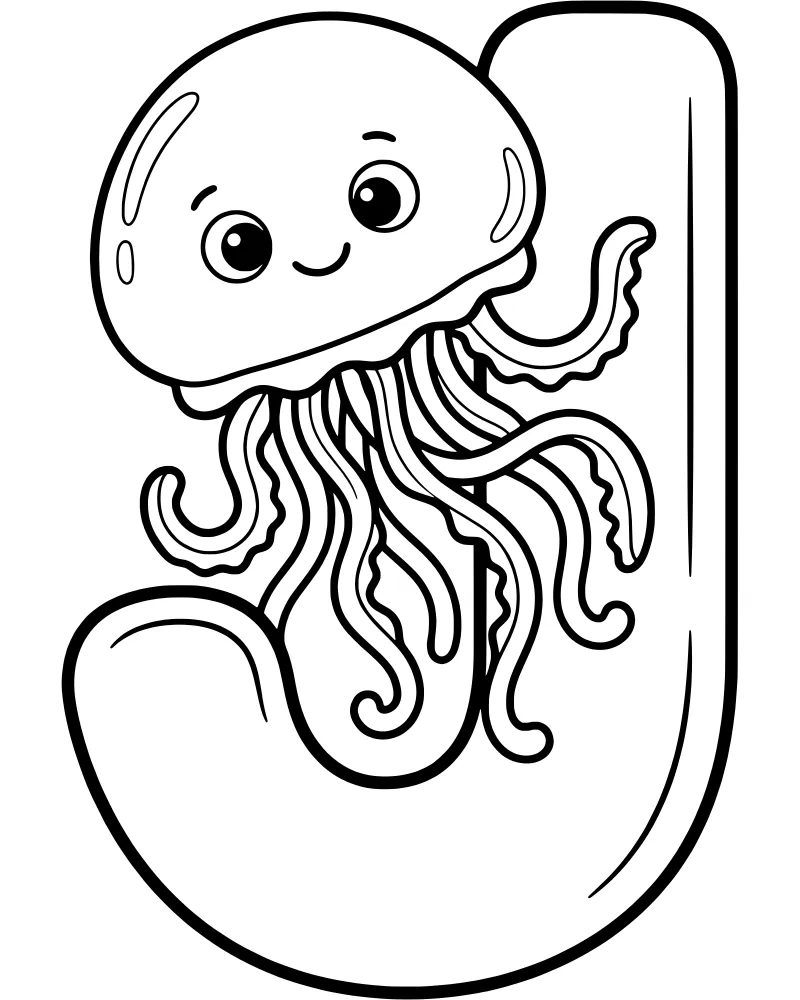
Playful Jellyfish Floating with Letter J
Educational
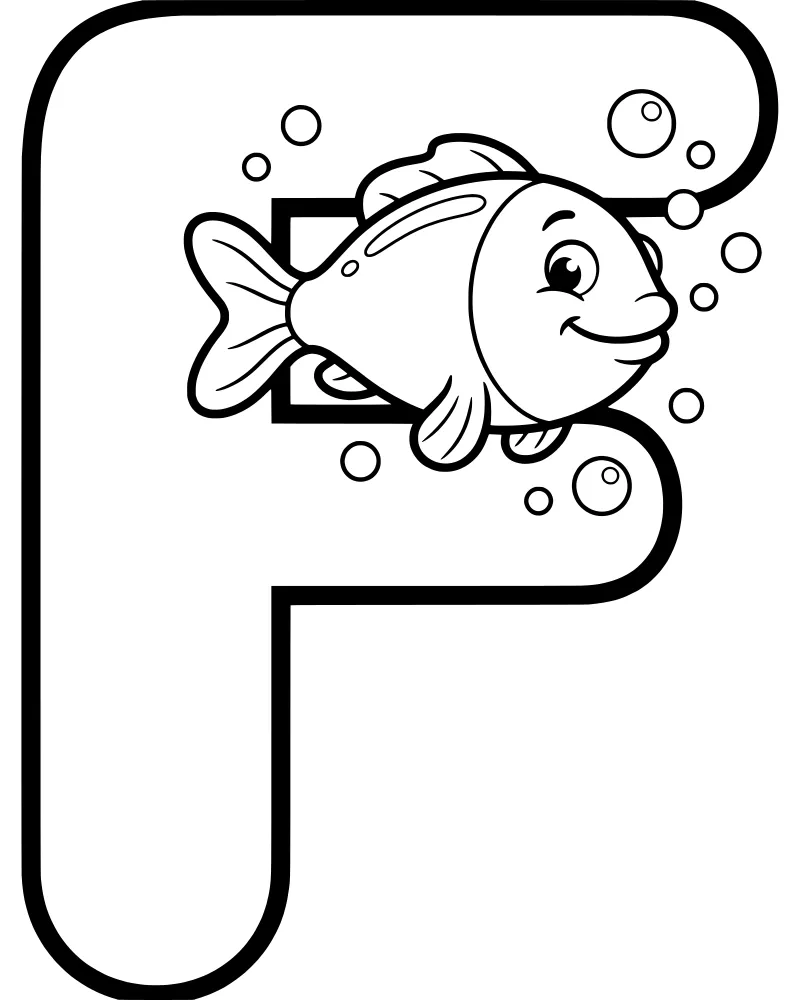
Playful Letter F and Little Fish
Educational
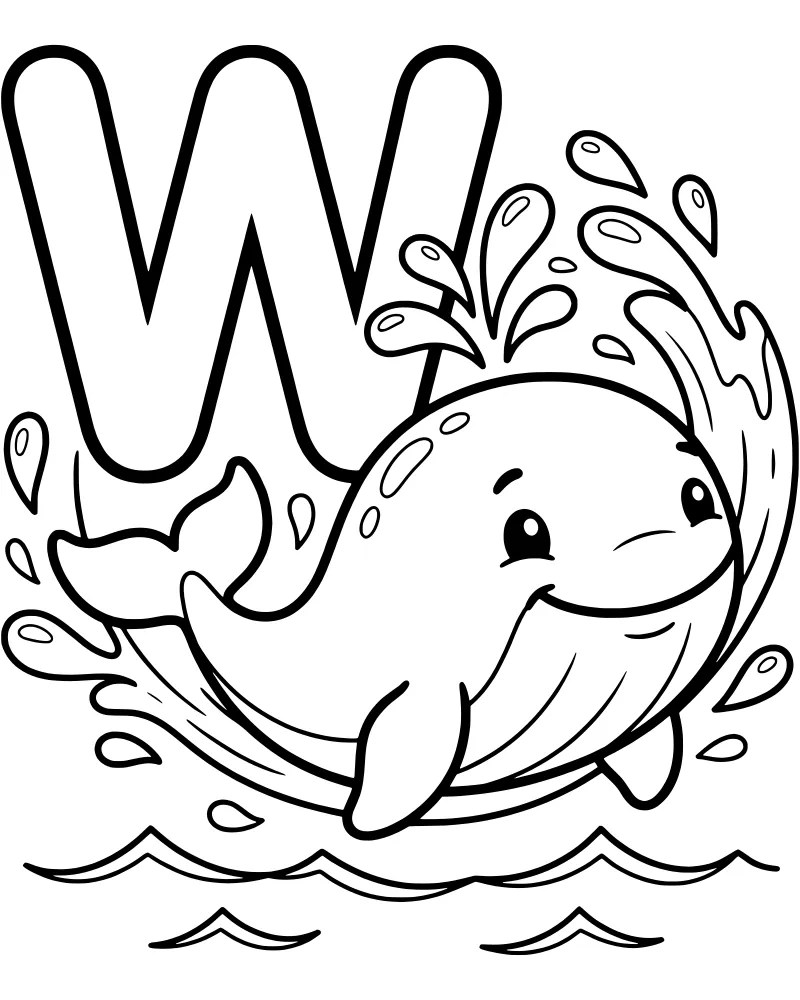
Whale and Letter W Alphabet
Educational
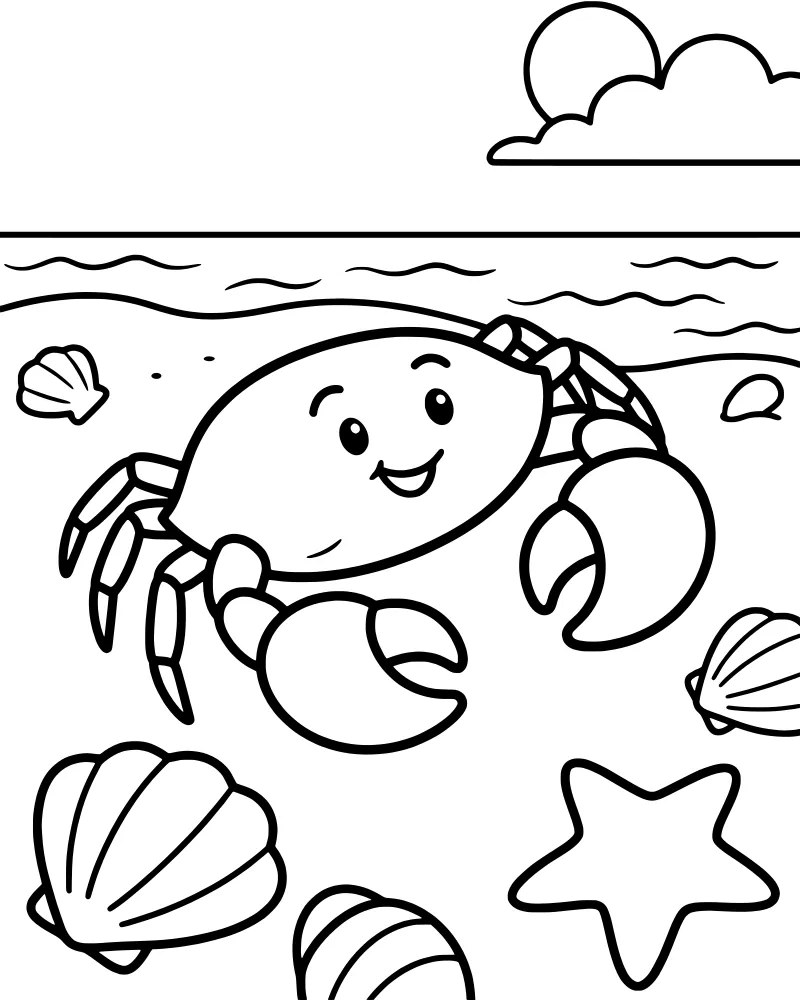
Cheerful Crab Relaxing on the Beach
Ocean & Sea Life
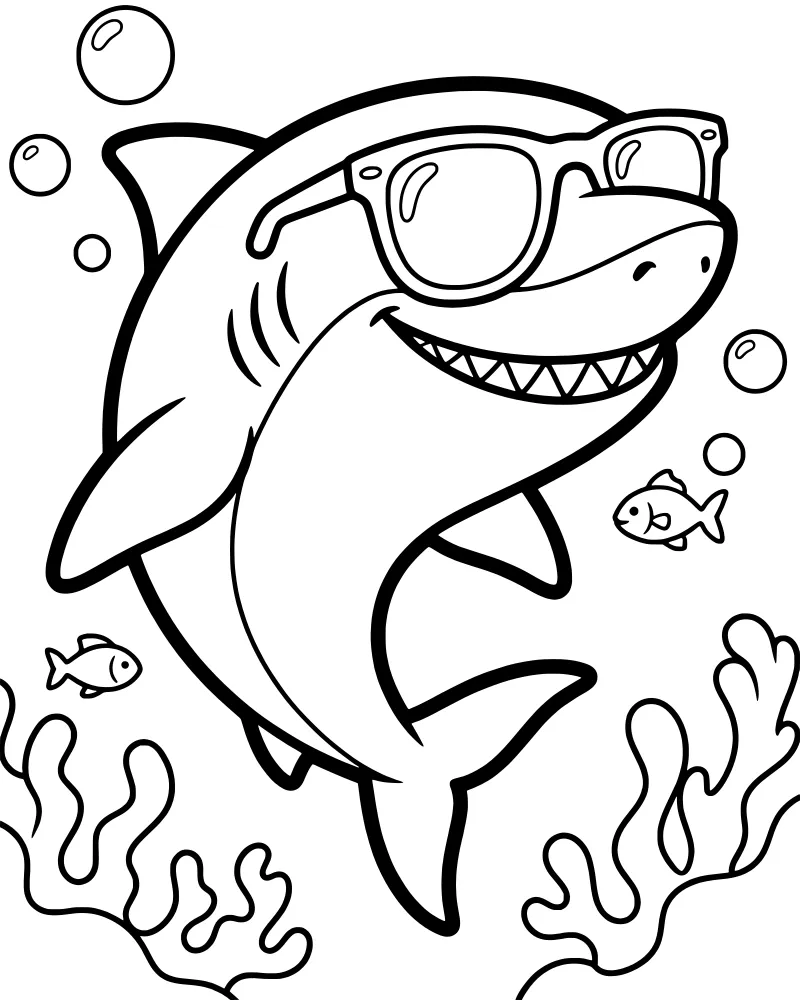
Cool Shark with Sunglasses Underwater
Ocean & Sea Life
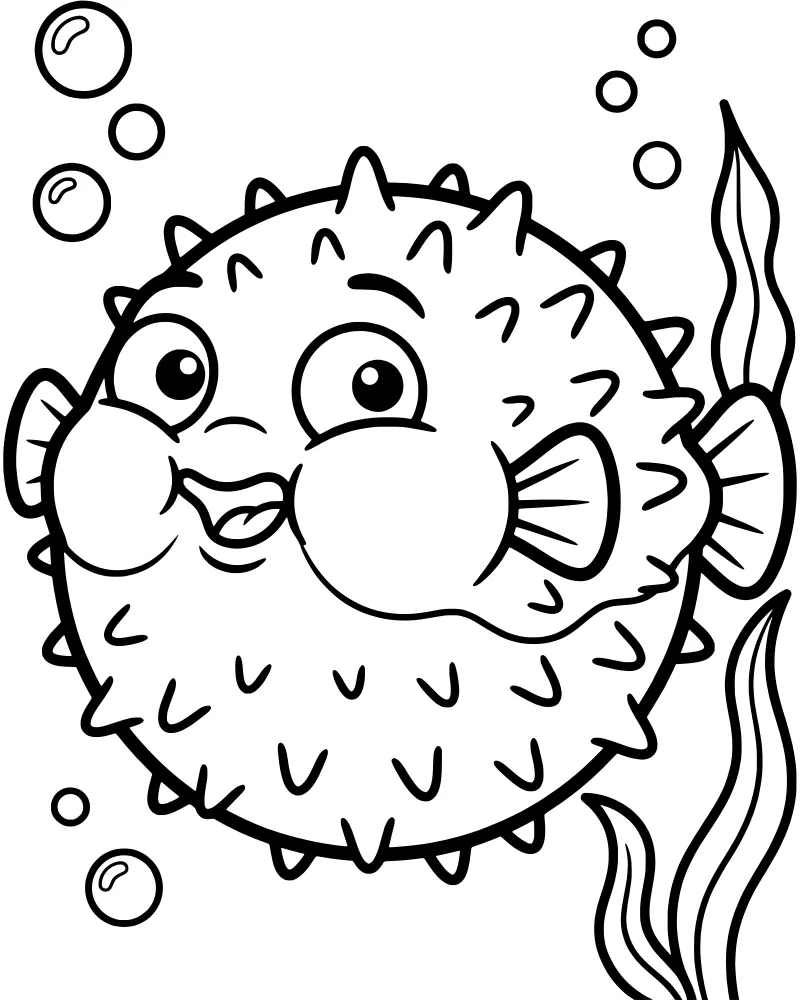
Playful Round Pufferfish Underwater
Ocean & Sea Life
About This Collection
The vast blue sea is home to some of the most fascinating creatures on our planet. From the tiny, brightly colored inhabitants of tropical reefs to the massive mammals that travel across entire oceans, there is always something new to discover beneath the waves. Coloring these scenes provides a wonderful way for children and adults alike to connect with nature while enjoying a peaceful, artistic activity.
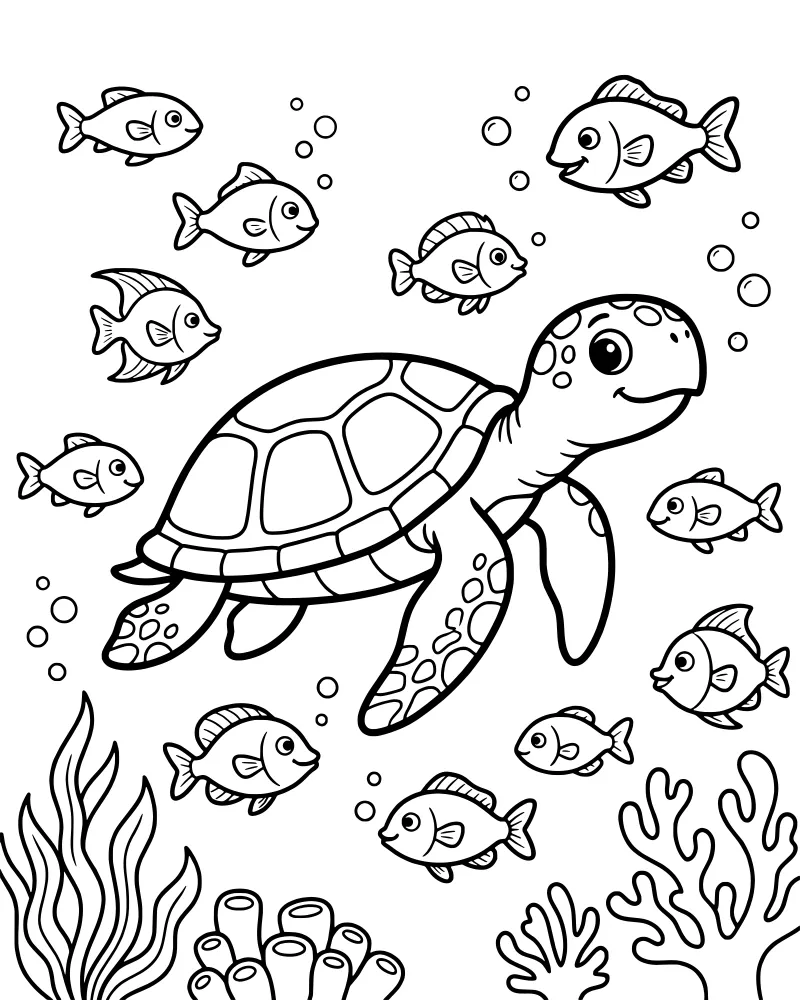
These pages offer a window into a world of shimmering water and vibrant coral. Whether you prefer the gentle movement of a sea turtle or the powerful splash of a whale, you can find a scene that sparks interest. Grab your favorite shades of blue, green, and turquoise as we explore the incredible diversity of life found in our Earth's oceans.
Exploring the Wonders of Marine Life
The ocean is a complex ecosystem filled with layers of life, each unique and essential. Near the surface, sunlight filters through the water, creating a bright environment where dolphins leap and sea turtles glide. These animals are often the first ones children learn about because of their friendly appearances and graceful movements. As you move deeper, the environment changes, revealing intricate structures like coral reefs that act as underwater cities for thousands of species.
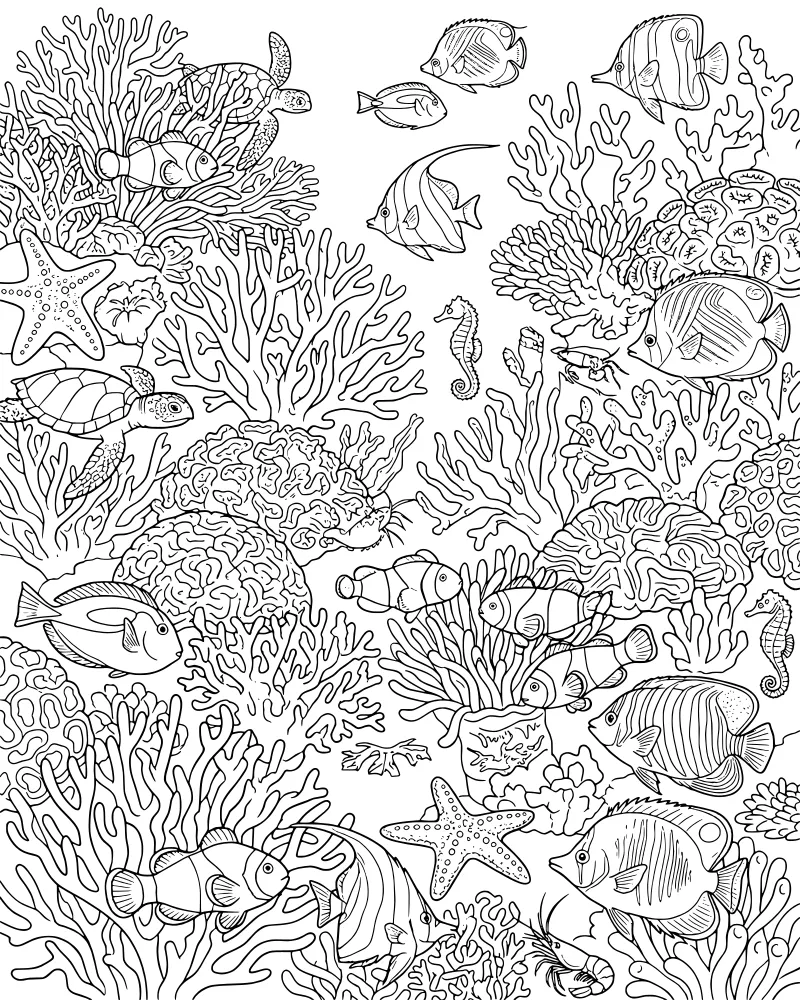
A Busy Coral Reef Under the Sea captures this sense of community perfectly, showing how different animals live together in harmony. You might find a tiny clownfish hiding in an anemone or a slow-moving starfish resting on a rock. Coloring these detailed scenes helps develop an appreciation for the delicate balance of nature. It encourages observers to look closely at the small details, like the texture of a shell or the pattern on a fish’s scales, making the artistic process both fun and informative.
Educational Fun with Sea Creatures
For younger learners, the ocean provides a fantastic backdrop for practicing basic skills like letter recognition and fine motor control. Combining animals with alphabet letters makes the learning process feel like a game rather than a chore. When a child colors a specific animal associated with a letter, they form a visual and tactile connection that helps with memory retention. It is a simple yet effective way to introduce marine biology alongside literacy.
Using a page like the Playful Letter F and Little Fish allows toddlers and preschoolers to focus on a single subject while learning about the world around them. These simpler designs are perfect for little hands that are still mastering the art of staying within the lines. Beyond the alphabet, these pages can spark conversations about what fish eat, how they breathe underwater, and why the ocean is so important to our planet. It turns a quiet afternoon of coloring into a meaningful educational experience.
Choosing Your Underwater Color Palette
While the ocean is often associated with the color blue, a truly vibrant underwater scene uses a full spectrum of hues. For the water itself, consider layering different shades like teal, aquamarine, and deep navy to create a sense of depth. The surface might be a light, sparkling cyan, while the deeper areas require darker tones to represent the lack of sunlight. Adding hints of white or very light grey for bubbles and sea foam can make the water look like it is actually moving.
When it comes to the animals, you have the freedom to be as realistic or as whimsical as you like. A Cool Shark with Sunglasses Underwater is a great example of where you can use bold, unexpected colors to give a character personality. While a real shark might be grey or white, a cartoon version could be bright blue or even purple. For coral reefs, don't be afraid to use neon pinks, oranges, and yellows. These bright pops of color against a cool blue background make the artwork stand out and feel full of energy.
Creative Activities and Printing Tips
Once you have finished coloring your ocean scenes, there are many ways to extend the fun. You could cut out the individual fish and plants to create a 3D diorama inside a shoebox, or string them together to make a marine-themed mobile for a bedroom. If you are printing these pages for a classroom or a birthday party, using a slightly heavier weight of paper can help prevent markers from bleeding through and makes the final artwork feel more substantial.
To get the best results when printing, ensure your printer settings are set to high quality and that the image is scaled to fit the page. If you plan on using watercolors, printing on cardstock is highly recommended to prevent the paper from warping. These pages are designed to be accessible and easy to print so that you can start your artistic journey immediately. Sharing the finished pieces on a refrigerator or a classroom bulletin board is a wonderful way to celebrate the effort and care put into every stroke of the crayon.