Explore the cosmos with our free Space Coloring Pages. Featuring astronauts, rockets, and friendly aliens for kids of all ages to color and enjoy.

Space Coloring Pages
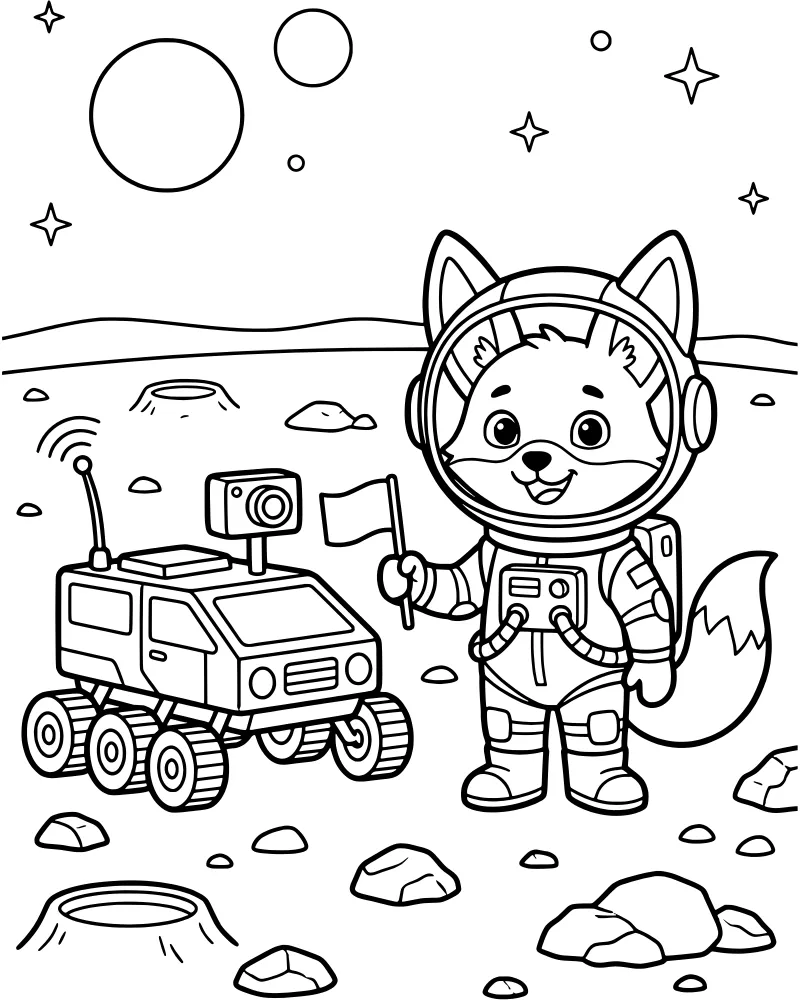
Space Traveling Fox Astronaut on Moon
Space & Sci-Fi
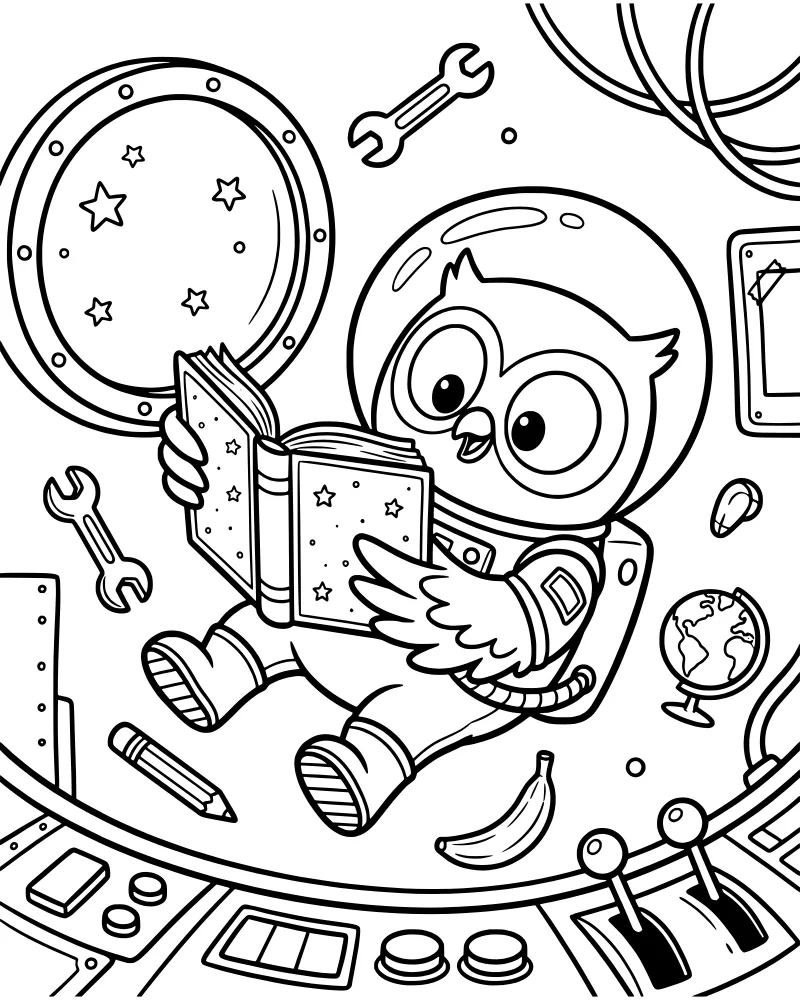
Wise Owl Astronaut in Space
Space & Sci-Fi
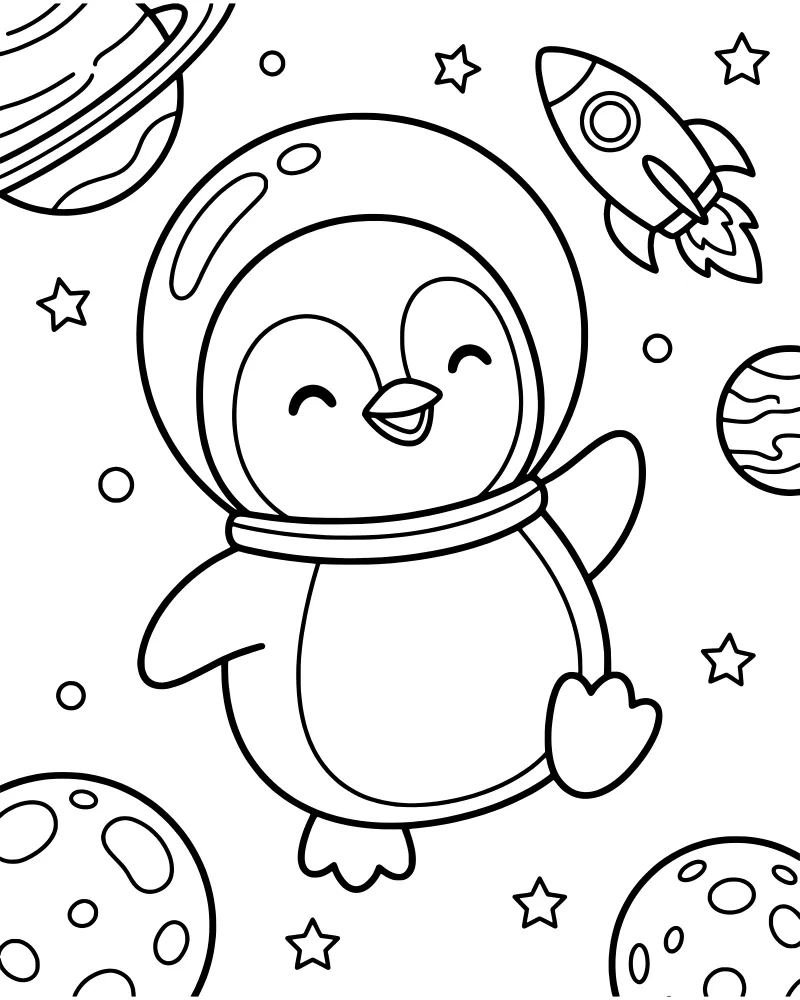
Astronaut Penguin Exploring Outer Space
Space & Sci-Fi
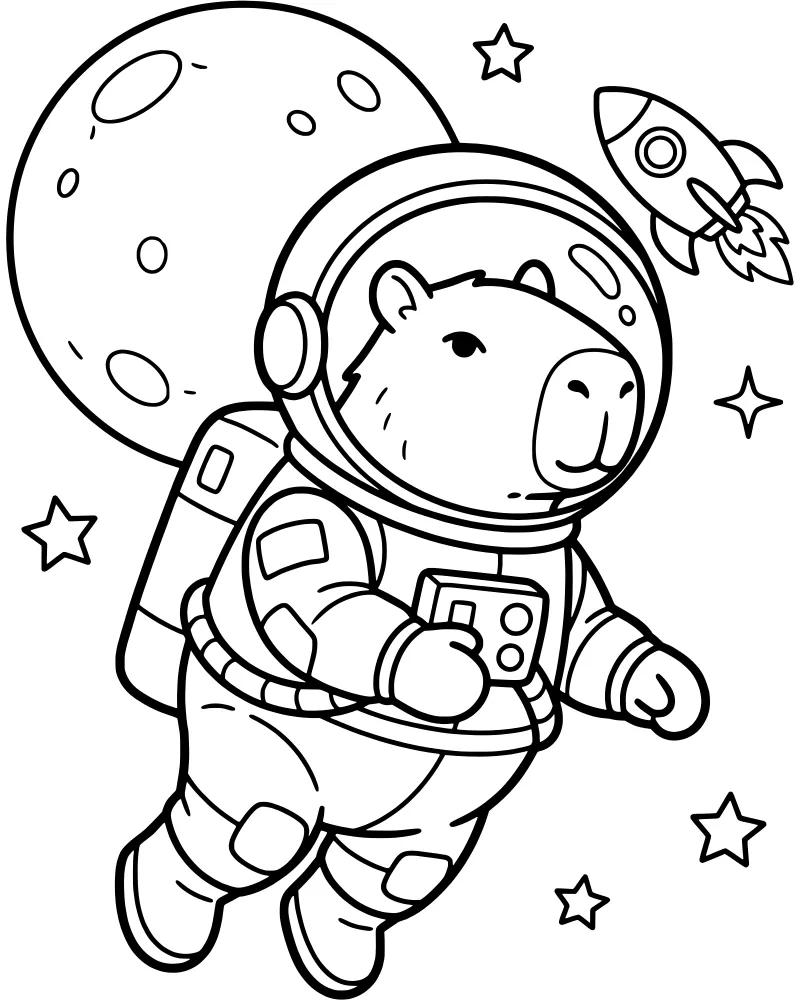
Capybara Astronaut Floating in Outer Space
Space & Sci-Fi
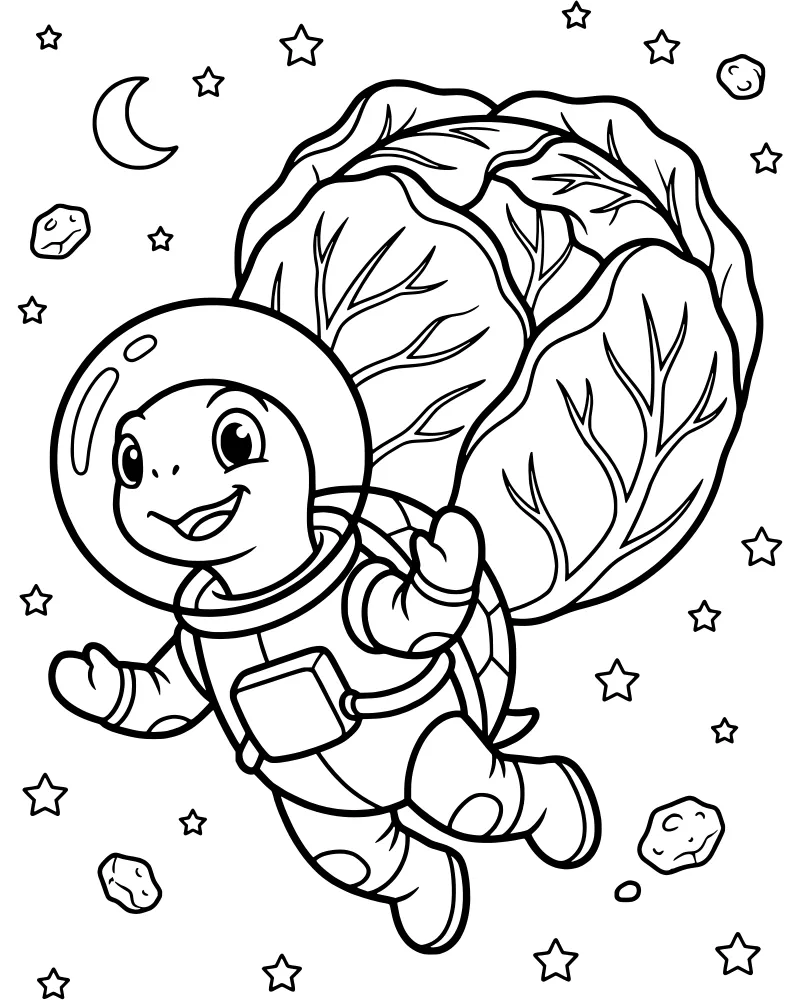
Turtle Astronaut and Floating Cabbage
Space & Sci-Fi
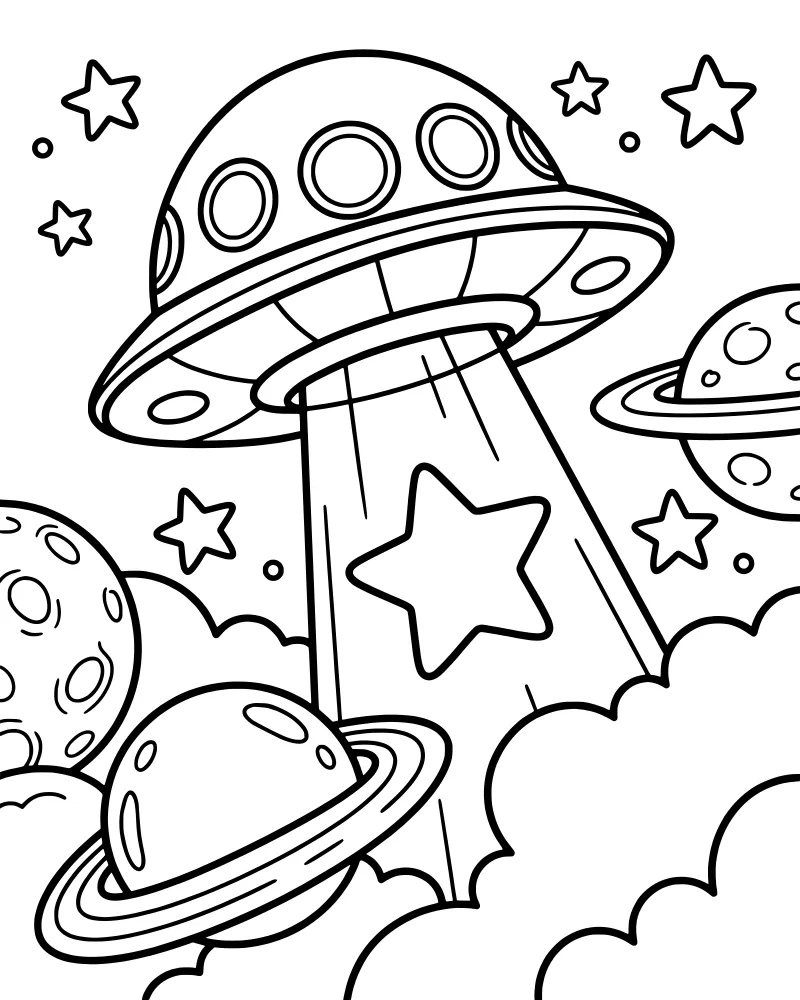
Whimsical Flying Saucer in Outer Space
Space & Sci-Fi
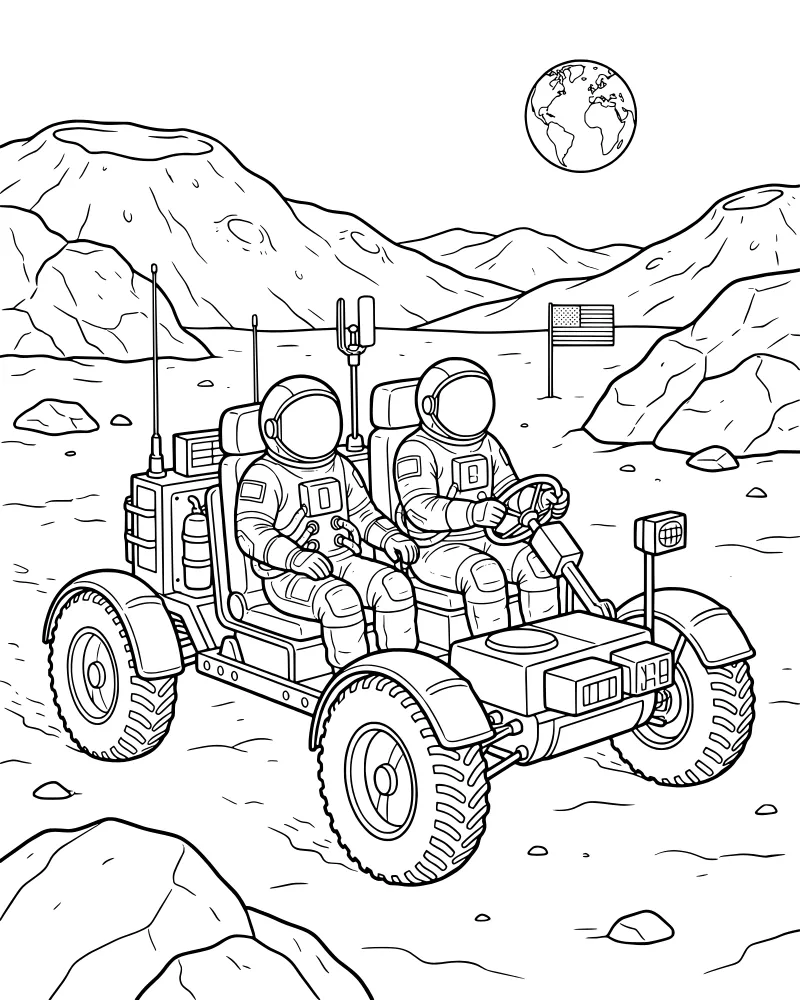
Astronauts Driving Lunar Rover on Moon
Space & Sci-Fi
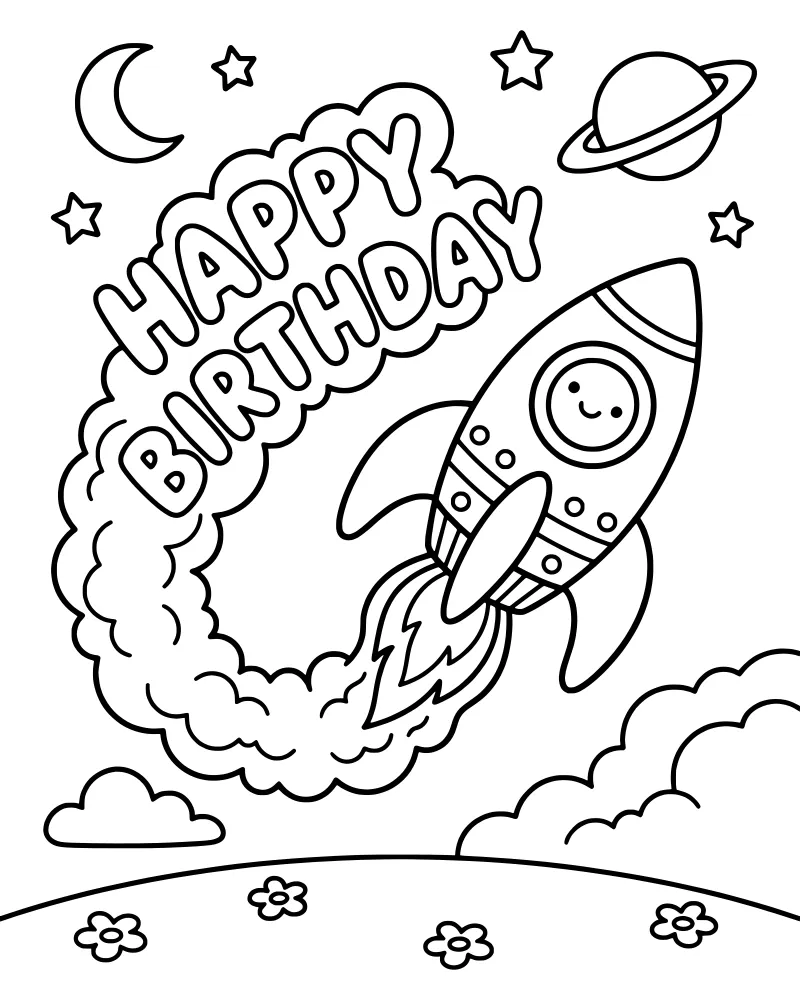
Whimsical Rocket Birthday Celebration
Holidays & Celebrations
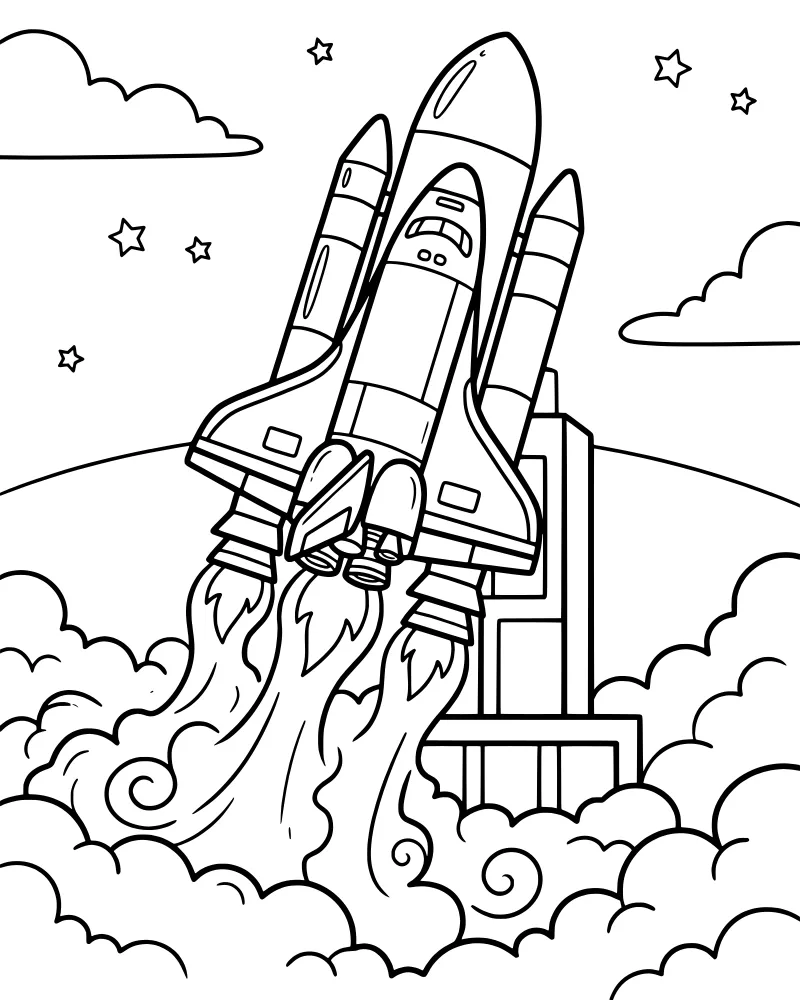
Space Shuttle Launching Into Orbit
Space & Sci-Fi
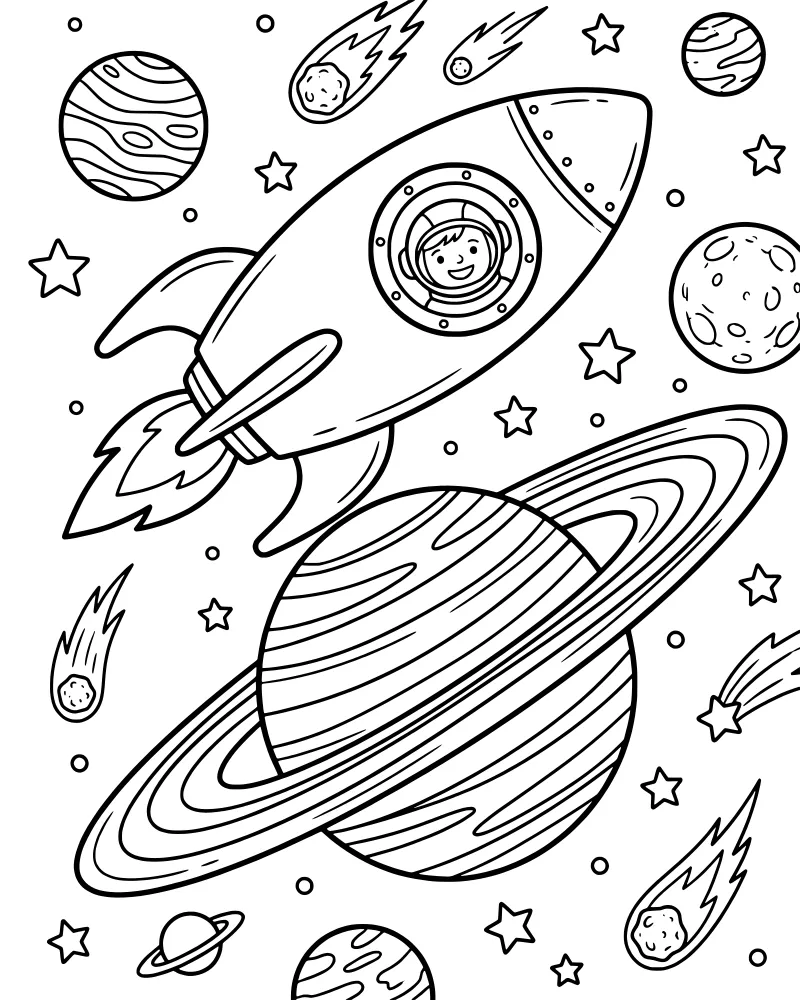
Rocket Ship Astronaut Space Adventure
Space & Sci-Fi
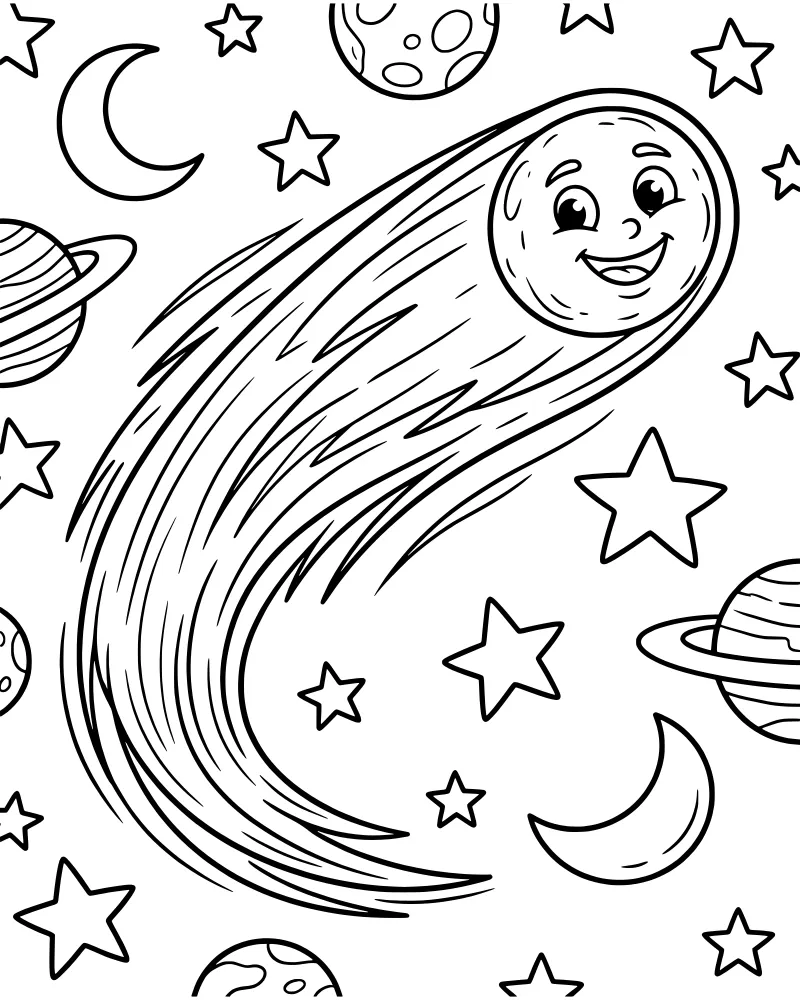
Friendly Space Comet and Ringed Planets
Space & Sci-Fi
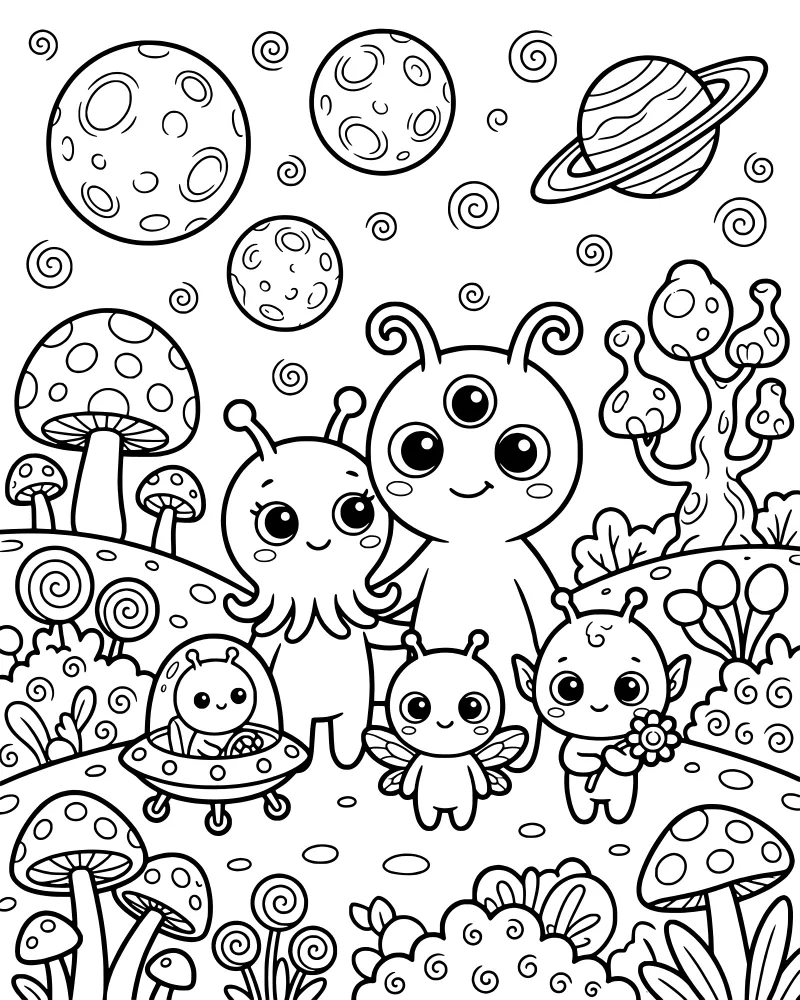
Friendly Aliens on a Mushroom Planet
Space & Sci-Fi
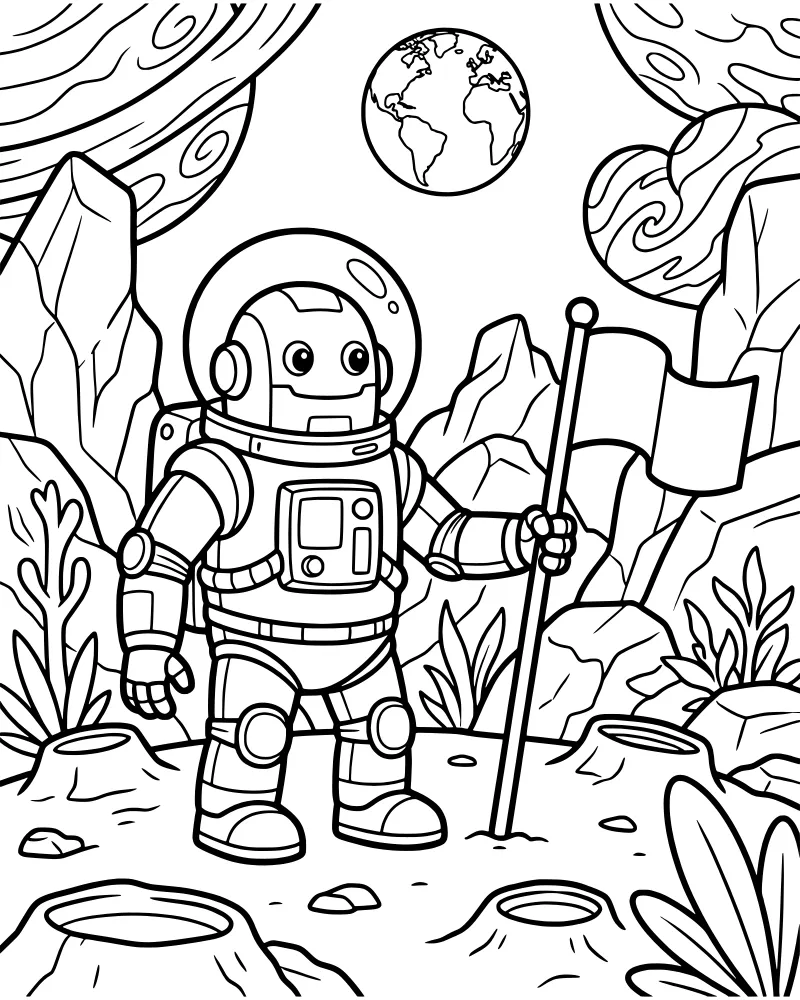
Astronaut Exploring Distant Alien World
Space & Sci-Fi
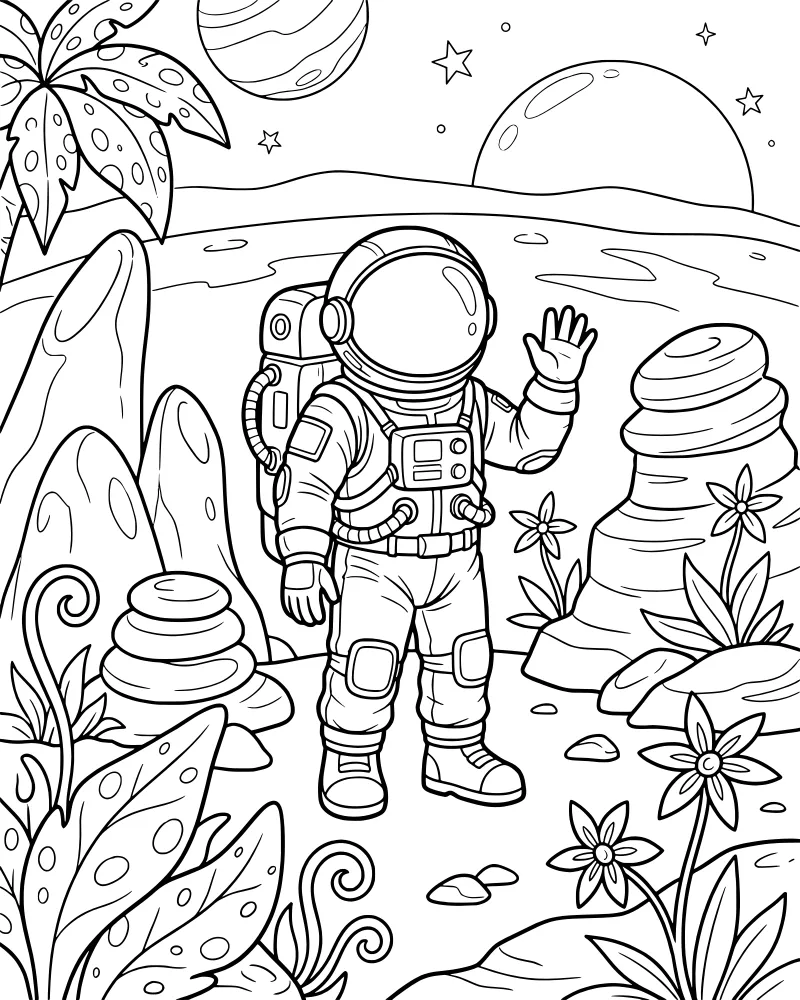
Friendly Astronaut on Alien World
Space & Sci-Fi
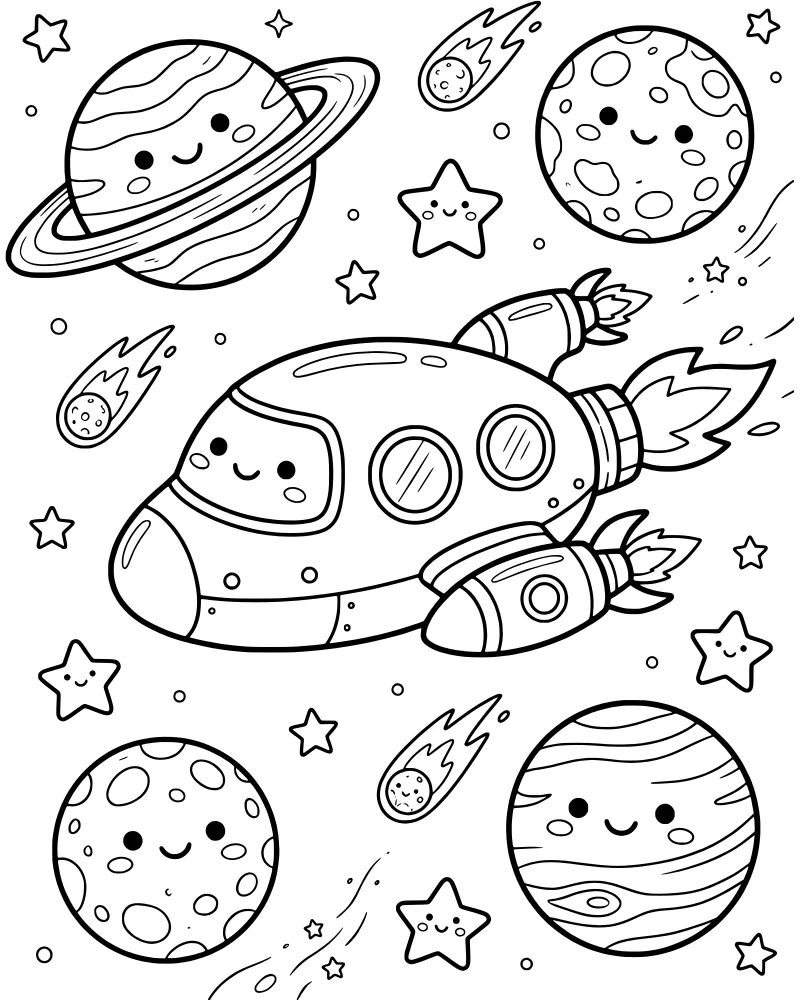
Whimsical Rocket Ship Space Adventure
Space & Sci-Fi
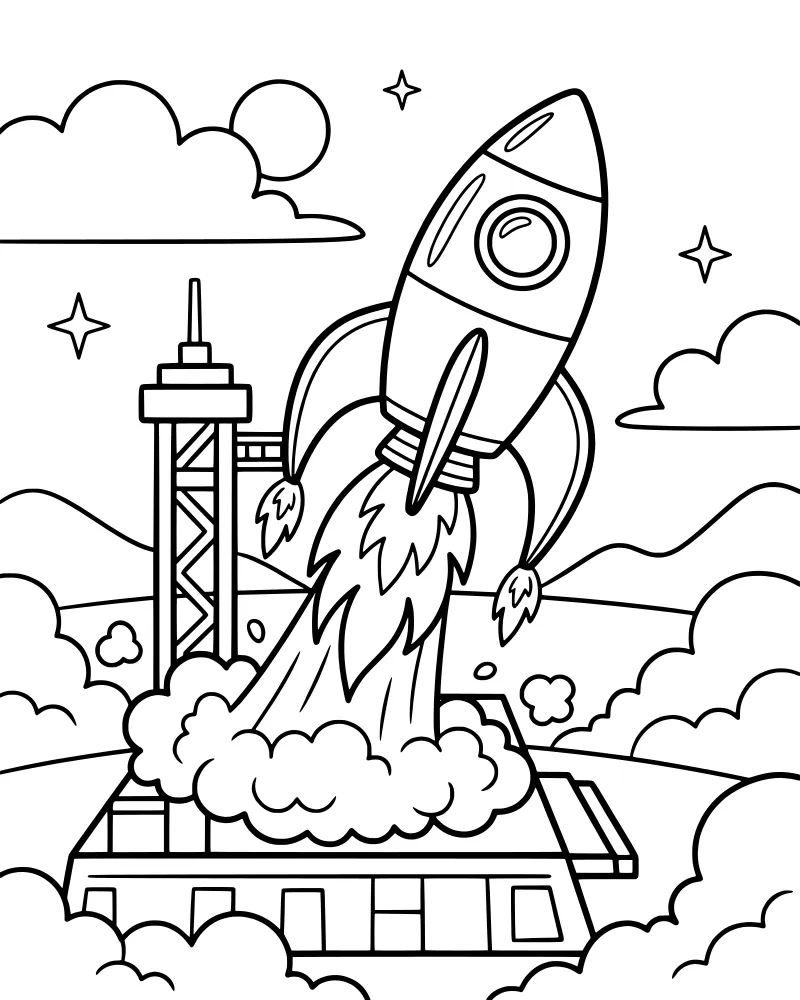
Space Rocket Launch from Earth
Space & Sci-Fi
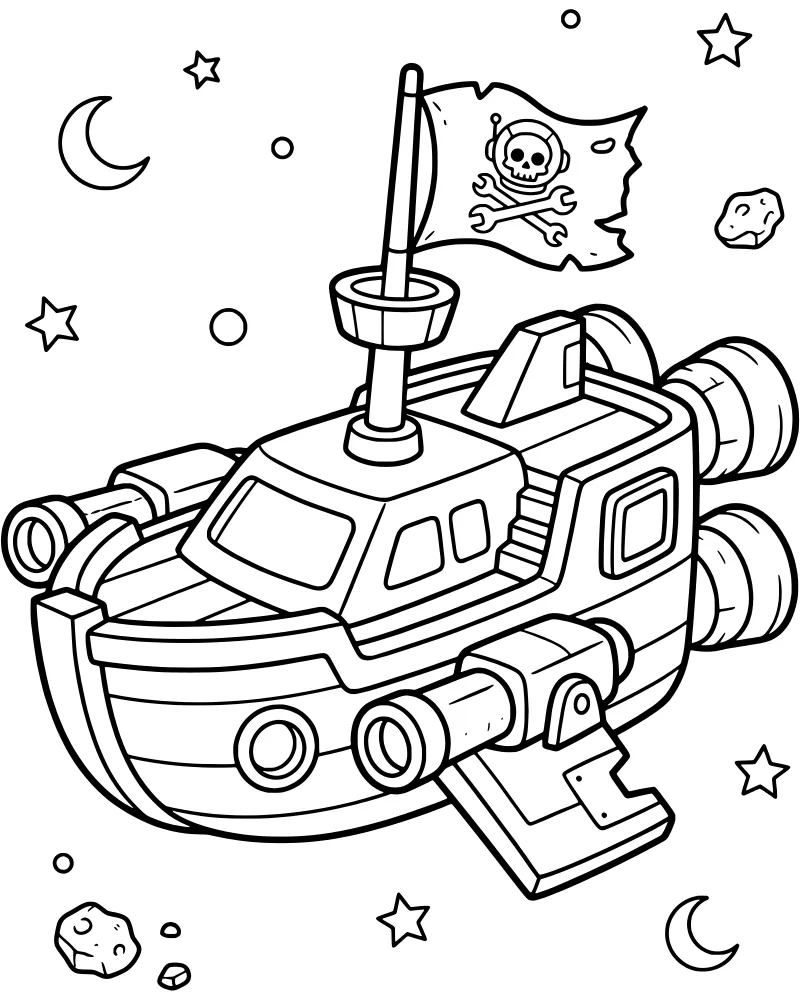
Space Pirate Ship Exploring the Galaxy
Space & Sci-Fi
About This Collection
The vastness of the universe holds endless mysteries for young explorers and curious minds. From the shimmering rings of distant planets to the silent dance of stars in the night sky, outer space offers a canvas that is truly out of this world. Coloring these scenes allows kids to travel across the galaxy without ever leaving the kitchen table. It is a wonderful way to spark interest in science and astronomy while providing a relaxing activity that calms the mind.
By picking up a crayon or marker, children can decide the color of a nebula or the pattern on a Martian landscape. These Space Coloring Pages provide a gateway to learning about gravity, orbits, and the brave people who travel into the unknown. Each page is a new mission waiting for a splash of color to bring it to life.
The Thrill of Astronaut Life and Space Missions
Space exploration is one of the most exciting human endeavors, and capturing that excitement on paper helps children feel like part of the mission. When kids color scenes of people floating in zero gravity or operating complex machinery, they begin to ask questions about how rockets work and what it feels like to look back at Earth from a distance. These illustrations often feature intricate details that help develop fine motor skills as little hands navigate the buttons and dials of a high-tech cabin.
A great example of this detail-oriented fun can be found in the Astronauts in Spaceship Control Room page, where young artists can focus on the glow of monitor screens and the vastness of the view through the windows. It encourages a sense of focus and patience. As they color the suits and the stars, they are not just filling in shapes; they are imagining themselves as commanders of their own interstellar voyage.
Imagining New Worlds and Friendly Alien Life
One of the best parts of the cosmos is that so much of it remains a mystery, which gives us the freedom to imagine all sorts of incredible creatures. Aliens don't have to be scary; in fact, they are often portrayed as curious and kind neighbors from across the stars. Choosing bright, unconventional colors for these characters—like neon greens, vibrant purples, or sunny yellows—makes the experience even more playful. It allows for total creative freedom since nobody truly knows what a visitor from another planet might look like.
For those who enjoy a simpler approach, the Friendly Little Alien Friend offers a charming character that is perfect for younger children who are just starting to practice staying within the lines. These whimsical characters help bridge the gap between science fiction and friendly storytelling. By giving these aliens names and backstories, children use their social-emotional skills to build a world where everyone is welcome, no matter how many eyes or antennas they might have.
Choosing the Perfect Cosmic Color Palette
When it comes to the night sky, many people think only of black and navy blue, but the universe is actually filled with a spectrum of incredible hues. High-energy stars can appear blue or white, while older stars might glow with a deep red or orange light. Encourage your young artist to experiment with blending colors to create nebulae, which are giant clouds of dust and gas. Using a sponge or a soft colored pencil to layer pinks, blues, and purples can create a beautiful misty effect that looks just like a photo from a powerful telescope.
For planets and moons, the possibilities are even broader. You might choose earthy greens and blues for a world like ours, or harsh grays and whites for a rocky lunar surface. Don't forget the metallic tones for ships and satellites. Silver, gold, and bronze gel pens can add a realistic shimmer to the technological elements of the scene. Adding a few dots of white paint or a silver marker at the very end can make the stars look like they are truly twinkling against the dark background.
Launching a Learning Adventure at Home
Coloring is a fantastic starting point for a day of learning. After finishing a page, you can look up facts about the specific objects featured, such as how long it takes a rocket to reach the moon or why Saturn has such prominent rings. This turns a simple art session into a mini-lesson on physics and history. You can even discuss the different phases of the moon or the names of the constellations visible from your own backyard.
The Space Rocket Launch from Earth page is a perfect prompt for talking about the power required to break through the atmosphere. You can discuss the fire and smoke at the base of the ship and why we use launchpads. This connection between the drawing and real-world science makes the activity much more meaningful. It transforms a quiet afternoon of coloring into a launchpad for a lifetime of curiosity about the world above us and the technology that gets us there.
Tips for Printing and Displaying Space Art
To get the best results from your digital downloads, consider the type of paper you are using. Heavier cardstock is excellent if your child prefers using markers or even light watercolors, as it prevents the colors from bleeding through. If you are using standard printer paper, colored pencils or crayons are usually the safest bet. Once the masterpiece is complete, there are many ways to show it off beyond just sticking it on the refrigerator.
Consider creating a "galaxy wall" in a bedroom or playroom where all the finished space scenes can be grouped together. You could even cut out the individual planets and rockets to create a 3D mobile that hangs from the ceiling. This gives children a sense of pride in their work and keeps the theme of exploration alive in their daily environment. Sharing these pages with friends or family members who love science is another great way to build confidence and share the joy of artistic creation.