Download free animal coloring pages featuring farm animals, forest wildlife, and ocean creatures. Perfect for kids and adults who love nature and art.
Animal Coloring Pages
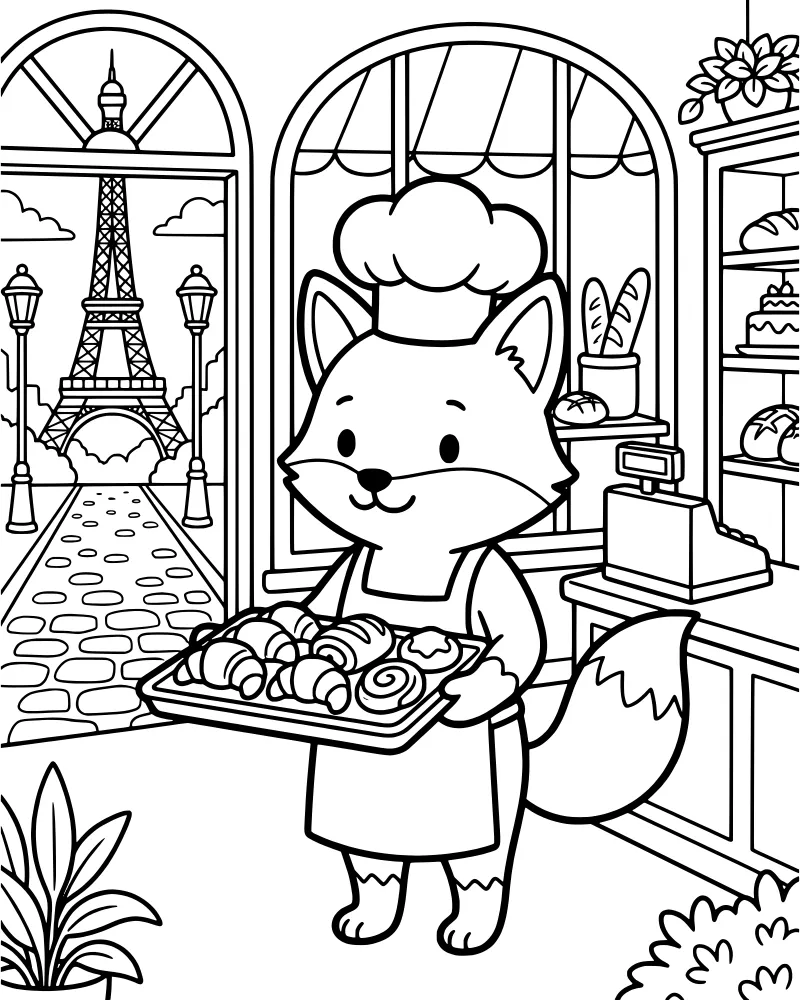
Friendly Fox Baker in Paris
Animals
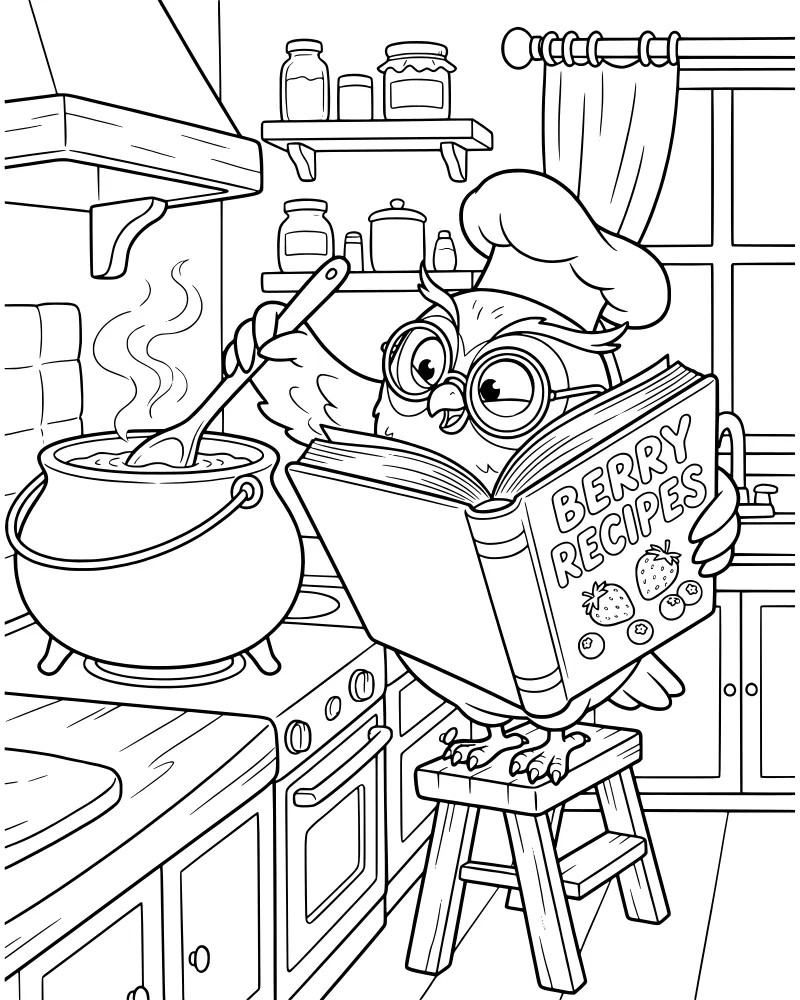
Wise Owl Chef Kitchen
Animals
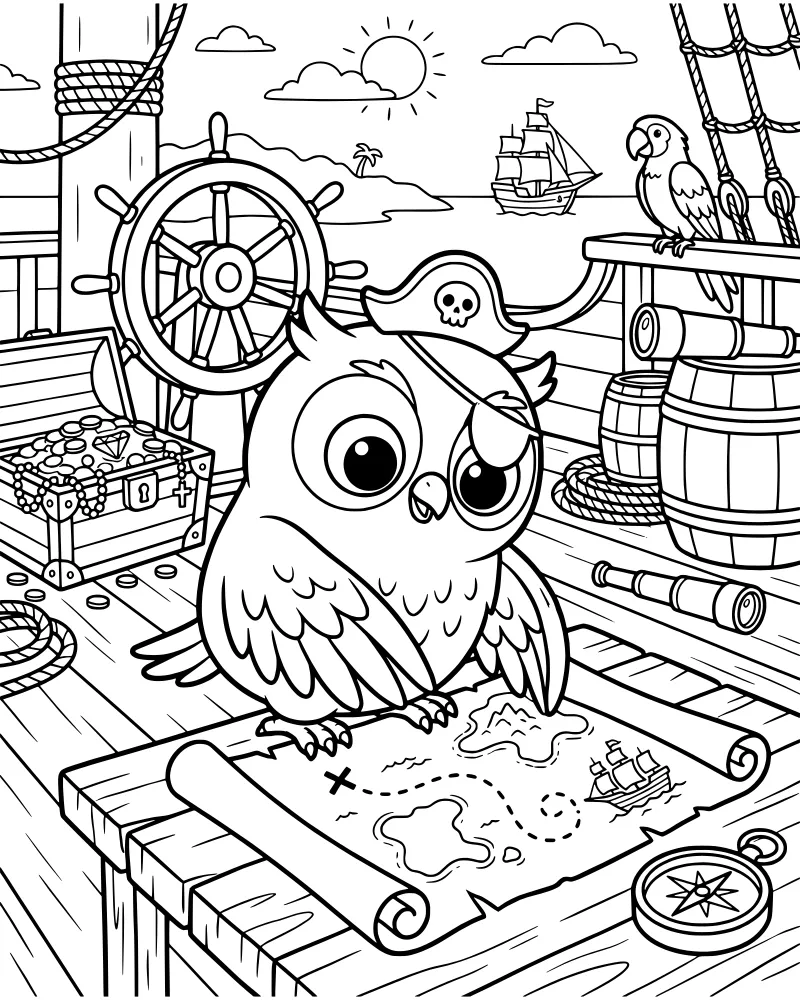
Wise Pirate Owl Hunting for Treasure
Animals
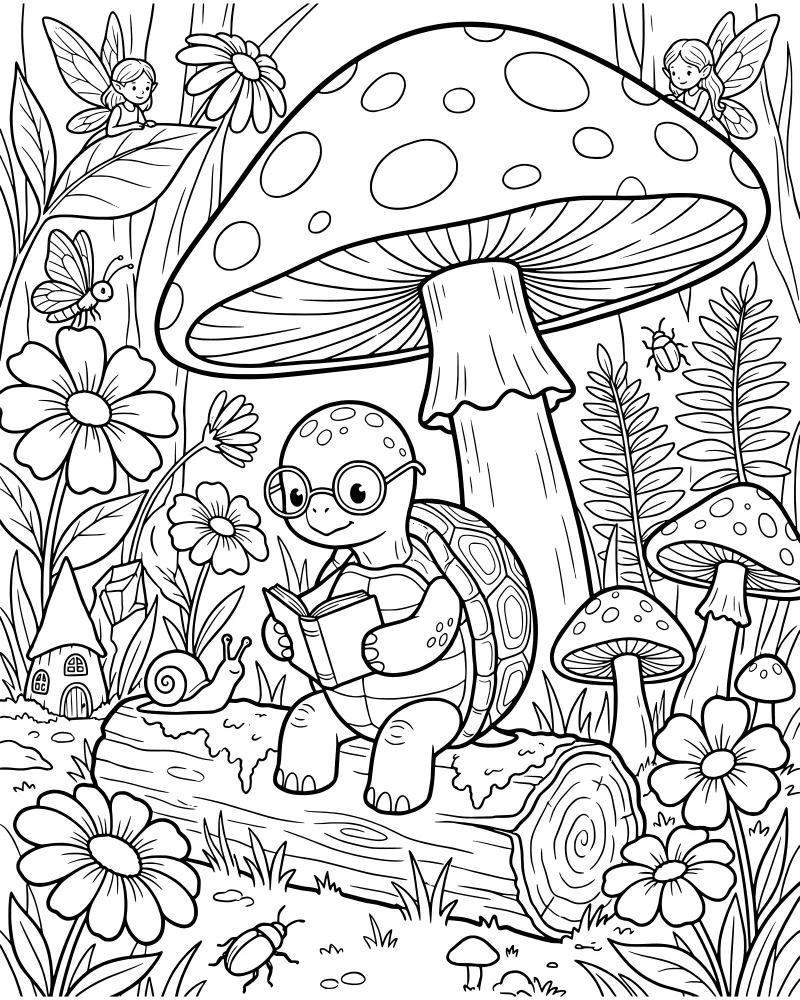
Wise Reading Turtle in Enchanted Forest
Fantasy & Mythology
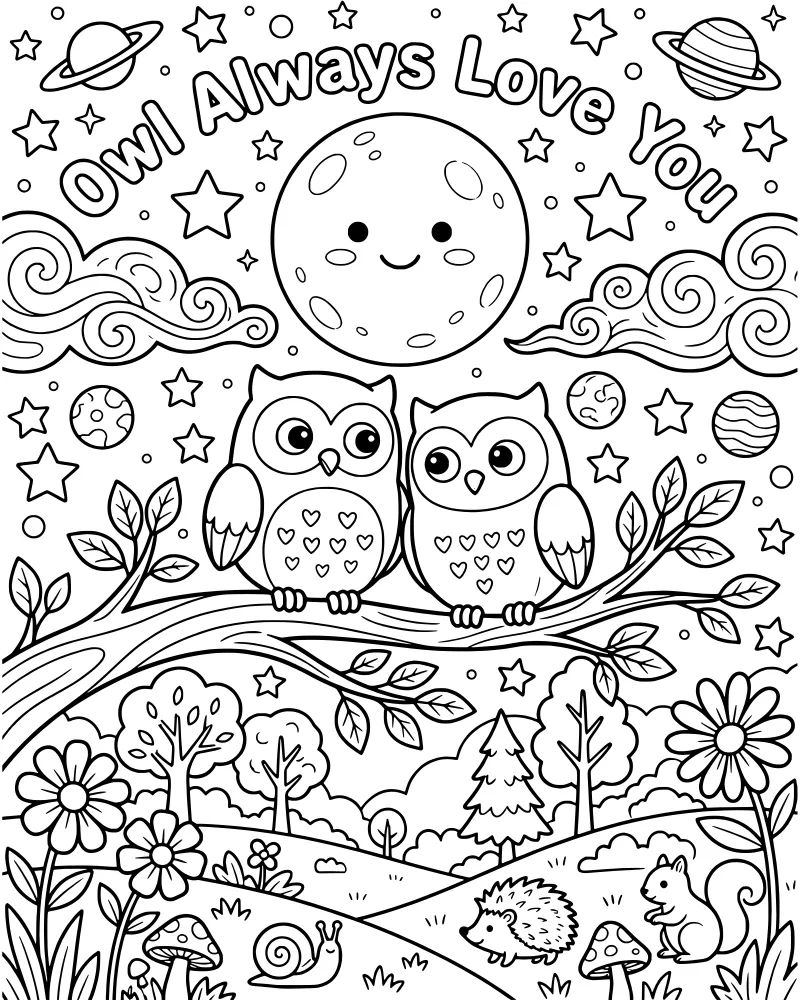
Owl Always Love You Night Scene
Animals
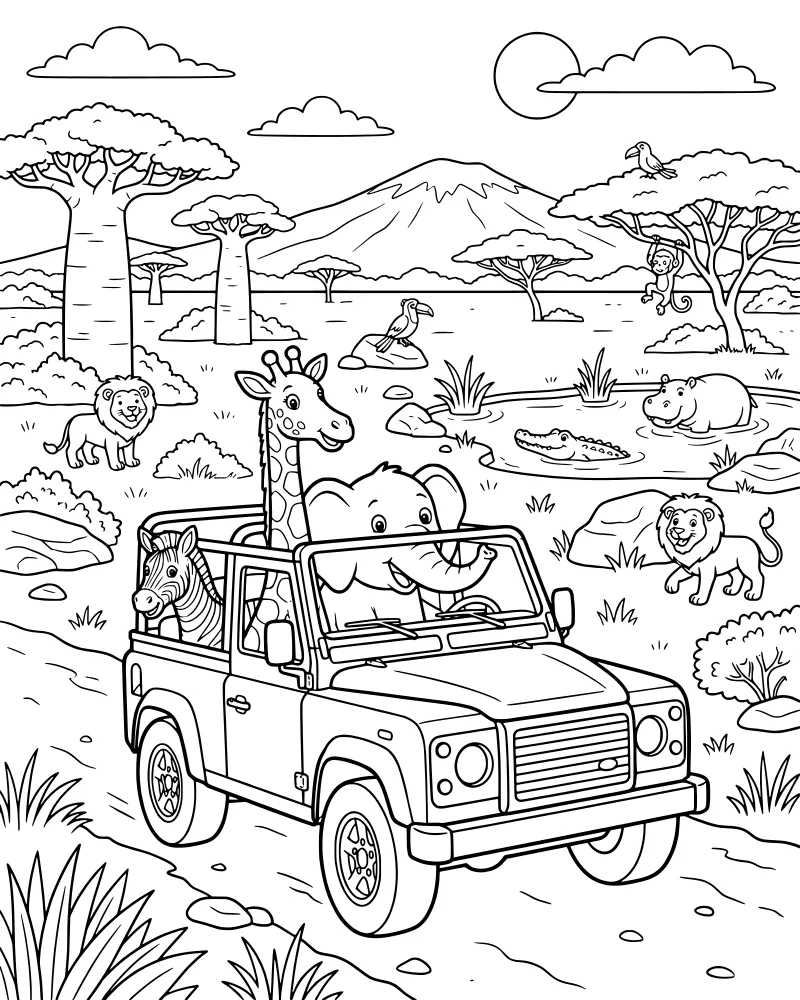
Safari Animals Riding in a Jeep
Animals
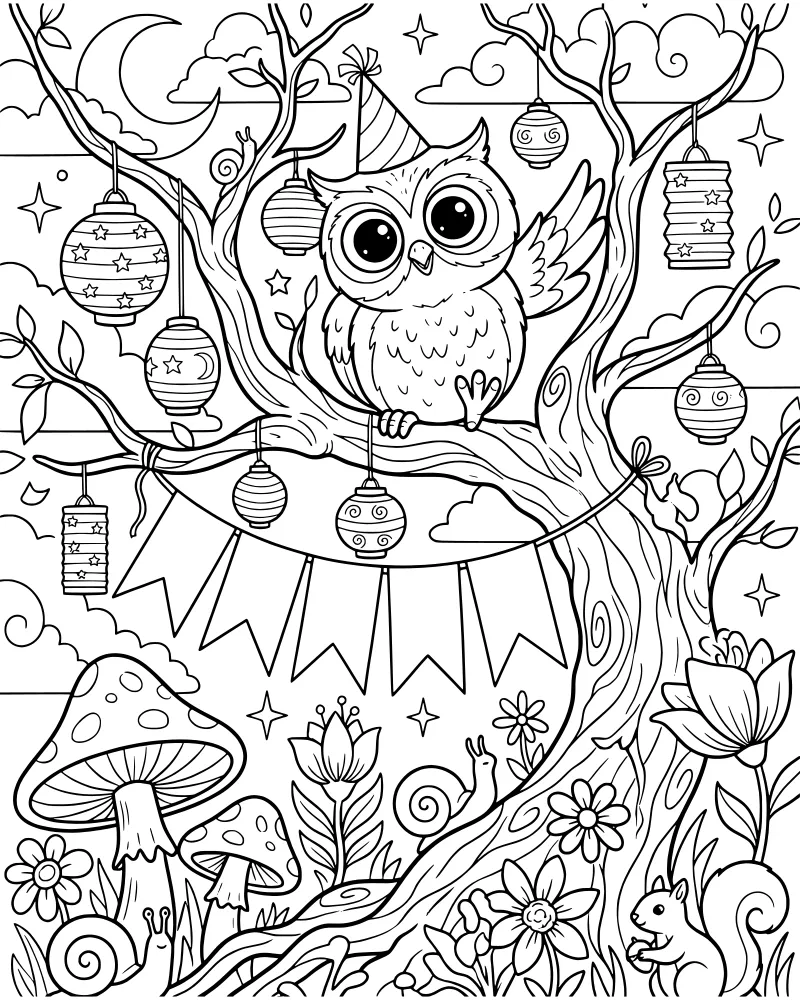
Festive Owl Forest Party
Animals
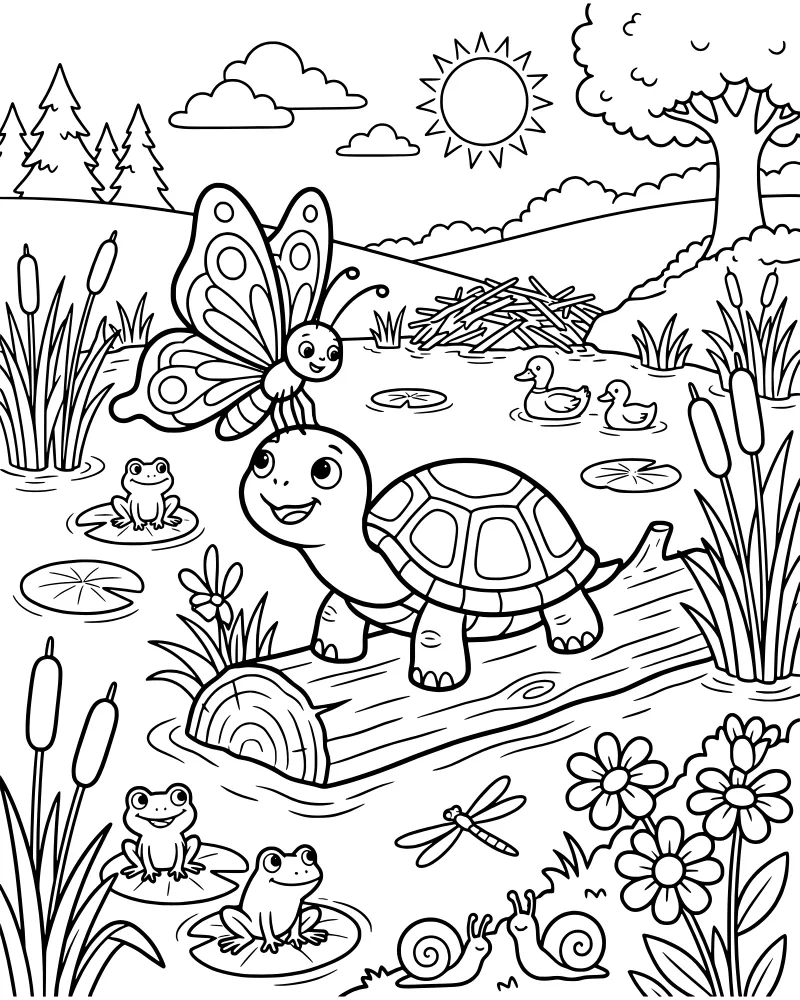
Happy Pond Animals and Friends
Animals
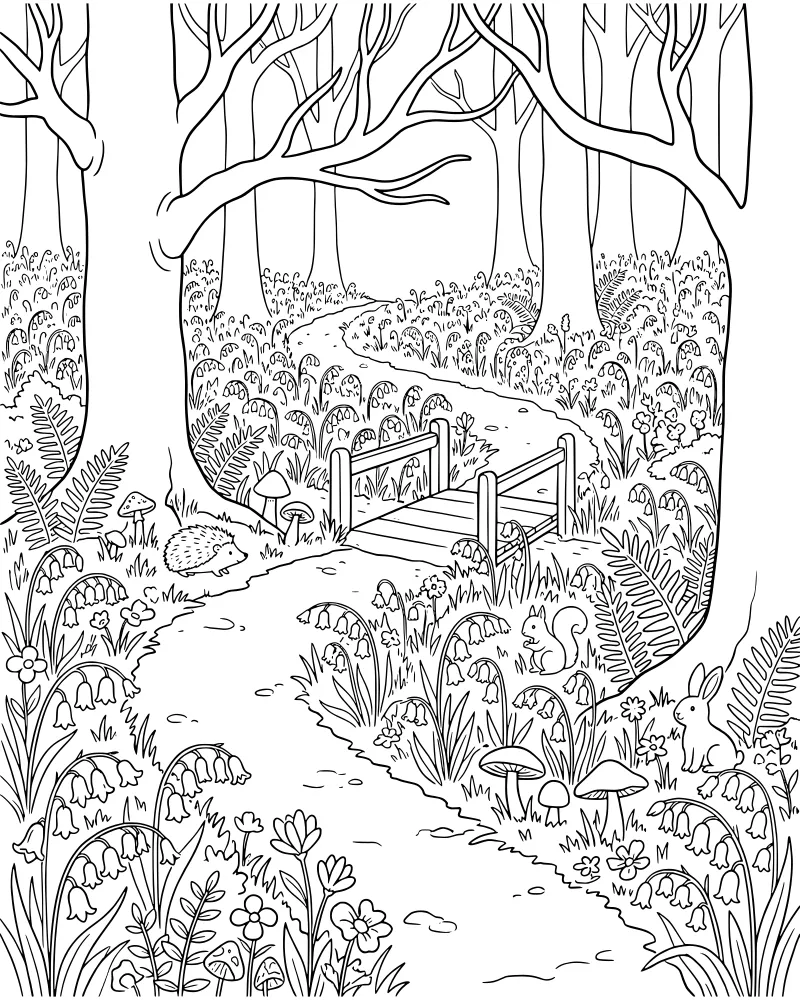
Forest Bridge with Woodland Friends
Nature & Outdoors
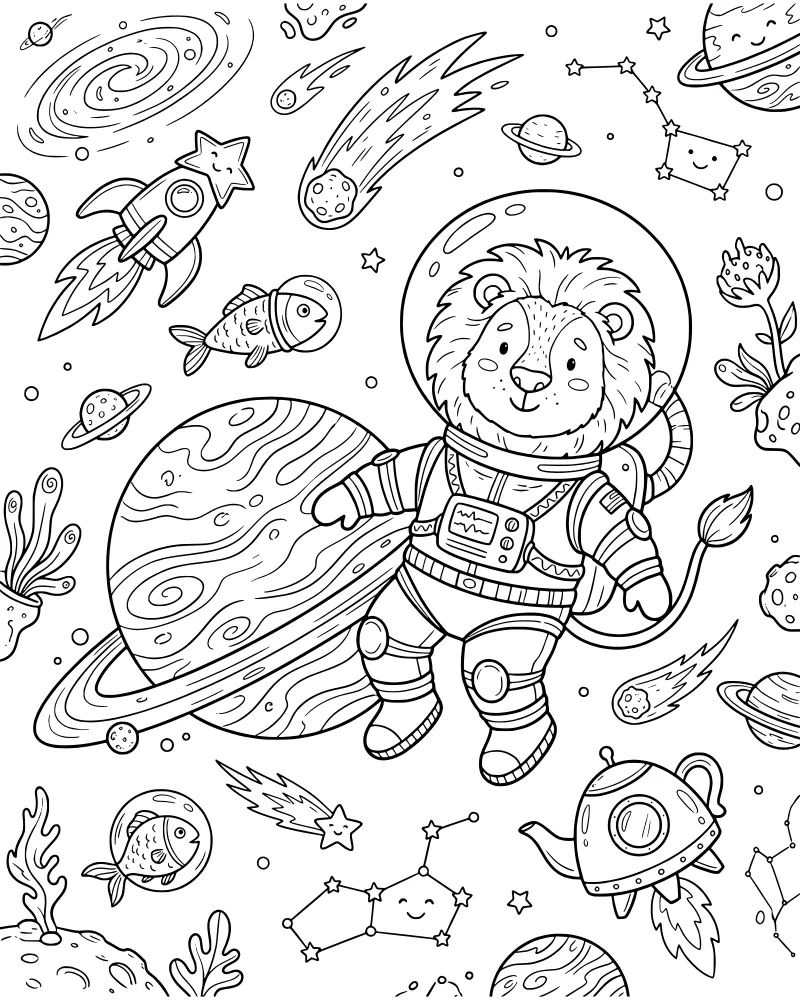
Lion Astronaut Exploring Outer Space
Space & Sci-Fi
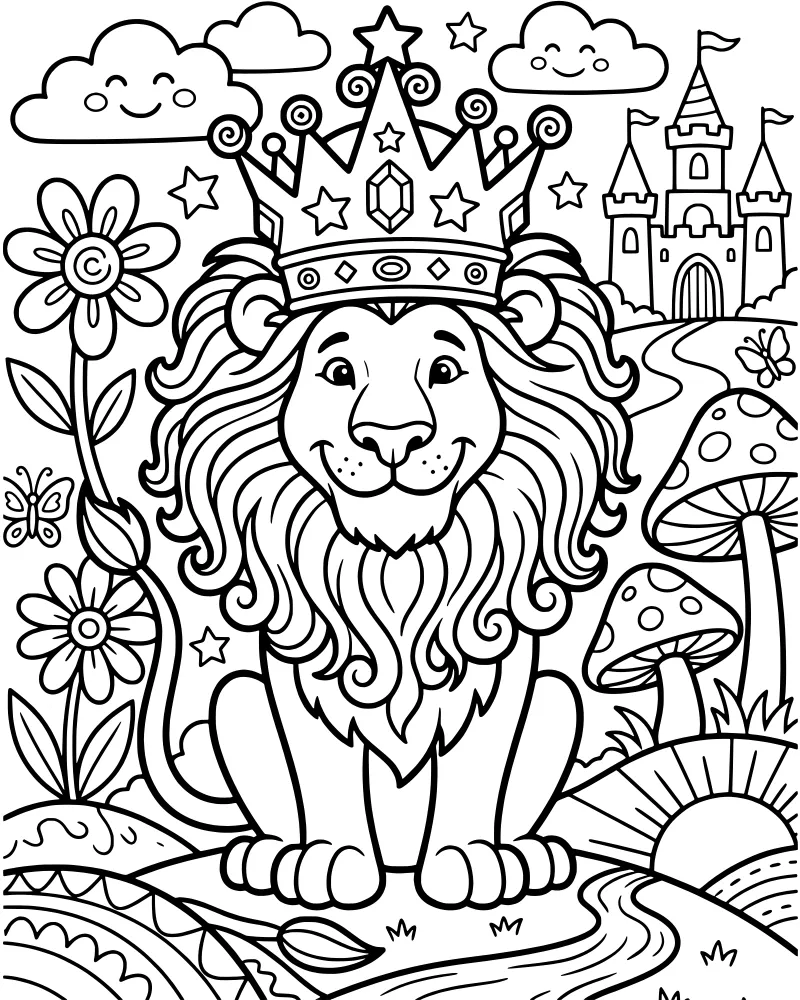
Majestic Lion King in Whimsical Kingdom
Animals
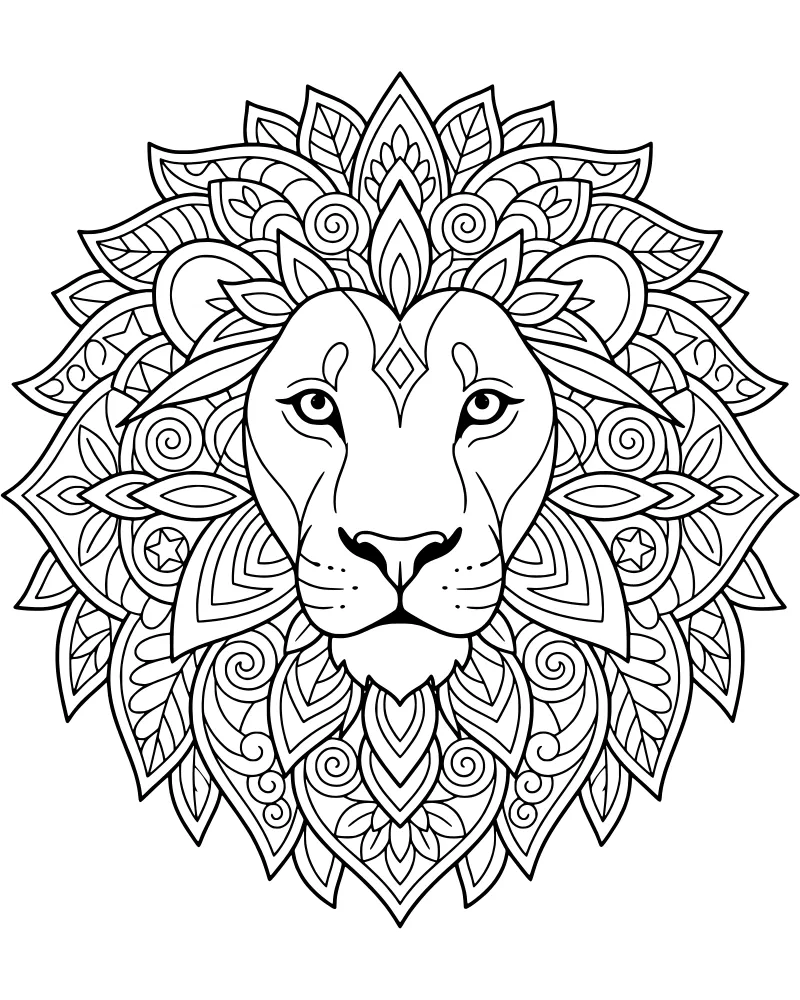
Majestic Mandala Lion Face
Mandalas & Patterns
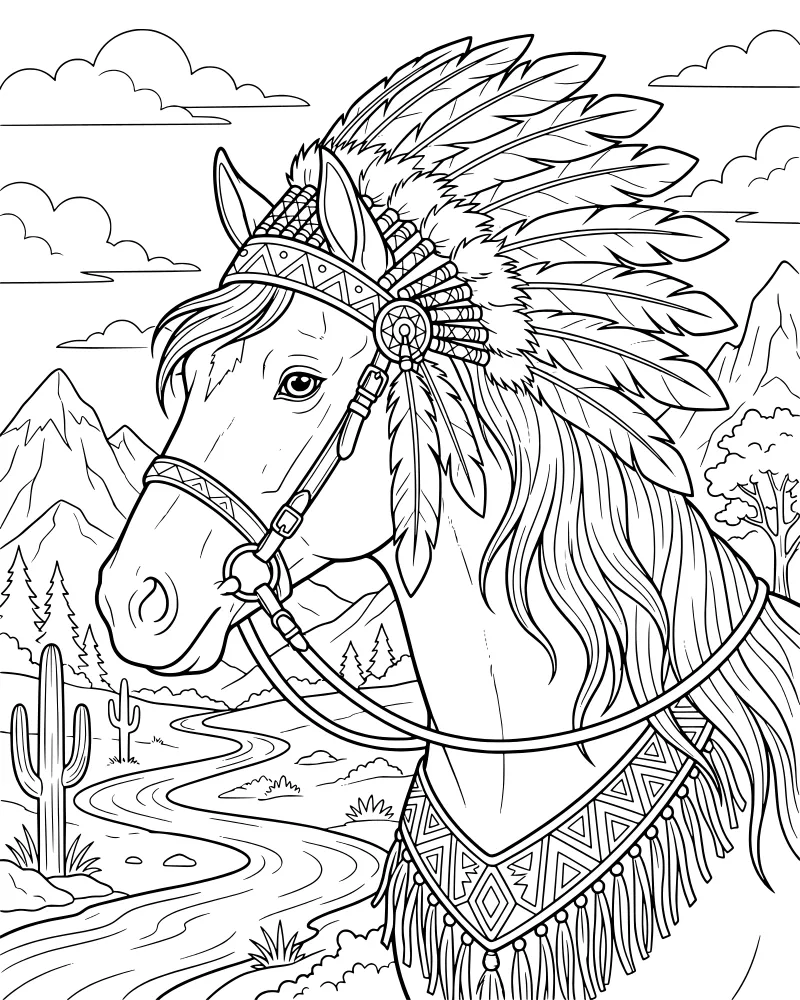
Majestic Desert Horse with Feathers
Animals
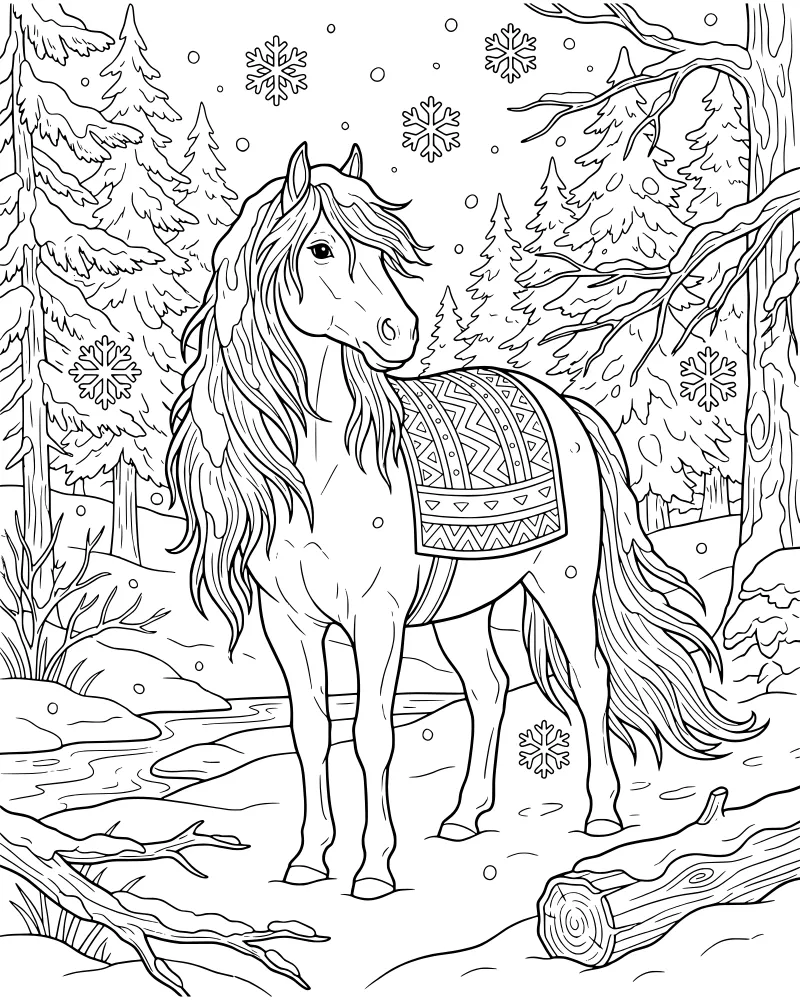
Majestic Horse in Winter Forest
Animals
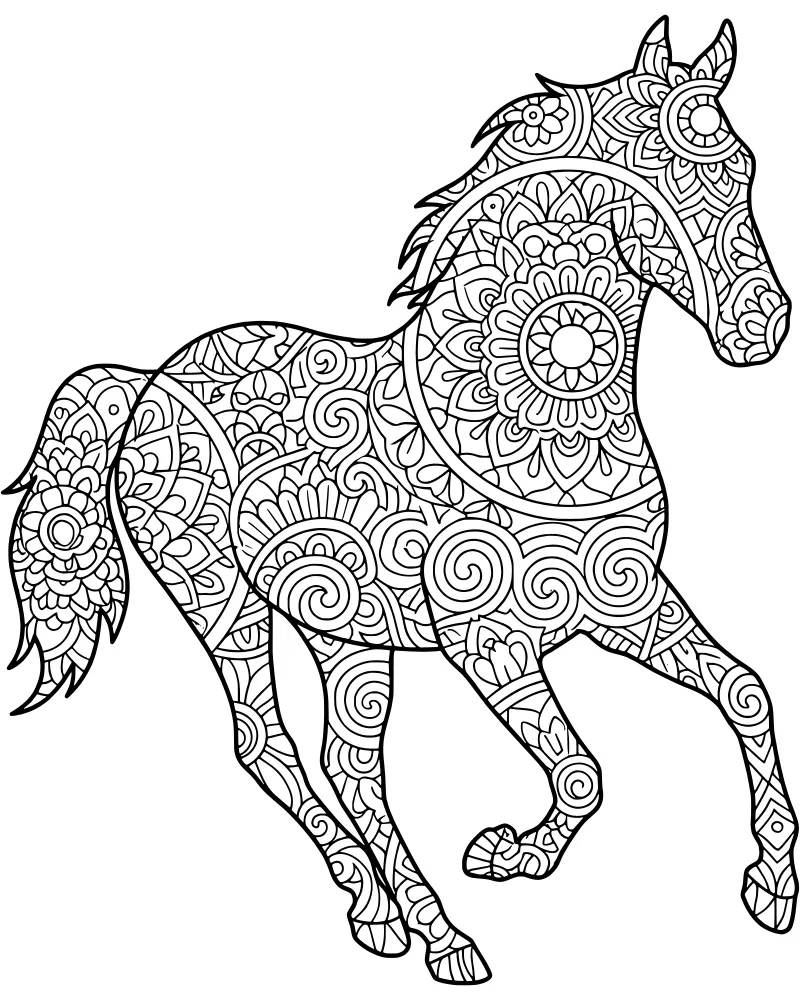
Intricate Mandala Galloping Horse
Mandalas & Patterns
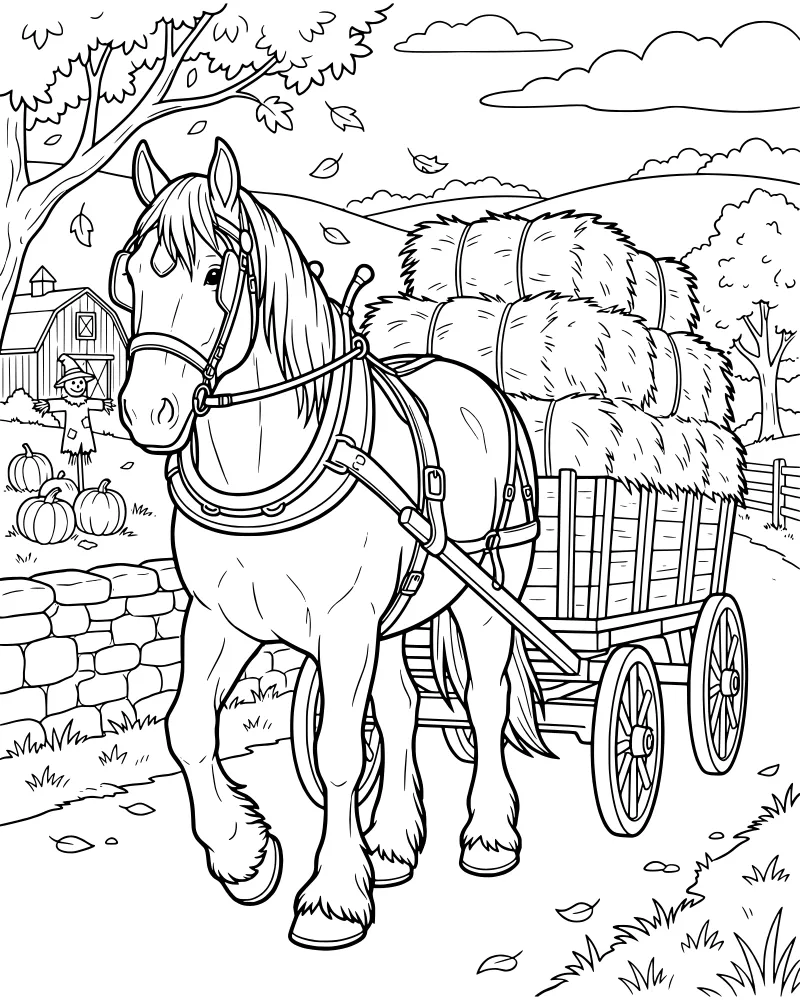
Horse Pulling Autumn Hay Cart
Nature & Outdoors
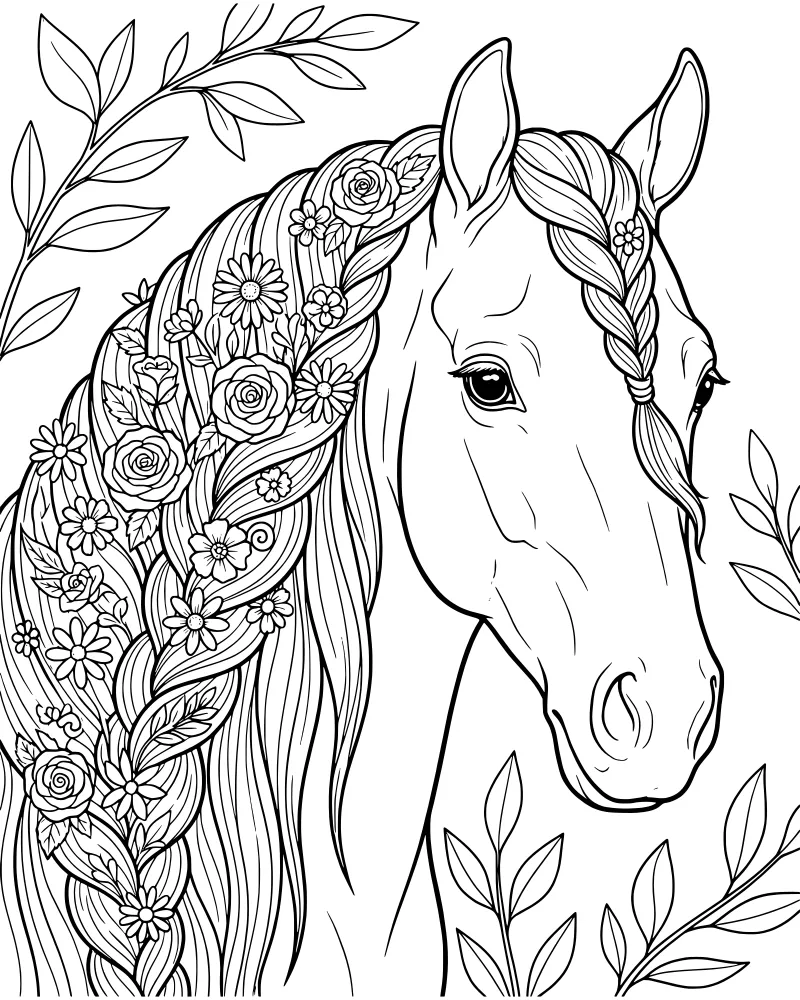
Serene Braided Mane Horse Portrait
Animals
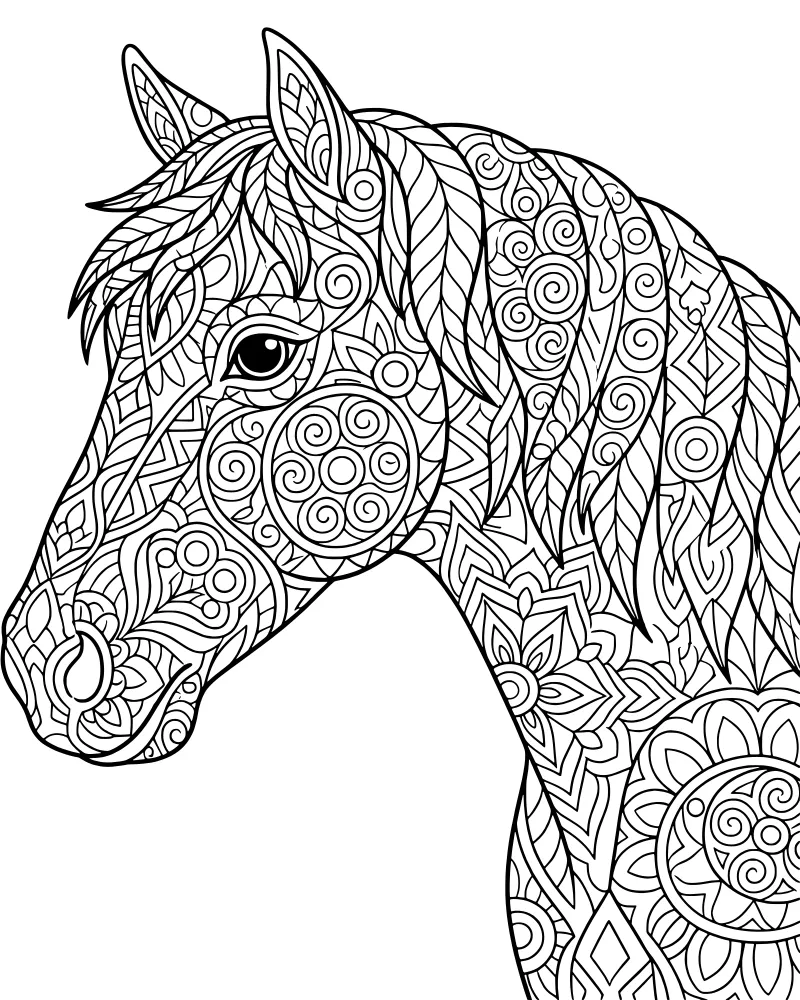
Intricate Ornamental Horse Portrait
Mandalas & Patterns
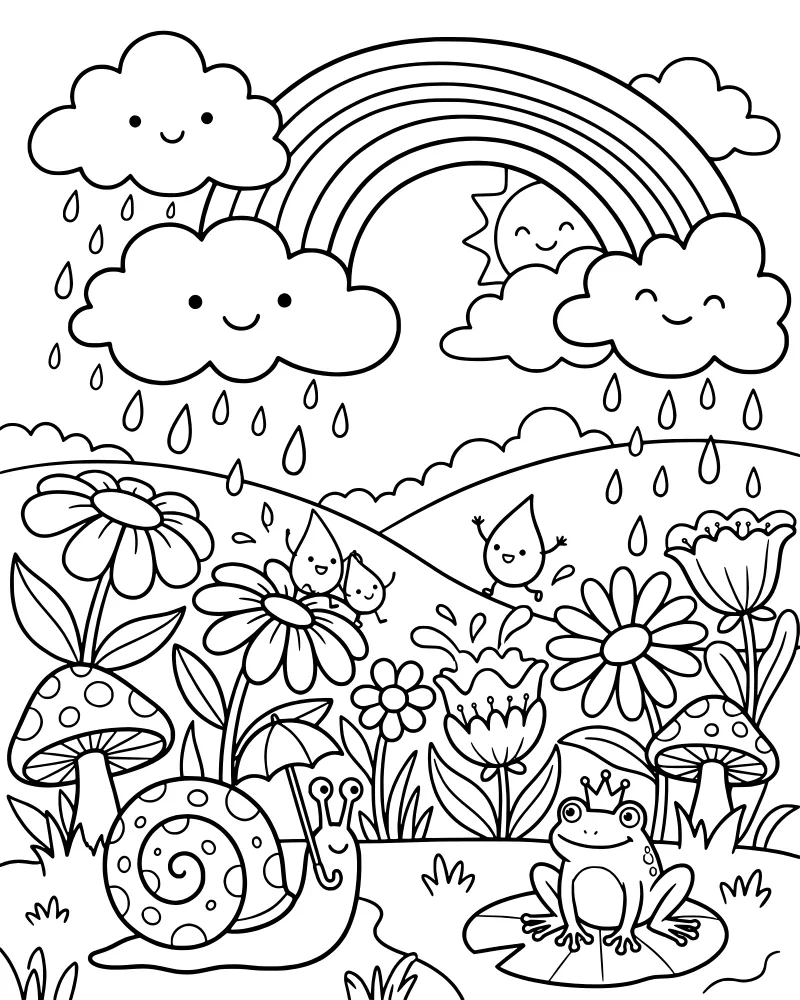
Happy Rainy Day Meadow Friends
Nature & Outdoors
Playful Labrador Swimming in Mountain Lake
Animals
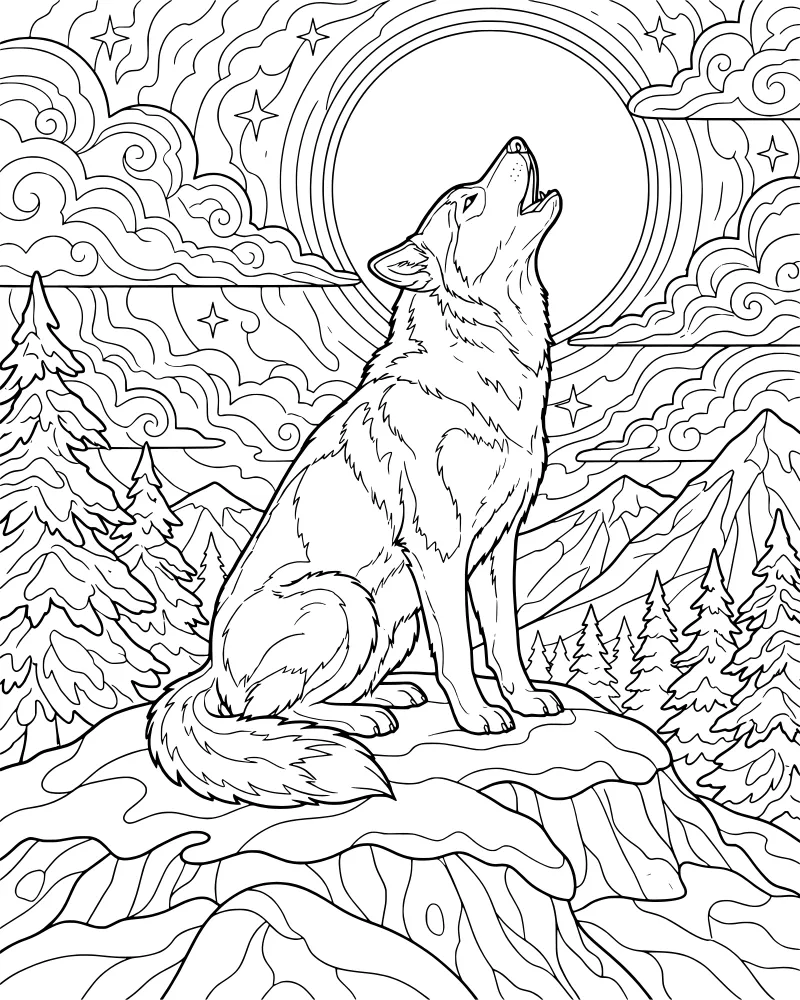
Wolf Howling at Full Moon in Mountains
Animals
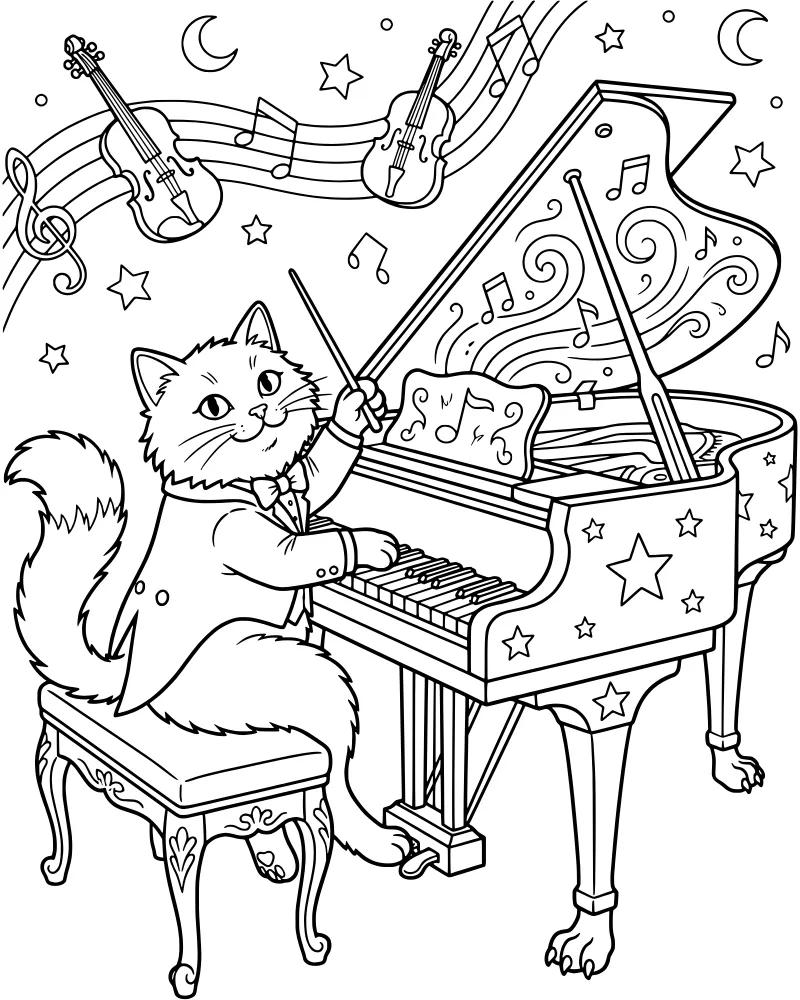
Tuxedo Cat Playing Grand Piano
Animals
Superhero Cat Flying Over The City
Animals
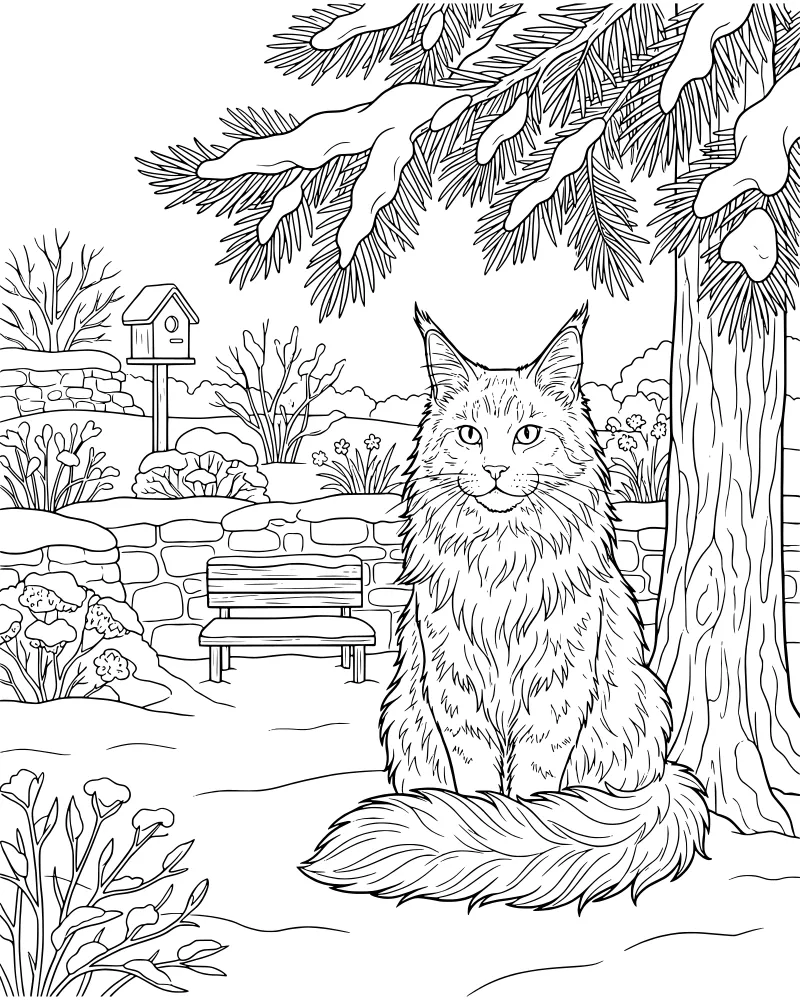
Maine Coon Cat in Winter Garden
Animals
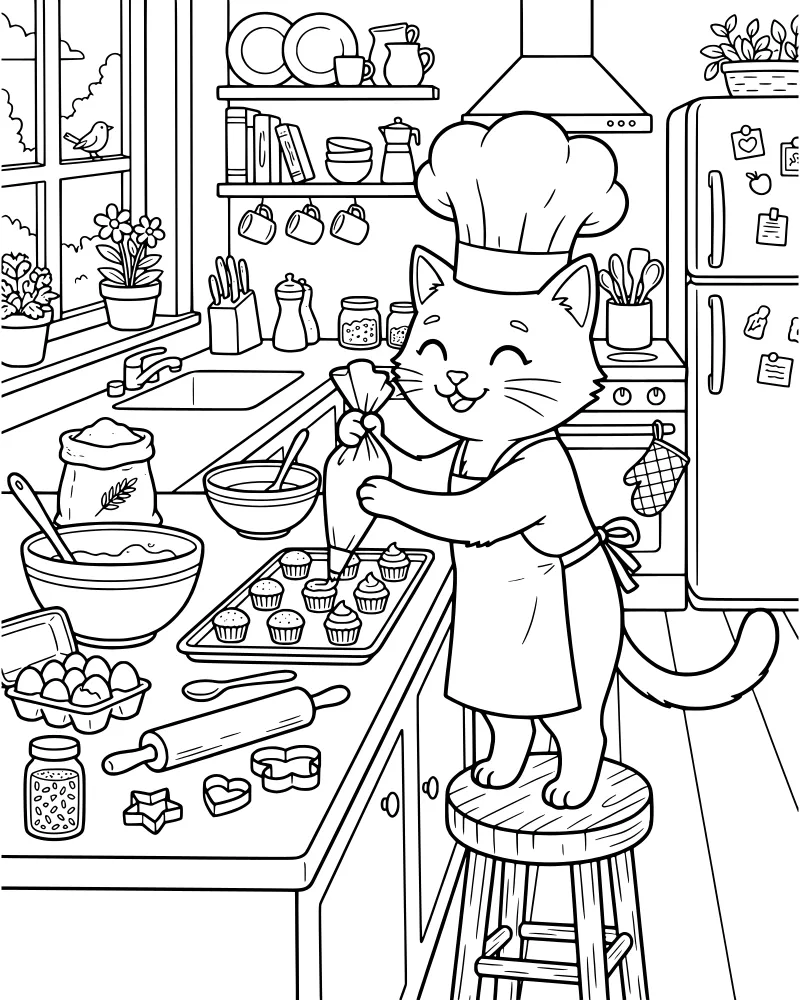
Baking Cat Chef Decorating Cupcakes
Food & Drinks
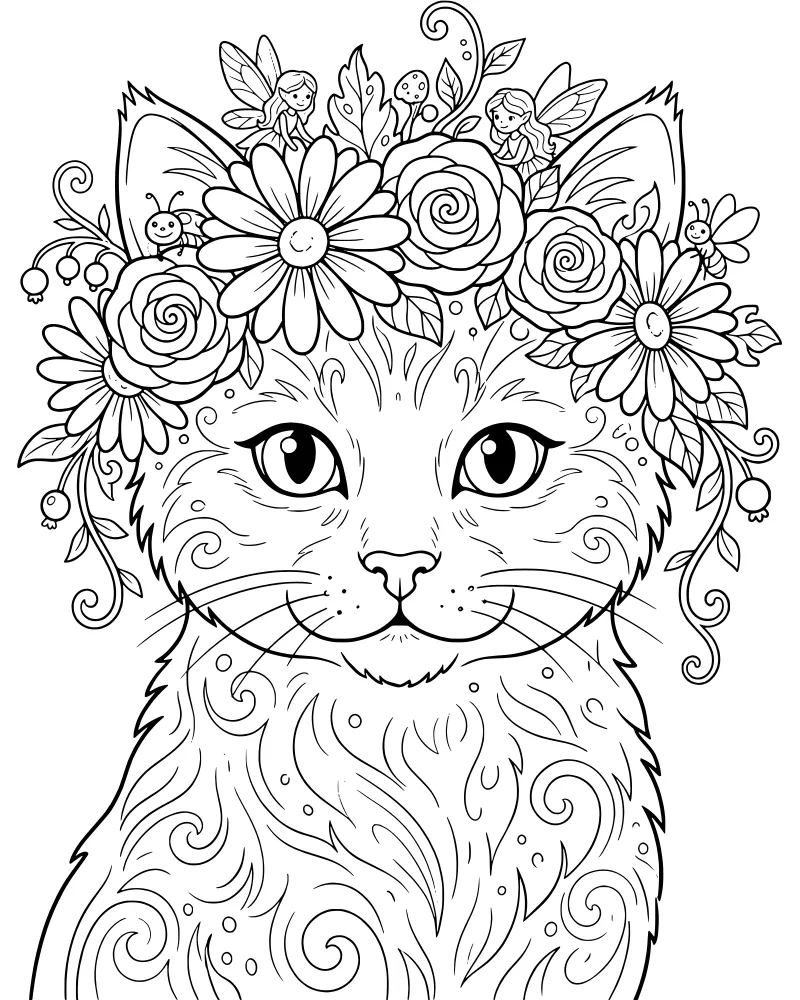
Whimsical Cat with Fairy Flower Crown
Fantasy & Mythology
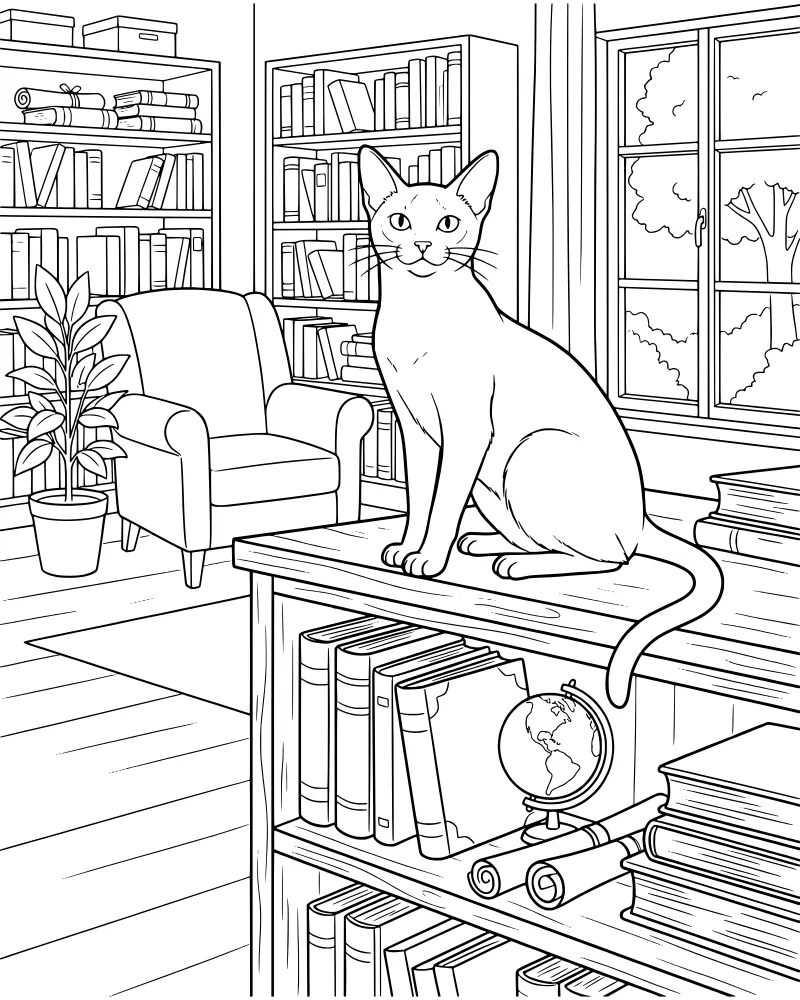
Cozy Library Cat on Bookshelf
Animals
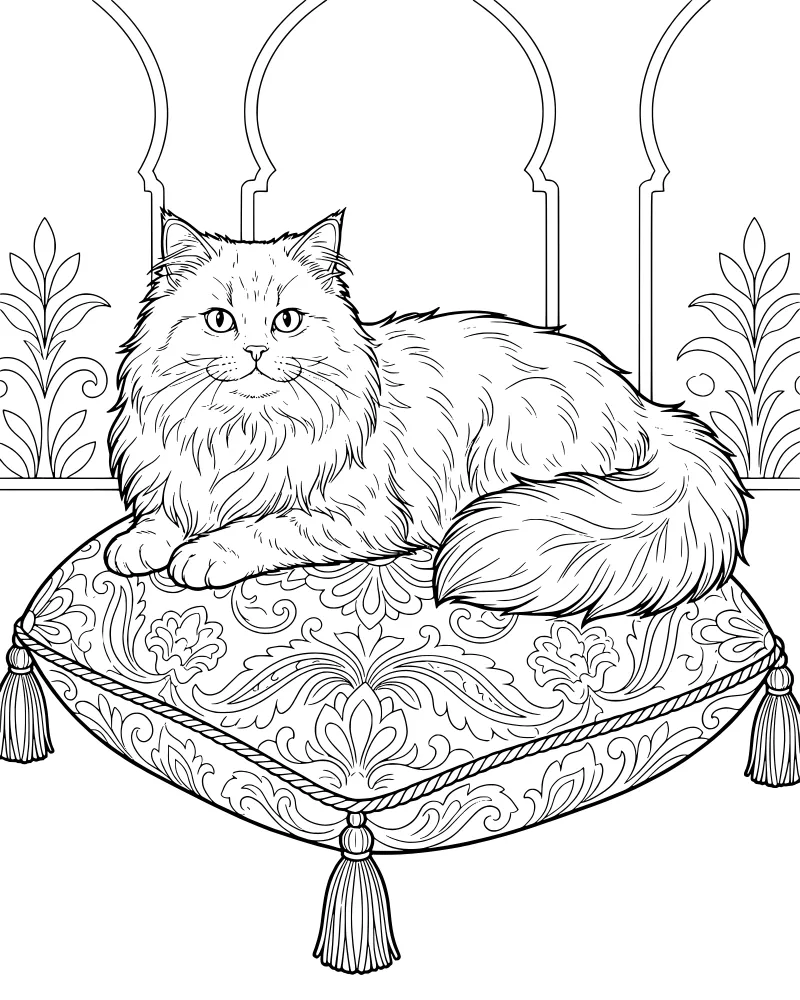
Regal Fluffy Cat on Ornate Pillow
Animals
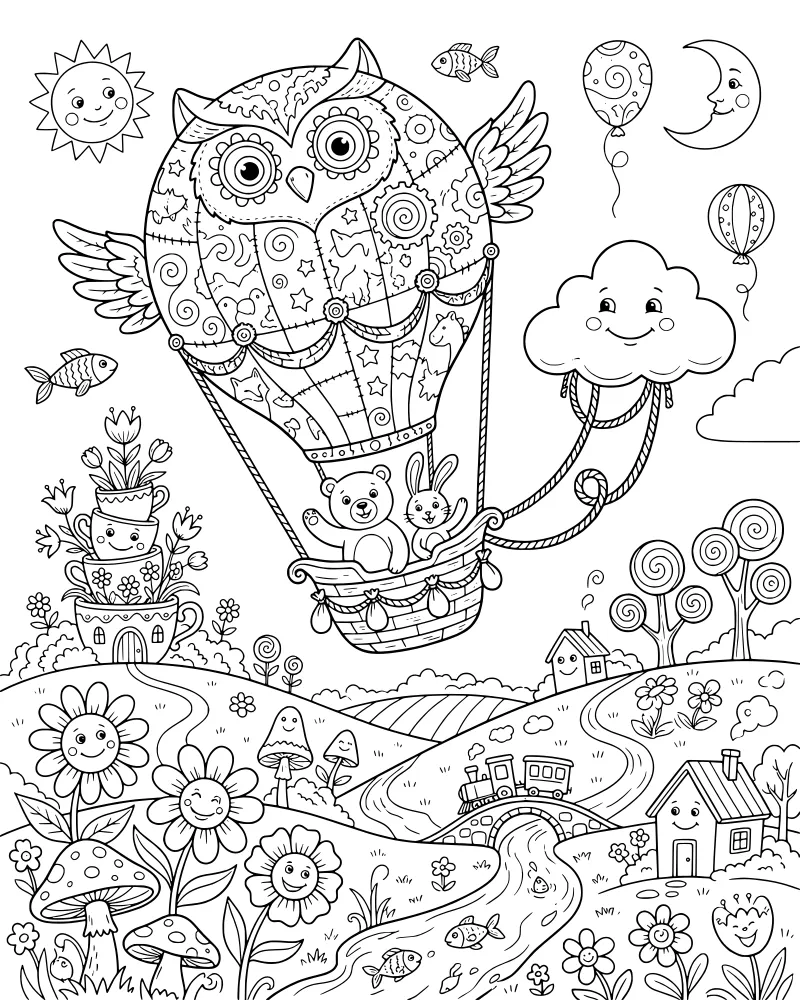
Whimsical Animal Hot Air Balloon Adventure
Fantasy & Mythology
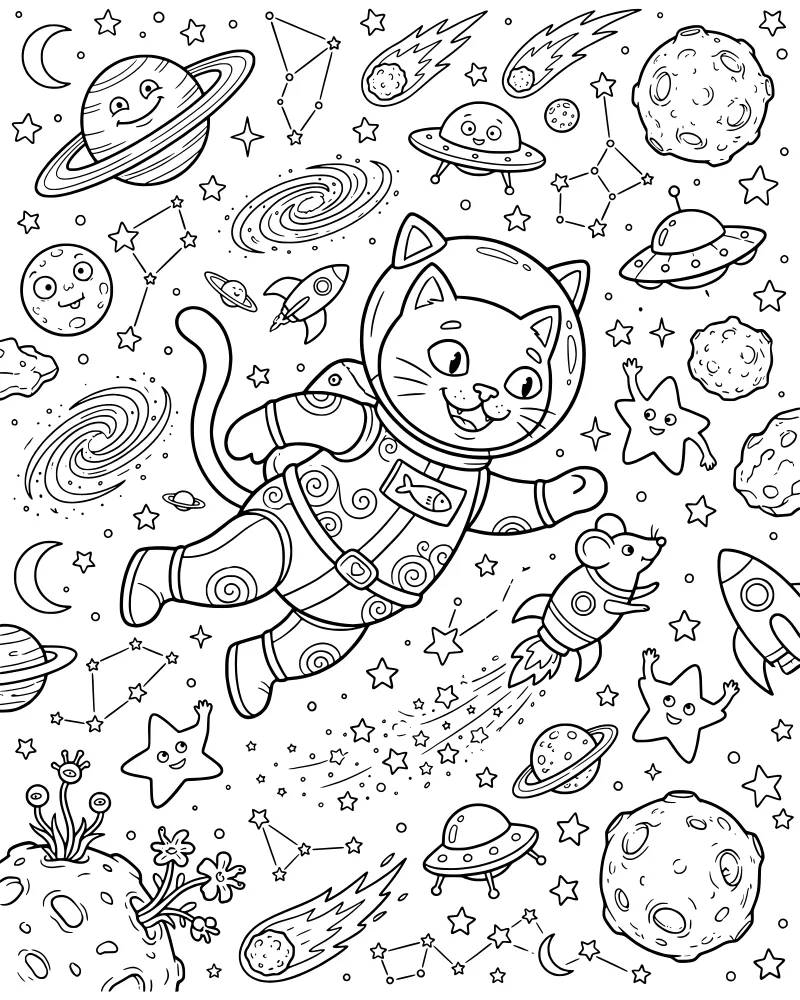
Cat and Mouse Astronauts Exploring Space
Space & Sci-Fi
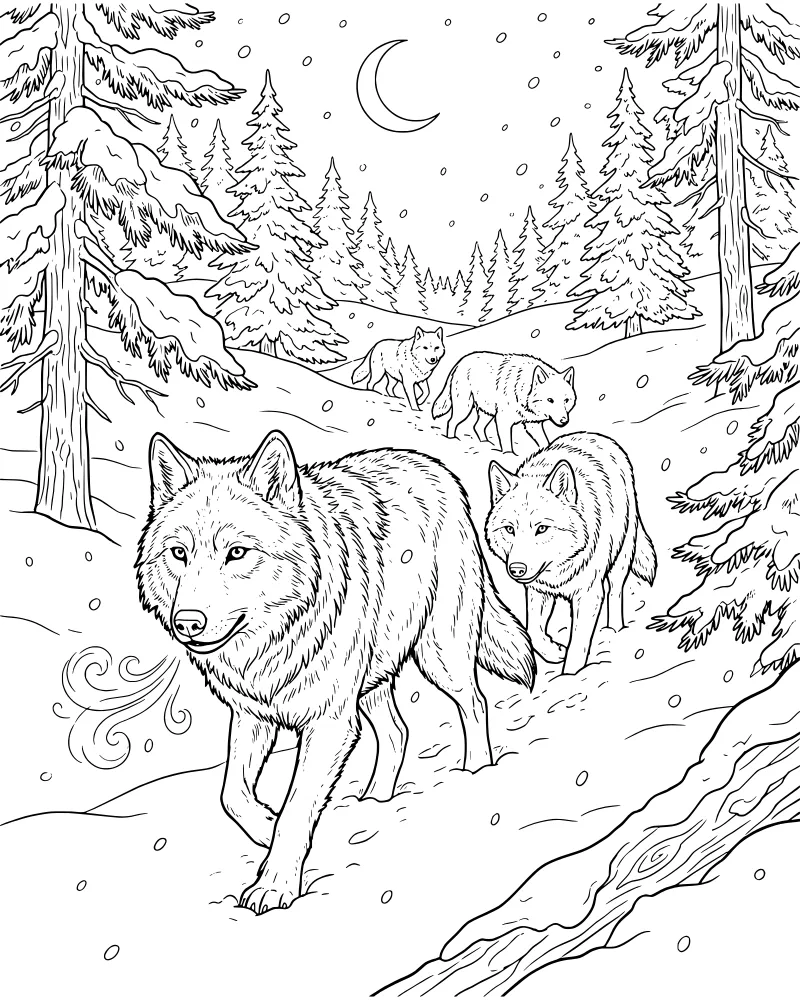
Wolf Pack Journey Through Snowy Forest
Animals
Whimsical Underwater Ruins and Sea Friends
Ocean & Sea Life
Mother and Baby Whale Ocean Scene
Ocean & Sea Life
Magical Night Forest Adventure
Nature & Outdoors
About This Collection
Animals bring a special kind of life to any art project. Whether you love the quiet of a deep forest or the busy atmosphere of a family farm, there is something deeply satisfying about bringing a creature to life with color. These pages offer a way to explore the natural world from your kitchen table, helping children and adults alike connect with the beauty of the outdoors. Coloring helps develop fine motor skills while providing a peaceful break from screens and daily routines. From the smallest frog on a leaf to the largest whale in the deep blue sea, every animal has a story to tell through the shades you choose. We invite you to find your favorite species and start your next artistic project with our extensive collection of animal illustrations.
Discovering the Wonders of Wildlife
Animals capture the heart because they represent the wild and untamed spirit of the world. When children color animals, they often learn about biology and geography without even realizing it. They start to wonder what a bear eats, how a moose stays warm in the rain, or where a wolf goes at night. This natural curiosity fosters a lifelong love for the environment and a respect for the creatures that share our planet. Scenes like Mother Bear Fishing with Cubs provide a glimpse into the daily lives of animals in their natural habitats, showing the gentle bond between parent and offspring in the wild. By focusing on these details, artists can feel a closer connection to the rhythms of nature.
Exploring different ecosystems through art is a wonderful way to travel the world from home. You can travel from the highest mountain peaks where goats roam to the deepest parts of the ocean where whales sing. Each setting offers a unique opportunity to use different artistic techniques, such as soft blending for misty mountains or vibrant, solid colors for tropical jungles. These illustrations encourage a sense of wonder about the diversity of life on Earth, making each coloring session both an art lesson and a science discovery.
Farmyard Friends and Country Life
The farm is often a child's first introduction to the animal kingdom. There is a comforting, nostalgic rhythm to farm life that translates beautifully onto paper. Cows, sheep, and roosters are classic subjects that allow for bright, cheerful colors and simple shapes. A page like Happy Cow on the Sunny Farm invites us to imagine the smell of fresh hay and the warmth of a summer afternoon spent in the countryside. These illustrations are particularly great for younger artists who are just beginning to recognize the sounds and shapes of domestic animals, providing a familiar and friendly starting point for their coloring journey.
Farm scenes also provide a great way to talk about where our food comes from and the importance of taking care of animals. As children color in barns, silos, and fences, they can learn about the hard work that goes into running a farm. The variety of animals found in a farmyard—from the fluffy wool of a sheep to the smooth coat of a horse—allows for a wide range of tactile exploration with different coloring tools. It is a chance to celebrate the simple joys of rural life and the animals that have been our companions for centuries.
Choosing the Perfect Color Palette
While many people like to stick to realistic colors, there is no rule saying a wolf must be gray or a frog must be green. Using a realistic palette helps children understand the concept of camouflage and how animals blend into their surroundings for protection. For example, a Wolf Pack Journey Through Snowy Forest might call for cool blues, deep grays, and crisp whites to capture the chill of a winter night and the stealthy nature of the pack. This approach teaches observation and an appreciation for the subtle colors found in the natural world.
On the other hand, using vibrant, unexpected colors can turn a simple animal drawing into a piece of modern art. Encouraging children to experiment with neon pinks, bright purples, or golden yellows helps them understand color theory and the joy of personal expression. There is a special kind of magic in a rainbow-colored horse or a polka-dotted snake. By alternating between realistic and imaginative palettes, artists can develop a versatile style and discover which colors make them feel the most inspired.
Tips for Adding Texture and Detail
One of the most rewarding parts of coloring animals is trying to replicate the many textures found in nature. To create the look of soft, thick fur, try using short, quick strokes with your colored pencils rather than filling in large blocks of color. For the smooth surface of a tropical leaf or the sleek skin of a whale, long and even strokes work best to create a polished finish. You can even use different mediums, like crayons for the thick, textured coat of a sheep or fine-tipped markers for the sharp contrast of a bird's feathers or an eagle's beak.
Layering colors is another effective way to add depth and realism to your work. Start with a very light base layer and gradually build up darker shades in the areas where shadows would naturally fall, such as under a wing or beneath a heavy branch. This technique makes the animal look three-dimensional, as if it might jump right off the page. Adding small details like highlights in the eyes with a white gel pen or a bit of glitter to represent dew on a leaf can provide that final touch that makes the artwork truly stand out.
Creative Activities with Your Finished Art
Once a page is finished, the enjoyment can continue through various crafts and activities. You can turn a collection of completed pages into a personalized animal encyclopedia. Simply punch holes in the side of the pages and tie them together with a piece of yarn or ribbon. This creates a wonderful keepsake that children can look back on with pride, tracking how their coloring skills have improved over time. It also serves as a great reference book for their favorite animal facts.
Another idea is to cut out the animals after they are colored and glue them onto a large piece of poster board to create a giant nature mural. This is a fantastic group activity for siblings or friends, allowing everyone to contribute their favorite creature to a shared landscape. You could even turn the animals into puppets by taping them to craft sticks, providing hours of storytelling fun. Sharing finished art with family members or mailing a colored page to a grandparent is a simple way to spread joy and show off the hard work put into every page.