Discover free printable nature coloring pages. From peaceful forests and waterfalls to sunny flower meadows, find the perfect outdoor scene to color today.
Nature Coloring Pages
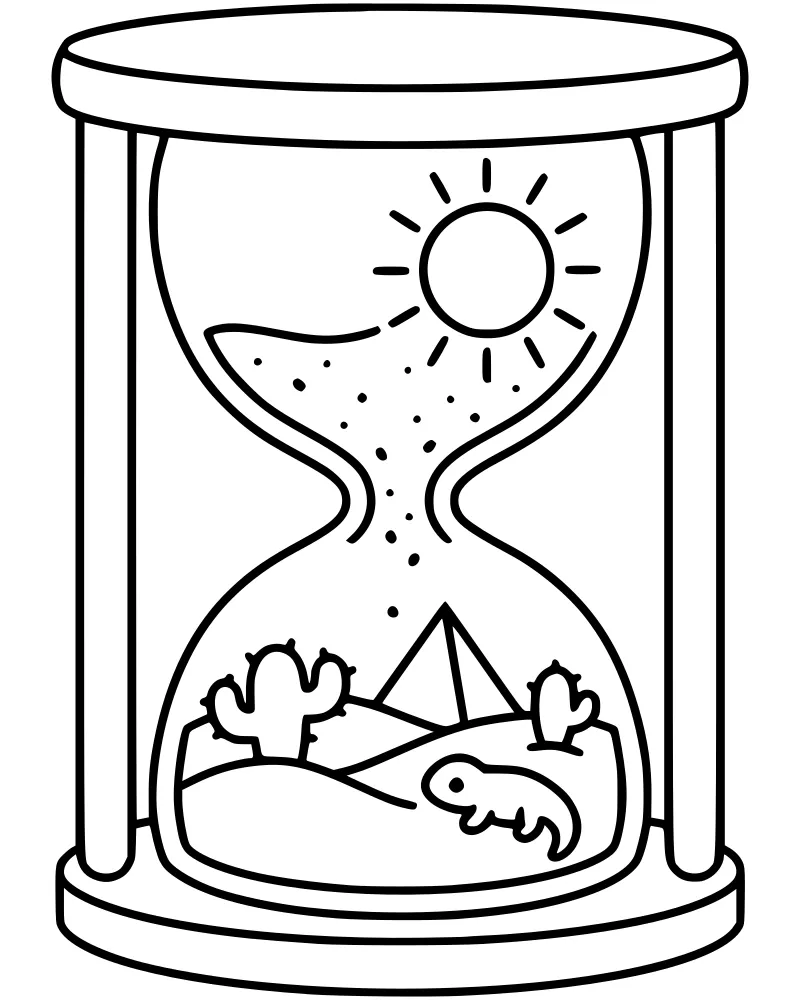
Desert Sun Hourglass Adventure
Nature & Outdoors
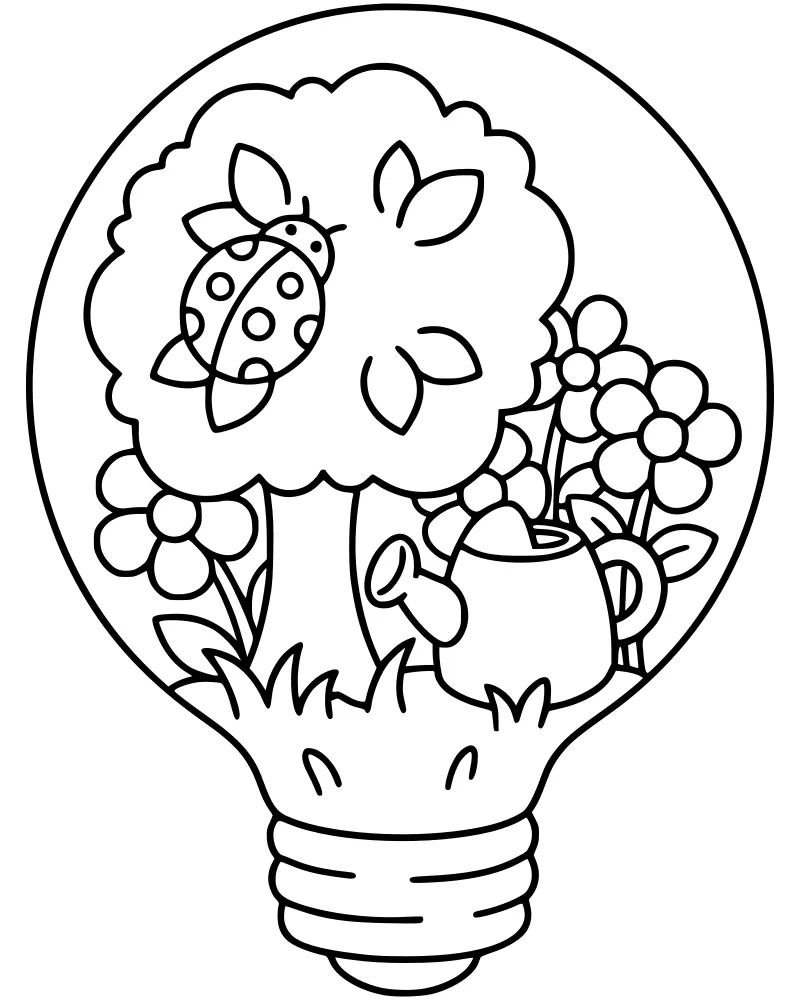
Whimsical Garden Inside a Light Bulb
Nature & Outdoors
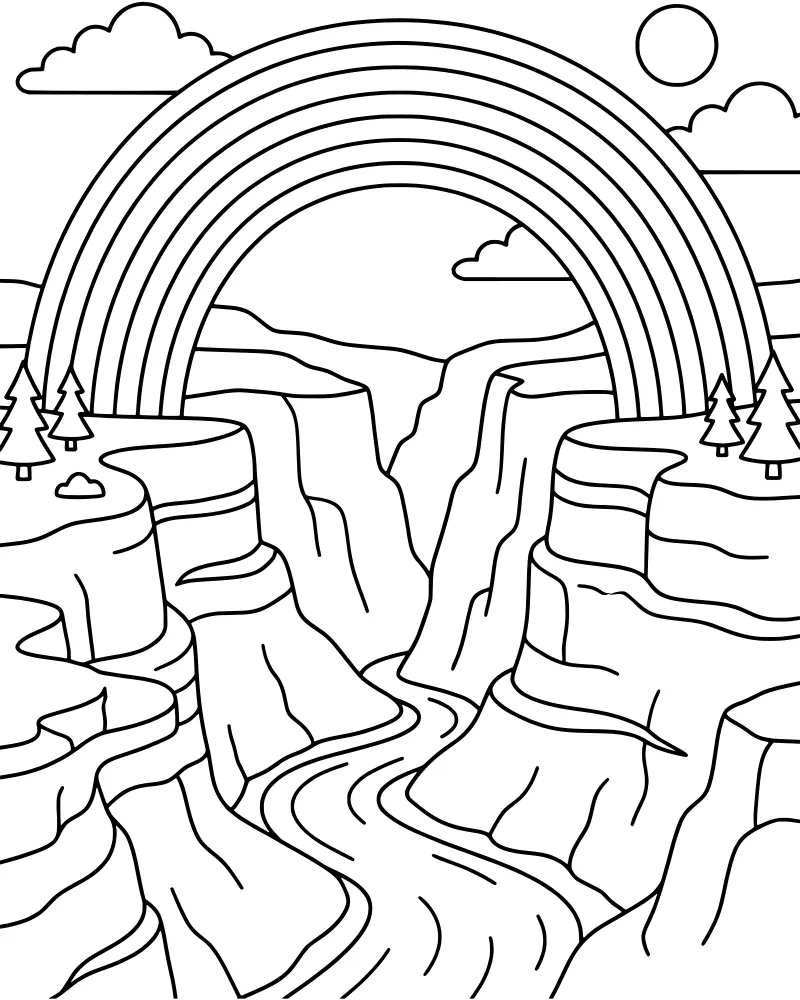
Majestic Rainbow Canyon and River
Nature & Outdoors
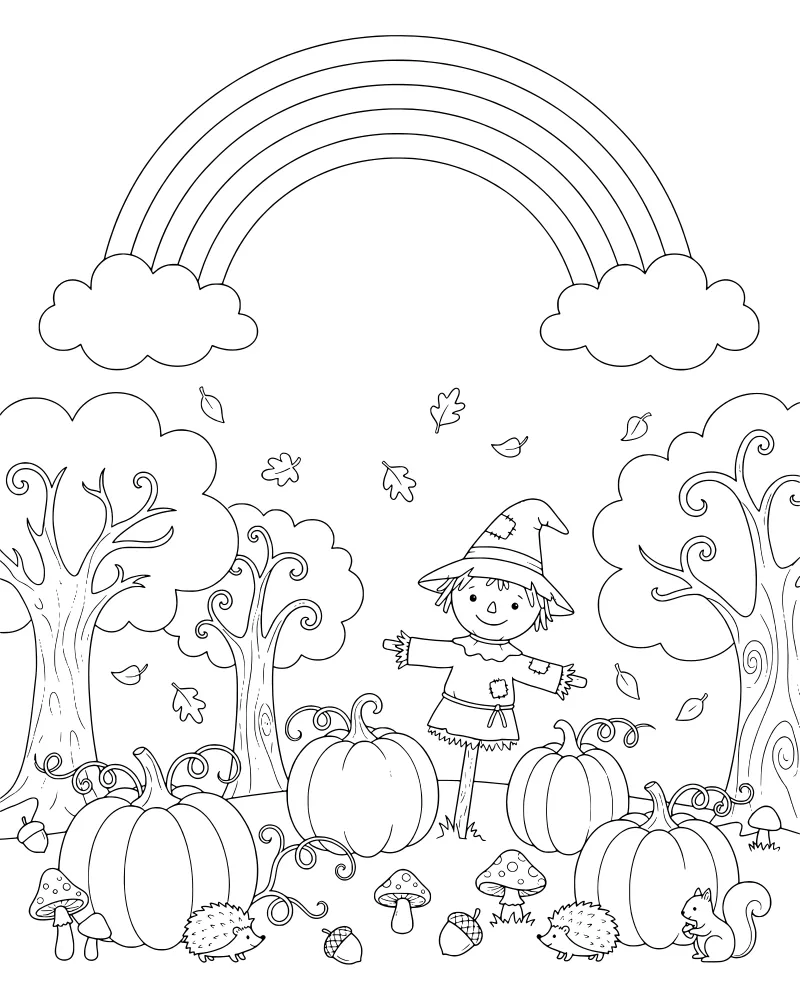
Whimsical Autumn Scarecrow and Rainbow Scene
Nature & Outdoors
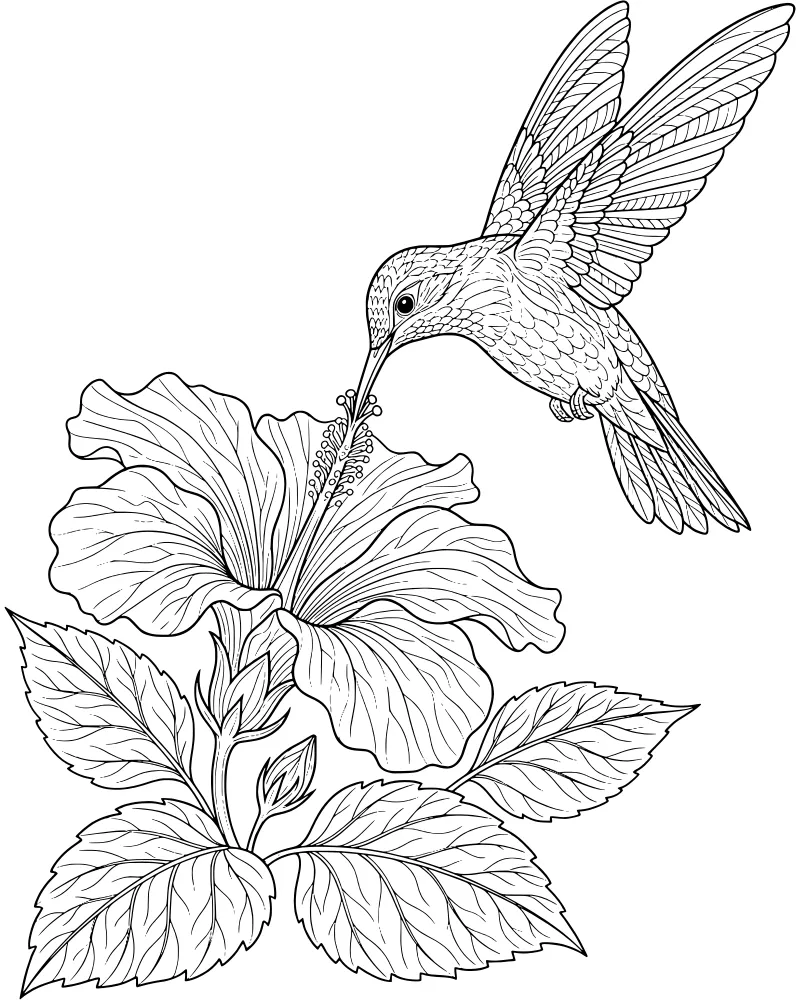
Hummingbird and Tropical Hibiscus Bloom
Nature & Outdoors
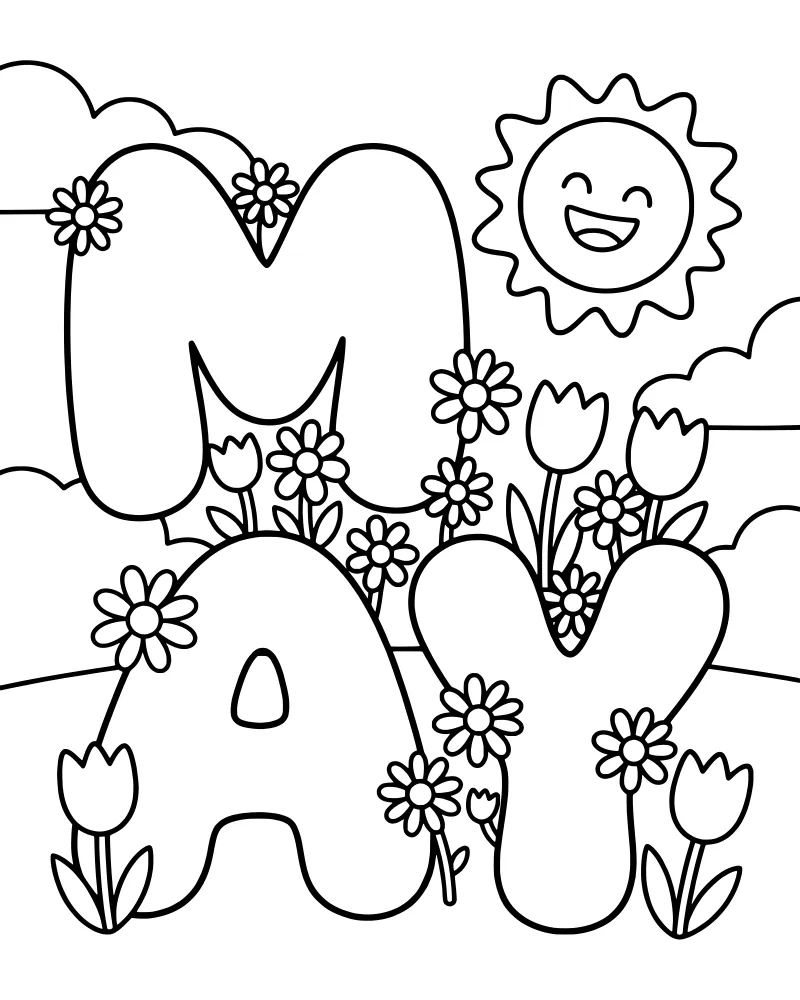
Cheerful May Spring Flowers and Sun
Holidays & Celebrations
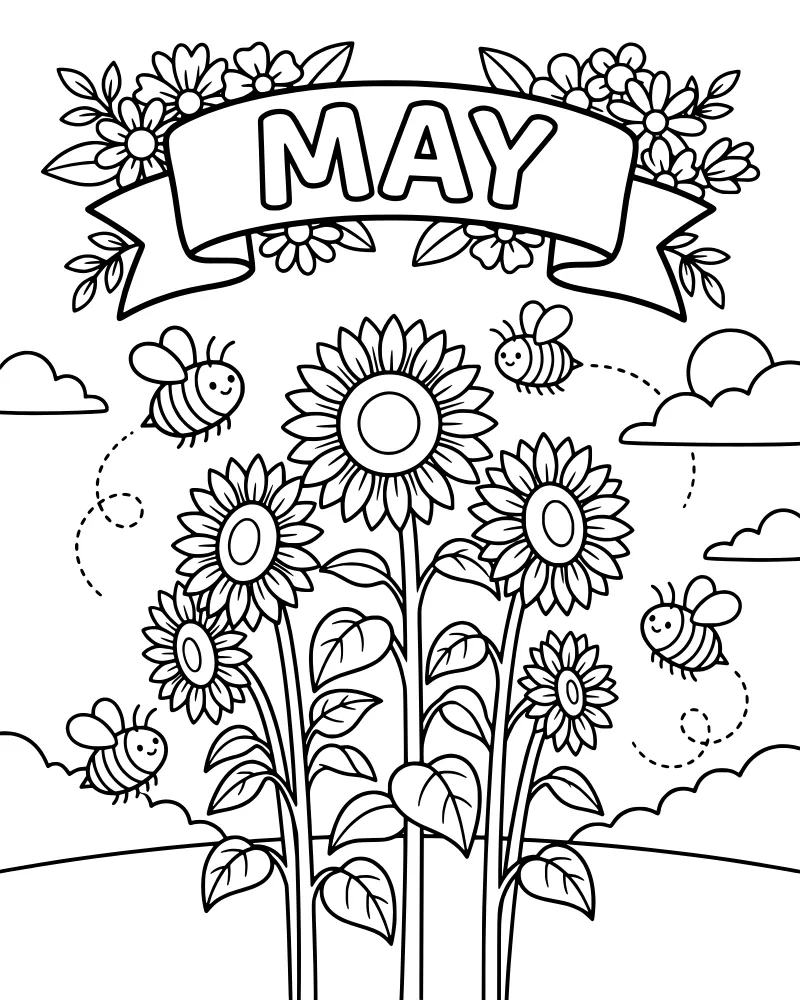
Sunny May Garden with Bees
Nature & Outdoors
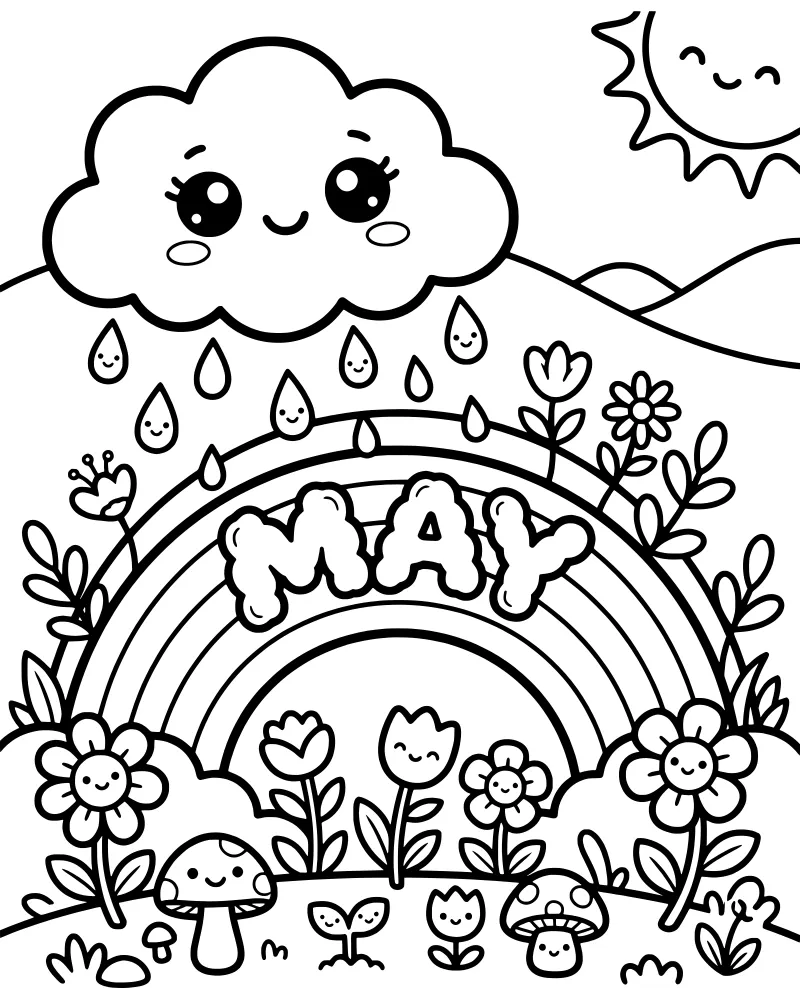
Cheerful May Spring Rainbow and Flowers
Nature & Outdoors
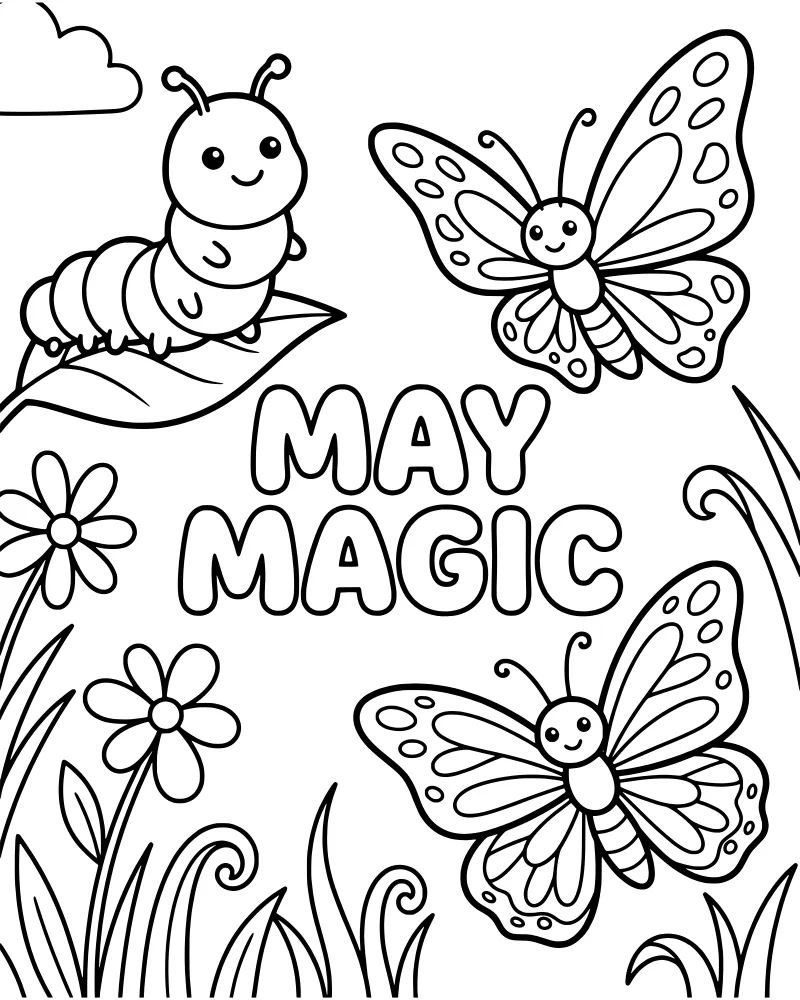
May Magic Spring Garden
Bugs & Insects
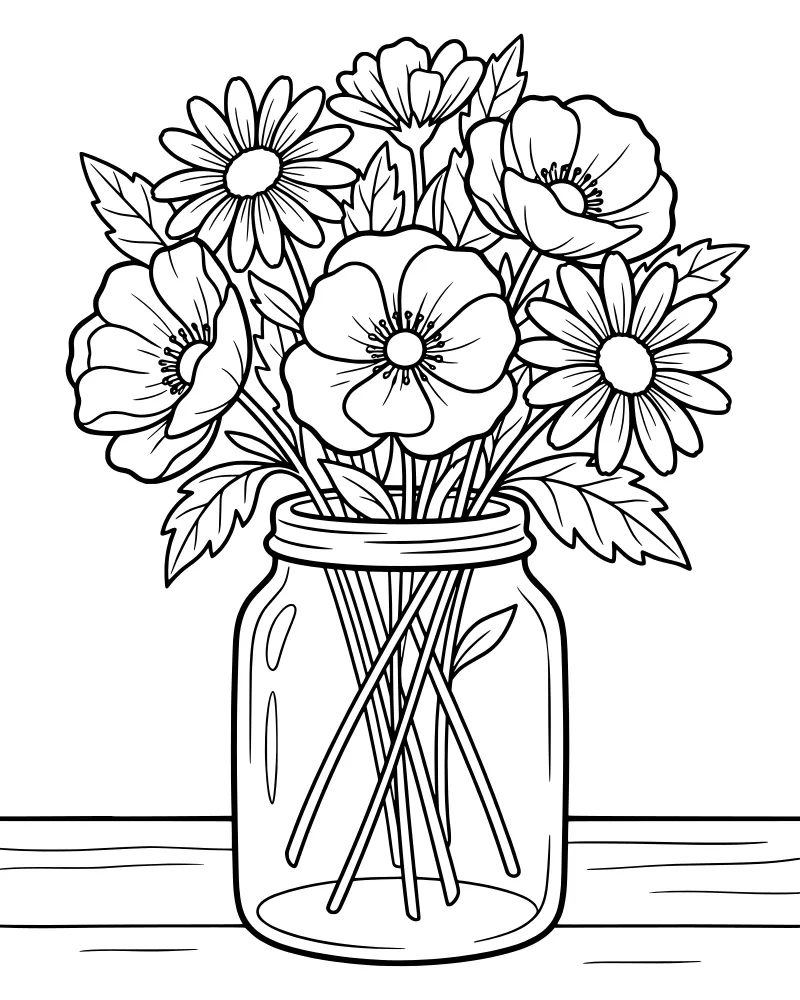
Mason Jar Bouquet of Daisies and Poppies
Nature & Outdoors
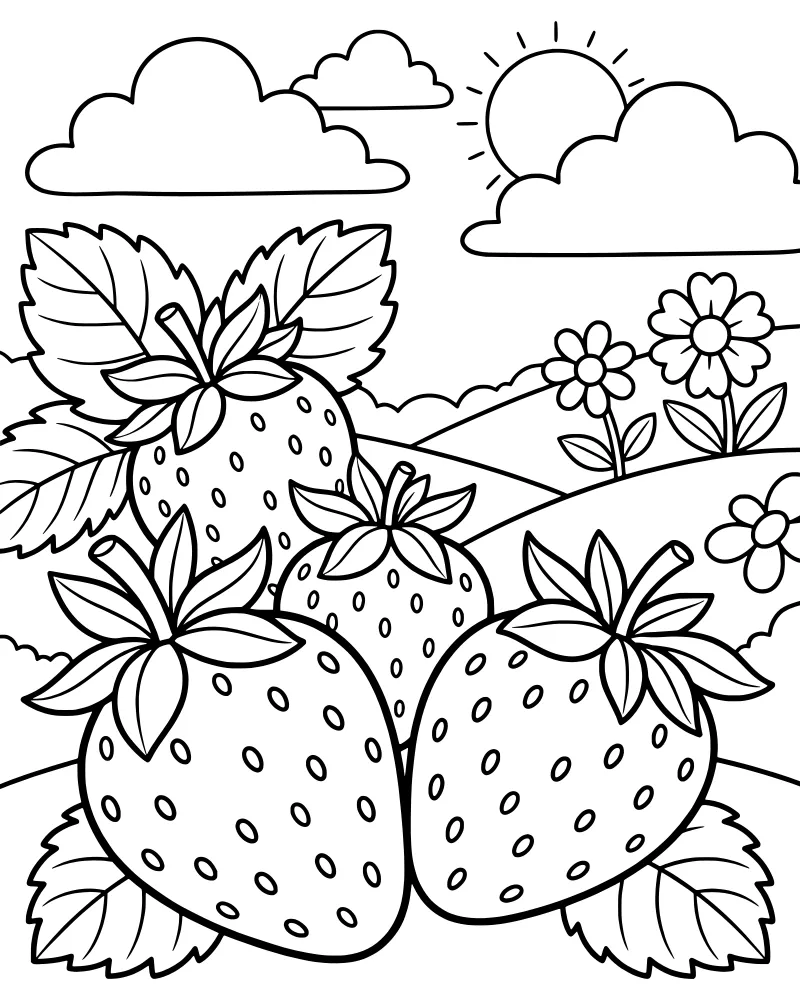
Sunny Strawberry Field
Nature & Outdoors
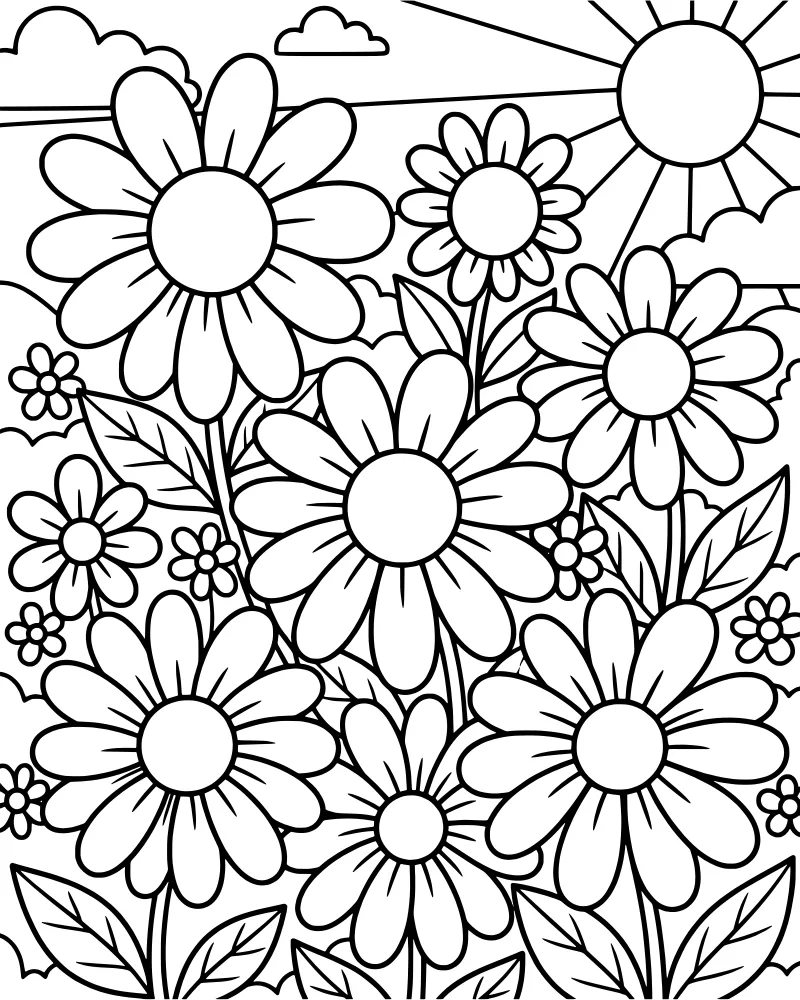
Cheerful Garden Daisies and Bright Sun
Nature & Outdoors
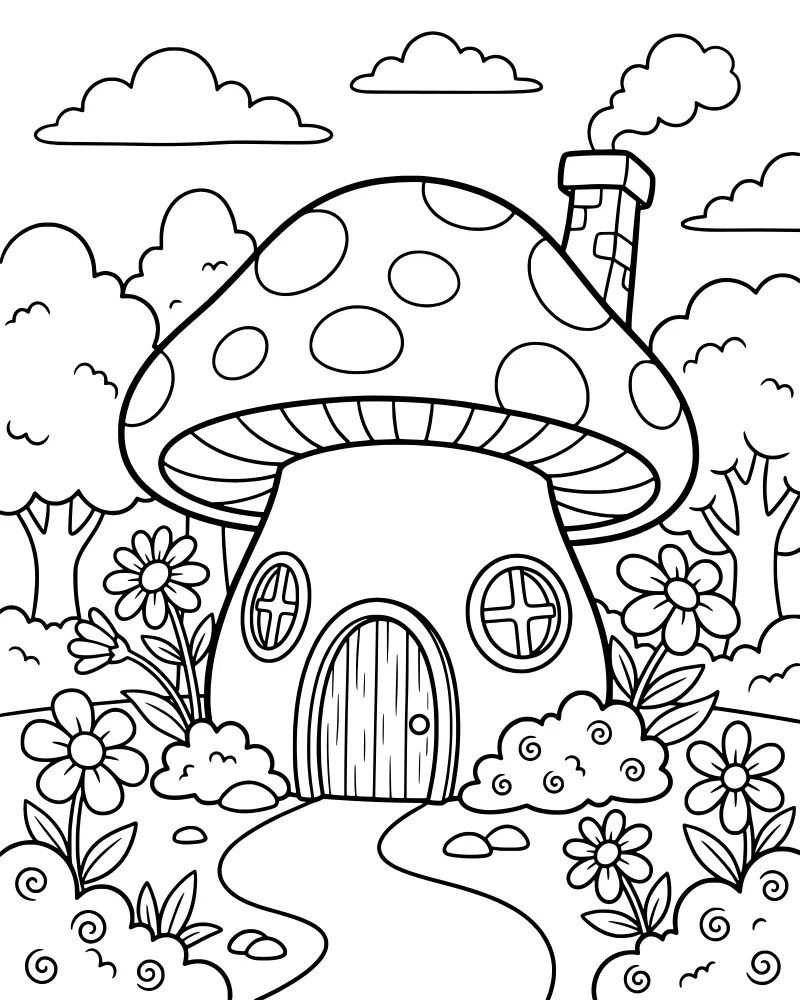
Whimsical Mushroom Forest Cottage
Fantasy & Mythology
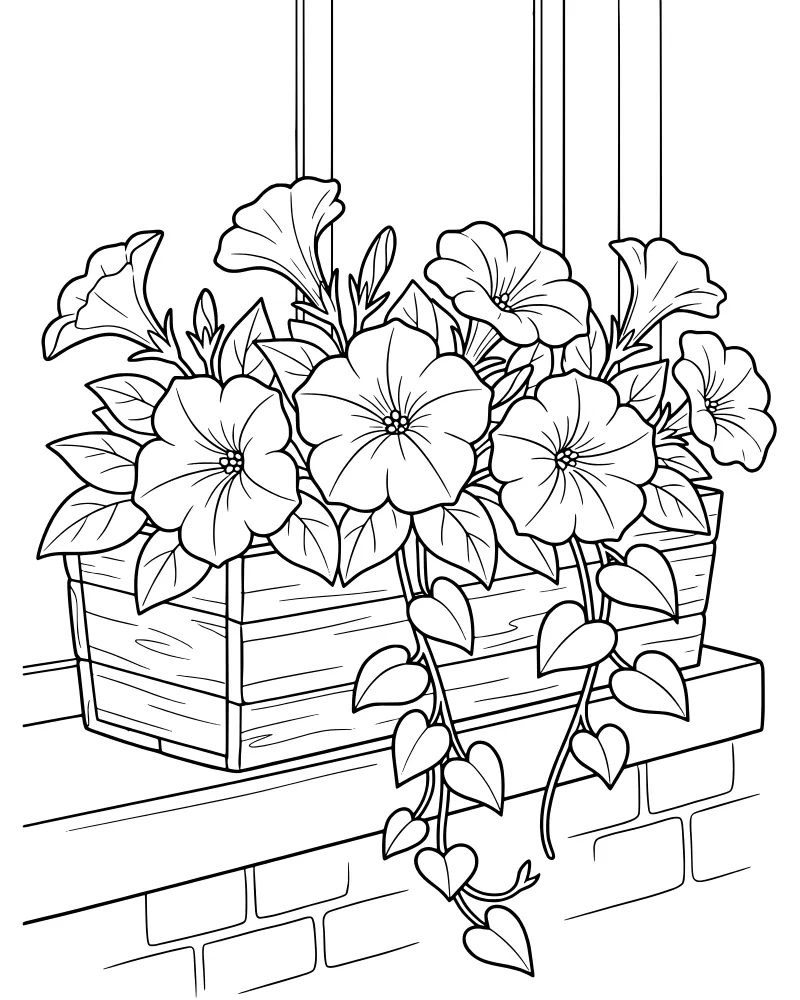
Blooming Petunias in a Window Box
Nature & Outdoors
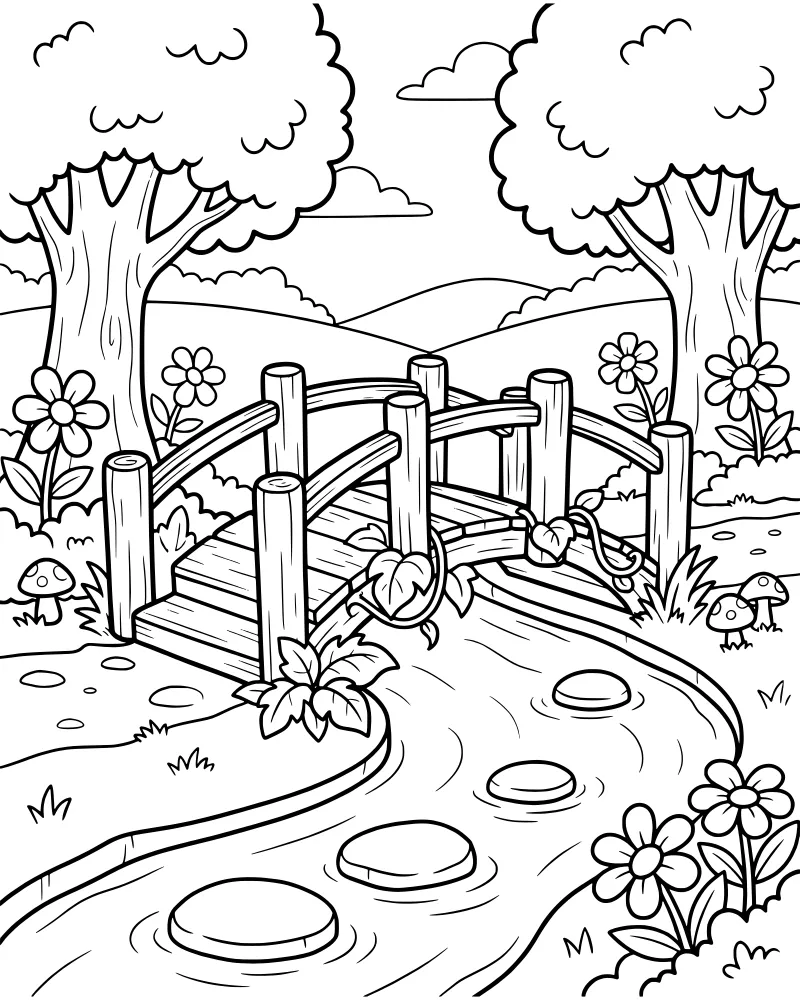
Wooden Bridge Over Gentle Stream
Nature & Outdoors
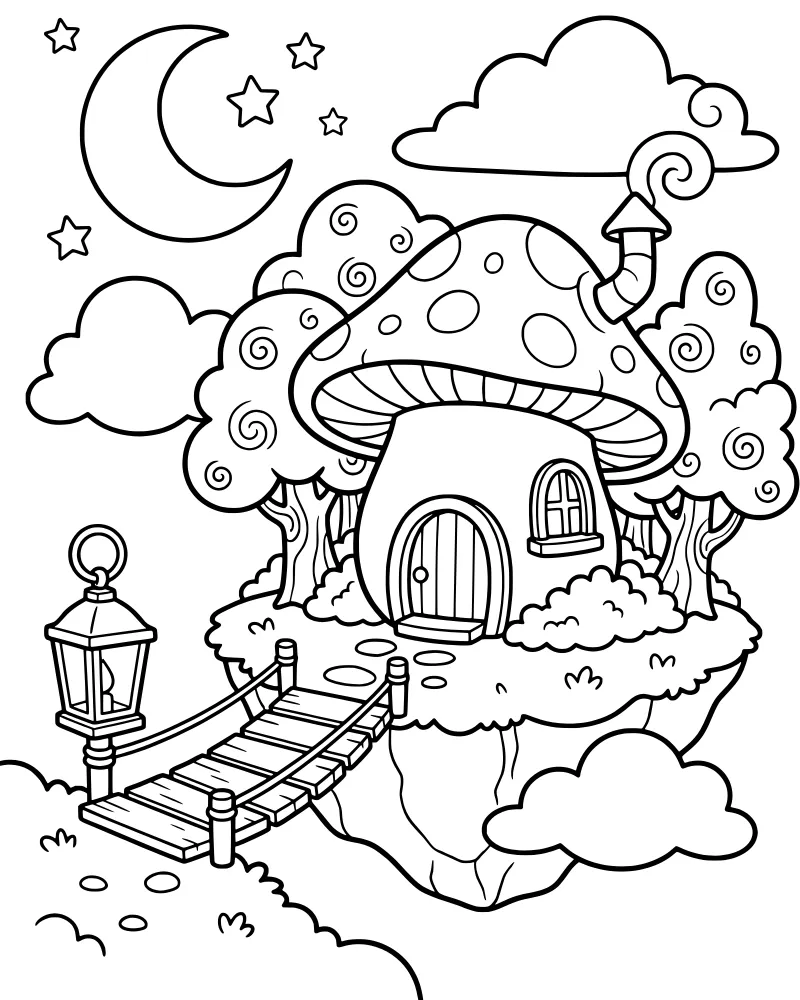
Whimsical Mushroom House On Floating Island
Fantasy & Mythology

Celestial Hearts and Night Sky
Mandalas & Patterns
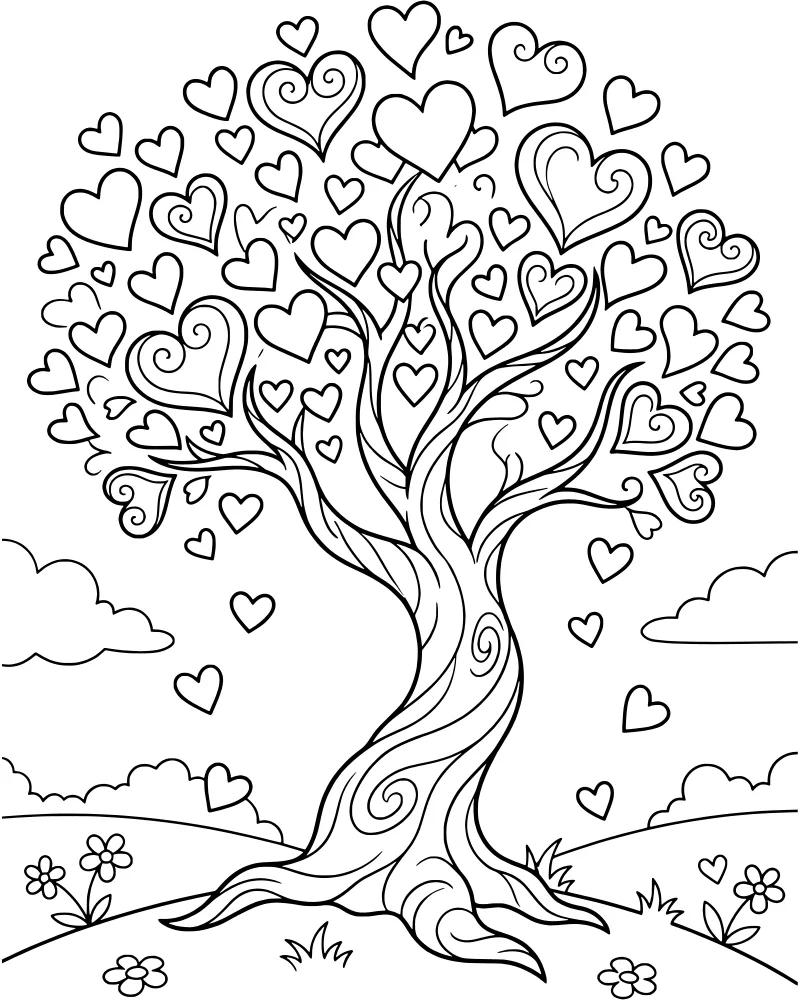
Whimsical Heart Leaf Tree Landscape
Nature & Outdoors
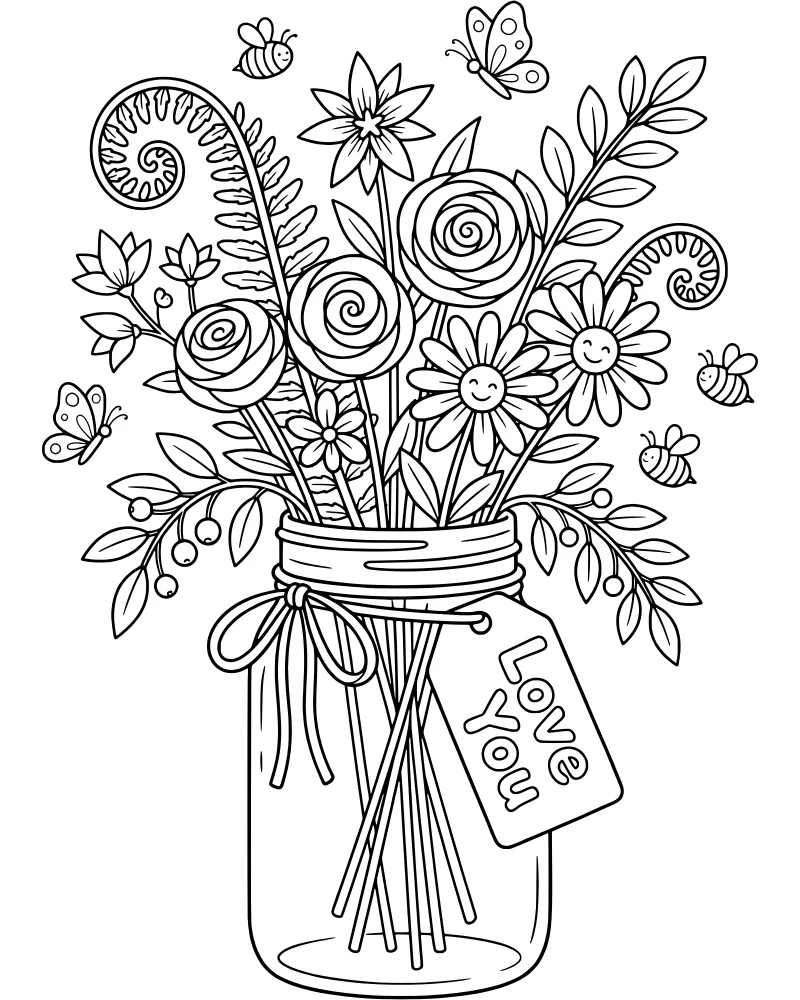
Mason Jar Flower Bouquet
Nature & Outdoors
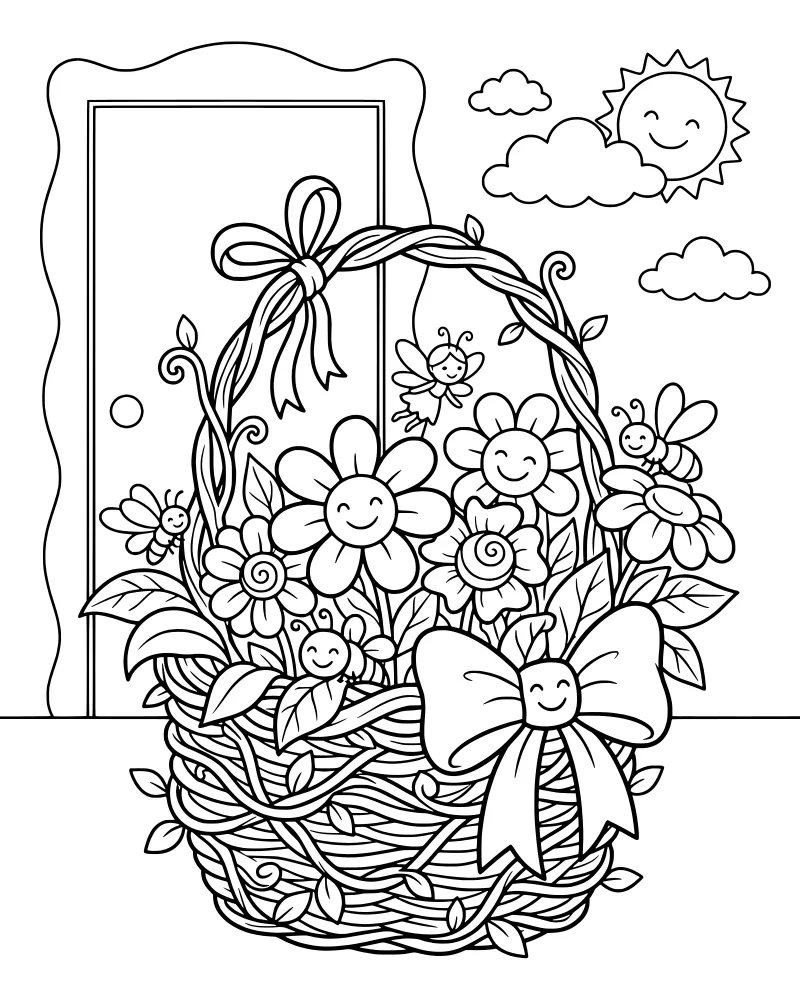
Whimsical Flower Basket with Fairies
Nature & Outdoors
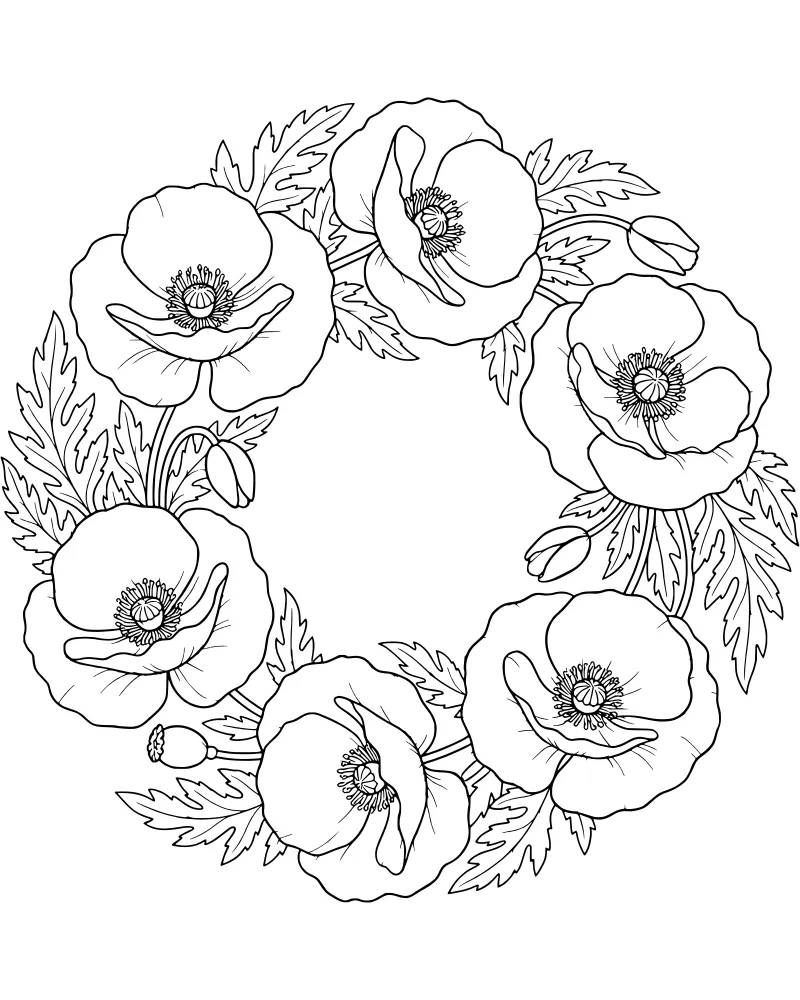
Elegant Poppy Flower Wreath
Nature & Outdoors
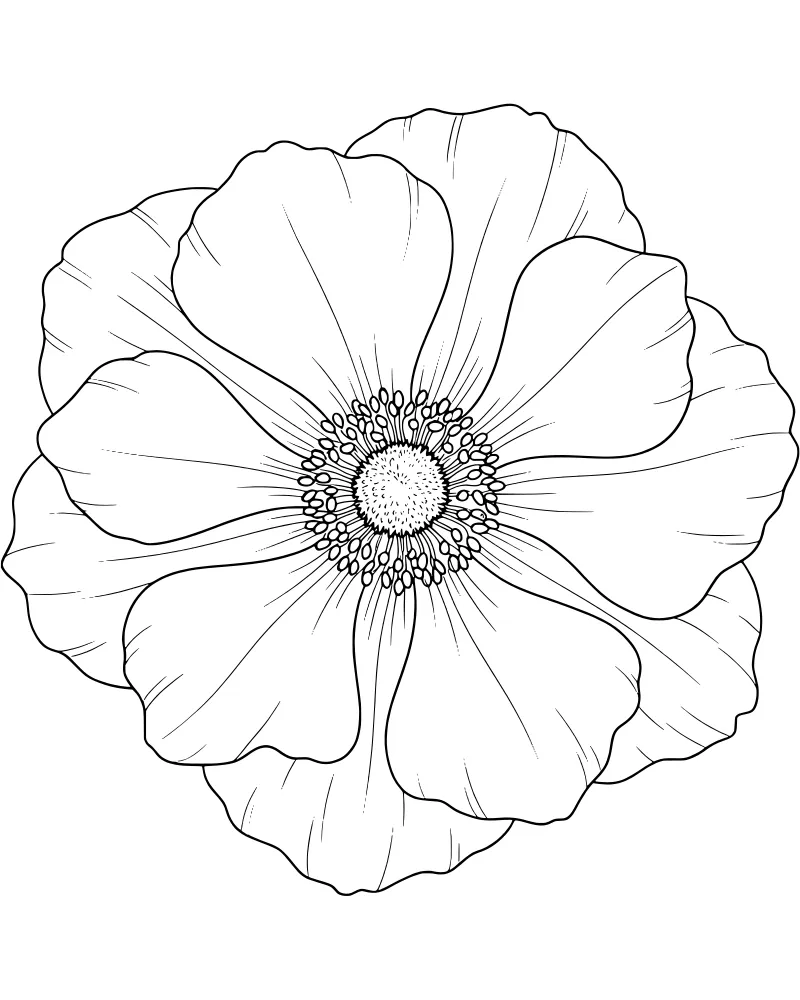
Elegant Anemone Flower Bloom
Nature & Outdoors
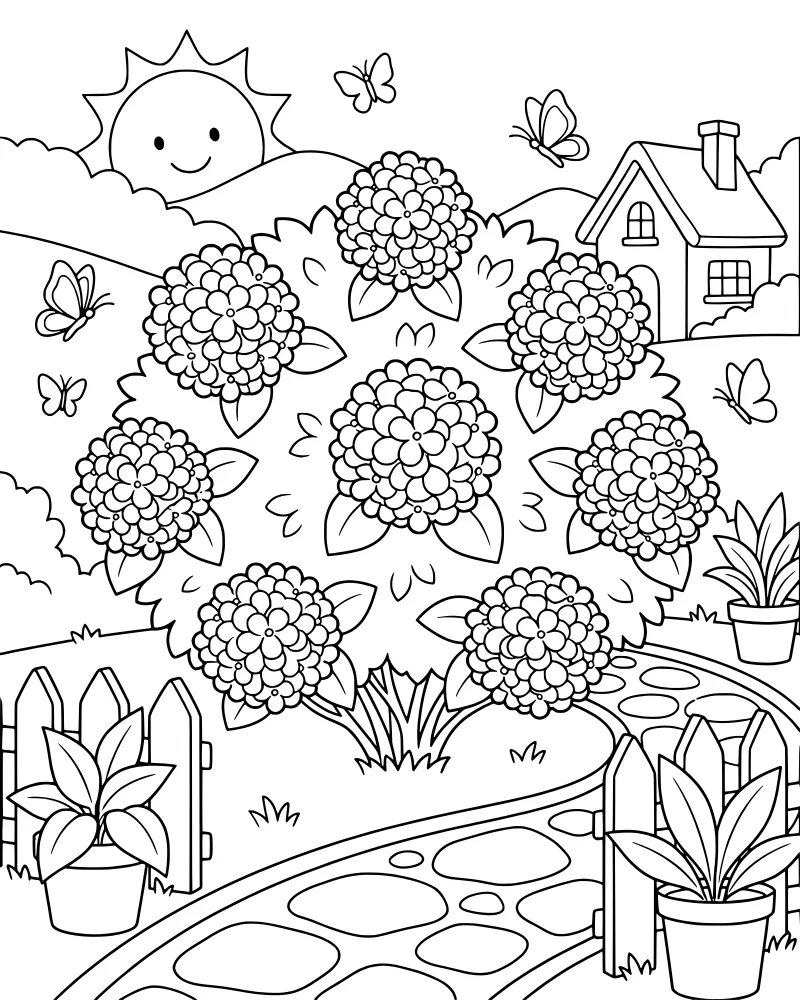
Hydrangeas in a Sunny Garden
Nature & Outdoors
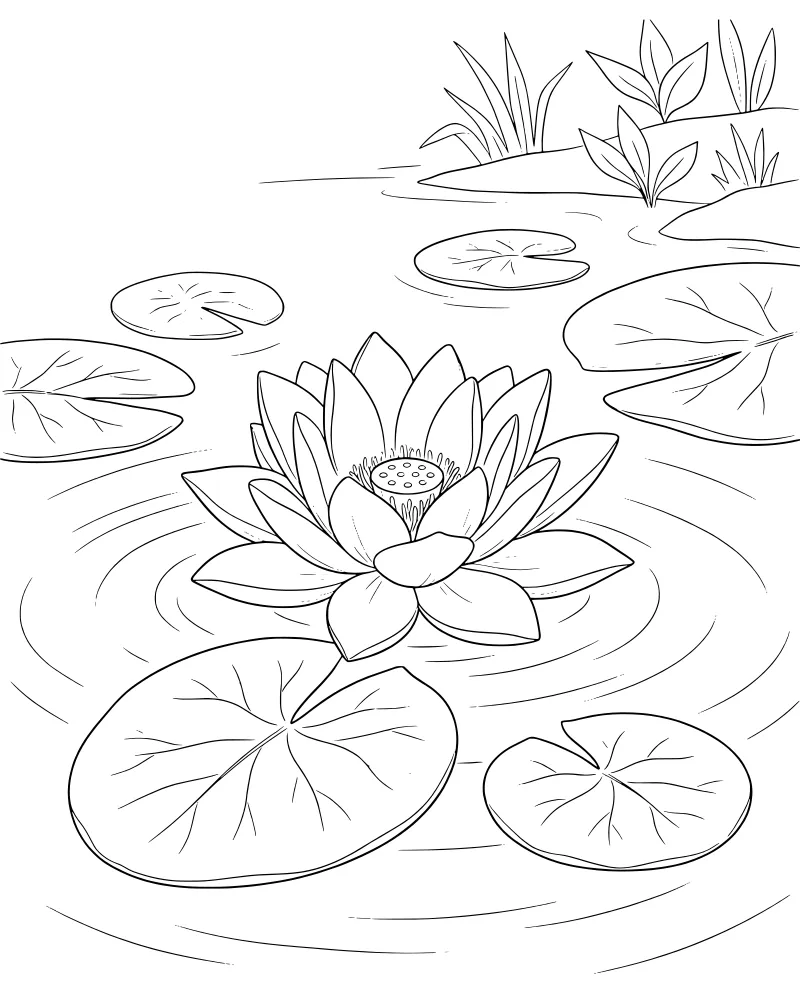
Peaceful Water Lily Pond Scene
Nature & Outdoors
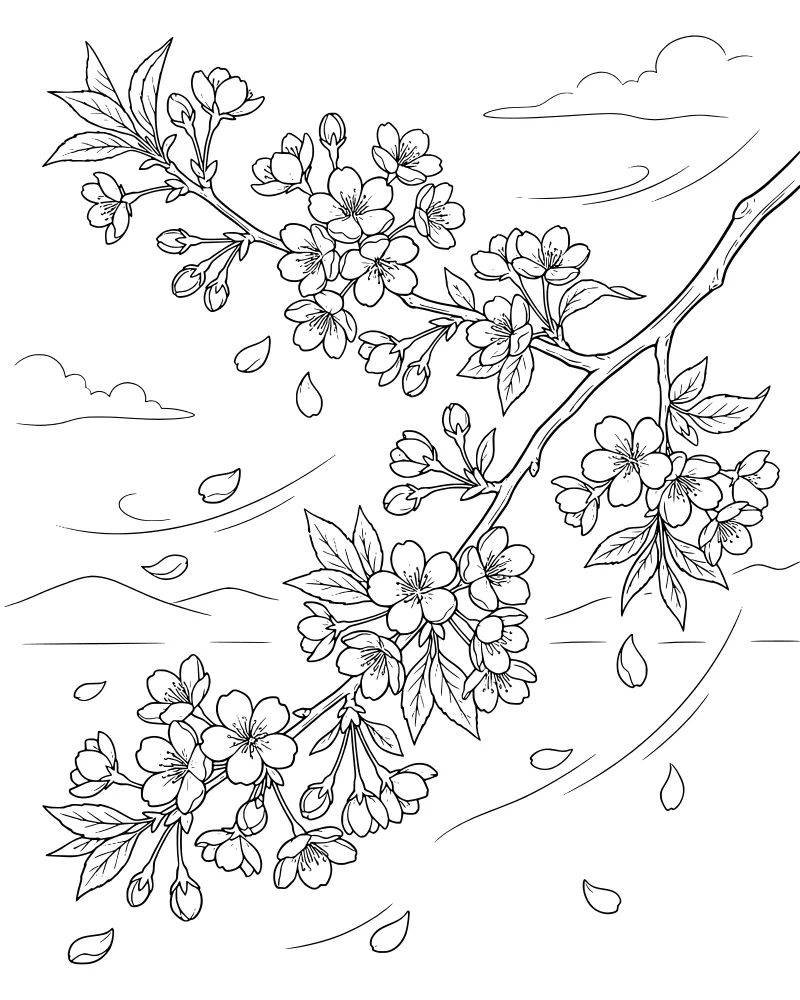
Spring Cherry Blossom Branch in Bloom
Nature & Outdoors
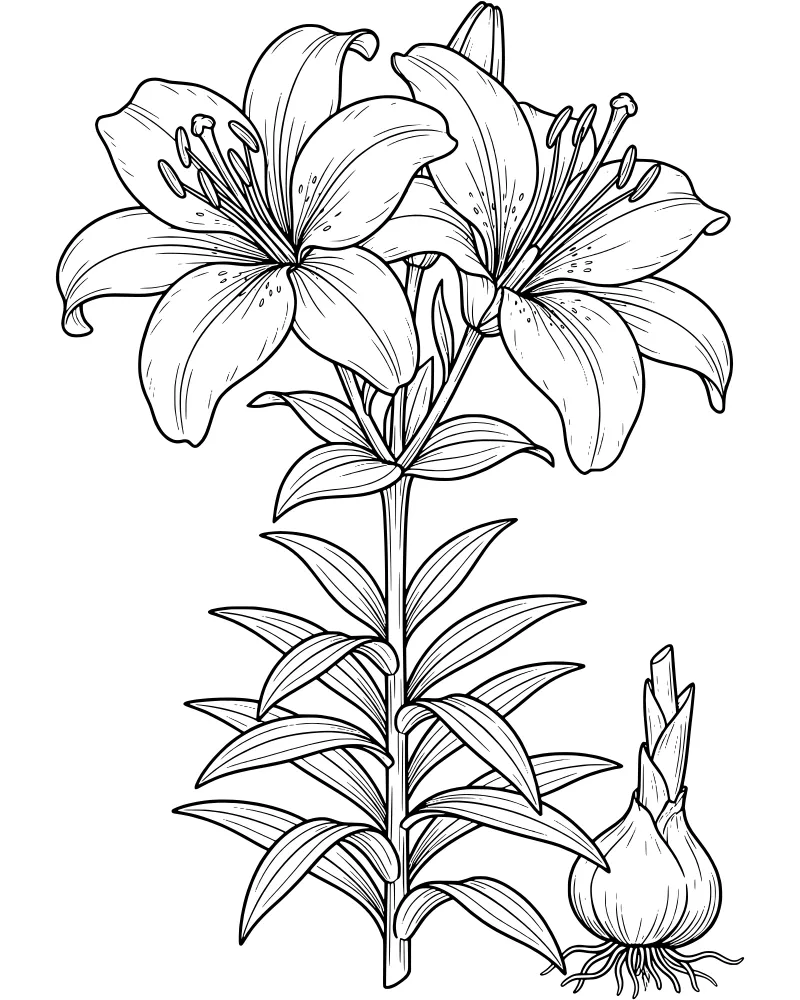
Botanical Lily Plant with Bulb
Nature & Outdoors
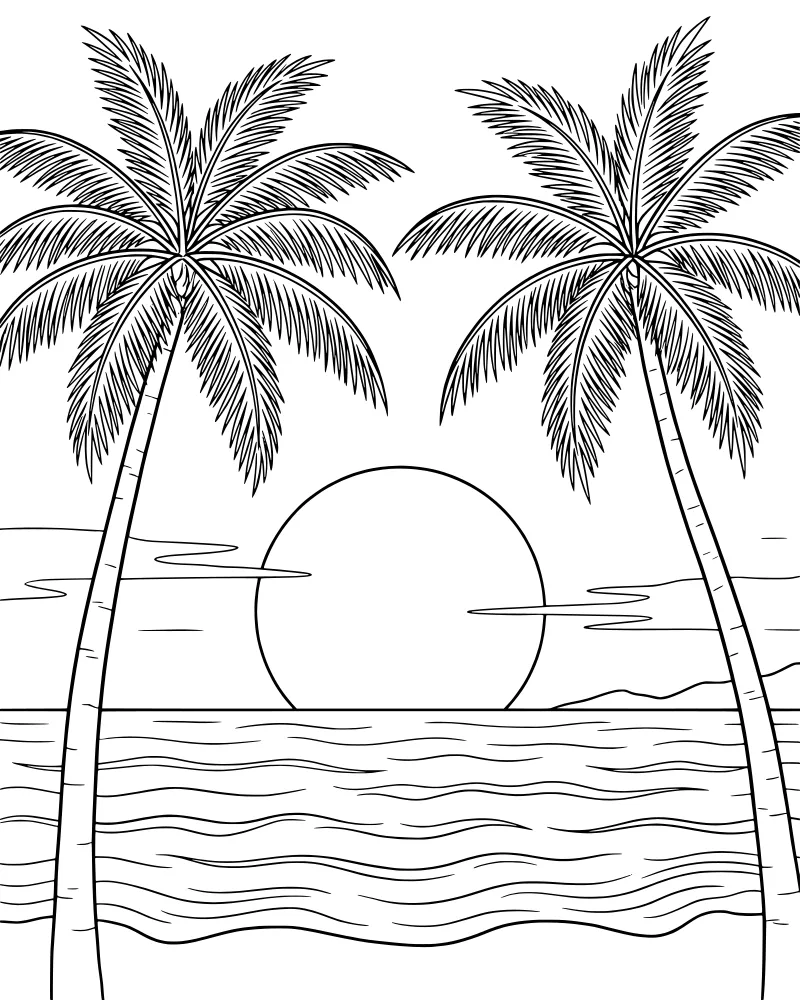
Tropical Sunset Beach with Palm Trees
Nature & Outdoors
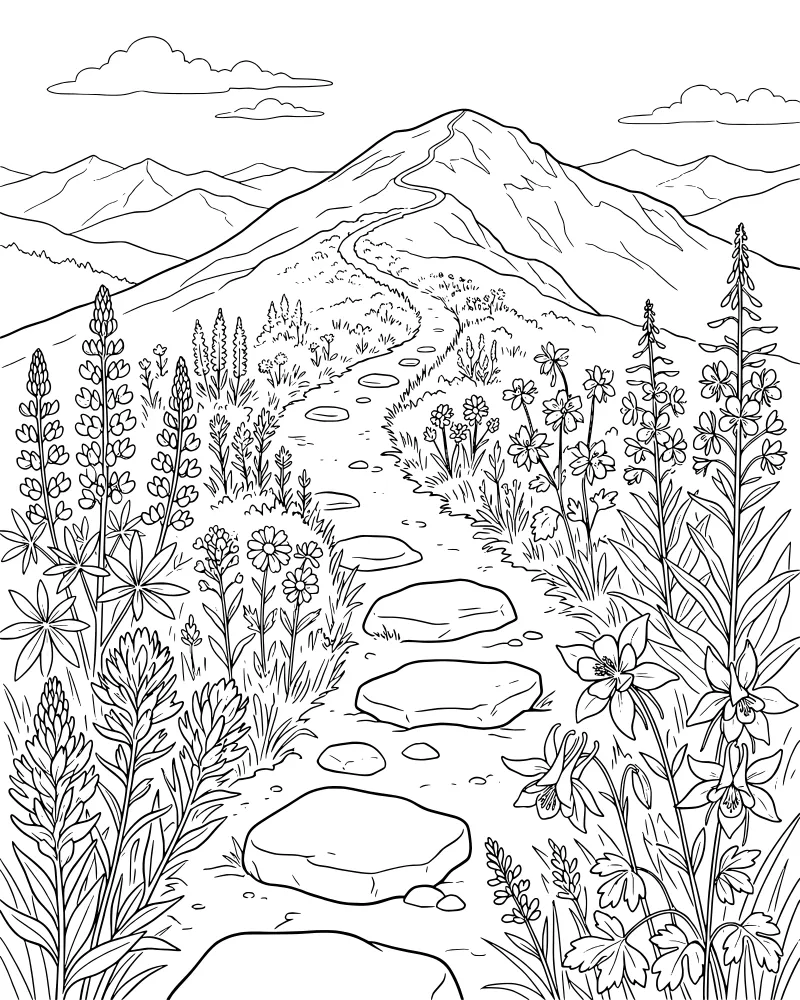
Winding Mountain Path with Wildflowers
Nature & Outdoors
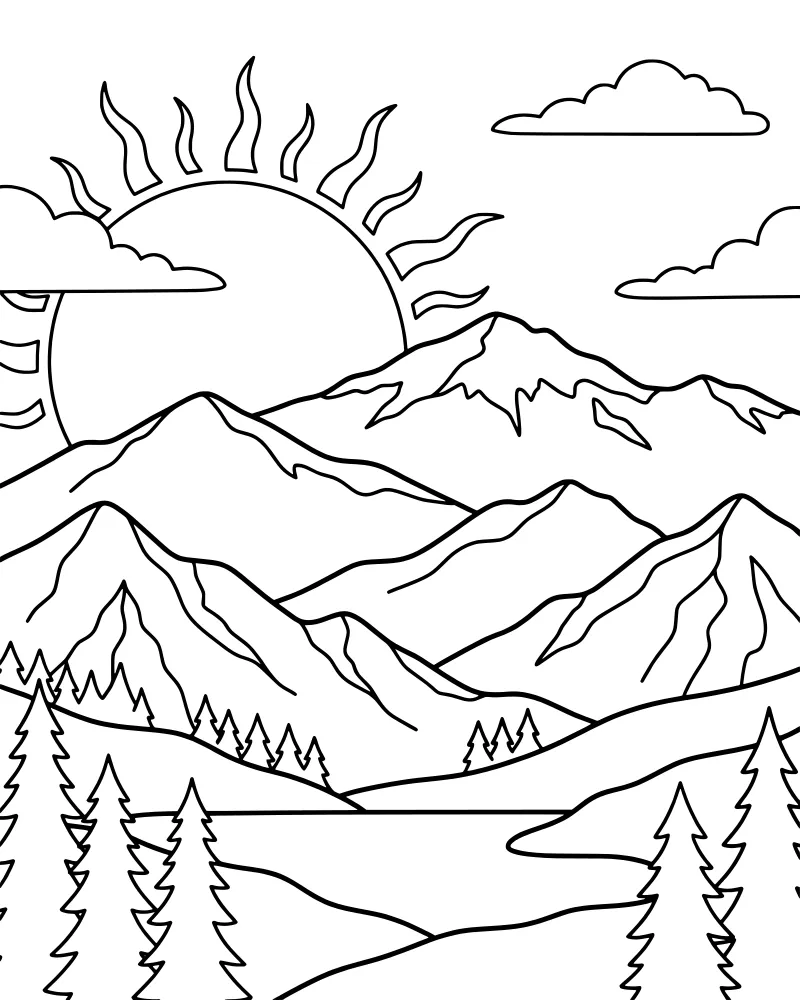
Peaceful Mountain River Landscape
Nature & Outdoors
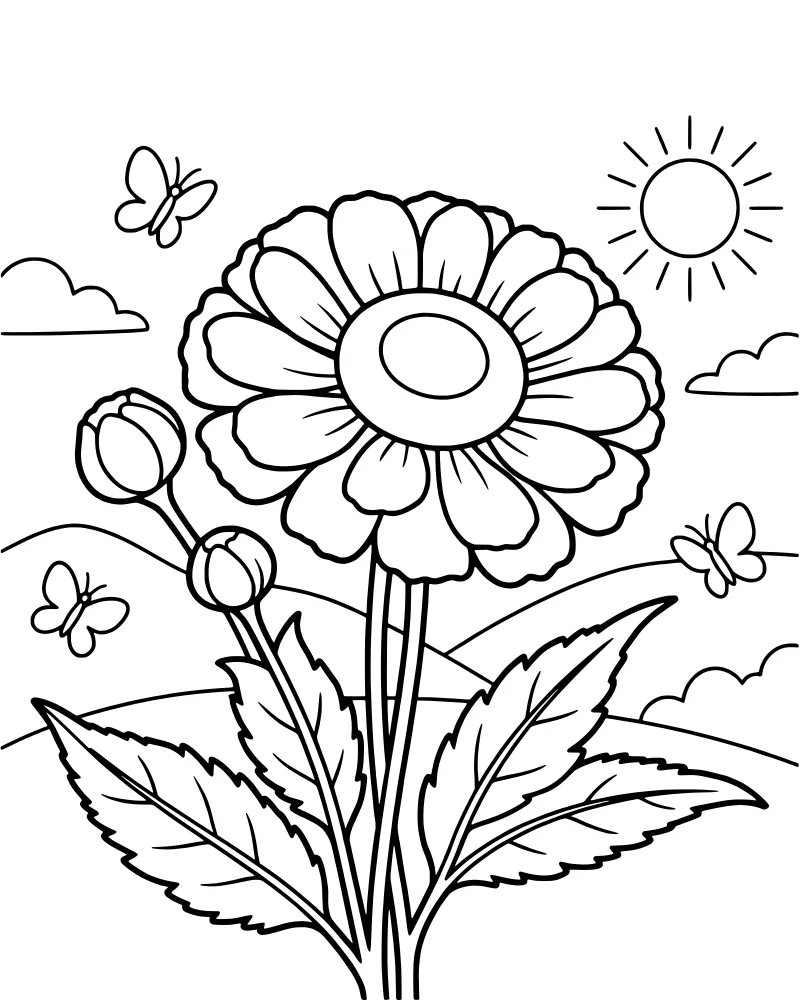
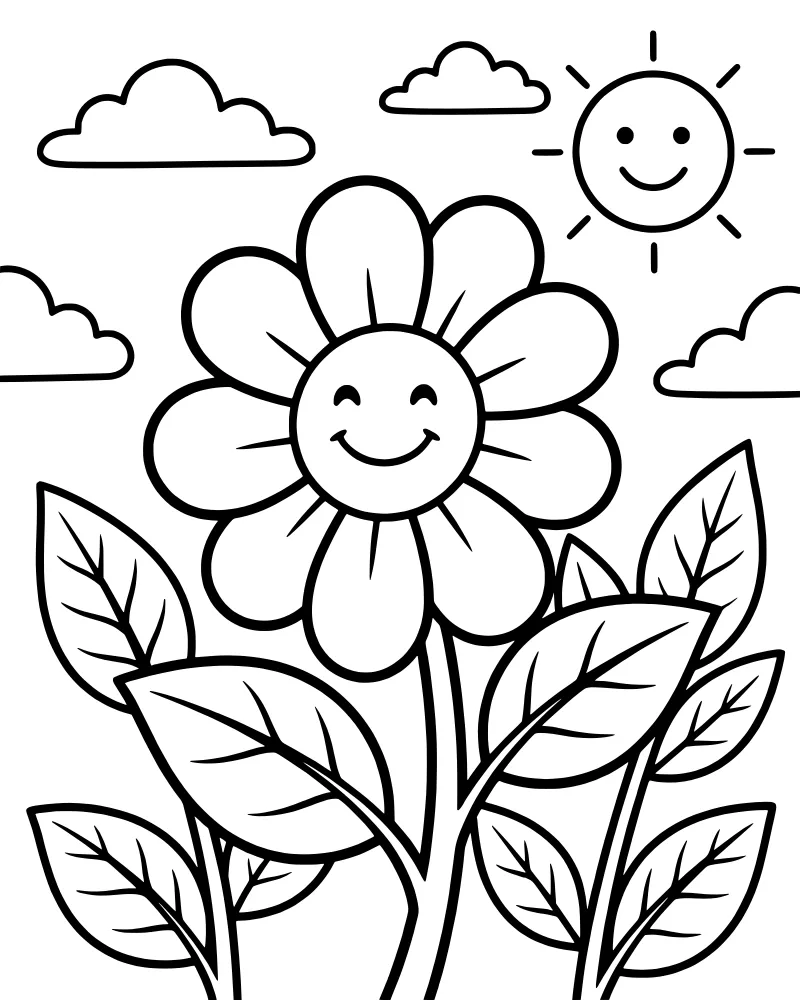
Happy Daisy in Sunny Meadow
Nature & Outdoors
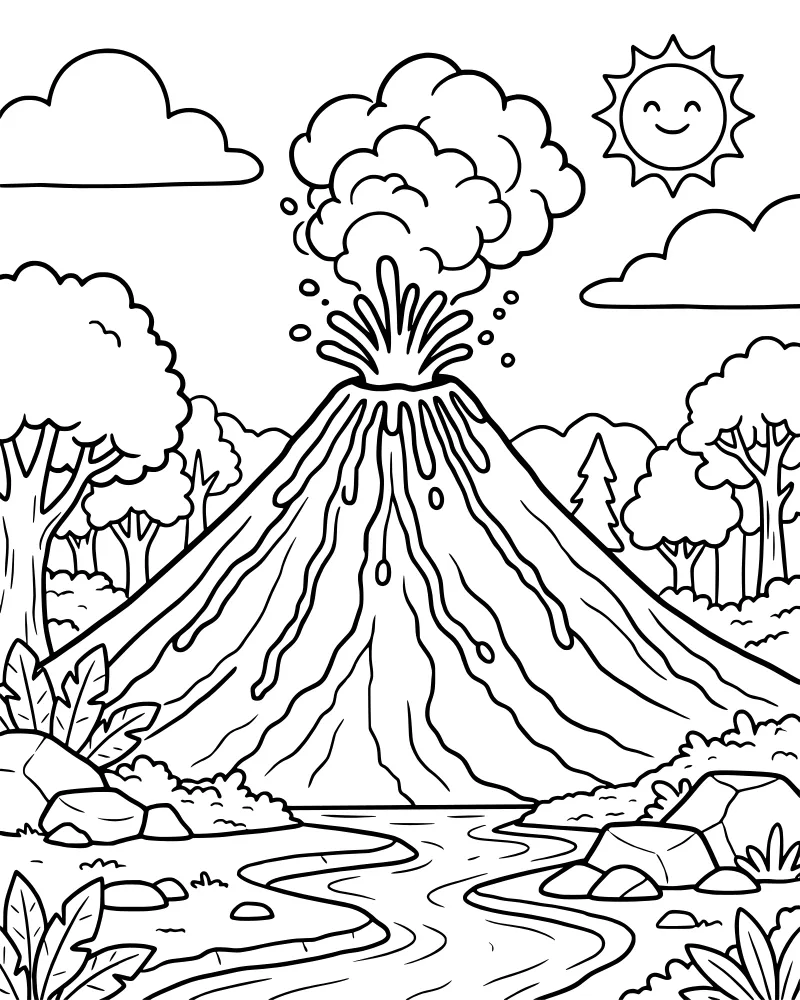
Friendly Erupting Volcano and River Scene
Nature & Outdoors
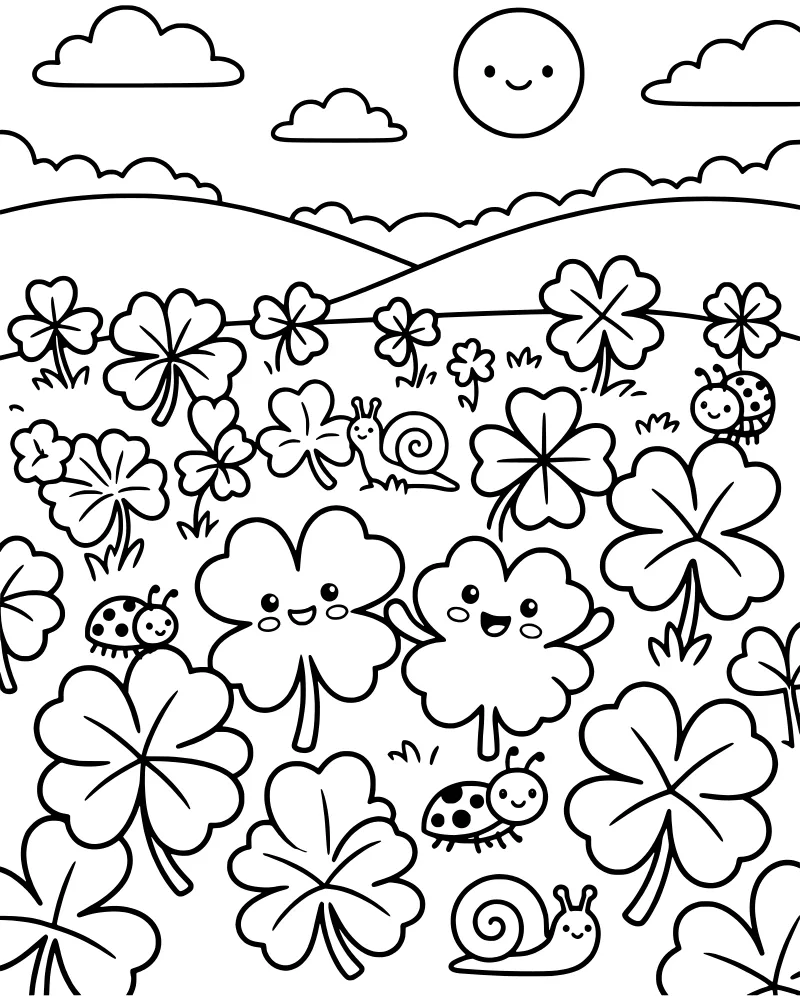
Lucky Four Leaf Clovers in Sunny Meadow
Nature & Outdoors
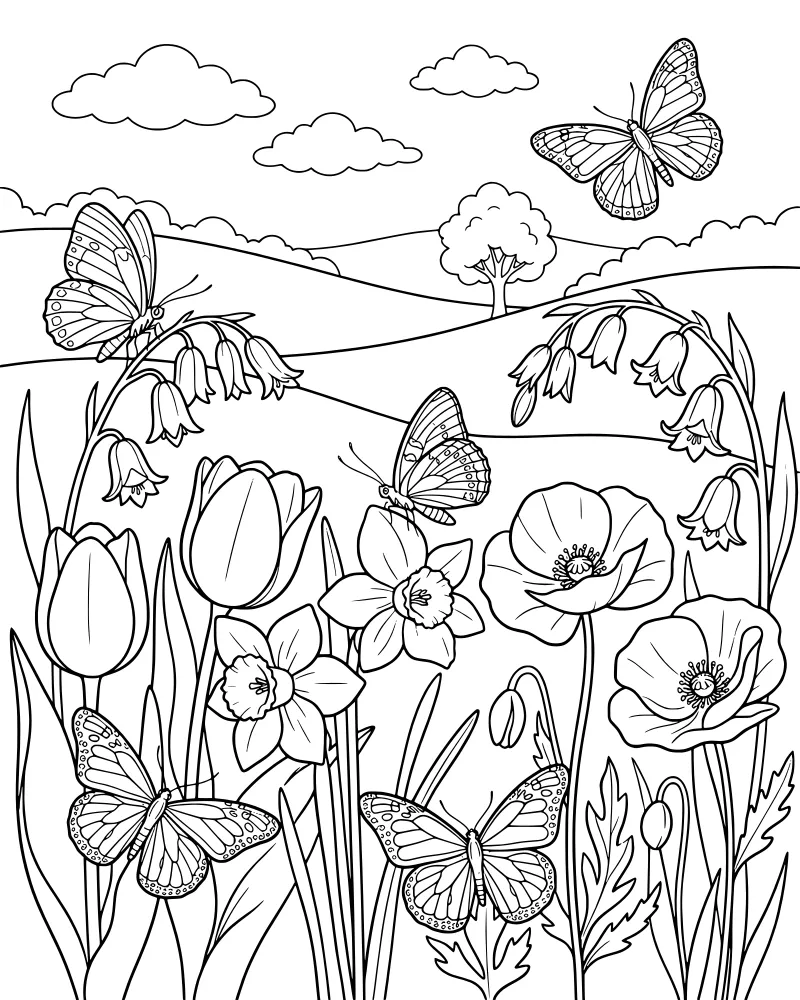
Sunny Meadow With Spring Flowers
Nature & Outdoors
About This Collection
Nature offers a limitless canvas of color and texture, from the deep greens of a dense forest to the bright, sun-kissed petals of a spring meadow. Exploring the outdoors through art helps us appreciate the small details of the world around us, like the delicate veins in a leaf or the way light sparkles on a moving river. Whether you prefer the quiet stillness of a mountain peak or the bustling life of a tropical beach, there is something deeply grounding about bringing a natural scene to life. These pages provide a way to connect with the environment from the comfort of home, offering a peaceful activity for a rainy afternoon or a quiet morning. Take your time with each stroke as you recreate the wonders of the earth.
The Serenity of Natural Landscapes
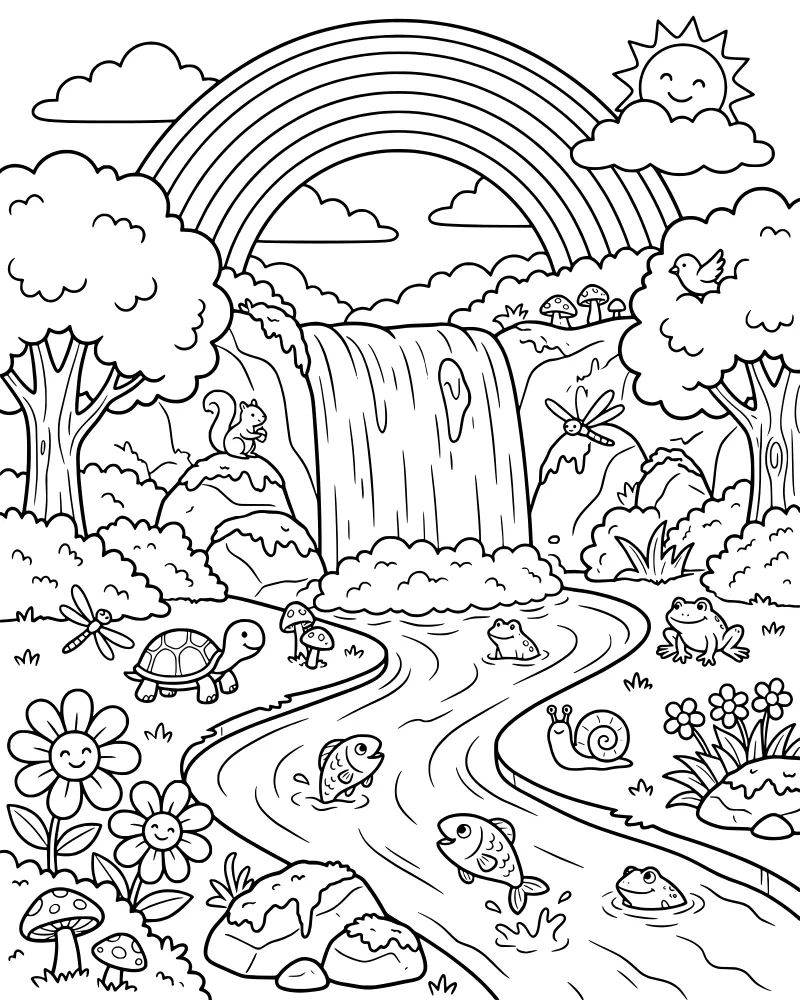
The natural world provides a sense of peace that is hard to find anywhere else. When we look at a vast mountain range or a winding river, our minds naturally begin to slow down. Coloring these scenes allows for a similar mental break, helping artists focus on the flow of water or the rugged texture of a cliffside. A scene like the Happy Waterfall and Forest Rainbow captures this perfectly, blending the movement of a cascading falls with the colorful promise of a rainbow. It reminds us that nature is full of surprises and constant motion, even in its most quiet moments. Observing the way a river bends around rocks or how trees cluster at the base of a mountain can be a wonderful lesson in geography and geology while you work.
Beyond the visual beauty, these landscapes represent ecosystems that work together in harmony. When you color a forest, you aren't just filling in trees; you are creating a home for birds, insects, and small mammals. This perspective makes the artistic process more meaningful. You might imagine the sound of the water hitting the rocks or the smell of damp earth after a rainstorm. By focusing on these sensory details, the act of coloring becomes a form of storytelling. You are the architect of this wild world, deciding if the sky is a clear morning blue or the fiery orange of a late summer sunset.
Celebrating the Diversity of Flora
Flowers and plants are often the first things that catch our eye when we step outside. From the tiny clovers tucked in the grass to the majestic blooms of a tropical garden, the variety is staggering. Focusing on botanical art helps children and adults alike learn about the different parts of a plant, such as the petals, stems, and leaves. The Sunny Meadow With Spring Flowers offers a wonderful opportunity to experiment with every shade in the crayon box, reflecting the true diversity found in a wild field. Each flower has its own personality, and choosing different colors for each one can turn a simple page into a vibrant masterpiece. You can learn to distinguish between the sharp petals of a daisy and the soft, bell-shaped curves of a lily as you move through the collection.
Botanical illustrations also offer a chance to practice fine motor skills. The intricate patterns found in a flower's center or the delicate serrated edges of a leaf require a steady hand and a bit of patience. This focus on detail encourages a deeper appreciation for the complexity of plant life. You might find yourself noticing the flowers in your own neighborhood more closely after spending time coloring them. Whether it is a single potted cactus or a sprawling field of tulips, each plant tells a story of growth and resilience. These pages celebrate that growth and allow you to bring a bit of the garden indoors, regardless of the weather outside.
The Mystery of the Woods at Night
While sunny days are beautiful, there is a special kind of magic that happens in the forest after the sun goes down. The woods become a place of shadows, moonlight, and glowing creatures. This shift in lighting provides a unique challenge for those who enjoy playing with darker tones like deep purples, navy blues, and charcoal greys. In the Magical Night Forest Adventure, the inclusion of fireflies and whimsical woodland creatures adds a layer of mystery to the landscape. It encourages us to think about the animals that wake up when we go to sleep and the hidden wonders that exist just out of sight in the dark. Using a white or silver gel pen over dark colors can help recreate the look of stars or the shimmering glow of forest spirits.
Night scenes also allow for creative experimentation with light sources. You can decide where the moon is positioned and how its light hits the tops of the trees or the surface of a stream. This introduces basic concepts of shading and highlights in a way that feels natural and fun. Creating a sense of depth in a dark forest requires layering different shades of the same color, which is a great technique to practice. It transforms a flat image into a three-dimensional world that feels like it could go on forever. Exploring the nighttime side of nature reminds us that the world is always active, even when it is quiet and still.
Selecting a Seasonal Color Palette
One of the best ways to approach nature-themed art is to think about the current season. Spring calls for soft pastels like lavender, pale yellow, and mint green to represent new growth and fresh blooms. Summer palettes are often more intense, featuring bright teals for the ocean and vivid greens for lush forests. If you want to capture the feeling of autumn, reach for warm earth tones like burnt orange, deep crimson, and goldenrod. Winter scenes, on the other hand, look beautiful with cool blues, stark whites, and touches of silver. Matching your colors to the time of year can make the finished artwork feel more connected to the world outside your window.
You can also play with the time of day to change the mood of a page. A meadow colored in the soft pinks and oranges of dawn feels very different than the same meadow under the harsh, bright light of noon. Experimenting with these shifts helps you understand how light interacts with the environment. Don't be afraid to use unconventional colors either. A purple mountain or a blue tree can turn a realistic landscape into a dreamlike world. Nature is full of incredible color combinations, like the iridescent feathers of a bird or the neon brights of a tropical fish, so there is no limit to what you can try.
Creative Activity Ideas and Printing Tips
After printing your favorite nature scenes, there are many ways to extend the activity beyond just coloring. You might consider creating a nature journal where each page represents a different habitat you have learned about. These pages can also be used as the cover for a homemade field guide or a scrapbook of outdoor memories. If you use heavier paper or cardstock, you can experiment with different mediums like watercolors or colored pencils blended with a bit of baby oil for a painted effect. This adds a professional look to the artwork and makes the colors appear more saturated and rich.
Another fun idea is to take your coloring supplies outside and try to match the colors of your pencils to the actual plants and trees you see in your backyard or at a local park. This helps build observation skills while enjoying the fresh air. You can also use the finished pages as decorations for a classroom or bedroom, creating a 'wall of nature' that brings a calming atmosphere to the space. If you are coloring with others, try a 'collaborative forest' where everyone colors a different tree or animal and you tape them together to make one giant mural. Sharing the experience of art and nature together is a wonderful way to bond and express appreciation for the world we share.